
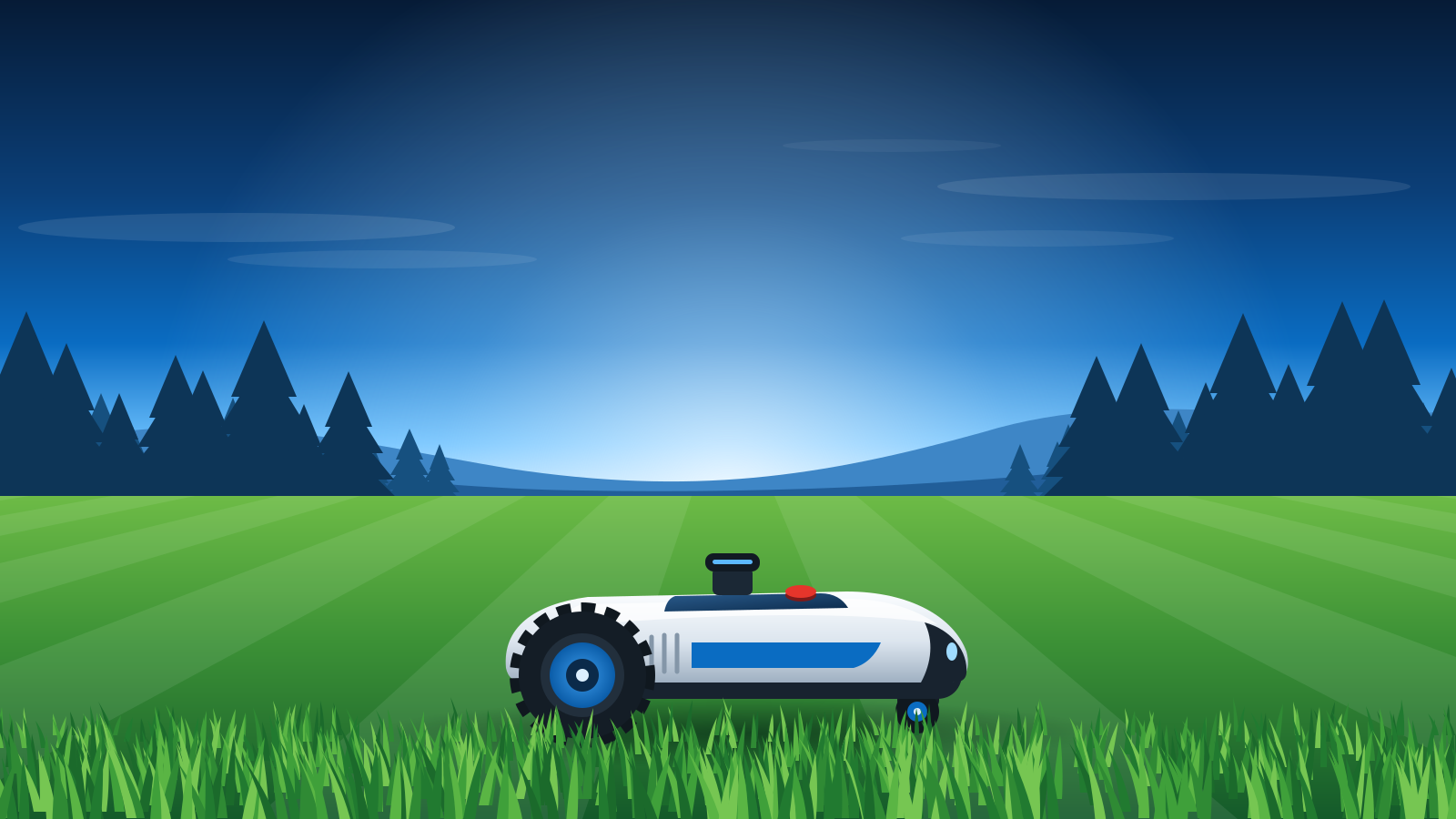
Independent robot lawn mower guides
Find the Right Robot Mower for Your Yard
Plain-English buying guides, reviews, and setup help, matched to your lawn size, slopes, and trees.
Start With Your Lawn Size
Coverage is the first thing to get right. Pick the size closest to your yard.
Small Lawns
Under 1/4 acreCity and suburban yards where compact size and tight turns matter most.
See picksMedium Lawns
1/4 to 1/2 acreThe sweet spot for most homes, where navigation and battery life start to matter.
See picksLarge Lawns
Over 1/2 acreBigger properties that need high rated coverage, wider cuts, and multi-zone mapping.
See picks60-second quiz
Not Sure Which Mower Fits?
Answer four quick questions about your yard. You'll get the navigation type and features to look for, before you compare a single model.
How Robot Mowers Find Their Way
Navigation decides how well a mower handles your yard. Many newer models combine more than one of these.
Boundary Wire
A perimeter wire laid around the lawn tells the mower where to stop.
- Best for
- Heavy tree cover and tighter budgets
- Watch for
- Installation work and wire breaks
RTK-GPS
Satellite signals corrected by a base station or network give precise positioning.
- Best for
- Open lawns with a clear view of the sky
- Watch for
- Weak signal near trees and tall walls
Vision
Cameras see lawn edges and obstacles, and help the mower avoid objects.
- Best for
- Clear lawn edges and good obstacle avoidance
- Watch for
- Low light and edges with little contrast
LiDAR
A laser scans the surroundings to build a detailed map of the yard.
- Best for
- Shaded yards and low-light mowing
- Watch for
- Usually a higher price
Got a Tricky Yard?
Slopes, shade, and tight spaces change which mower will actually work for you.

Slopes & Hills
Traction, drive type, and how to read slope ratings.

Trees & Shade
Keeping a reliable position when the sky is blocked.
Narrow Passages
Getting between zones through side yards and gates.

Multiple Zones
Front, back, and separate lawns on one mower.
Gear That Keeps It Running
The accessories that protect your mower and keep it cutting cleanly.
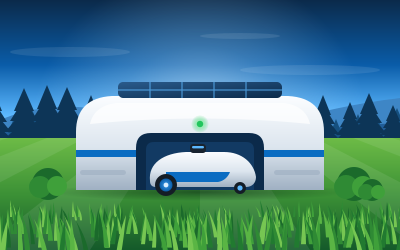
Garages
Shelter for the mower and dock.

Replacement Blades
Keep the cut sharp and even.
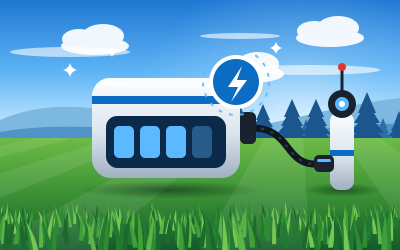
Batteries & Chargers
Restore runtime on older mowers.
Wire & Pegs
Repair and extend a perimeter loop.
How we work
Research You Can Check
Our guides are built from sources you can verify. We say where they disagree, and we don't claim hands-on testing we haven't done.
How We Research- Specs and manualsManufacturer data, app documentation, and firmware notes.
- Safety and recallsPublished safety information and recall notices.
- Lawn scienceUniversity extension guidance on grass and mowing.
- Owner patternsCommon praise and complaints across verified reviews.
Robot Mower Questions, Answered
Are robot lawn mowers worth it?
They suit homeowners who want a consistently short lawn without weekly mowing. The trade-offs are a higher upfront price, some setup time, and the need to keep edges and tight corners tidy yourself. Your yard shape, slopes, and tree cover decide whether one is a good fit.
Do robot mowers still need a boundary wire?
Not always. Many newer models use satellite positioning, cameras, or LiDAR instead of a perimeter wire. Wired models are still a practical choice, especially under heavy tree cover where satellite signals are weak.
How steep a lawn can a robot mower handle?
It depends on the model. Manufacturers publish a maximum slope, usually as a percentage. Measure the steepest part of your yard and choose a mower rated above it, since wet grass and loose ground reduce grip.
Are robot mowers safe around kids and pets?
Robot mowers have sharp blades and safety sensors that stop them when lifted or tilted, but those sensors are not a guarantee. Keep children and pets off the lawn while the mower is working, and schedule it for times when the yard is empty.
Can a robot mower run in the rain?
Many are built to tolerate rain and some return to the dock when a rain sensor triggers. Check the weather rating of the model you are considering. Cutting wet grass can also leave a rougher finish and muddy tracks.
How big a lawn can one robot mower cover?
Each model has a rated coverage area, from small city yards to an acre or more. Treat that figure as a best case and leave some headroom for slopes, obstacles, and separate zones.