
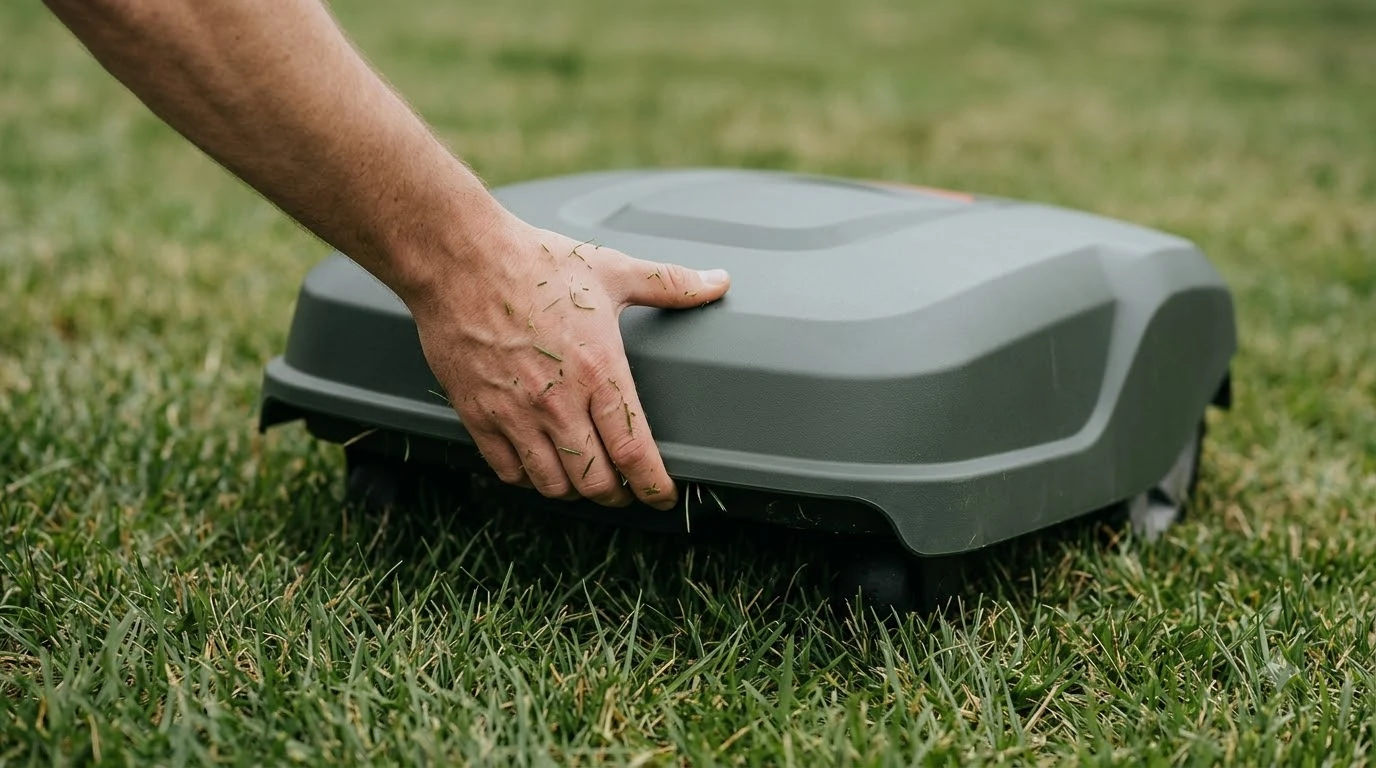

There is no verified, brand-wide list of robot mower brands to avoid. As of 2026-11-10, the reviews that name weak robot mowers point at specific models and specific complaints, not whole brands. A better approach is to judge any brand on parts, blades, dealer support, warranty, slope limits and navigation before you buy.
The short answer
- No blacklist: we found no independent, brand-wide list of robot mowers to avoid.
- Check parts first: blades need replacing every one to two months, and batteries can be costly to replace.
- Check support: ask where the nearest dealer or service centre is before you buy.
- Check the spec sheet: slope claims and boundary type change what a mower can handle.
Is there an official list of robot mower brands to avoid?
No independent, brand-wide list of robot mower brands to avoid turned up in our research. The best-known “steer clear” article, from SlashGear, covers riding and gas mowers, and it says the brands themselves “aren’t necessarily problematic or poor mower builders.” Its robot ranking is a roundup built from professional reviews and user reviews, not from hands-on testing. Treat any ranking that names brands to avoid as a summary of reports, and check the reasons behind it.
Independent testing is also limited. Consumer NZ says it tested more than 10 models from 8 brands, and its guide does not rank brands or give reliability ratings. That is a useful reminder that one test covers a small sample of models, not a whole company, and that results can change as new models arrive.
Check slope and terrain before you buy
Slope is the spec most likely to disappoint buyers, because the claimed limit and the real-world limit can differ. Consumer NZ ran its tested mowers on 19-degree slopes, which is about 35 percent, and noted that some manufacturers claim up to 39 degrees, about 80 percent. Some of the tested models did better than their claims, and some user manuals say the maximum slope should be used only for short spells.
Husqvarna’s 435X AWD, a model on its US product page, lists a maximum slope of 70 percent inside the installation area and 50 percent at the boundary wire. Eufy’s E15 and E18 are listed with an 18-degree maximum incline, as reported by SlashGear. Our reading is that a mower rated for 70 percent in the middle of the lawn may still struggle at the edges, so measure the steepest section of your yard, not the average.
Check parts, blades and dealer support
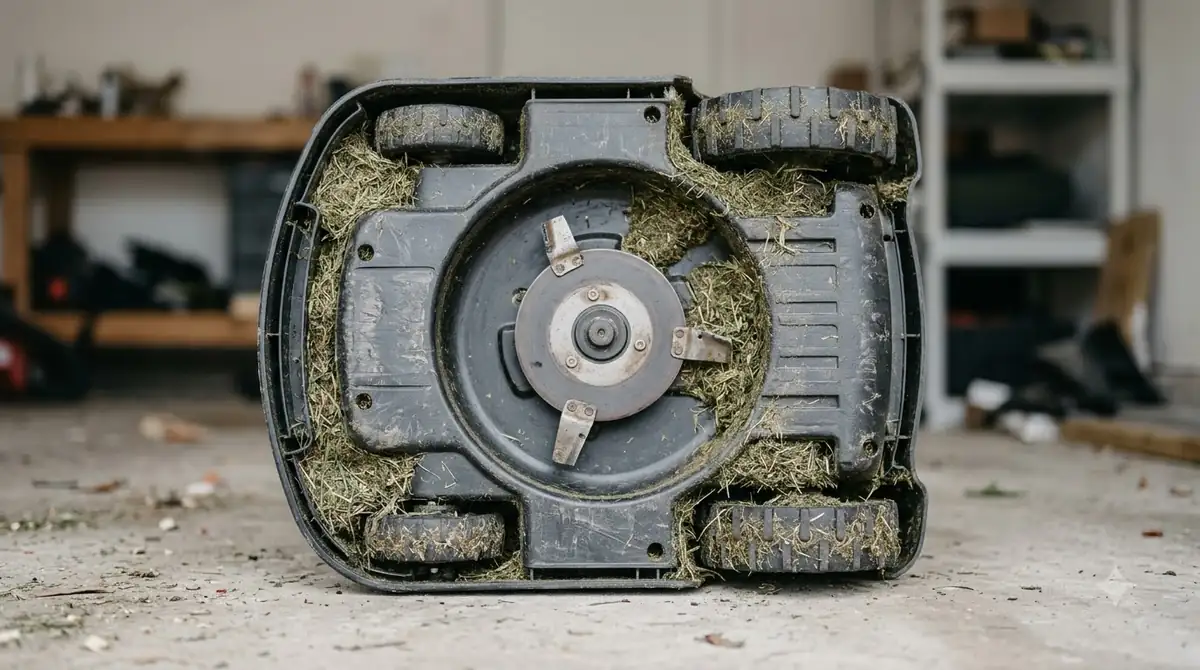
Parts and service are where many ownership problems show up, so this is the section to weigh most heavily when you compare robot mower brands to avoid lists with your own needs. Husqvarna says it has over 10 years of availability for robot mower parts, but that is a manufacturer claim, and it should be confirmed for the model you want. The same FAQ says blades last one to two months on 1,000 square metres, depending on soil and grass, and can be replaced in about five minutes with a regular screwdriver. Consumer NZ advises replacing blades every month or two, depending on use.
Batteries deserve the same attention. Consumer NZ warns that replacing a battery can cost more if the mower has to go to a service agent, and it advises checking that batteries are available locally and what they cost. Most manufacturers recommend an annual winter service at a specialist centre, so a dealer within reach matters.
| Check | What to look for | Why it matters |
|---|---|---|
| Parts availability | Blades, battery and boundary wire sold locally or online | These are the items you replace most often |
| Dealer network | A dealer or service centre you can reach | Installation, service and winter storage |
| Battery cost | Replacement price and whether you can swap it yourself | A service visit can add cost |
| Warranty | Length, what it covers, and whether you must register | Coverage varies by manufacturer |
| Slope rating | Maximum slope inside the area and at the boundary | Claims differ from real use |
| Rain sensor | Whether the model has one | Fewer than half of the Consumer NZ models had one |
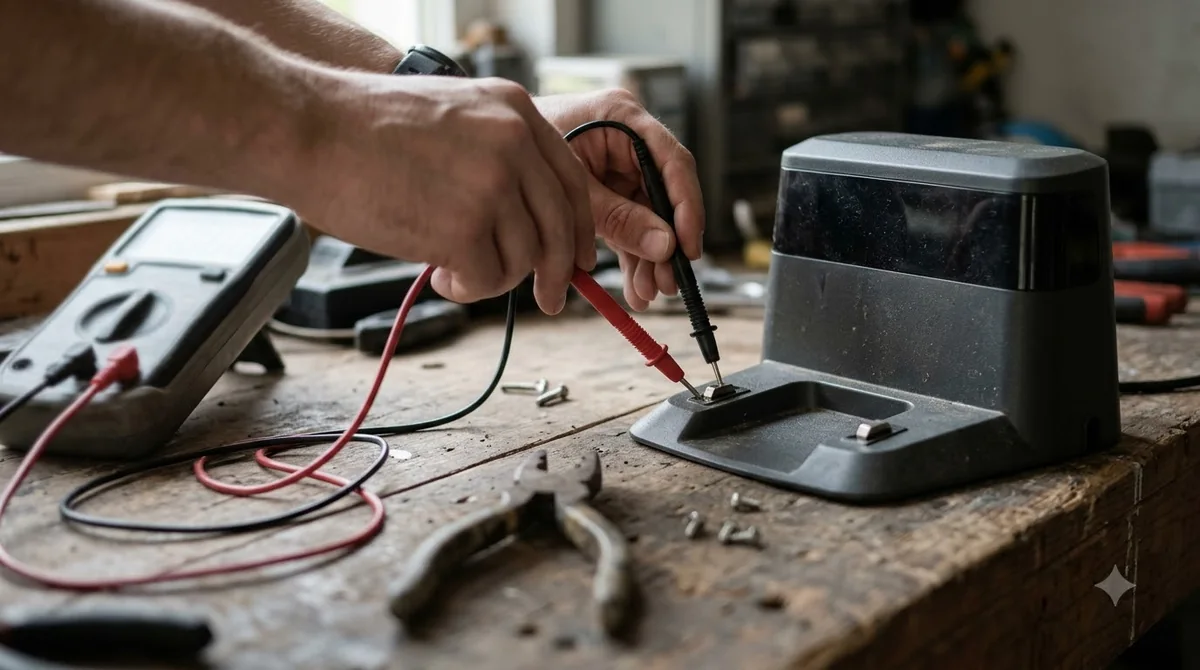
Maintenance is also a cost of ownership. Consumer NZ suggests removing debris such as branches, leaves, stones and toys every few days, checking sensors, blades and wheels each week, and cleaning the battery contacts on the mower and charging station. It also advises choosing a model with a user-replaceable battery, and checking that replacements are sold locally before you commit.
Brand reports are another source of signal, but they need care. When you read any robot mower brands to avoid article, check its date, its method and whether it reports models or whole companies. Some user reports cite a lack of quality control and parts breaking soon after purchase for one major brand, Husqvarna, while SlashGear also notes that its professional reviews of the 435X AWD were positive. These are reported complaints, not measured failure rates, and a single model can perform very differently from the brand average.
Warranty and registration
For any robot mower brand, the warranty is a fair test of how the company stands behind its product. Robot mower warranties typically run one to three years, and many require you to register the mower to keep or extend coverage. The battery may be covered separately, so read the terms before you buy. Our reading is that a longer warranty only helps if the dealer network can carry out the repair.
Husqvarna’s US product page for the 435X AWD states a warranty against defects in material and workmanship, but it does not give a length in years and links to a separate warranty page. SlashGear reports a four-year warranty for the 435 iQ AWD, which we could not confirm on a manufacturer page, so treat that figure as unverified until you check the terms.
Wire or wireless navigation, and what that means for risk
Boundary wire models suit smaller yards, lawns with poor satellite signal, and fixed mowing areas. Wireless models are easier to set up and can be reconfigured without moving wires, but they need good satellite reception to work well. Consumer NZ notes that physical wires can be damaged and disrupt operation, and they need repositioning if you change the mowing zones.
Navigation is also where a robot mower brand’s design choices show up most clearly. Wireless systems have their own limits. Consumer NZ notes that tall trees, buildings or valleys can interfere with satellite reception, and that RTK positioning usually needs an antenna with a clear view of the sky. Wire systems avoid that problem but need the wire moved whenever you change the mowing zones. Both designs should be checked against the lawn layout before you buy.
Navigation tier matters too. SlashGear reports that Segway’s X390 needs no boundary wire and runs at 60 dB, while Gardena’s models use basic navigation with no GPS or sensors, as reported. Neither detail on its own decides a purchase, but both tell you what to ask the seller before you buy.
What to check before you buy
Use this short checklist to compare any brand, including ones that appear in “avoid” lists. Each step uses a fact you can check on the manufacturer’s site or with a local dealer.
- Measure the lawn and its steepest section. Compare the slope rating against the real steepest point, not the average.
- Confirm the navigation method. Decide whether a boundary wire or satellite navigation suits your yard.
- Find the dealer. Look up the nearest service centre before you buy, and ask who handles winter service.
- Price the consumables. Check blade, battery and boundary wire availability and cost.
- Read the warranty terms. Note the length, what it covers and whether you must register.
Lawn layout is the last thing to check. Top Ten Reviews notes that mowers may not recognise a side yard or driveway, so a divided yard may need the mower carried or driven between sections. That will not show up on a spec sheet, but it can decide whether a brand suits your yard.
Frequently asked questions
Is there a list of robot mower brands to avoid?
No independent, brand-wide list of robot mower brands to avoid was verified in our research. Articles that name weak mowers usually target specific models, and the complaints they cite should be checked against the manufacturer’s support pages and recent owner reports.
How long should a robot mower warranty last?
Robot mower warranties typically run one to three years, and some require registration. Coverage differs by manufacturer, so read the terms for the mower and the battery separately before you buy.
Do dealers matter for a robot mower?
Yes. Husqvarna says its dealers handle installation, service and winter storage, and it cites 25,000 resellers worldwide. Consumer NZ notes that most manufacturers recommend annual winter service at a specialist centre.
Does slope rating matter for a robot mower?
Yes. Consumer NZ found that some tested mowers did better than their claims, while manuals warn against long use on steep slopes. Measure the steepest part of your lawn and compare it with the rating for the area inside the installation and at the boundary.
Sources
- Consumer NZ robot lawn mower guide (independent consumer organisation): slope testing, battery service cost, winter service, rain sensors and wire versus wireless.
- Husqvarna robotic mower FAQ (manufacturer): parts availability claim, blade life, blade replacement, theft protection and dealer network.
- Husqvarna 435X AWD product page (manufacturer): maximum slope inside and at the boundary, and boundary wire requirement.
- Top Ten Reviews, mistakes to avoid when buying a robot lawn mower (Feb 14, 2024): lawn layout, boundary wire setup and yard work that remains.
- SlashGear, every major robot lawn mower brand ranked (June 9, 2026): ranking based on reviews, with user-report themes for several brands.
 Up next7 min readReviews & CompareLymow One Review: What the Sourced Specs Say Before You BuyUpdated Nov 12, 2026
 8 min readReviews & CompareAnthbot M5 Alternatives: What to Compare Before You BuyUpdated Nov 11, 2026
 9 min readReviews & CompareLymow One Alternatives: Specs to Compare Before You BuyUpdated Nov 14, 2026
 7 min readReviews & CompareNavimow i105N vs i110N: Which One to BuyUpdated Nov 11, 2026
 10 min readReviews & CompareEcovacs vs Navimow: Which Robot Mower to Buy in 2026Updated Nov 16, 2026
 7 min readReviews & CompareRobot Mower With App vs Without App: Which to BuyUpdated Nov 17, 2026