
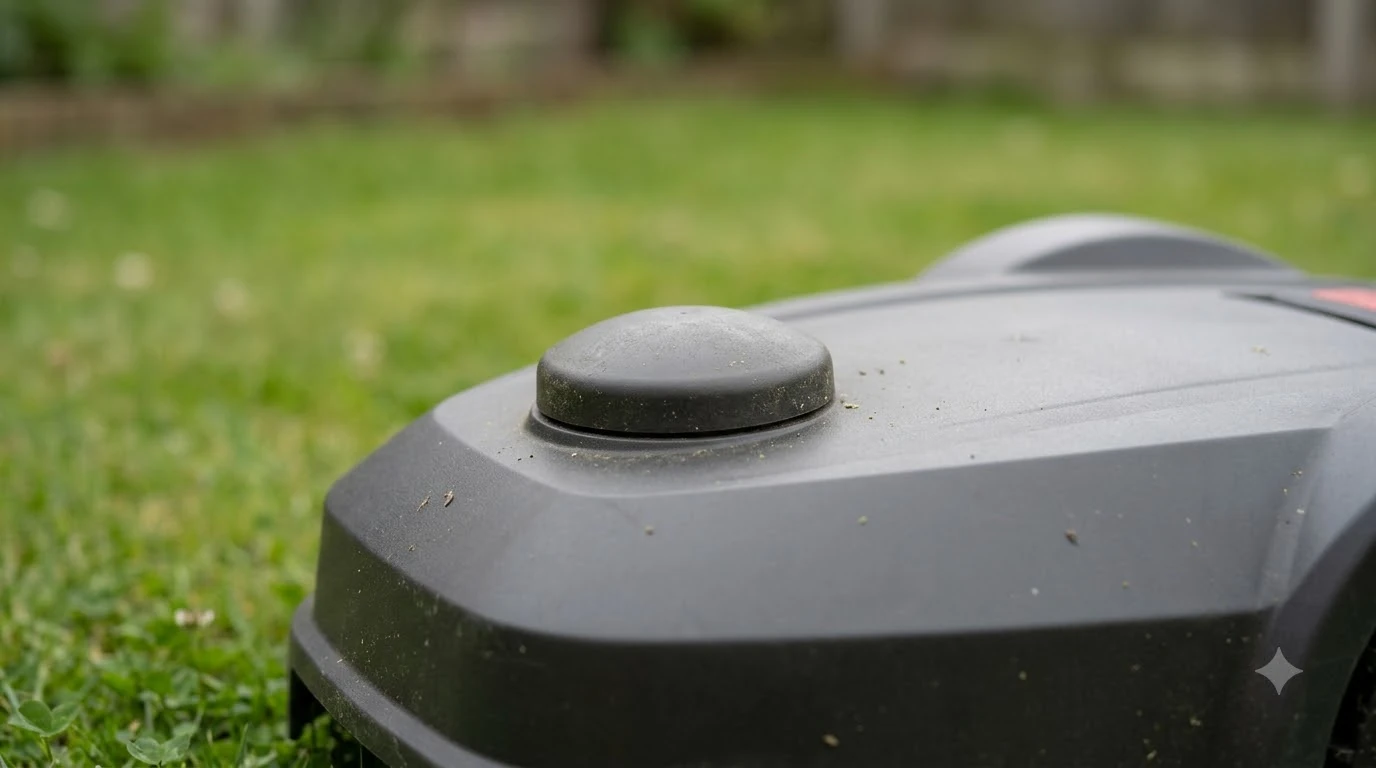

A robot mower subscription GPS vs free GPS choice differs mainly in who pays for the correction signal and the cellular link, not in how the mower navigates. Some brands now offer their positioning service free for the life of the device, while others charge a yearly fee for cellular tracking or network RTK. Before you compare plans, check which features depend on the subscription: navigation, remote tracking, or both.
The short answer
- Navigation accuracy comes from the positioning method. RTK fix is centimeter-level in good conditions, while phone-grade GPS can be several meters off.
- Free lifetime service is offered by some brands for some models. Mammotion’s iNavi network RTK is described as free for the lifetime of the device on listed models.
- Paid tracking is common for cellular anti-theft features on other brands, often after an included period ends.
- Check the terms for each model and region before you buy, because service plans change.
What GPS and RTK actually do for the mower
A robot mower needs to know where it is in order to stay inside a boundary. Standalone GPS gives a position that can drift by several meters, which is not enough for a boundary near a pool, a road, or a flower bed. RTK corrects that error using a reference signal. RTK gives a fix that is about 1 to 2 centimeters horizontally in open sky near the reference station, according to the accuracy guide from RTKdata, and it is the level that boundary work relies on. The same guide warns that the centimeter figures are a best case, and that signal can weaken near buildings and under trees.
The subscription question starts here. Some mowers get the correction signal from a base station on your property, which needs no monthly service. Others use a network RTK service, which is delivered over the internet and may carry a fee or be free depending on the brand.
Free network RTK: what the change means
Mammotion’s iNavi service, which provides NetRTK over 4G or Wi-Fi, used to carry a fee. Notebookcheck reports that the company has made iNavi and the 4G data connection free for the lifetime of the device on a list of compatible models, including the Luba 3 AWD, Luba Mini 2 AWD, and Yuka series. The article does not state the previous fee amount, so check the current price on the account if you are comparing older purchases. What the subscription buys is clearer after how accurate RTK is compared with GPS. Small lawns may not need paid positioning at all, as RTK for small yards and its costs explains.
A free lifetime service changes the running cost of a model, but only for the listed mowers and the regions where the service is available. It does not automatically apply to other brands, and it does not cover every feature the owner may want, such as third-party tracking.

Anti-theft tracking and the subscription
Anti-theft features are the part most likely to carry a recurring cost. Tracking a mower away from the lawn usually requires a cellular connection, and many brands charge for that data after an included period. A comparison of Mammotion’s anti-theft features lists GPS tracking, account binding, and a geo-fence alert that triggers if the mower leaves the lawn by more than 50 meters. Those features rely on the connectivity that the company supplies, so the alert only works while the plan is active.
Other brands differ. One comparison describes a mower with a three-year free 4G subscription that includes real-time GPS tracking and PIN locking. Some owners buy an aftermarket tracker instead, but those devices typically add a monthly fee. A tracker is useful only if it is attached and hidden well. No anti-theft system makes a mower immune to theft, so a fence, a secure shed, and a locked storage plan still matter.
Positioning without any subscription
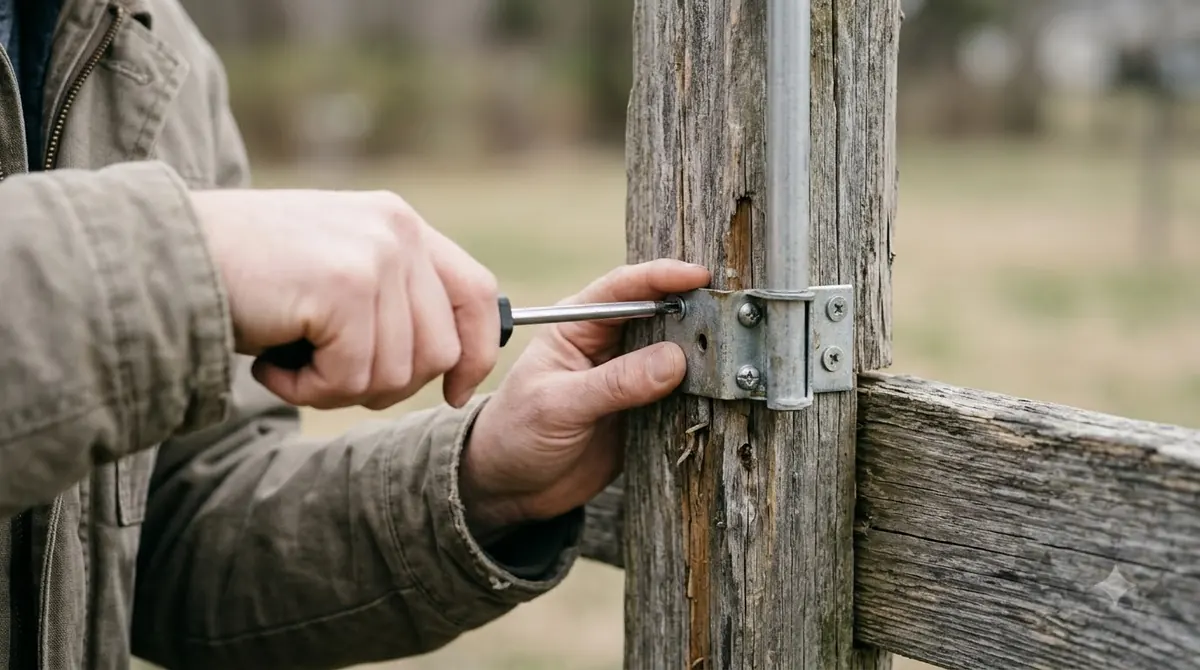
A mower does not need a cellular plan to navigate. Mowers that use an on-site RTK base station or a local boundary wire can run without a correction subscription. The RTKdata guide says mowers using a local base station do not need a correction subscription, and that the base station should not be moved after mapping, because shifting the reference point shifts every boundary. The trade-off is setup: a base station must be placed with a clear sky view and kept in one spot. A wired boundary needs no satellite service, as boundary wire reliability against wireless explains. A mower without positioning fees may suit some buyers, and the Worx Landroid Vision value assessment looks at a camera-guided model.
Robot mower subscription GPS vs free GPS: questions to ask
Check four things before you compare plans. First, whether the service that provides navigation is free for the life of the device, or only for an introductory period. Second, whether cellular tracking is a separate plan, and what it costs per year. Third, whether the mower works without a subscription if the service ends. Fourth, whether the model is sold in your region with the same plan terms, because prices and network coverage vary by country.
Who each option suits
A free lifetime positioning service suits a homeowner who wants low running costs and a simple setup, especially on a model that is on the free list. Paid cellular tracking suits an owner who values remote location and alerts and expects to keep the mower for several years. A base-station setup without a subscription suits someone who wants no monthly bills and does not mind a fixed base unit in the yard. In all three cases, the boundary quality and the anti-theft habits at home have the biggest effect on the result. Not every model relies on paid positioning, and Worx Landroid M500 limits explained looks at a wire-based Worx model.
Frequently asked questions
Does a robot mower need a subscription to navigate?
Not always. Mowers with an on-site RTK base station or a local boundary wire can navigate without a correction subscription. Mowers that use network RTK depend on the service, so check its terms for that model.
Is RTK better than standalone GPS for a boundary?
Yes for boundary work. Standalone GPS can be several meters off, while RTK fix gives about 1 to 2 centimeters in good conditions. RTK still depends on sky view, so trees and buildings can reduce accuracy.
Does anti-theft tracking always cost money?
Usually it depends on cellular connectivity, which some brands include for a set period and then charge for. Some newer plans are free for the life of the device, so read the terms for the exact model.
Are the free plans reliable over time?
Service terms can change, so treat a free plan as a current offer rather than a guarantee. Check the manufacturer’s policy at purchase and keep a record of the terms you were given.
Sources
- Notebookcheck, Mammotion iNavi and 4G now permanently free for compatible robotic mowers (news): the lifetime-free change and the list of covered models. The fee amount was not given.
- RTKdata, Wire-free Robot Mower RTK Accuracy Guide 2026 (guide): GPS and RTK accuracy levels, boundary mapping advice, and the note that base-station setups need no correction subscription.
 Up next7 min readReviews & CompareRTK vs GPS Robot Mower Accuracy: What the Difference MeansUpdated Nov 17, 2026
 7 min readReviews & CompareRobot Mower vs Lawn Care Subscription Service: Which Fits Your LawnUpdated Nov 14, 2026
 7 min readReviews & CompareRobot Mower Subscription vs No Subscription: Which Brands ChargeUpdated Nov 14, 2026
 9 min readReviews & CompareSunseeker V3 vs Eufy E15 Robot Mower: Wire-Free Vision ComparedUpdated Nov 19, 2026
 6 min readReviews & CompareSegway Navimow H2 Pros and Cons: Wire-Free Navigation ExplainedUpdated Nov 16, 2026
 7 min readReviews & CompareRobot Mower Costco vs Home Depot Buying: Returns, Price Match, WarrantyUpdated Nov 13, 2026