
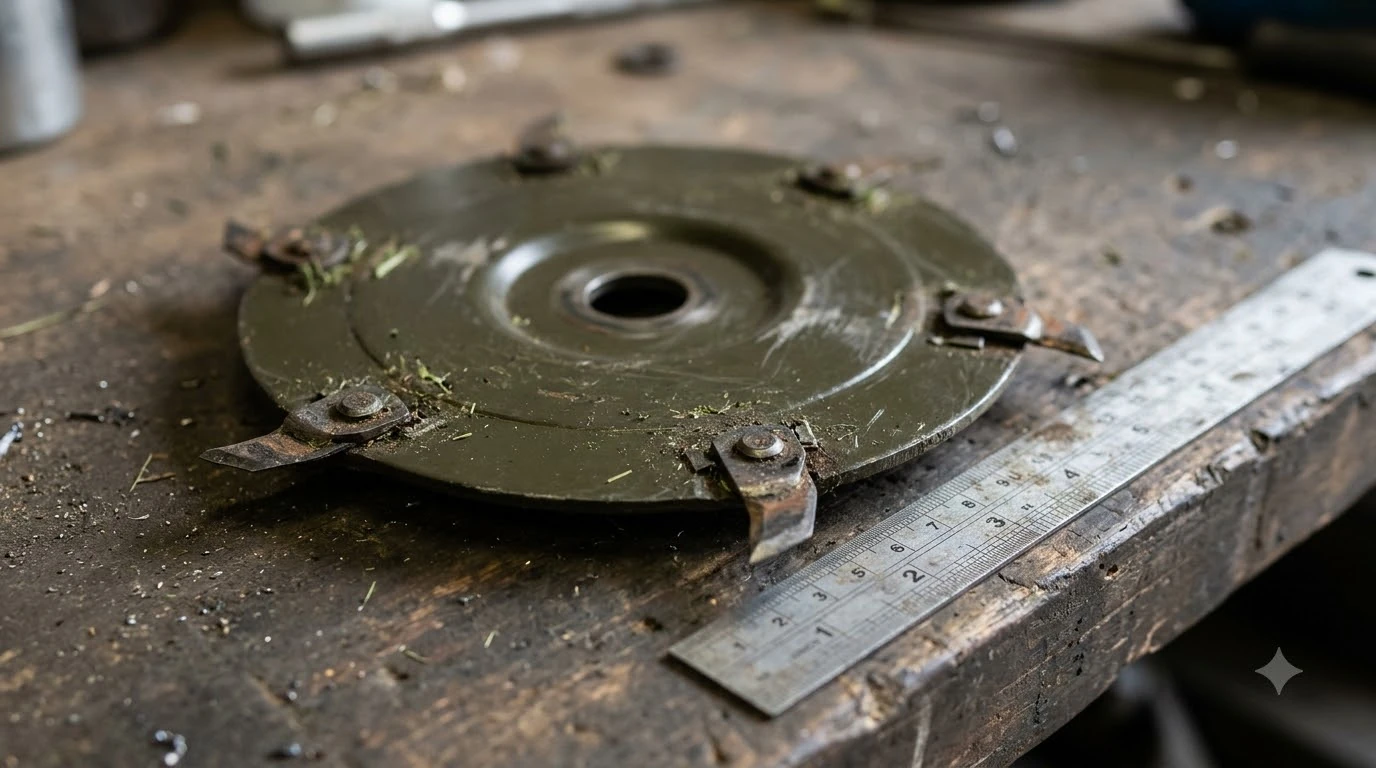

The best replacement cutting disc guard for rocky lawns is a stamped aluminum or stainless-steel skid plate matched to your exact mower model and serial number. Thin metal plates deflect embedded gravel and tree roots without cracking like factory plastic discs often do. Pairing a metal plate with a clean bearing assembly keeps your cutting deck balanced across rough yards.
The short answer
- Material choice: Stamped aluminum and stainless steel resist shattering when they strike protruding stones, whereas molded polymers dent, gouge, or crack over time.
- Free-spinning bearing: A functional guard rides on an independent bearing so it glides over bumps instead of transferring rotational shock to the drive motor.
- Exact fitment: Manufacturers change plate diameters across model years and serial numbers, so matching the original part number prevents blade interference.
- Weekly inspection: Manufacturer manuals recommend checking the guard weekly for bent edges, stuck gravel, or rough bearing spin.
How a cutting disc guard protects rocky lawns
A cutting disc guard, commonly called a skid plate, sits directly beneath the spinning blade disc to shield the blades, screws, and motor shaft from ground strikes.
On smooth turf, this disc mostly keeps wet grass clippings from packing around the central hub. On rocky or uneven lawns, it acts as a physical buffer that lifts the cutter head over protruding stones, exposed roots, and gravel border edges. According to Husqvarna spare parts documentation, genuine skid plates are engineered to shield the cutting system from debris while letting the mower glide across irregular ground.
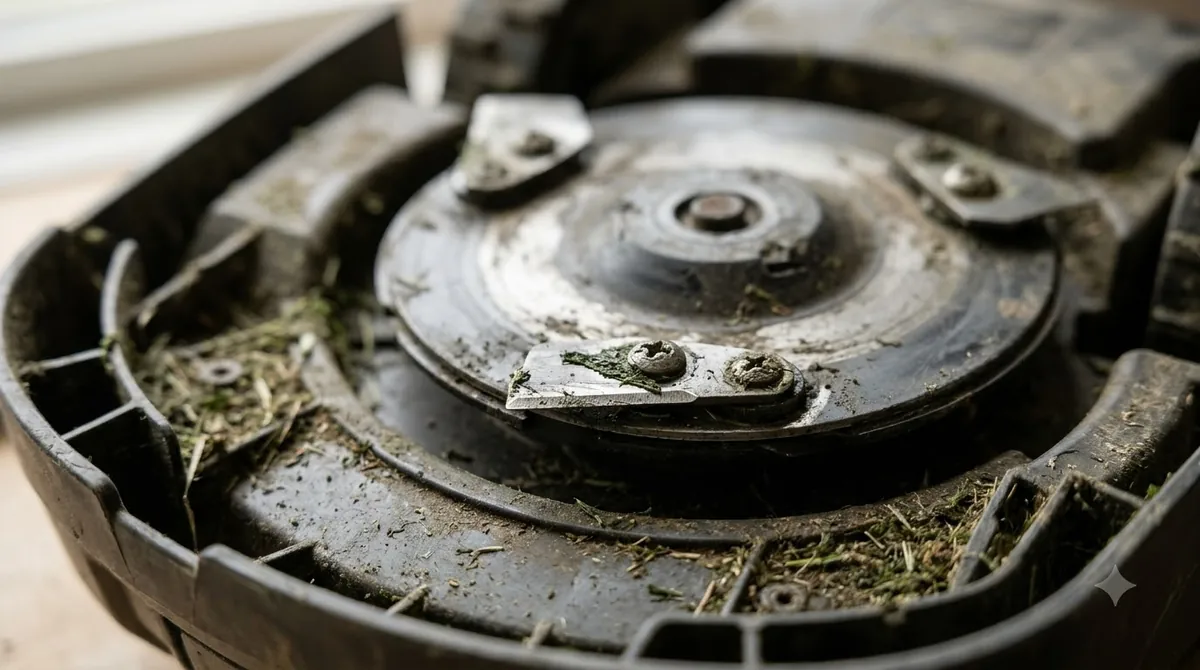
Most residential robot mowers mount the guard on a sealed ball bearing. That bearing lets the guard stop spinning when it touches a rock while the upper blade disc continues rotating freely above it. If a rock bends the plate upward or jams grit into the bearing race, the guard rubs against the razor blades, creating noise, vibration, and extra battery drain.
Types of replacement cutting disc guards
Replacement guards fall into three distinct construction styles, each balancing impact resistance, weight, and corrosion protection differently.
| Guard type | Typical material | Impact behavior on rocks | Weight and balance impact | Best yard profile |
|---|---|---|---|---|
| OEM standard plate | Stamped aluminum or polymer | Aluminum dents gradually; polymer scuffs or cracks | Factory-calibrated weight | Lawns with occasional pebbles or roots |
| Heavy-duty aftermarket plate | Thick stamped stainless steel or alloy | Resists deep gouges and edge curling | Slightly heavier; requires balanced mounting | Yards with embedded gravel or shale |
| Perimeter blade guard bracket | Reinforced ABS or composite cage | Deflects side impacts from edging stones | Minimal rotational mass | Lawns bordered by stone pavers or walls |
Stamped aluminum plates remain the standard factory choice on many mid-size and commercial Automower models. Aluminum absorbs sharp stone hits by denting slightly rather than shattering, which protects the motor spindle from sudden shock loads. Stainless-steel replacement plates offer higher abrasion resistance against gritty soil and gravel paths, though they add slightly more mass under the deck.
Some multi-disc and perimeter-cutting robots also use fixed outer blade guard brackets around the cutting deck. As outlined in the Mammotion LUBA 3 AWD maintenance guides, these fixed brackets surround the lower cutting assembly and require periodic checks after contact with hard landscaping.
What to look for before ordering a replacement
Selecting the right guard depends on mechanical compatibility, edge geometry, and bearing condition rather than universal sizing.
- Diameter and bolt pattern: Even within a single brand, guard diameters vary widely. Husqvarna lists separate plates at 191 mm and 211 mm across different Automower generations, and installing an oversized disc can strike the mower chassis.
- Serial number cutoffs: Manufacturers frequently revise undercarriage parts mid-production. Always verify your mower’s rating plate serial number before matching an OEM part code.
- Rolled or beveled outer lip: A gently upturned perimeter lip helps the guard ride up and over half-buried stones instead of catching on sharp rock edges.
- Included hardware and bearing: A bent guard often signals a worn ball bearing or stripped mounting screws. Replacing the O-ring, bearing, and Torx fasteners alongside the plate prevents wobble.
Heads up
Never operate a robot mower with a missing, cracked, or heavily warped cutting disc guard. As noted in the Worx Landroid operator manual, running a mower with defective guards or an unbalanced disc risks throwing debris and damaging the drive spindle.
How to fit and maintain a cutting disc guard
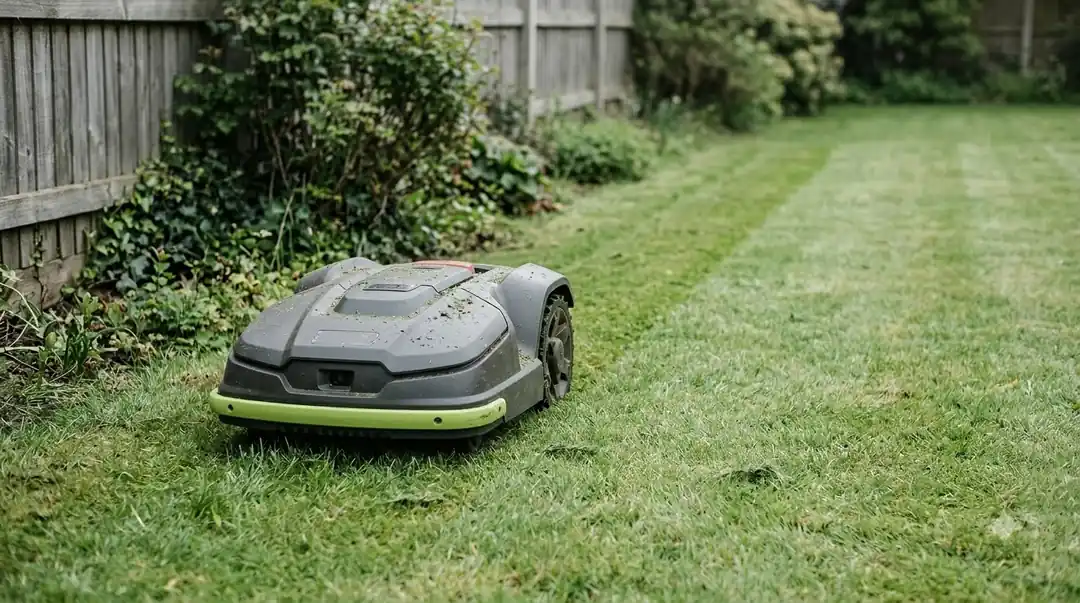
Swapping a worn cutting disc guard takes only a few minutes with basic hand tools once you power down the machine safely.
- Power off and disable the mower. Turn off the main power switch, activate any safety disabling key, and remove the battery pack if your model uses a removable battery.
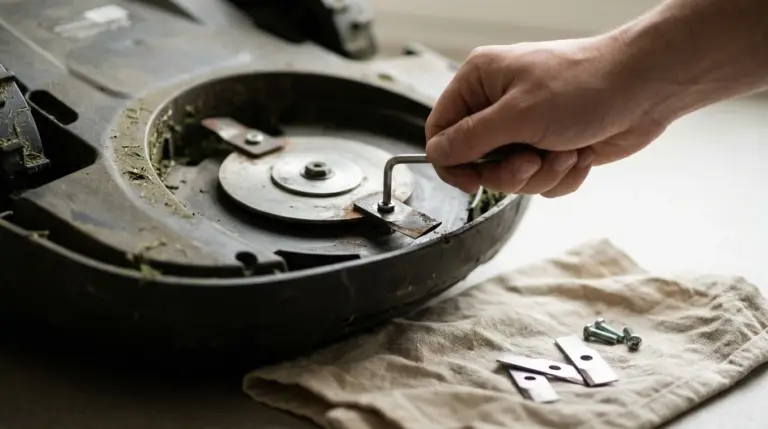
- Wear protective gloves and flip the chassis. Put on thick work gloves to protect your hands from sharp blades, then place the mower upside down on a soft towel or cardboard sheet to avoid scratching the top cover.
- Remove the center fasteners. Use the appropriate screwdriver—such as a T20 Torx driver on many Husqvarna models—to remove the screws securing the guard and bearing cover.
- Clean the hub and inspect the bearing. Brush away packed dirt, dried grass, and small pebbles from the bearing holder, and spin the bearing by hand to confirm it turns smoothly without grinding.
- Mount the new guard and check rotation. Seat the replacement plate flush against the bearing holder, tighten the screws evenly, and spin both the guard and the blade disc by hand to verify they rotate independently without rubbing.
Between replacements, clear loose stones from the yard before mowing, as recommended by the Texas A&M AgriLife Extension Service lawn maintenance safety guidelines. Wiping dirt off the guard every week and raising the cutting height slightly during dry spells also reduces rock strikes across uneven turf.
Frequently asked questions
Can I use a stainless-steel aftermarket skid plate instead of an aluminum OEM plate?
Yes, as long as the diameter, thickness, and screw hole spacing match your mower’s original specification. Check that the plate spins freely on the bearing and clears the blades by several millimeters before starting a mowing cycle.
How often should I inspect the cutting disc guard on a rocky lawn?
Inspect the guard once a week during the active mowing season, and check it immediately if you hear rattling or scraping noises. Replace the plate as soon as you spot bent edges, deep gouges, or cracks that throw the disc off balance.
Why does my replacement guard stop spinning freely?
Fine grit, wet grass clippings, or a dented edge usually jam the gap between the guard and the blade disc. Remove the center screws, clean out the bearing housing, and verify that the plate was not over-tightened against the hub.
Does raising the cutting height reduce guard damage on rocky yards?
Yes, raising the cutting deck increases ground clearance so the guard passes over small pebbles and surface roots without making contact. Setting a higher cut is especially helpful on newly seeded or frost-heaved lawns.
Sources
- Skid plate spare parts specifications (Husqvarna): referenced for genuine skid plate part numbers, diameters (191 mm and 211 mm), and cutting-system protection purpose.
- Change the skid plate on Husqvarna Automower 310, 315 and 315X (GPLshop Help Center): referenced for T20 Torx tool requirements, disassembly steps, and imbalance symptoms from warped plates.
- Mammotion LUBA 3 AWD Guides & Tutorials (Mammotion): referenced for blade guard bracket inspection and replacement procedures.
- Lawn Maintenance Safety (Texas A&M AgriLife Extension Service): referenced for pre-mowing rock removal and power-off safety practices before servicing mower blades.
 Up next10 min readGearBest Replacement Rubber Bumper Strip for Brick Walls: Materials, Fit, and CareUpdated Nov 19, 2026
 7 min readGearRobot Mower Spare Cutting Disc: When to Replace and HowUpdated Nov 20, 2026
 6 min readGearRobot Mower Tree Root Guard: Protecting Exposed Roots and Tree BasesUpdated Nov 20, 2026
 6 min readGearRobot Mower Garden Hose Guard: Keeping a Hose Out of the Mower PathUpdated Nov 13, 2026
 6 min readGearLymow Blades: Which Replacement Fits Your MowerUpdated Nov 20, 2026
 7 min readGearWorx Landroid Replacement Blades: Pack, Timing, and FitUpdated Nov 20, 2026