
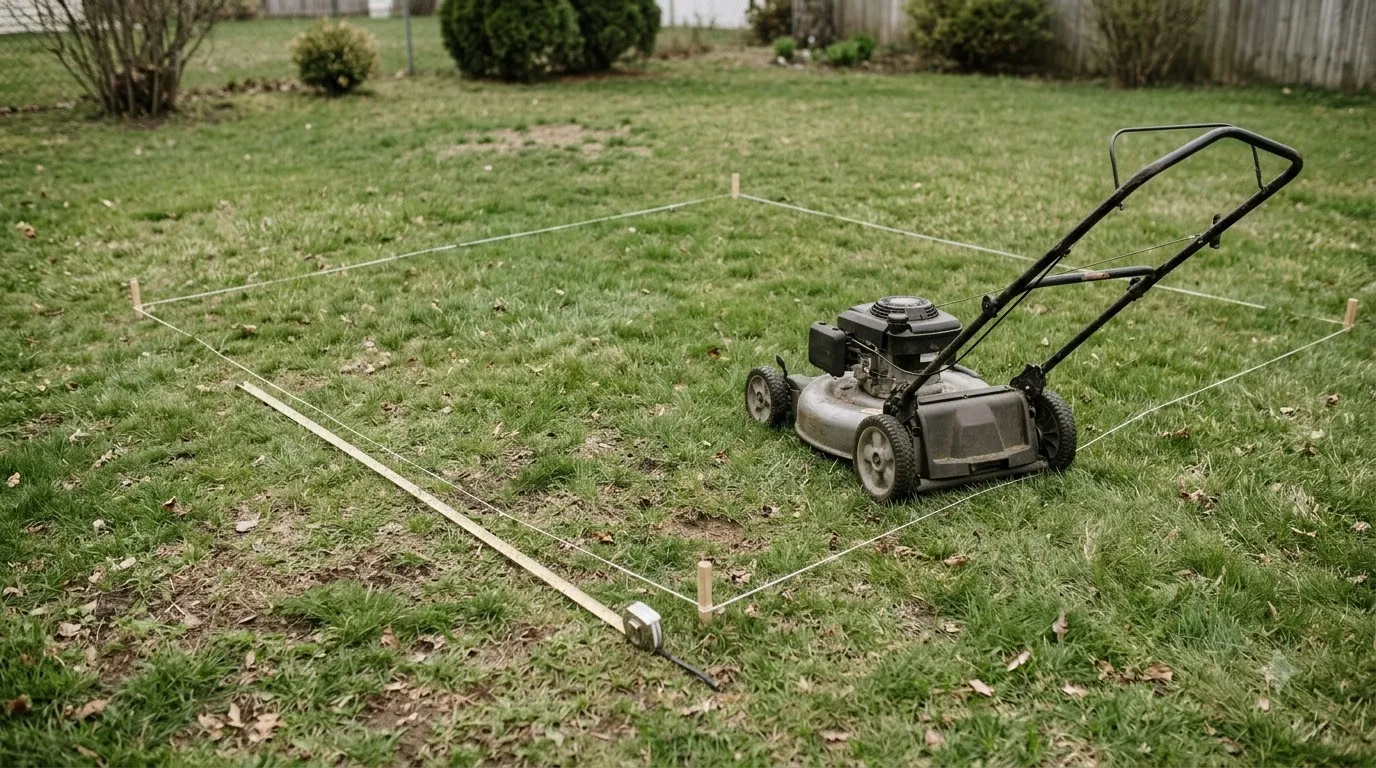

Selecting the best robot lawn mower for commercial hoa common areas requires matching autonomous navigation, turf height capabilities, and fleet management software to the specific layout of your neighborhood grounds. Because homeowners associations manage diverse spaces ranging from open clubhouses to shaded pocket parks and sloped retention ponds, no single machine fits every community layout. Evaluating wire-free positioning, multi-zone routing, and theft deterrence ensures your board or landscape contractor invests in reliable equipment rather than creating new maintenance headaches.
The short answer
- Navigation system: Real-Time Kinematic (RTK) GPS works best for wide, open athletic fields or parkways, while LiDAR and optical vision prevent signal dropouts under dense tree canopies or near tall brick walls.
- Turfgrass compatibility: Verify that the cutting deck reaches at least 2.5 to 4 inches if your HOA maintains warm-season grasses like St. Augustinegrass or bahiagrass.
- Multi-zone transit: Look for models capable of following virtual transport paths across concrete sidewalks and paved cart paths without spinning blades.
- Fleet and security controls: Commercial units should include cellular connectivity, GPS geofencing, PIN locks, and centralized dashboard tracking for multiple machines.
- Site infrastructure: Account for weatherproof charging station placement, lightning protection, and raised concrete edging adjustments before deploying autonomous units.
Evaluating navigation systems for complex community layouts
Choosing the right positioning technology determines whether an autonomous mower completes its route or stalls behind clubhouse walls and mature oak trees.
Traditional boundary wire systems rely on a low-voltage electrical loop pegged or buried along the lawn perimeter. While immune to satellite signal loss under heavy foliage, physical wires are vulnerable to damage from landscape aeration tools, edging equipment, and burrowing animals. Repairing a single break across several acres of HOA turf requires tracing the signal and splicing the cable, and any future landscaping changes force crews to re-lay sections of wire.
Wire-free navigation has become the standard for commercial grounds maintenance, led by Real-Time Kinematic (RTK) GPS. RTK systems pair satellite positioning with a fixed local reference station to achieve centimeter-level accuracy, allowing mowers to cut in systematic straight lines rather than random bounce patterns. According to Navimow’s navigation comparison guide, RTK excels on large, open lawns with minimal tree cover because it supports virtual boundaries and app-controlled multi-zone mapping. However, dense tree canopies, tall perimeter walls, and narrow corridors between townhomes can block satellite line-of-sight.
To prevent signal interruptions in shaded courtyards, commercial buyers increasingly look for hybrid systems that combine RTK with LiDAR or optical vision cameras. LiDAR fires laser pulses to build a real-time 3D map of surroundings, allowing the mower to maintain its course and detect obstacles such as benches, playground equipment, and pedestrians even when satellite reception drops.

| Navigation technology | Best HOA zone type | Primary advantage | Main operational risk |
|---|---|---|---|
| Boundary wire | Small, heavily shaded courtyards | Unaffected by trees or tall walls | Wire breaks from aerators or edgers |
| RTK GPS | Open parks, entrance medians, clubhouses | Systematic striping and easy map edits | Signal loss under dense tree canopies |
| LiDAR and vision hybrid | Mixed-use paths, playgrounds, wooded edges | Real-time obstacle avoidance without sky view | Higher hardware complexity and sensor cleaning |
Matching cutting decks and turf specs to regional grass varieties
A commercial robot mower must accommodate the specific grass species, growth rates, and terrain grades found across your association’s common grounds.
Unlike traditional rotary mowers that slice off large amounts of growth once a week, autonomous mowers use small, razor-sharp pivoting blades—often under 1.5 inches long—on a spinning disk to perform frequent micro-cutting. Research published by the University of Florida IFAS Extension notes that frequent micro-cutting produces cleaner cuts that reduce leaf yellowing and turf stress while increasing overall grass density. However, the same extension guidance highlights a critical specification trap for southern HOAs: many robotic mowers were originally engineered for cool-season grasses cut below 2.5 inches, whereas warm-season turf like St. Augustinegrass requires cutting heights between 2.5 and 4 inches.
Beyond cutting height, evaluate slope ratings and acreage capacity carefully. Manufacturer coverage ratings assume continuous operation under ideal conditions, so commercial grounds managers typically size a unit—or a coordinated fleet of smaller units—with a buffer to account for rain delays and daytime resident activity. If your HOA maintains sloped drainage basins or retention pond banks, verify the mower’s maximum incline rating, which ranges from roughly 35 percent on standard commercial models up to 50 percent on all-wheel-drive units.
Heads up
Frequent autonomous mowing encourages denser turf that suppresses many broadleaf weeds, but University of Florida turfgrass researchers note that low-growing creeping weeds such as clover can still spread if boards neglect seasonal broadleaf management.
Managing multi-zone transit, safety sensors, and resident schedules
HOA common areas are rarely a single contiguous lawn, meaning your mower must safely cross hardscapes and coexist with residents, pets, and irrigation cycles.
Sidewalks, asphalt walking trails, and concrete driveways often divide neighborhood greenbelts. Commercial models solve this through virtual transport paths—programmable corridors where the mower disengages its cutting blades, navigates across pavement from one turf zone to the next, and resumes mowing upon reaching the grass. Before selecting a model, confirm whether it can cross flush concrete curbs independently or if grounds crews will need to install small transitional ramps at high curb lips.
Because residents and pets use common areas unpredictably, multi-layered obstacle detection is non-negotiable. Basic bump sensors are insufficient for public spaces; look for ultrasonic radar, LiDAR, or AI vision cameras capable of slowing the machine and steering around stationary objects or living beings before physical contact occurs. Quiet operation—typically between 58 and 65 decibels—also allows HOAs to schedule mowing during early morning or evening hours without violating community noise ordinances, freeing up daytime hours for residents and keeping mowers out of the path of scheduled pop-up sprinkler cycles.

Fleet telemetry, security, and ongoing maintenance demands
Deploying autonomous mowers across a neighborhood shifts crew hours from repetitive seat time to equipment oversight, software monitoring, and detail trimming.
When evaluating commercial platforms, inspect the fleet management portal rather than just the mower hardware. Property managers and landscape contractors need remote visibility into battery state-of-charge, completed coverage maps, and error alerts across every unit on the property. Built-in cellular connectivity (4G/5G) ensures telemetry stays active even in parkways far from clubhouse Wi-Fi networks.
Security and routine maintenance also require clear protocols before deployment:
- Configure anti-theft controls. Require PIN-code access, lift-and-tilt alarms, and GPS geofencing that locks the drive motors and alerts administrators if a unit leaves property boundaries.
- Establish a blade swap schedule. Small pivoting blades dull quickly on tough commercial turf; plan to replace blade sets every four to eight weeks during peak growing seasons to maintain clean cuts.
- Clean chassis and optical sensors. Schedule biweekly undercarriage washdowns to prevent wet grass buildup from straining drive motors, alongside regular wiping of LiDAR lenses and ultrasonic sensors.
- Protect charging stations from environmental hazards. Anchor base stations in shaded, well-drained locations with surge or lightning protection, and inspect electrical housings regularly for fire ant or insect intrusion in warmer climates.
What to check before you buy
Conducting a thorough site audit before signing a purchase order or vendor contract prevents costly mismatches between hardware specs and real-world neighborhood terrain.
Walk every common area with your landscape committee or contractor and document the following site conditions before requesting commercial quotes:
- Overhead canopy and building shadows: Map areas where mature trees or multi-story townhomes block open sky, ensuring your chosen mower uses LiDAR or vision backup rather than relying solely on RTK satellite reception.
- Hardscape transitions and gate widths: Measure the narrowest passages between fenced amenities and check curb heights along sidewalks where the mower must travel between turf zones.
- Turf species and deck height range: Confirm the maximum blade height adjustment matches your grass variety’s agronomic requirements, especially for St. Augustinegrass, zoysiagrass, or tall fescue.
- Edge trimming expectations: Raised concrete borders and masonry walls leave an uncut strip of grass that autonomous decks cannot reach; verify whether lowering stone borders or budgeting for weekly string-trimming crew visits fits your maintenance plan.
- Power access and local dealer support: Identify accessible 120-volt outdoor outlets for charging stations and confirm that an authorized commercial service dealer operates locally for warranty repairs and winter battery servicing.

Frequently asked questions
Can one robot lawn mower handle multiple separated HOA common areas?
Yes, provided the zones are connected by flush sidewalks, paved paths, or traversable turf strips and fall within the unit’s total acreage capacity. Modern wire-free commercial mowers use virtual transport paths to turn off their blades, cross concrete walkways, and mow separate zones on independent schedules, though properties separated by busy public roads require separate units.
How do commercial robot mowers avoid hitting sprinklers, pets, or residents?
Commercial models combine physical lift sensors with active detection systems such as ultrasonic radar, LiDAR, or AI vision cameras to detect people, animals, and objects in their path and steer around them. To prevent damage to pop-up irrigation heads, HOAs should program mowing schedules to run outside automated watering windows and verify that sprinkler heads sit flush with the soil when retracted.
Do robot mowers eliminate the need for human landscaping crews in an HOA?
No, autonomous mowers automate routine turf cutting but do not replace human groundskeepers. Crews are still needed for string trimming along fences and raised beds, blowing clippings off hardscapes, pruning shrubs, managing weeds and fertilization, and performing routine mower blade changes and sensor cleanings.
How are commercial robot mowers protected against theft in public neighborhood spaces?
Commercial units incorporate multiple security layers, including PIN-protected control panels, loud audible alarms if lifted, cellular GPS tracking, and virtual geofences. If a mower is carried outside its designated HOA map, the system automatically disables operation, triggers instant smartphone alerts to property managers, and broadcasts its live location.
Sources
- Autonomous or Robotic Mower Use on Florida Lawns (University of Florida IFAS Extension): Turfgrass cutting heights, micro-cutting health effects, blade replacement intervals, and operational hazards like irrigation heads and fire ants.
- Boundary Wired, RTK or Lidar Robot Mower – Which is Best? (Navimow): Navigation technology trade-offs across tree canopy coverage, systematic mowing patterns, and multi-zone virtual pathways.
- Robotic Lawn Care Solutions for Property Management Companies (Oxmaint): Commercial decibel levels, maintenance schedules for blades and sensors, and fleet telemetry workflows.
- Robotic Mowers (Kansas State University Turfgrass Research): Reference station satellite control and multi-unit commercial turf deployment insights.
 Up next7 min readBest Robot MowersBest Wire-Free Robot Mower Under $2000: Slope, Area and Running CostsUpdated Nov 14, 2026
 7 min readBest Robot MowersBest Robot Lawn Mower for HOA Neighborhoods: What to CheckUpdated Nov 11, 2026
 8 min readBest Robot MowersRobot Lawn Mower HOA Rules: What Your Association Can and Cannot EnforceUpdated Nov 11, 2026
 10 min readBest Robot MowersHow to Choose the Best Robot Lawn Mower with Dual-Band RTK and SLAM NavigationUpdated Nov 19, 2026
 9 min readBest Robot MowersHow to Choose the Best Robot Lawn Mower With Automatic Rain-Forecast SchedulingUpdated Nov 19, 2026
 8 min readBest Robot MowersHow to Choose the Best Robot Lawn Mower with Automatic Height Adjustment in AppUpdated Nov 19, 2026