
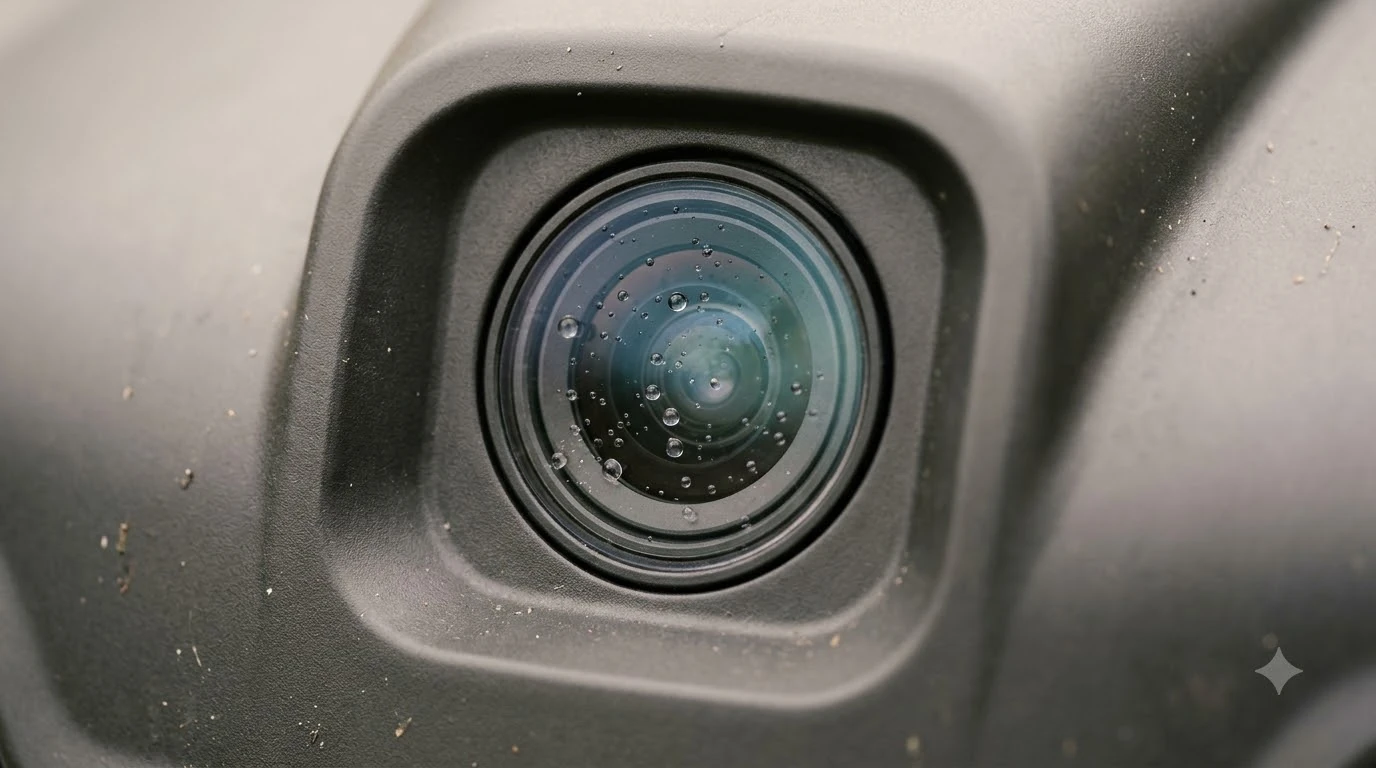

Yarbo vs Mammotion comes down to one question: do you want a modular yard robot or a dedicated mower? Yarbo’s Core with its Lawn Mower Module is one attachment on a multi-tool platform. The Mammotion LUBA 3 AWD is a mowing-only robot. Most figures below are vendor claims, and we flag where the pages we read leave out test conditions.
The short answer
- Yarbo vs Mammotion depends on scope. Pick Yarbo for a multi-tool yard robot, or the LUBA 3 AWD for a mowing-only machine.
- Pick Yarbo if you want one machine for mowing and other yard jobs, and you can keep its RTK base station clear of tall trees and buildings.
- Pick the LUBA 3 AWD if you want a mowing-only robot with LiDAR navigation and no base station to place.
- Check the security record first for Yarbo, since fleet-level flaws were reported in May 2026 and the vendor has described fixes.
What each product is
Yarbo is a multi-tool platform, and the mower is one attachment on the Core, so its mowing claims apply only to that combination. The Core can take other modules, which is the main reason buyers consider it instead of a single-purpose mower. Any comparison with the LUBA 3 AWD has to account for that difference in scope.
The LUBA 3 AWD is a dedicated robot mower from Mammotion. Its marketing centers on navigation and cutting width, and it does not sell a multi-tool platform in the pages we read. For a buyer who only wants grass cut, that focus can be an advantage, since the whole design is built around one job.
Specs side by side
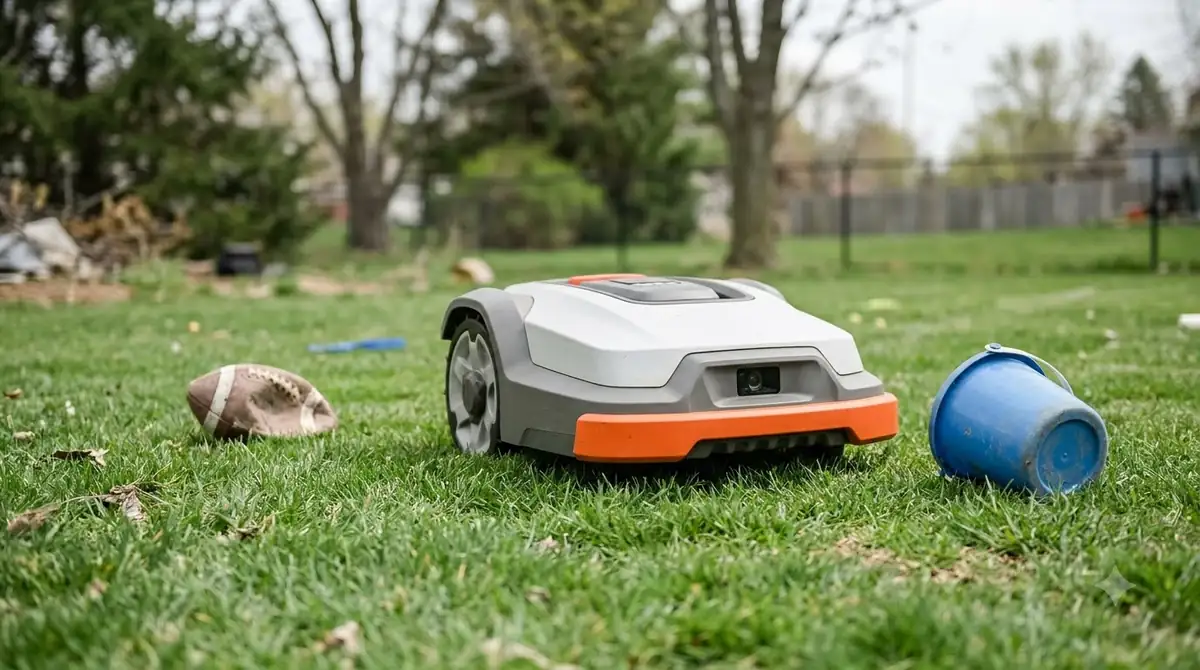
On the published figures, the LUBA 3 AWD lists a 400 mm (15.7 in) cutting width, while Yarbo lists 20 inches. The two vendors do not publish their figures under the same conditions, so treat each row as a claim from that brand rather than a measured result.
| Feature | Yarbo Core with Lawn Mower Module | Mammotion LUBA 3 AWD |
|---|---|---|
| Cutting width | 20 inches (vendor page) | 400 mm (15.7 in), two 165 W motors |
| Cutting height | 1.2 to 4 inches (vendor page) | Flexible, range not stated on the page we read |
| Navigation | RTK GPS with vision, IMU and odometry fallback | 360-degree LiDAR, NetRTK and dual-camera AI vision |
| Base station | RTK base mounted at least 2 m (about 6.5 ft) off the ground (Yarbo’s recommendation) | None; NetRTK connects through the iNavi Service |
| Rated coverage | Up to 6 acres (vendor claim) | Up to 1500 m2 (0.37 acre) for the 1500(H) variant |
| Max slope | Up to 35 degrees (vendor claim) | 80% grade, about 38.6 degrees (vendor claim) |
| Runtime | Not stated on the pages we read | Up to 215 minutes per charge |
Coverage and slope claims
Yarbo states that the Core with the module covers up to 6 acres, and the LUBA 3 AWD page lists 0.37 acre for the 1500(H) variant. The two numbers are not like-for-like, so a Yarbo vs Mammotion coverage claim needs the variant named, because the Mammotion figure is for one variant and Yarbo’s is for its module setup. Our reading is that variant choice matters more than the brand name here.
Neither vendor’s page describes how it tested coverage, such as the grass type, the cutting cycle or the terrain. Yarbo’s slope article gives 35 degrees in one place and a 70% gradient in a table, while its FAQ says nearly 34 degrees, so the Yarbo figures do not fully agree with each other. Read the Yarbo slope and coverage article before you rely on either number.
Navigation: RTK, LiDAR and fallback
In the Yarbo vs Mammotion navigation question, Yarbo relies on RTK GPS, with vision, IMU and odometry as fallback, and its own blog says RTK precision can drop momentarily under tall trees, near buildings or in variable weather. Yarbo’s setup page recommends mounting the base station at least 2 m (about 6.5 ft) off the ground, and the RTK reliability article cites user reports that moving the base even a few inches means re-mapping the lawn. For background, see what an RTK base station does.
The LUBA 3 AWD combines a 360-degree LiDAR with NetRTK and dual-camera vision, and its product page says it needs no RTK base or antenna. That design avoids base placement, but it depends on the iNavi network service for positioning; our note on an RTK network service for a robot mower without a base station explains the trade-off. Our reading is that a yard with heavy tree cover pushes the choice toward the design that does not rely on a fixed base. See also RTK versus LiDAR for how the two approaches differ.
Security and connectivity
Yarbo fleet security flaws were reported in May 2026, and the vendor has described fixes for them. Malwarebytes reported a hardcoded root password shared across the fleet, a persistent remote tunnel and retrievable Wi-Fi credentials. Yarbo says it temporarily disabled the remote diagnostic tunnels, reset root passwords and locked down unauthenticated endpoints, and has promised unique per-device credentials. For our own look at the product, see the Yarbo robot mower review.
Heads up
The security reports describe the Yarbo fleet as of May 2026. We found no independent test data for the LUBA 3 AWD in the sources we read, which is not the same as a clean security record. Check each vendor’s current update history before you buy.
The LUBA 3 AWD has built-in 4G with three years of free data, after which a paid plan applies. Mammotion’s 4G guide says the mower keeps working without a subscription, but remote access and live streaming stop. Owners who want remote control should compare that ongoing cost against the Yarbo remote features, and our overview of robot mower subscription fees shows how plans usually work.
Yarbo vs Mammotion: who each option suits
Yarbo fits a buyer who wants one yard robot for several jobs and can manage RTK base placement and home network security. The LUBA 3 AWD fits a buyer who wants a mowing-only machine that needs no base station and accepts a paid connectivity plan after the first three years.
- Choose Yarbo if you want more than mowing from one robot and have a clear view of the sky for RTK.
- Choose the LUBA 3 AWD if tree cover is heavy and you want LiDAR navigation without a base.
- Our reading: skip Yarbo if you cannot isolate the robot on a separate network.
- Skip the LUBA 3 AWD if you will not pay for 4G after the free period and need remote control.

What to check before you buy
Start by confirming the exact model and variant, because a Yarbo vs Mammotion comparison is only fair when both sides are described the same way. The LUBA line includes several models with different coverage ratings and the Yarbo figures apply to the Core with the Lawn Mower Module. Ask each seller which configuration the coverage and slope figures describe, because neither vendor page we read gives a test method.
Next, measure your own lawn. The Yarbo vs Mammotion choice usually turns on these checks. Note the largest slope, the amount of tree cover over the mowing area and whether you can place a base station at least 2 m (about 6.5 ft) high with a clear sky view. Those three checks decide most of the navigation trade-off in this comparison.
Finally, price the connectivity. The LUBA 3 AWD’s free 4G period runs three years, and the current plan prices are on Mammotion’s own pages, which change over time. Check the current update and security notes on Yarbo’s support pages before you connect either robot to your home network.
Frequently asked questions
Is Yarbo vs Mammotion a clear winner?
Neither is better on published figures alone. Yarbo is a multi-tool platform with the mower as one attachment, while the LUBA 3 AWD is a dedicated mower with LiDAR and NetRTK. The right choice depends on your yard, whether you want other tools and how much security risk you accept.
Which one climbs steeper slopes?
The vendors list up to 35 degrees for Yarbo and an 80% grade, about 38.6 degrees, for the LUBA 3 AWD. Neither vendor states test conditions on the pages we read, so measure your own slope and ask for the conditions before you buy.
Do I need an RTK base station for either one?
Yarbo uses an RTK base station, which its setup page recommends mounting at least 2 m (about 6.5 ft) off the ground. The LUBA 3 AWD uses NetRTK through the iNavi Service and needs no base or antenna, according to Mammotion’s product page.
Is the Yarbo mower safe to connect to my home network?
Security reports in May 2026 described serious flaws in Yarbo robots, so the Yarbo vs Mammotion decision includes network risk. Yarbo says it reset root passwords and has promised per-device credentials. Malwarebytes’ owner advice is to put such devices on a separate network and turn off remote access and cloud control you are not using.
Sources
- Yarbo blog on slope and coverage (Yarbo): vendor coverage and slope claims.
- Yarbo blog on RTK reliability (Yarbo): RTK fallback and loss conditions.
- Yarbo blog on RTK signal in your yard (Yarbo): base station mounting height recommendation.
- Mammotion LUBA 3 AWD product page (Mammotion): cutting width, navigation, runtime and coverage.
- Mammotion 4G service guide (Mammotion): free period and what stops without a subscription.
- Malwarebytes report on Yarbo robot flaws (Malwarebytes): security flaws, vendor response and owner advice.
 Up next8 min readReviews & CompareYarbo Robot Mower Review: What the Evidence SaysUpdated Nov 14, 2026
 9 min readReviews & CompareMammotion YUKA vs LUBA: Which Series Fits Your Yard?Updated Nov 16, 2026
 9 min readReviews & CompareMammotion vs ECOVACS: Warranty, Connectivity and Yard FitUpdated Nov 12, 2026
 7 min readReviews & CompareMammotion LUBA 2 AWD Lawn Size: Which Model Fits Your YardUpdated Nov 17, 2026
 7 min readReviews & CompareLymow vs Mammotion: Which Robot Mower Design Fits Your YardUpdated Nov 18, 2026
 7 min readReviews & CompareBest Alternative to Mammotion Luba: How to Choose by YardUpdated Nov 11, 2026