
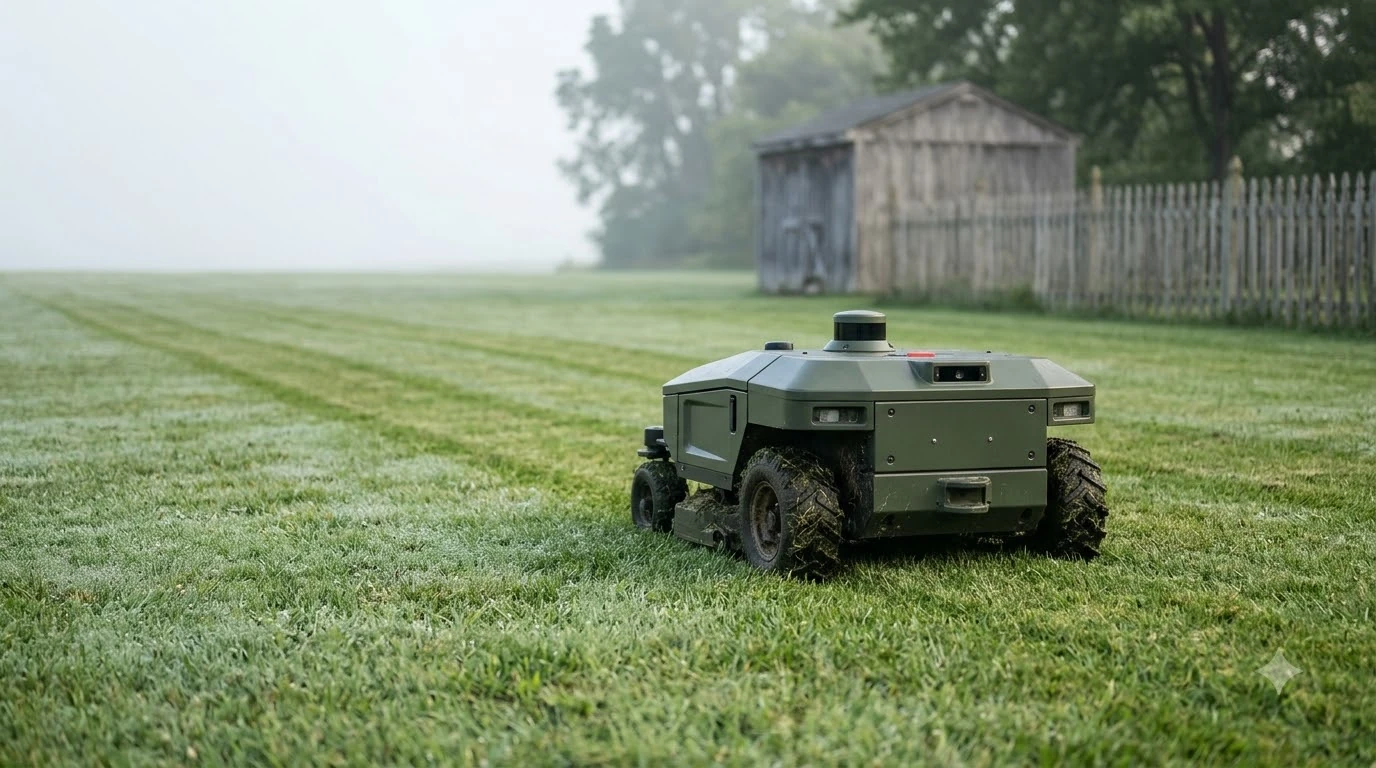

Mammotion Yuka mini review: the Yuka mini is a good fit for a small, simple yard that needs no boundary wire, but the name covers two different machines. The Mini 600 is limited to about 0.15 acre and relies on AI vision. The mini 2 1000H covers about 0.25 acre and adds 360-degree LiDAR. This review checks each model against the published specs and independent reviewer tests, so you can match the machine to your lawn before you buy.
The verdict in brief
- Best for: a small, open lawn with few tight edges and no wish to lay a boundary wire.
- Mini 600: up to about 0.15 acre, AI vision navigation, may struggle on very uneven ground.
- Mini 2 1000H: up to about 0.25 acre, 360-degree LiDAR plus AI vision.
- Skip it if you need a large lot, steep hills, or a mower that handles heavy leaf loads without help.
Mammotion Yuka mini review: which model are you looking at?
Mammotion uses the word “mini” for more than one robot, so check the model number on the box or the product page before comparing reviews. Mammotion’s own guide to robot mowers under $1,000 lists the Mini 600 with coverage up to about 0.15 acre and the mini 2 1000H with coverage up to about 0.25 acre. Those coverage figures are the most useful number to start with, because they set the limit for the whole machine. A condensed list of Yuka Mini strengths and weaknesses is available if you prefer a quick summary of this review. The model name changes between listings, so also read the Mammotion Yuka Mini 2 review to check which version you are looking at. To decide between sizes, see standard YUKA versus the Mini on coverage and cutting range.
The Yuka 1500 and 2000 are separate models with their own spec sheet and should not be read as the mini. Keep that split in mind for every figure below.

Navigation: AI vision and no boundary wire
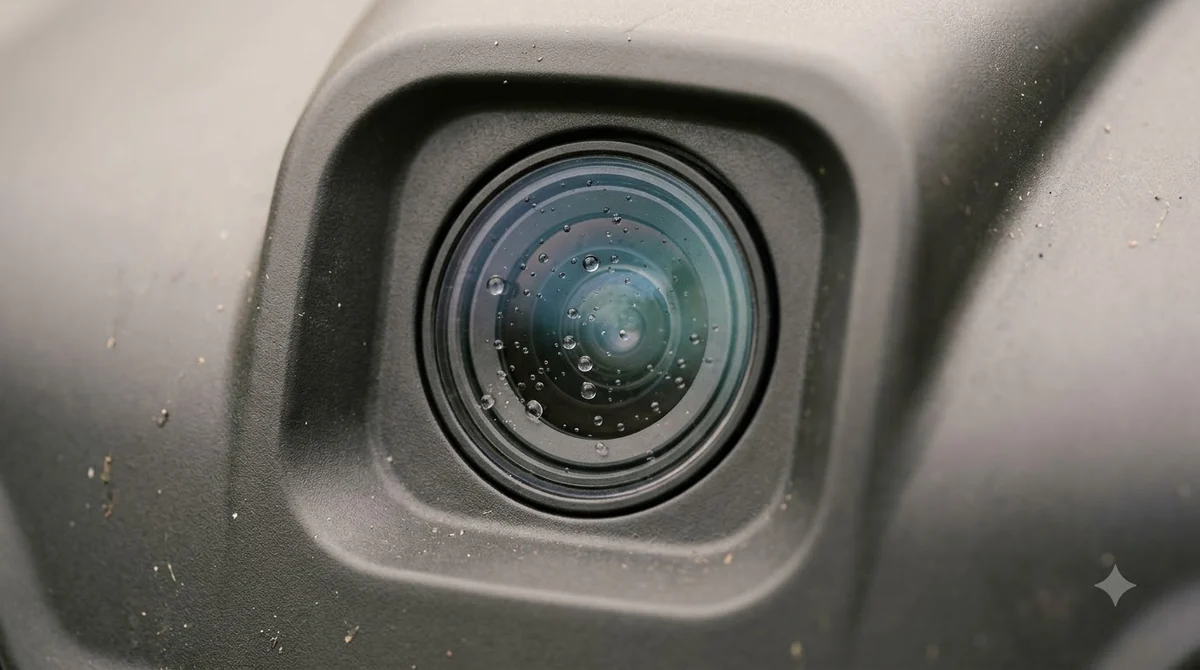
The Mini 600 uses UltraSense AI vision and needs no boundary wire, which is the main reason many buyers look at this class of mower. Mammotion’s material notes that it may not perform well on very uneven terrain, so a bumpy lawn is a real test before you rely on it. AI vision is shared across rivals, as Anthbot M9 compared with Yuka Mini shows for navigation.
The mini 2 1000H adds 360-degree LiDAR alongside AI vision. Mammotion lists both on the same product, which matters if your yard has tree shade, mixed lighting, or objects the camera can miss. The camera system is still the core of how these machines find their way, so keep the area clear of loose hoses, toys, and cords.
Slope: check the figure for your model
The Yuka mini product card lists a maximum slope of up to 45% (about 24 degrees), but that figure is not tied to the Mini 600 on the page. A reviewer ramp test of the Yuka 1000 and 2000 also reached 45%. The larger Yuka 1500 and 2000 spec sheet gives a different limit: 28 degrees without the sweeper, and 18% (10 degrees) with it. These are different machines, so do not transfer one figure to the other. Slope figures differ by model, so Yuka Mini against the Eufy E15 compares two small rivals.
For a practical check, measure your slope with the rise-over-run method and keep the steepest section well below the rated limit. Wet grass lowers grip, so plan around the dry-day figure. You can read the test details in Notebookcheck’s review, which covers the ramp test and sweeper behavior.
Pros
- No boundary wire on the Mini 600: setup is mostly about mapping the lawn, not running wire around it.
- Clear model split: the 0.15 and 0.25 acre limits are easy to match to a yard.
- Weather rating: the mower and dock are rated IPX6 on the spec sheet of the larger Yuka models, which covers heavy rain.
- Passage width: reviewers measured a passage of at least 100 cm, which is enough for most garden paths.
Cons
- Coverage ceiling: the Mini 600 is not built for a large lot, and the mini 2 1000H is still a small-yard machine.
- Uneven ground: Mammotion warns the Mini 600 may not perform well on very uneven terrain.
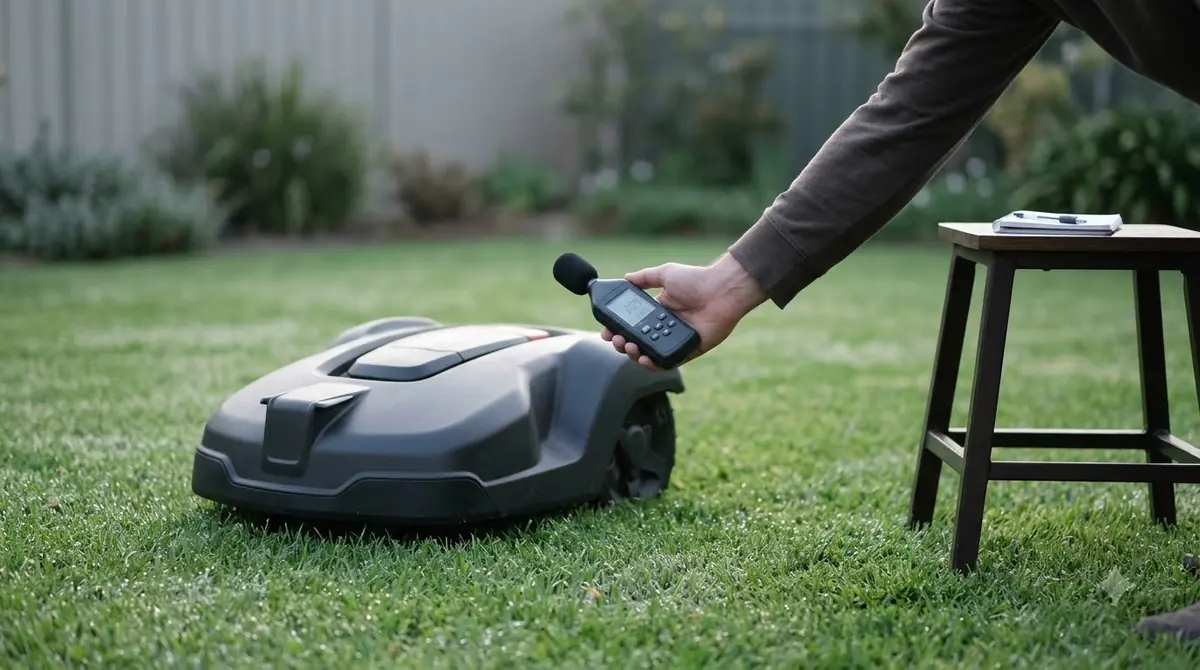
- Noise with the sweeper: a reviewer measured almost 70 dB with the sweeper running, so expect a noticeable sound during a session.
- Edges: the reviewer’s minimum edge distance was about 10 cm, or 11 cm on high edges, so plan for some hand trimming.
Is the sweeper worth it?
The sweeper is an add-on for leaves and clippings. In the Notebookcheck test, most leaves and clippings ended up in the catcher, but the deposit points sat far from the edge and the mower got stuck on a swing while carrying the catcher. That makes the sweeper useful on a lawn with a lot of leaf litter and less useful on a clean, open lawn. Cons from the spec sheet are only half the story, and Yuka Mini owner problems cover the field reports.
Think about the trade-off in weight, noise, and battery. The reviewer’s figure for battery life without the sweeper was about 230 square meters per charge, just under two hours. Adding a catcher lowers the battery budget, so match the sweeper choice to your actual leaf load.
What the software costs
The optional iNavi NetRTK plus Vision service was described as free until the end of 2025. Mammotion had not announced 2026 pricing when this review was written, so check the current terms before you count it into the purchase.
Who it suits
The Yuka mini suits a small, open yard that is mostly flat, with a few paths and no steep banks. It is a poor match for a large lot, for hills near the limit of the rated slope, or for a yard that needs heavy leaf collection. If your lawn is bigger than the rated area, step up to a larger model rather than pushing a small one to its limit.
Heads up
Prices change often, so this review does not list them. Confirm the live price, warranty, and software terms with the seller before you buy.
Related reads: If the Mini seems too small, see whether the larger YUKA is worth it for your yard.
Frequently asked questions
Is the Mammotion Yuka mini good for a small yard?
It can be, if the lawn is flat and under the rated area. The Mini 600 is limited to about 0.15 acre and the mini 2 1000H to about 0.25 acre, so measure before you choose a model.
Does the Yuka mini need a boundary wire?
The Mini 600 uses AI vision and needs no boundary wire, according to Mammotion’s material. Check the manual for the model you buy, because setup can differ between versions.
What is the maximum slope for the Yuka mini?
The product card lists up to 45%, about 24 degrees, but the figure is not tied to the Mini 600. The larger Yuka 1500 and 2000 sheet lists 28 degrees without the sweeper. Treat the lower figure as a safer planning number.
Is the sweeper worth buying?
Only if you have a lot of leaves or clippings to collect. The reviewer found most debris ended in the catcher, but the sweeper adds noise and reduces battery time.
Sources
- Mammotion (manufacturer): coverage, navigation, and the Mini 600 caveat on uneven ground.
- Mammotion support (manufacturer): spec sheet for the Yuka 1500 and 2000, including slope and IP ratings.
- Notebookcheck (independent review): ramp test, noise, passage width, and sweeper behavior.
 Up next7 min readReviews & CompareMammotion YUKA mini 2 Review: What the Published Specs ShowUpdated Nov 16, 2026
 12 min readReviews & CompareMammotion LUBA mini 2 AWD Review: Specs, Slope and Battery FactsUpdated Nov 16, 2026
 8 min readReviews & CompareMammotion LUBA 2 AWD Review: Specs, Slope Limits and What to CheckUpdated Nov 11, 2026
 7 min readReviews & CompareMammotion LUBA 2 AWD Lawn Size: Which Model Fits Your YardUpdated Nov 17, 2026
 7 min readReviews & CompareAnthbot M9 vs Mammotion YUKA Mini: What the Published Specs ShowUpdated Nov 15, 2026
 7 min readReviews & CompareMammotion YUKA vs YUKA Mini: Published Specs ComparedUpdated Nov 13, 2026