
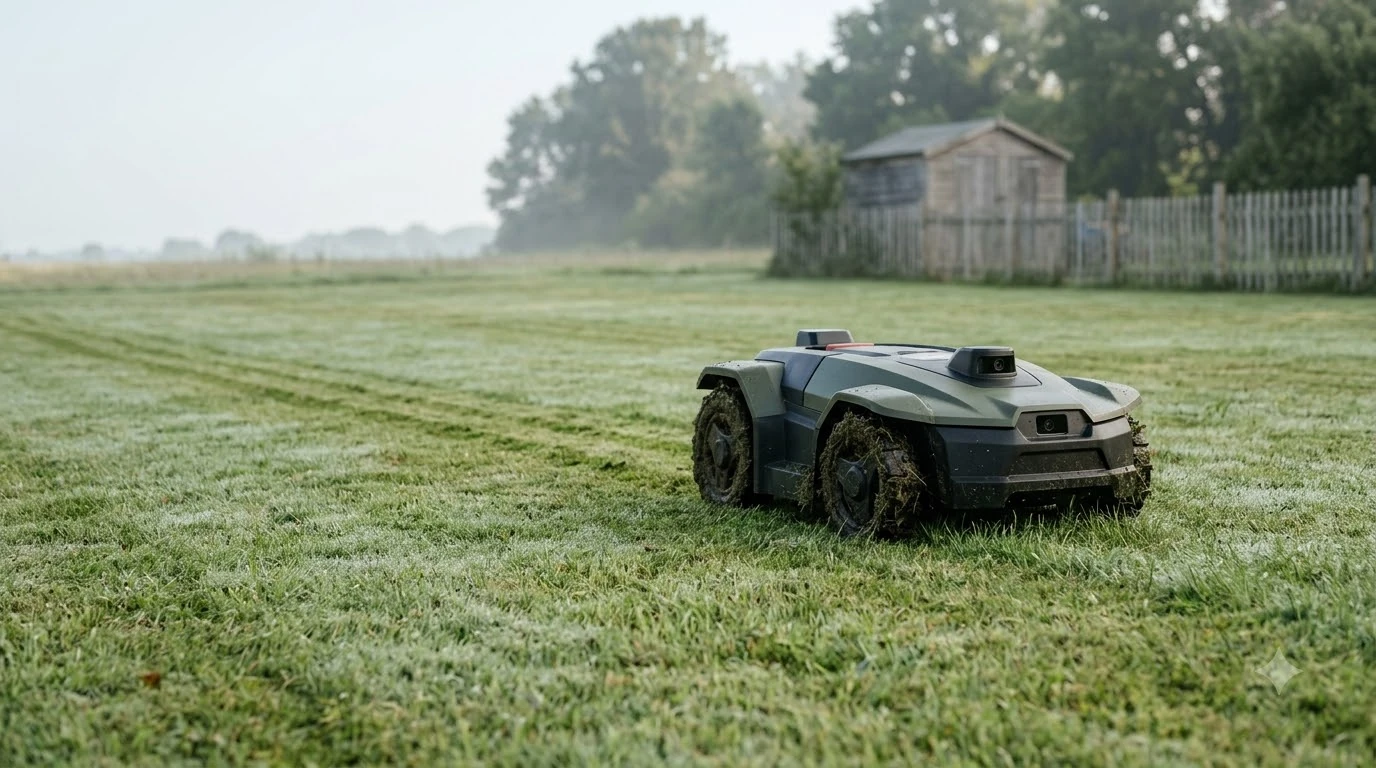

Is the Navimow i210 AWD worth it? Yes for a medium, wire-free lawn with some slopes, if the yard stays inside the rated area. The i210 AWD pairs all-wheel drive with RTK navigation and vision, so it does not need a boundary wire. It is a weaker buy for a very large lot, for steep banks near the rated slope, or for a yard that is mostly flat and small enough for a cheaper machine. This guide walks through the specs, the points where sources disagree, and what a hands-on test observed.
The short answer
- Good value when: the lawn is up to about 1,000 square meters, has some slopes, and you want no boundary wire.
- Check first: the rated area, since sources give 1,000 m² and 0.25 acre, which are close but not identical framings.
- Do not trust one slope number: the spec table lists 45%, while another listing gives 50%, and the hands-on reviewer did not test the top figure.
- Expect: wire-free setup with RTK and vision, plus a battery that ran for over 1 hour 30 minutes in one test.
Who the Navimow i210 AWD is for
The i210 AWD sits in the middle of Segway Navimow’s range. It is aimed at homeowners with a lawn that is too big for a small robot but does not need a commercial-grade mower. Its all-wheel drive is the main reason to consider it over a two-wheel model, because the extra traction helps on slopes and in soft, damp ground. The full spec list and reviewer quotes are in the Navimow i210 AWD spec review, which this verdict page draws from.
If your lawn has many narrow passages, islands, or tight corners, look at the cutting width and passage rules before you commit. A mower that is rated for a large area can still struggle with awkward shapes.
What the specs say, and where sources disagree
A detailed spec table from NeozOne lists the i210 AWD with a 45% (about 24 degree) maximum slope, a 12.3 kg weight, a 5.1 Ah battery with a 120-minute charge time, and IP66 water resistance. The same table gives an 18 cm cutting width and a 2 to 6 cm manual cutting height. Those numbers are useful, but other listings differ. One household robot page gives a 42 cm cutting width, a 30 to 100 mm height range, and a 50% slope. That conflict is worth settling on the manufacturer page before you buy.
Area is also framed two ways. The spec table recommends up to 1,000 square meters, and a retailer lists the model for about 0.25 acre. Both point to a yard of a few thousand square feet, but the exact fit depends on your shape and obstacles, so measure your lawn and leave margin.
Navigation: RTK and vision without a wire
The i210 AWD uses EFLS NRTK plus vision. The reviewer describes the RTK antenna as optional, so check whether your version includes it. The Vision Fence is a 140 degree field that the maker says can recognize more than 150 obstacle types. Those figures come from the manufacturer’s announcement, so treat them as the vendor’s claim. A direct rival comparison, Luba Mini 2 AWD versus i210 AWD, shows how another RTK-based system handles the same lawn.
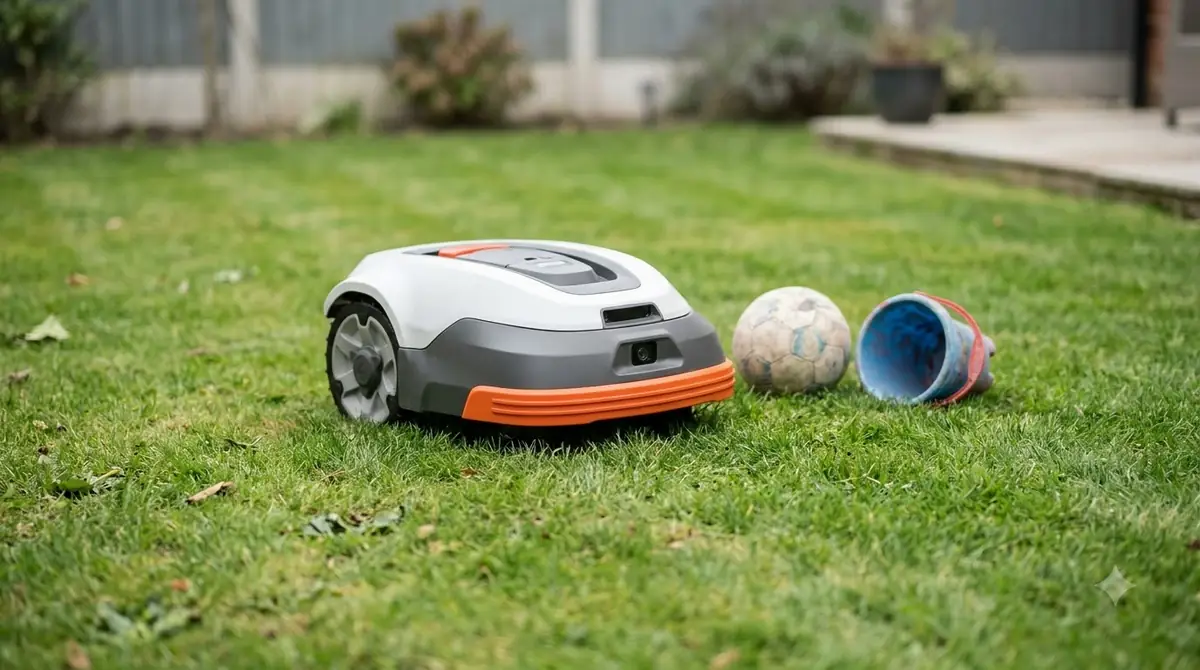
In the hands-on test, the mower avoided a hose and a toy, and it stopped for a passing animal. The reviewer used an animal mode that keeps about 1 meter of distance. Wire-free setup means you map the lawn in the app rather than burying cable, but sensors still need a clear view, so trim low branches and remove loose cords.
Is the Navimow i210 AWD worth it on slopes?
The 45% figure equals about 24 degrees. The reviewer did not test the full 45 degrees, so the number is a spec, not an observed result. The same product page shows a different limit on another listing, which is why you should plan around the lower value. If the i210 AWD seems underpowered for your lawn, the Navimow X3 worth-it verdict covers another model in the same line.
Slope is measured as vertical height divided by horizontal distance, times 100. Husqvarna’s support guidance describes steep areas as needing extra distance from the boundary and obstacles, a useful habit even on a wire-free machine. Keep the steepest section comfortably under the rated limit and avoid mowing wet slopes at full speed.

Mowing, battery, and noise
In the reviewer’s test, the mower ran for over 1 hour 30 minutes on one charge, which is a single observation rather than a long-term result. The battery is 5.1 Ah with a 120-minute charge time, so plan the schedule so the mower can finish between charges on a larger lawn. The Navimow i210 and Dreame A3 head-to-head tests the same claims against a LiDAR-based competitor. Decibel claims are hard to compare, and published noise levels for robot mowers gathers the figures in one reference.
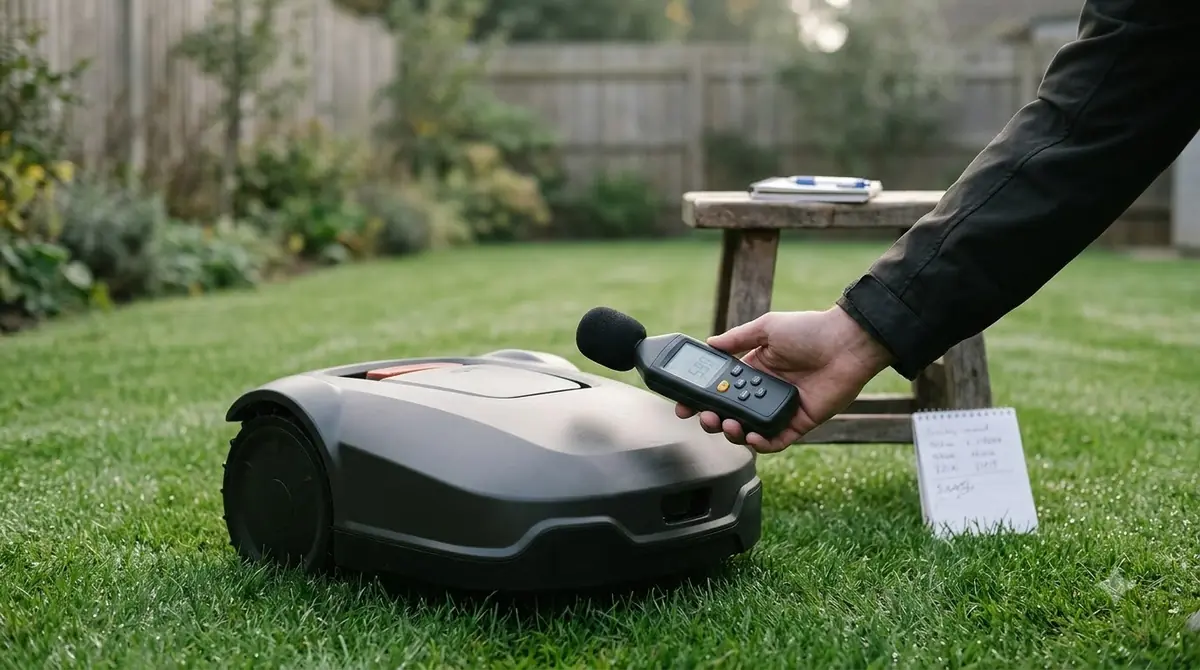
The spec sheet gives a noise rating of 59 dB, and a pros list in the same source shows 53.2 dB. The reviewer did not measure noise directly, so the two numbers should not be read as tested results. Expect a steady mowing sound, and check the reading against your own tolerance and your neighbors’ hours.
Turf quality after several days
The reviewer reported no circular marks or torn turf after several days on slightly damp ground. That is encouraging for an AWD machine, which can spin on soft soil, but it is one test on one lawn. Watch for wheel ruts on your own soil, especially near slopes, and widen the mowing pattern if you see them.
When it is not worth it
- Large lots: if the yard is well above the rated area, a bigger model fits better than pushing this one.
- Steep banks: a slope near the spec limit leaves little margin for wet or loose ground.
- Flat, small lawns: a simpler, cheaper model usually does the same job.
- Heavy leaf loads: this is a mowing robot, not a leaf collector, so plan separate cleanup in autumn.
Heads up
Do not confuse the i210 AWD with the i210 LiDAR Pro, which is sold under a similar name. Check the model number on the box before you compare reviews or specs. Buyers who rule out the i210 AWD often compare nearby Navimow models, for example in Navimow i110N against Eufy E15.
Related reads: If you are choosing between two siblings, Navimow i206 AWD versus i210 AWD lines up their motors, slope ratings and prices. If this model is not the right fit, alternatives to the Segway Navimow range lists comparable mowers from other brands.
Frequently asked questions
Is the Navimow i210 AWD worth it for a hilly lawn?
It can be, because the all-wheel drive helps on slopes and soft ground. Keep the steepest section well below the 45% spec figure, since the reviewer did not test the top limit.
Does the Navimow i210 AWD need a boundary wire?
The sources describe wire-free navigation using RTK and vision. Confirm the setup steps for your version in the manual, including whether the RTK antenna is included.
How big a lawn does the i210 AWD cover?
The spec table recommends up to about 1,000 square meters, and a retailer lists about 0.25 acre. Measure your lawn and leave room for obstacles and the mower path.
Is the i210 AWD loud?
The spec sheet gives 59 dB, while a pros list shows 53.2 dB, and the reviewer did not measure noise directly. Expect a steady mowing sound and check it against your own needs.
Sources
- NeozOne (independent hands-on review): spec table, navigation, battery, and obstacle observations.
- Abt (retailer): recommended area of about 0.25 acre for the I210 model.
- Husqvarna support (manufacturer): slope formula and guidance for steep areas.
 Up next7 min readReviews & CompareNavimow i210 AWD Review: Specs, Slope and Conflicts to CheckUpdated Nov 16, 2026
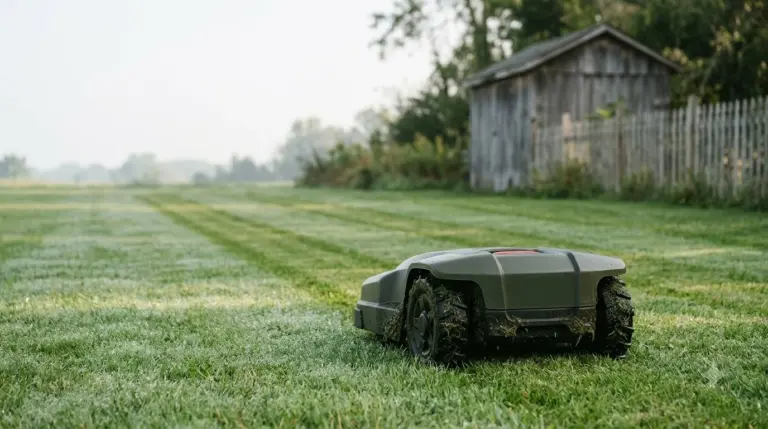 7 min readReviews & CompareIs the Mammotion LUBA 2 AWD Worth It? Slopes, Height and LimitsUpdated Nov 17, 2026
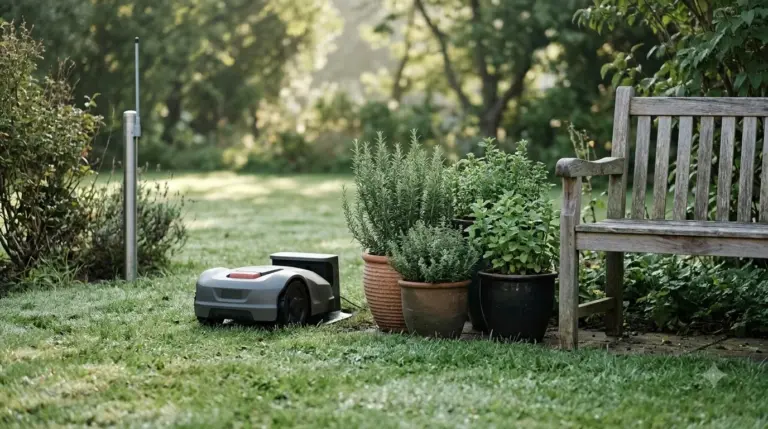 9 min readReviews & CompareNavimow i210 vs Dreame A3: Yard Size, Navigation and Slope ComparedUpdated Nov 12, 2026
 8 min readReviews & CompareNavimow i206 AWD vs i210 AWD: Which Model Fits Your YardUpdated Nov 16, 2026
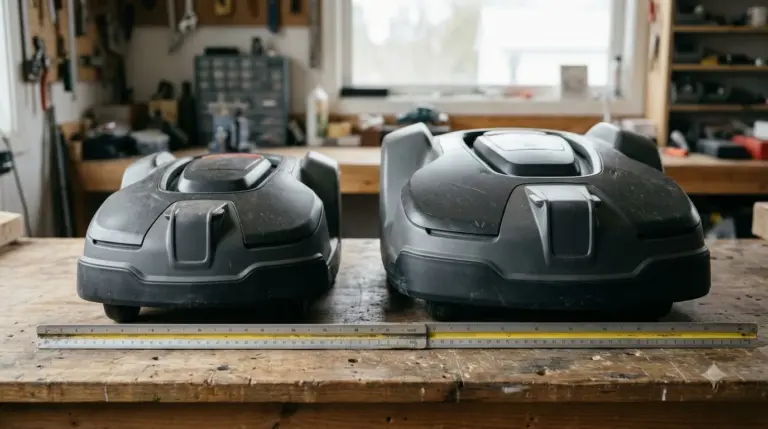 10 min readReviews & CompareLuba Mini 2 AWD vs Navimow i210 AWD: Specs ComparedUpdated Nov 16, 2026
 8 min readReviews & CompareMOVA LiDAX Ultra 3000 AWD Review: Specs and Slope LimitsUpdated Nov 16, 2026