
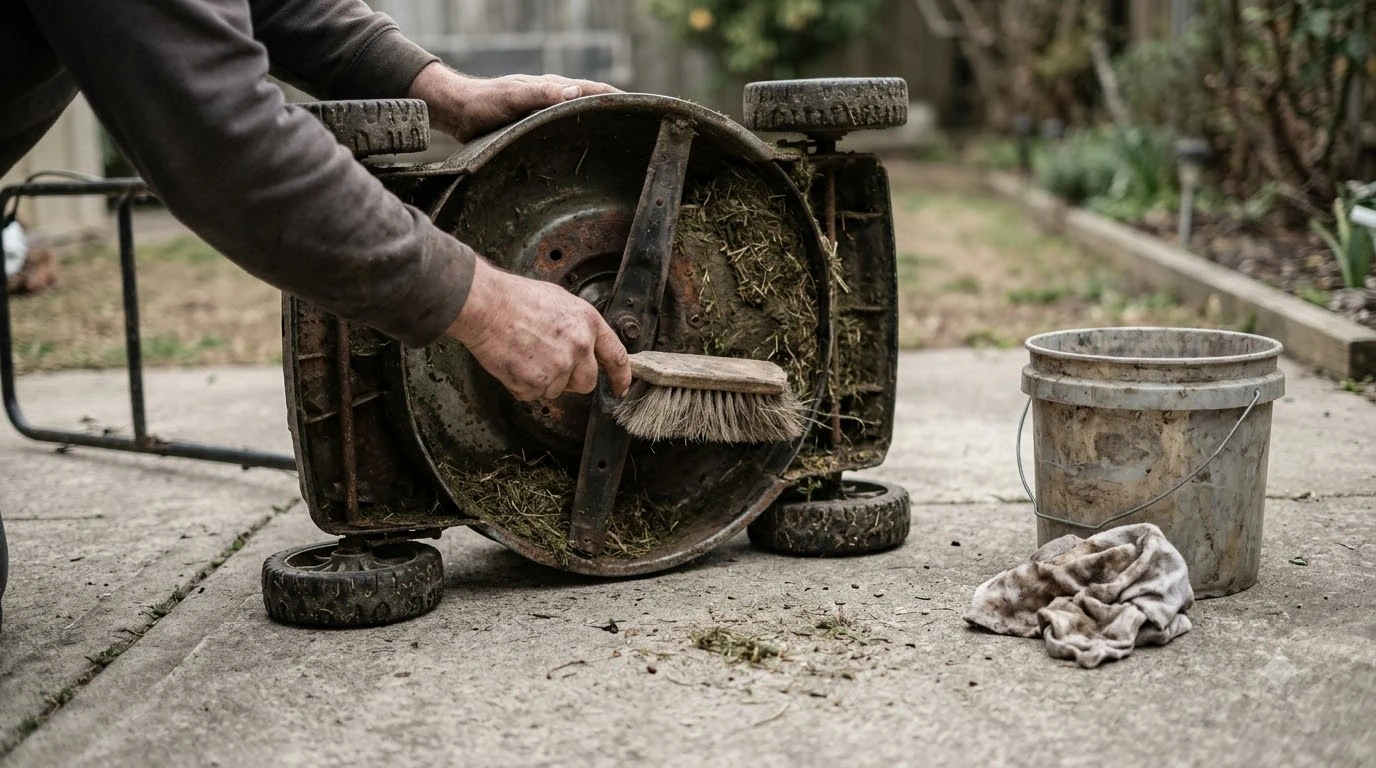

Robot mower grass catcher alternatives come down to four choices: keep clippings on the lawn, bag only on the days you need it, choose a model with an auto-dump station, or clean up by hand after heavy cuts. Most robot mowers are built to mulch rather than collect, so a catcher is rarely the default. Each option trades some lawn health, time, or convenience against the others. This guide explains what each one costs you and when it makes sense.
The short answer
- Mulching: the default. Finely cut clippings fall back into the lawn and break down, so no bag is needed.
- Bagging only when needed: use a bagging setup for wet, long, diseased, or seed-heavy grass, then switch back to mulching.
- Auto-dump station: some models empty their collection bag at a set site, which cuts down on manual emptying.
- Manual clean-up: rake or blow leftover clippings after an unusually heavy or wet cut.
- Mowing more often: shorter, more frequent cuts leave less material to clump, which helps mulching work.
Why most robot mowers mulch instead of bagging
A robot mower is designed to run on its own, often every day, and it is the grass cut from the lawn that decides whether it needs a bag. Mulching cuts the blades into fine pieces that drop between the grass blades, where they break down. End Quotes notes that finely cut clippings return nitrogen and other nutrients to the soil, which can reduce how much fertiliser a lawn needs. The same guide points out that this only works when the mower cuts often enough that clippings stay short. Collection is only one part of lawn upkeep, and lawn care tools for a robot-mowed lawn are covered in the aerator guide.
Bagging is the opposite job. It removes clippings from the lawn, which is useful in some seasons and not in others. Because most people run a robot mower on a schedule, the practical question is not whether a catcher exists for a given model, but which of the options below fits the grass you are cutting this week.
Option 1: Keep mulching and mow more often
The simplest of the robot mower grass catcher alternatives is to stop needing a catcher at all. Mulching works best when each cut removes only a small slice of the blade height, so the clippings are fine enough to disappear into the turf. End Quotes warns that infrequent mowing leaves long, clumpy clippings that sit on top of the grass and smother it. Mulching returns clippings to the soil, so fertilizer for a mulched lawn is worth discussing alongside it.
Anthbot recommends the one-third rule, removing no more than the top third of the grass in a single pass, and suggests mulching on dry days during the growing season. Its guide says a mower set to mulch about every two to three days is a reasonable pattern, while bagging may only need to happen about every six days. Those are the vendor’s suggested intervals, not independent test results, so check them against how fast your own grass grows.
Our reading is that more frequent short cuts are the cheapest of the robot mower grass catcher alternatives for most lawns that look messy after a robot mower runs. They cost nothing extra and avoid the bag, the emptying, and the extra blade change.
Option 2: Bag only when you need to
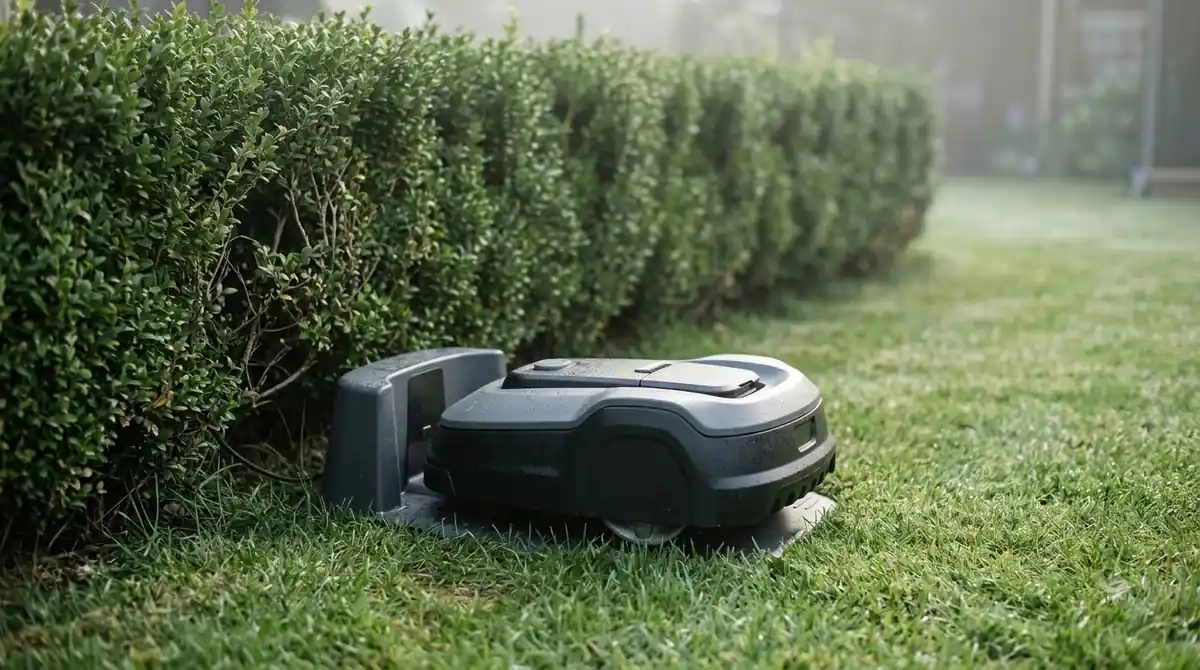
Some owners keep a bagging setup for specific jobs rather than running it all season. Anthbot says bagging suits long, wet, diseased, or weedy grass, the first and last mow of the season, and leaf clean-up. It also says mulching should make up most of the mowing, roughly 80 to 90 percent of the time, with bagging used for the rest. Bagging only occasionally means loose debris sometimes remains, and leaf blowers for lawn cleanup are one way to deal with it.
Switching is the main cost. The vendor describes a bagging mode that uses a different blade disc and a bag or deflector, so the switch is not just a matter of hanging a bag on the mower. Check how your model handles this before you decide to rely on it, and treat any listed bag capacity as a number to confirm with the manufacturer.
Option 3: Choose a model with auto-dump bagging
If you want the collection benefit of a catcher without emptying a bag by hand, a few robot mowers offer an auto-dump station. Anthbot describes its N Series as using a radar sensor to detect when the bag is full and then emptying it at a set site. This removes one of the biggest complaints about catchers, which is the need to stop and empty them several times a week.
Auto-dump systems are a larger purchase and need a clear spot for the station, so they fit best when clippings must be removed regularly. They do not change what happens to the grass itself, so the mulching advice above still applies on the days you do not bag.
Option 4: Clean up by hand after heavy cuts
A manual clean-up is the lowest-tech alternative, and it works well when a single cut leaves more clippings than the lawn can absorb. After a wet mow, a long-grass mow, or a spring cut during a seed-pod window, a leaf rake or a backpack blower can move the leftover clippings off the grass. After a heavy cut, a rake for clearing heavy clippings is a simple manual option.
End Quotes says that during a spring bindii seed-head window, mulching can spread viable seed across the lawn, so bagging or removing clippings is safer until the outbreak passes. Hand clean-up is one of the robot mower grass catcher alternatives that gives you control over that case without changing the mower.
How to choose robot mower grass catcher alternatives
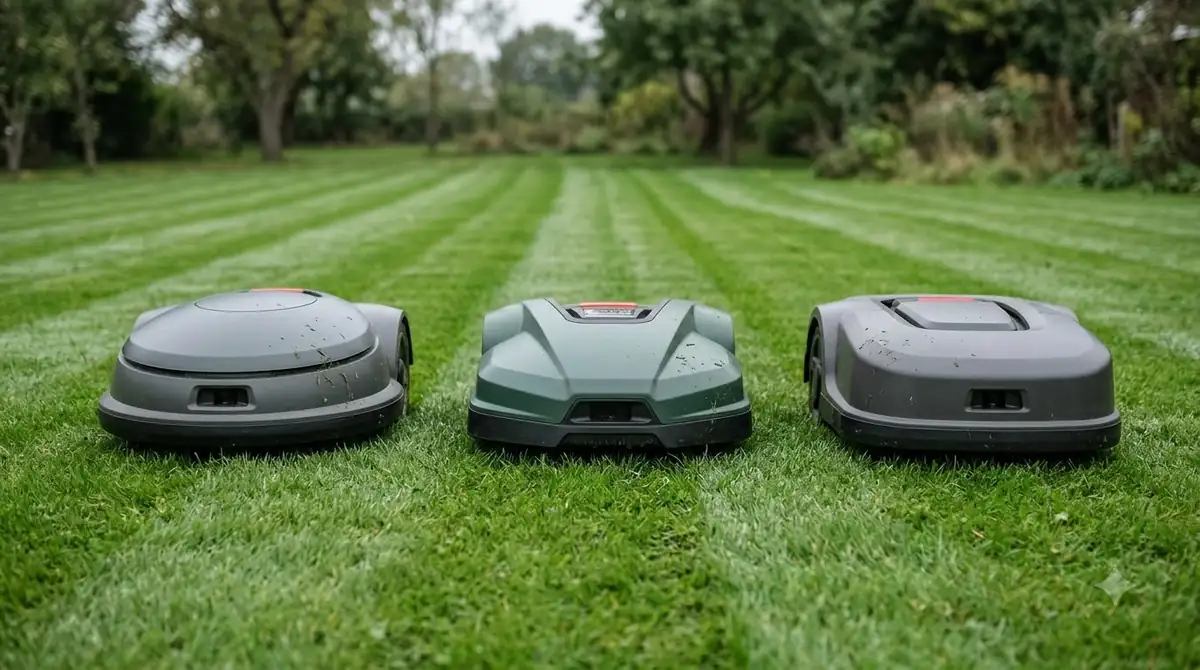
Start with what the clippings look like, not with the product list. If the cut is fine and dry, mulch and keep the schedule regular. If the grass is wet, long, or carrying seed or disease, remove the clippings that day. If you want that removal without any hands-on work, an auto-dump model is the only option in this list that handles it automatically. Choosing among alternatives also depends on the grass, and grass seed that suits frequent mowing affects clipping length. Lawn size shapes the answer, so measuring the lawn before choosing a method gives a realistic mowing schedule.
| Situation | Best alternative | Main trade-off |
|---|---|---|
| Dry grass, regular growing season | Mulching with frequent cuts | No bag to empty, needs regular mowing |
| Wet or long grass after rain | Bag that day, or hand clean-up | Extra work and a switch of mode |
| Diseased or seed-heavy lawn | Remove clippings and rake | Labour, but keeps spread down |
| Frequent collection wanted | Auto-dump station | Higher cost and station space |
Before you buy any accessory for robot mower grass catcher alternatives, check the mower’s own manual for bagging support. Not every robot mower supports a bag, and a bag added to a model that was not designed for one can change its balance and cutting performance.
Frequently asked questions
Do robot mowers have grass catchers?
Some models offer a bagging kit or an auto-dump option, but mulching is the standard design. Check the specific model before assuming a catcher is available.
Is mulching better for the lawn than bagging?
Mulching returns nutrients to the soil when the clippings are fine and the cuts are frequent. Bagging is useful when clippings are wet, long, diseased, or carrying seed, so most lawns benefit from a mix.
How often should a robot mower run if it mulches?
Anthbot suggests mulching every two to three days in the growing season. Your own schedule should follow how fast the grass grows, not a fixed rule.
Can I rake clippings instead of buying a catcher?
Yes. Raking or blowing after a heavy or wet cut is a low-cost way to remove clippings when you need to, and it avoids the cost and weight of a bag on the mower.
Sources
- Anthbot, “Bagging or Mulching? Neat Lawn in Both Ways” (manufacturer): used for the bagging versus mulching guidance, mowing intervals, and the auto-dump description.
- The End Quotes, “Should You Mulch or Bag Your Clippings?” (independent guide): used for nutrient return, the risk of long clippings, and the bindii seed-pod warning.
 Up next6 min readGearRobot Mower Wheel Spikes for Wet Grass: When They HelpUpdated Nov 20, 2026
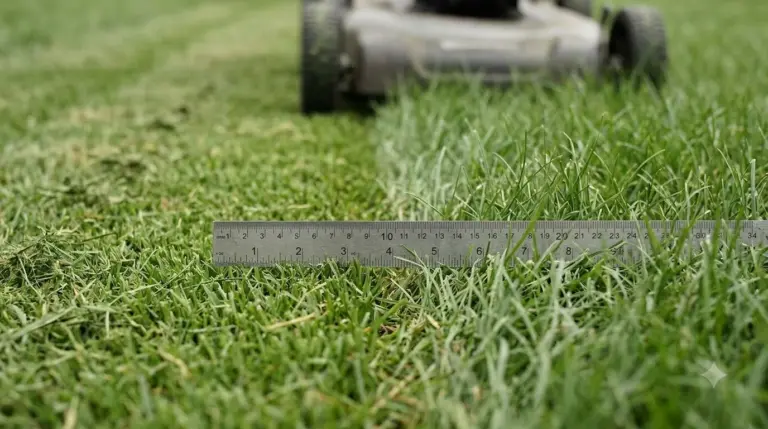 9 min readGearBest Grass Seed for Robot Mowed Lawn: Match Light and HeightUpdated Nov 13, 2026
 7 min readGearRobot Mower Base Station Solar Panel: Is It Enough?Updated Nov 20, 2026
 6 min readGearRobot Mower Collision Bumper Strips: Are They Worth It?Updated Nov 20, 2026
 6 min readGearRobot Mower Wire Locator: Finding Surface and Buried Boundary WireUpdated Nov 20, 2026
 6 min readGearRobot Mower Lawn Edge Trimmer Companion Tool: How to ChooseUpdated Nov 20, 2026