
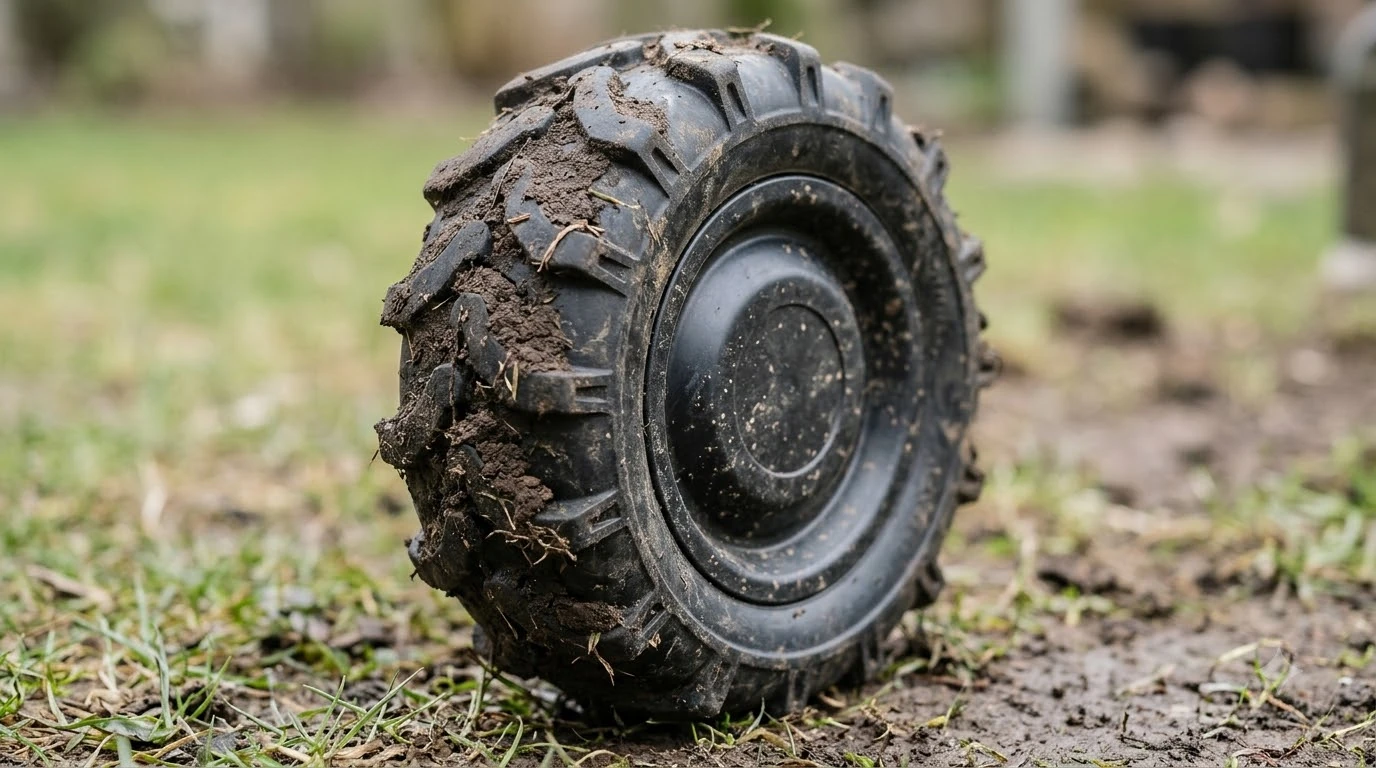

For most lawns, the best topsoil for filling lawn holes before robot mower work is topsoil that closely matches your native soil. Clemson Extension gives that rule for lawns whose native soil is not sandy, and it limits how much material goes down at once.
The short answer
- Match the soil: Clemson says topsoil should closely mirror the content of your native soil, so do not buy whichever bag is on sale.
- Keep it light: no more than about 1/2 inch of material at a time, according to Clemson.
- Check for weeds: topsoil and river bottom sand may contain weed seeds.
- Test first: a soil analysis takes about two weeks, so plan ahead before adding material.
Best topsoil for filling lawn holes before robot mower: what to fill first
A robot mower does not need a perfectly flat lawn, but the surface has to be free of sharp changes. eufy’s setup checklist asks owners to look for holes, exposed roots, deep wheel ruts and abrupt level changes, and it says the lawn does not need to be perfectly flat. That makes the job narrower than leveling the whole yard, so the best topsoil for filling lawn holes before robot mower use is the one you buy for specific spots.
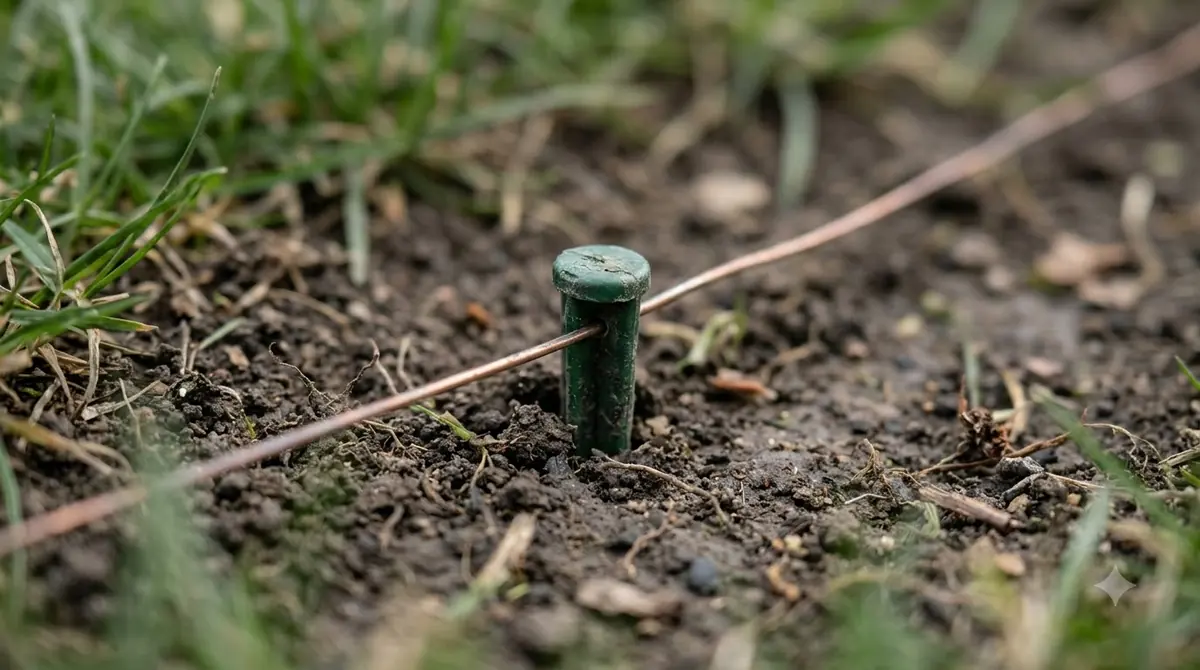
The same checklist recommends filling problem areas with topsoil or a soil and sand mix to smooth the surface. It advises filling deep potholes, sudden drop-offs and severe ruts with topsoil. Small bumps do not need the same treatment, so start by marking only the spots that are deep enough to matter. Our guide to a robot mower on a lawn with holes and dips shows which ones usually cause trouble.
Topsoil or sand, and when each one fits
Clemson Extension says topsoil is the topdressing material when the native soil is not sandy, and sand should only be used when the native soil is already sandy. Compost can go on every soil type, and Clemson describes it as the best choice for the average home lawn. For leveling gaps and eroded spots, Clemson names topsoil or sand, not compost. The table shows where each material fits and what to watch for.
| Material | What Clemson says | Watch for |
|---|---|---|
| Topsoil | Use when the native soil is not sandy; it should closely match the native soil | May contain weed seeds |
| Sand | Only for topdressing when the native soil is sandy | Not a fit for clay or other non-sandy soil; see lawn leveling sand for a robot mower |
| Compost | Can be used on all soil types | Clemson calls it the best choice for the average home lawn, but it improves soil rather than levels it |
The weed warning matters more for a hole than for a whole lawn, because a bare patch is where new weeds get a foothold. Ask the supplier whether the topsoil is screened and weed-free before you spread it. Our reading is that the best topsoil for filling lawn holes before robot mower work is a clean, screened load that matches your soil, because it is easier to check than a cheaper load.
How to fill a hole without creating a new bump
Clemson advises no more than 1/2 inch of material applied at a time, because a thicker application can stunt turfgrass growth or shade the turf. Deep holes therefore need several light passes rather than one heavy fill, which is the safest way to use the best topsoil for filling lawn holes before robot mower. Clemson also says topdressing should be done during the lawn’s active growing season, the same window it recommends for aeration. On established turf, its method is to rake the material lightly and evenly so it sifts down between the leaf blades without damaging healthy grass. A soil leveling rake for a robot mower lawn is the usual tool for that step.
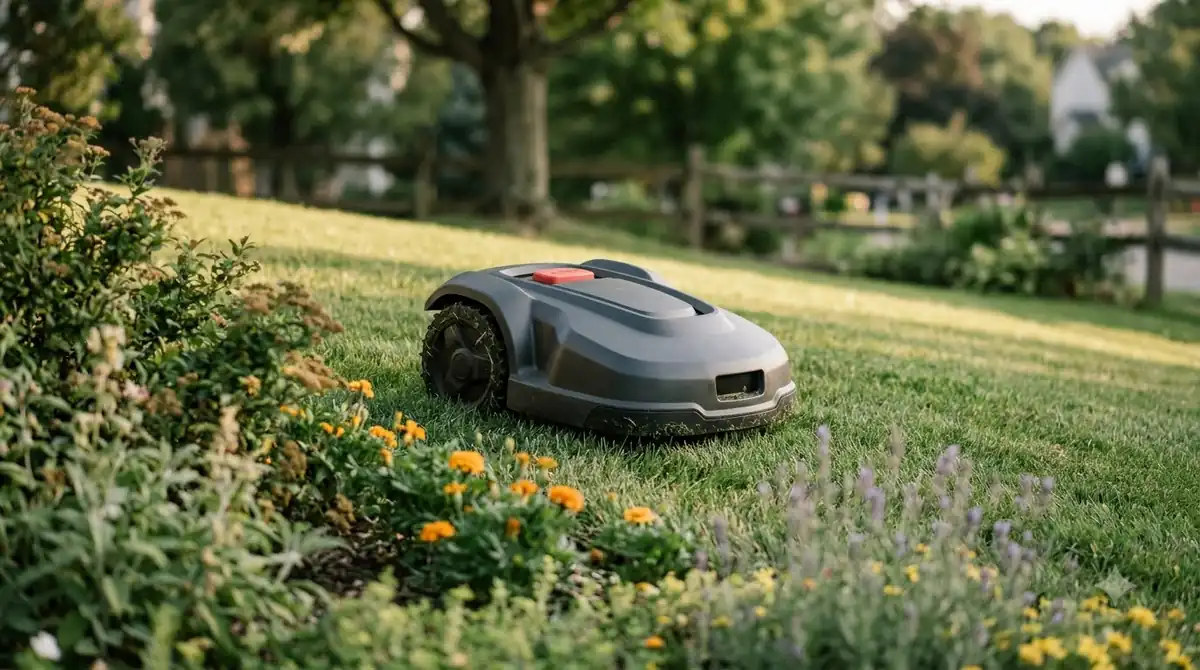
- Mark the spots. Walk the lawn and mark only the holes, drop-offs and severe ruts that a robot mower could catch on.
- Fill in light layers. Add topsoil in passes of no more than about 1/2 inch, and let each layer settle before adding the next.
- Recheck in the growing season. Walk the patch again once the grass has recovered and fill any spot that still dips.

When a soil test is worth the wait
A soil analysis takes about two weeks to return results, according to Clemson, so the test should come before the material arrives. Clemson also says to get an analysis first if topsoil or compost will be used to improve the native soil in the lawn. Clemson adds that the pH of topsoil and compost can vary significantly and some nutrients may be present at elevated levels, so it suggests testing both the existing soil and the added material. For a few shallow holes, the test may not be worth it; for a large repair, it helps you pick a material that will not change the soil type under the grass.
What to check before you buy topsoil
Before you buy the best topsoil for filling lawn holes before robot mower runs, confirm four things, because each one changes the result of the fill.
- Soil match: compare the texture of the topsoil with your native soil, using Clemson’s rule for sandy and non-sandy soil.
- Weed seeds: ask whether the load is screened and clean, since topsoil can carry weed seeds.
- Volume: work out the area and the depth per pass, then buy for light layers rather than one thick dump.
- Timing: plan the work for the active growing season and allow about two weeks for a soil test.
If your native soil is sandy, the best topsoil for filling lawn holes before robot mower work may not be topsoil at all, and the sand rule above applies instead. This guide does not cover heavy regrading, drainage problems or lawns where the soil is saturated for long periods. For ruts that keep returning, see robot mower wheel ruts and brown patches, and for lawns that stay uneven, how robot mowers cope with bumpy lawns.
Frequently asked questions
What is the best topsoil for filling lawn holes before robot mower runs?
For most lawns it is topsoil that closely matches the native soil, applied in light layers. eufy’s setup checklist advises filling deep potholes, sudden drop-offs and severe ruts with topsoil. Check the surface before the mower’s first run, and fill in several thin passes rather than one thick one.
Is sand better than topsoil for filling holes?
Only when the native soil is already sandy. Clemson Extension says sand should only be used to topdress lawns when the native soil is sandy, and topsoil is the material to use when it is not.
How much topsoil can I put down at once?
Clemson advises no more than about 1/2 inch of material applied at a time. Thicker applications can stunt turfgrass growth or shade the turf, so deep holes should be filled over several passes.
How long should I wait before the robot mower runs on a filled area?
The pages we read do not give a fixed waiting period for robot mowers. Check your mower’s manual for surface guidance, and fill during the active growing season, as Clemson recommends for topdressing.
Sources
- Topdressing a Home Lawn (Clemson Home and Garden Information Center): used for the sand and topsoil rule, the 1/2 inch limit, the thick-layer warning, the soil test timing, the growing season and the weed-seed caution.
- Robot lawn mower setup checklist (eufy, maker): used for the surface checks and the advice to fill deep potholes, drop-offs and severe ruts with topsoil.
 Up next9 min readGearBest 4G IoT Module for Robot Mower: What to Check Before You BuyUpdated Nov 14, 2026
 8 min readGearBest Robot Mower Boundary Wire 500 ft: What to Check Before You BuyUpdated Nov 11, 2026
 9 min readGearBest Roof Mount for RTK Antenna: What to Check Before You BuyUpdated Nov 14, 2026
 7 min readGearMammotion Yuka Replacement Battery: What to Check Before You BuyUpdated Nov 11, 2026
 7 min readGearBest Garage for Mammotion Luba: What to Check Before You BuyUpdated Nov 14, 2026
 8 min readGearDreame Replacement Wheels: 5 Easy Checks Before You BuyUpdated Nov 19, 2026