
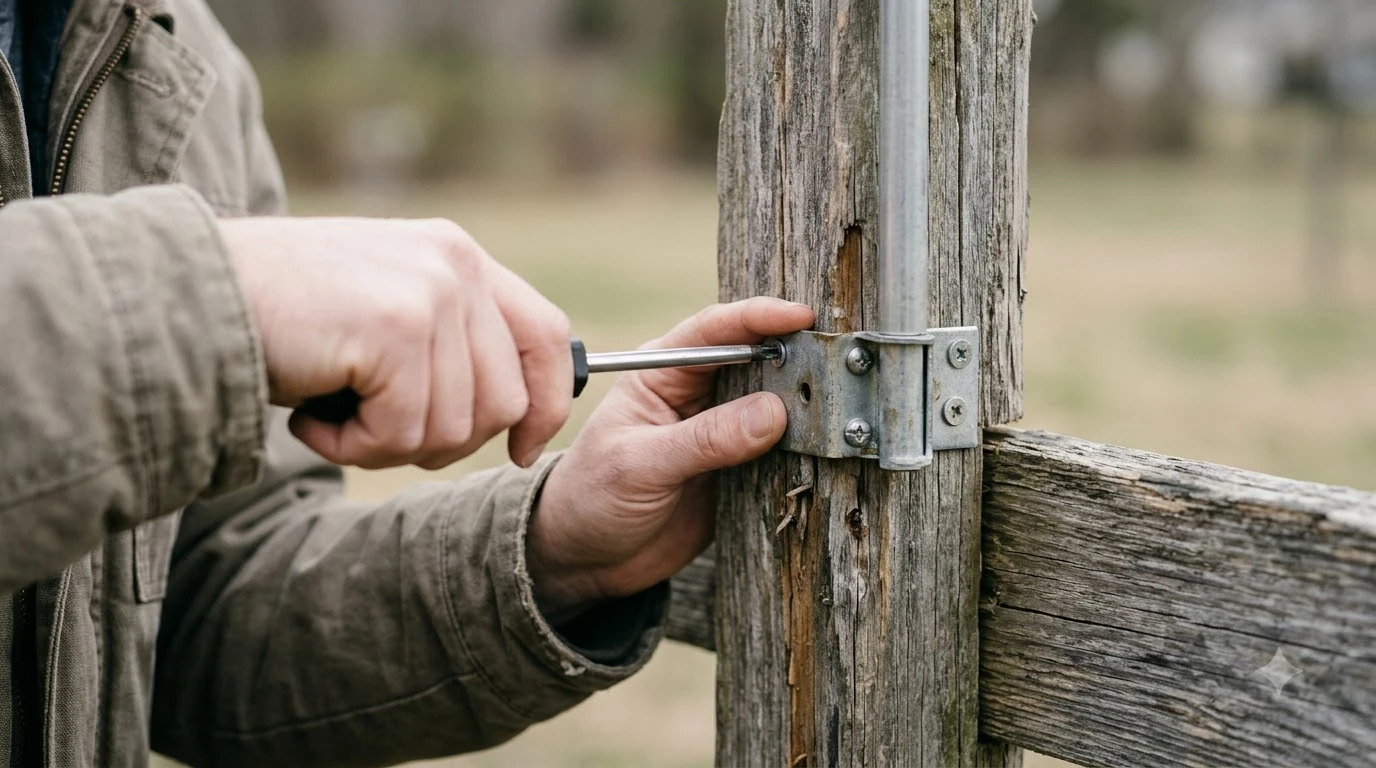

The best roof mount for RTK antenna setups depends on your roof, not on one brand. A roof-penetrating bracket suits a permanent install with waterproof flashing, while a non-penetrating ballasted mount suits a leased or flat roof. Check the wind-load rating for your region, keep the station clear of roof equipment, and confirm the sky view before you fix anything to the roof.
The short answer
- Mount type: the best roof mount for RTK antenna work starts with the type, a penetrating bracket for permanent installs with flashing, a ballasted mount for leased or flat roofs, according to a GNSS setup guide.
- Structure: bolt the mount to the building’s primary structure, not to roofing material or fascia.
- Wind: the same guide gives a typical design range of 120 to 160 km/h for permanent installs, but you must check the rating for your region.
- Clearance: keep the station at least 3 m (10 ft) from any wall or tree, as Mammotion’s support page says, and at least 3 m from rooftop HVAC units and satellite dishes.
- Sky: keep the sky clear from 10 degrees above the horizon, and aim for the wider view a maker such as Husqvarna asks for, at least 135 degrees.
Why a roof is a harder spot than a wall or a yard
A roof gives a high, open view of the sky, which helps an RTK base station receive satellite signals. It also adds problems a lawn does not have: wind loads on the mount, water entry at each hole, and the metal and equipment that sit on many roofs. Mammotion’s installation guide allows a roof, but only an unobstructed one, so a roof is a choice to check, not a default.
Because roof rules depend on the building, finding the best roof mount for RTK antenna is less about one product and more about four checks: the mount type, the structure, the wind rating and the sky view. The guide on where to mount an RTK base station compares roofs with other spots.
The best roof mount for RTK antenna: penetrating or ballasted
The mount type decides almost everything else. A penetrating bracket is bolted through the roof and gives the strongest mechanical bond. A ballasted mount sits on the roof and uses weight to hold it, so it avoids holes but depends on the weight and the wind rating.
| Mount type | Use it when | What to check |
|---|---|---|
| Roof-penetrating bracket | Permanent install on a roof you own | Waterproof flashing at every hole and a bolt into the primary structure |
| Non-penetrating ballasted mount | Leased roof or a flat roof where you cannot drill | Ballast weight and the regional wind-load rating |
| Tripod or temporary pole | Testing only | Not suitable for a permanent timing install, and it must be guyed |
Our reading is that, for a long-term station, the best roof mount for RTK antenna is usually a penetrating bracket, because the guide describes it as the stronger bond. A ballasted mount is the practical option when the roof belongs to someone else or cannot take holes.

Check the roof structure and the fasteners
Attach the mount to the building’s primary structure, such as a rafter or a framing member, and not to the roofing sheet or the fascia board. The guide recommends stainless steel fasteners, because they resist corrosion on a roof that sees rain and sun for years.
Before you rely on the bracket, the guide suggests a lateral test: apply about 5 kg of force at the mount point, and the antenna should show no perceptible movement. It also says to level the antenna within 0.5 degrees in all directions and to torque the bolts to the manufacturer’s specification. Those steps matter because the guide says tilt degrades RTK accuracy.
Wind rating and the local wind speed
The wind rating is the number most buyers skip. The GNSS guide says to rate the mount for the maximum wind speed expected at your site, and it puts a typical range of 120 to 160 km/h on permanent installs. That range is the guide’s own guidance, not a standard you can apply everywhere, so ask your local building department or the mount maker for the figure that applies to your region.
For a flat roof, a ballasted mount is where this check matters most. Its weight holds the bracket down, so the wind-load rating printed by the maker should match your region, and the weight should match the rating. If the listing does not state a rating, treat that as a reason to ask the seller before you buy.
Pick a roof spot with a clear sky
A roof mount works only if the antenna can see the sky. The GNSS guide asks for an unobstructed view from 10 degrees above the horizon, and Husqvarna’s support page for its EPOS system asks for at least 135 degrees of clear sky. The two numbers measure different things, so read the one your mower’s manual uses and aim for the wider view.
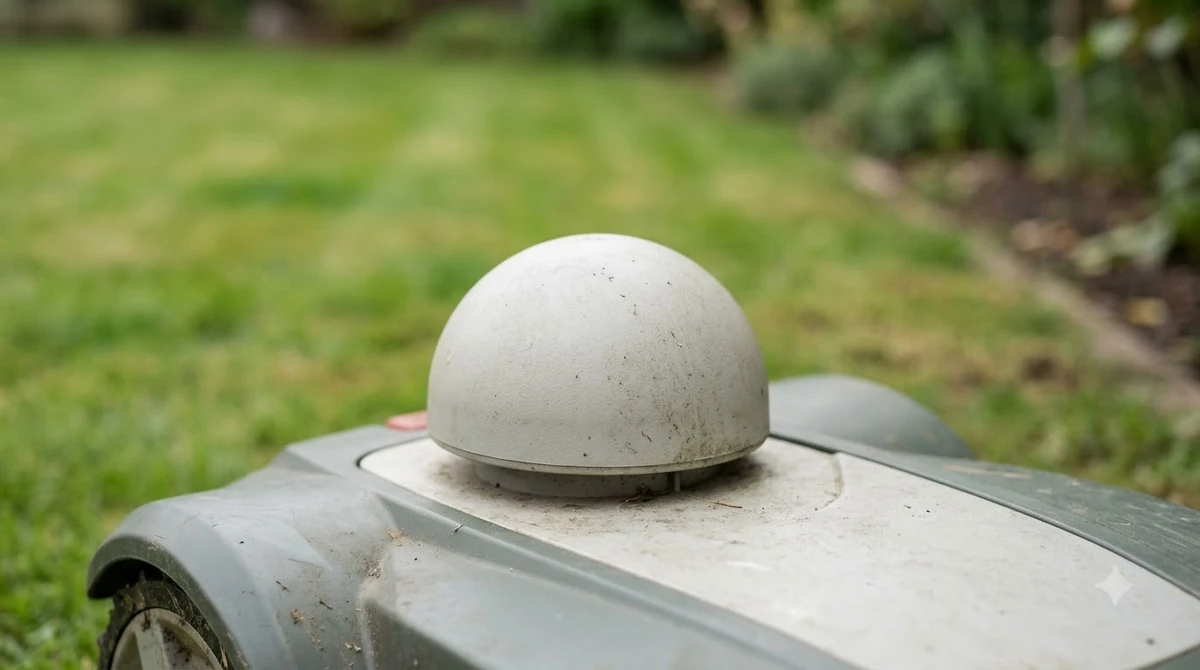
Keep the station 3 m (10 ft) from roof equipment such as HVAC units and satellite dishes. Mammotion’s rule also covers walls and trees, and it warns against the corner of an L-shaped building and narrow gaps between two structures. On a roof, our reading is that the middle of a flat section beats a spot beside a chimney, a parapet or a vent stack. Tall neighbors matter too, as an RTK robot mower near tall buildings shows.
Heads up
Mammotion’s support page says there should be no roofs or trees that obstruct the satellite signals. A roof overhang or a nearby taller roof can block the view even when the mount is sound.
Metal roofs and the ground plane
Metal is the hidden problem. The GNSS guide flags reflective surfaces within about 30 m as a multipath risk, and it names sheet-metal roofs and HVAC ducting. Reflections can bounce satellite signals into the antenna and add error, so a metal roof is a reason to test the position before you fix the mount.
If the antenna has no built-in ground plane, the guide says to mount it on a flat metallic surface at least 20 cm in each dimension. Survey-grade antennas usually carry their own plane, typically 20 to 40 cm across. Check the antenna’s specification sheet to see which one you have, and do not add a metal plate just because a guide mentions one.
Route and seal the cable
The cable is where a good roof mount can fail. The guide recommends a low-loss 50 ohm coax such as LMR-400, and it says to avoid RG-58 and RG-174 for runs over 5 m. Use cable clips or trays about every 1 m on horizontal runs, and add a drip loop at each entry and exit point so water runs away from the connector.
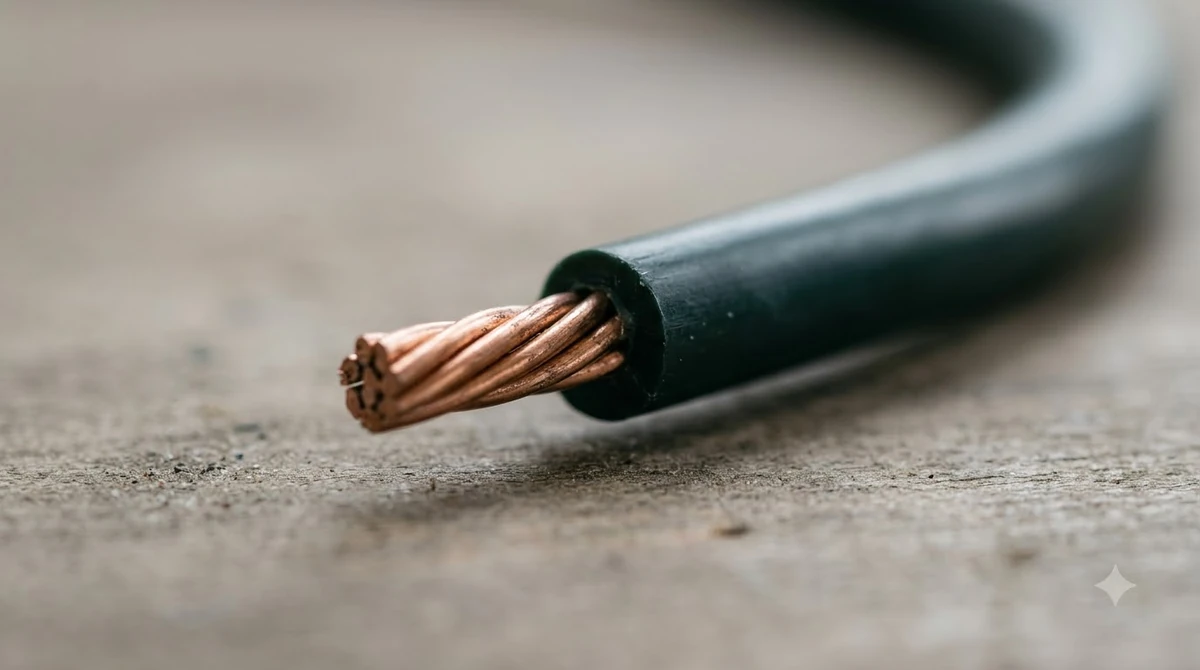
Connectors need the same care. The guide suggests TNC or N-type connectors for a permanent outdoor install, hand-tightened to 0.5 to 0.8 N·m, and a UV-resistant jacket on any exposed section. Connect the antenna before you apply power, because the guide warns that powering a receiver without an antenna can damage its LNA input stage. Waterproof gel connectors help, but the seal is only as good as the cable jacket. If the receiver sits outdoors too, see the guide to a weatherproof enclosure for an RTK base station.
For lightning, the guide says a surge suppressor is strongly recommended for a permanent outdoor install. Place it where the cable enters the building, bond it to earth with a short conductor, and use a separate ground rod for the mount when local code asks for one.
When a roof mount is not the answer
No roof mount for RTK antenna use can fix a spot that has no sky. If the roof is shaded by a larger building or a tree, move the antenna rather than the bracket. Some systems also avoid the local base altogether. Segway Navimow says its network RTK needs no local antenna, but availability is checked by postcode, so confirm your address before you plan around it.
If the roof cannot take the mount, a wall or a pole may work better. Compare those options in the separate guides on an RTK antenna wall mount bracket and an RTK antenna mounting pole, and keep the same 3 m clearance rule in mind.
What to check in the best roof mount for RTK antenna
Use this list before you buy the best roof mount for RTK antenna for your roof. Each item comes from a source below, and the right answer depends on your roof, your region and your mower model.
- Roof rights: you can drill it (penetrating) or you cannot (ballasted).
- Structure: the bolts go into a rafter or framing member, not the roofing sheet.
- Wind: the rating matches your region and the weight matches the rating.
- Sky: open from 10 degrees up, and clear of roof gear by 3 m.
- Metal: you have checked the roof and the 30 m reflection zone.
- Cable: LMR-400 or equivalent, clipped every 1 m, with a drip loop and a surge suppressor.
Frequently asked questions
Can I mount an RTK base station on a roof?
Yes, if the roof is unobstructed. Mammotion’s installation guide allows a flat, open ground, wall or roof, but it says no roofs or trees may block the satellite signals and the station must stay 3 m (10 ft) from any wall or tree.
Do I need waterproof flashing for a roof mount?
A penetrating bracket needs waterproof flashing at each hole, according to a GNSS setup guide. A ballasted mount avoids holes, so it needs no flashing, but it does need a wind-load rating for your region.
What wind rating should the best roof mount for RTK antenna have?
The GNSS guide gives a typical design range of 120 to 160 km/h for permanent installs. Use the maximum wind speed for your own site and ask the mount maker for the rating that matches it.
Can I skip a roof mount with network RTK?
Some systems need no local antenna. Segway Navimow says its network RTK works without one, but availability depends on your postcode, so check the coverage for your address before you decide.
Sources
- Mammotion support: How to install an RTK reference station (manufacturer): roof allowed if unobstructed, 3 m clearance, vertical orientation, wall-mount holes and bolts.
- GNSSource: How to Set Up an RTK Base Station Antenna (third-party guide from a GNSS antenna seller): penetrating and ballasted roof mounts, wind rating, structure, sky view, ground plane, cabling and lightning.
- Husqvarna support: EPOS satellite connection troubleshooting (manufacturer): 135 degree clear sky view.
- Segway Navimow: Network RTK (manufacturer): no local antenna needed, postcode availability.
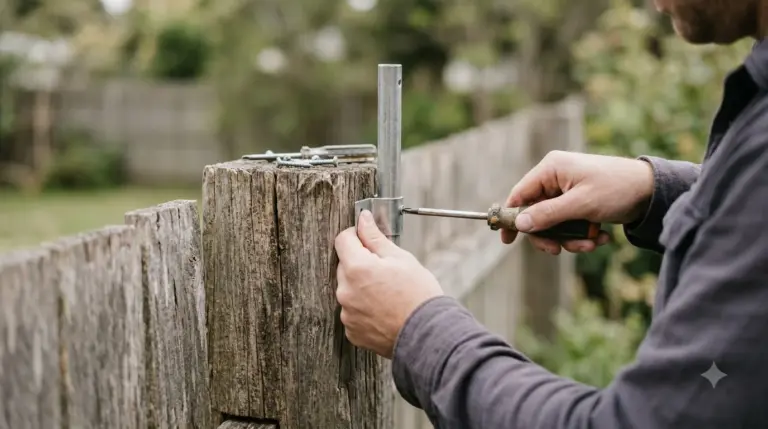 Up next9 min readGearRTK Antenna Wall Mount Bracket: What to Check Before You BuyUpdated Nov 19, 2026
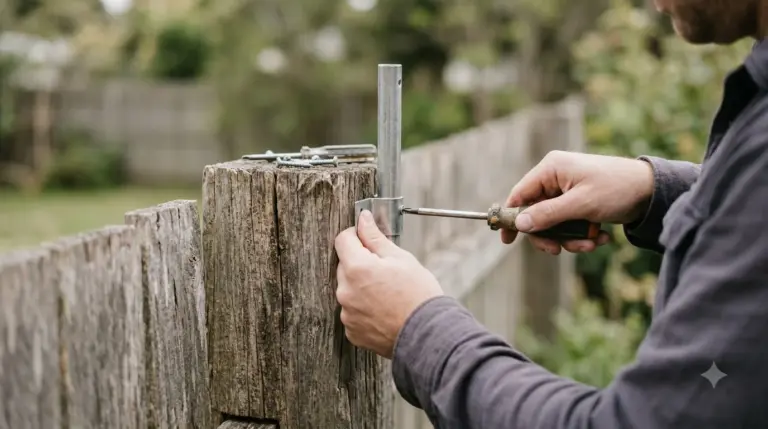 8 min readGearRobot Mower RTK Antenna Mount: What to Check Before You BuyUpdated Nov 20, 2026
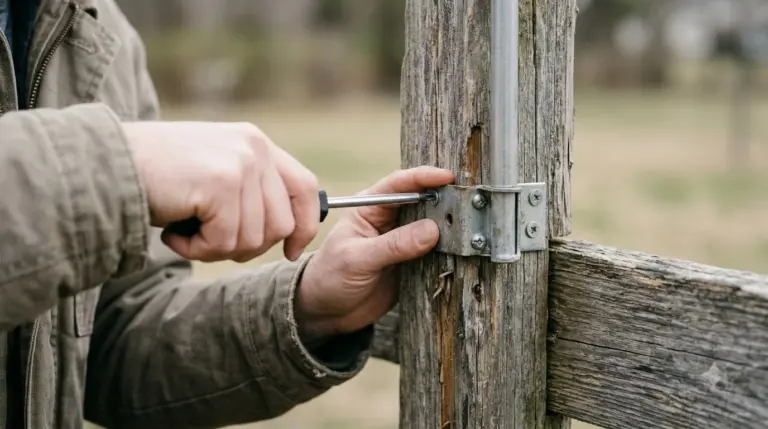 8 min readGearCable Cover for RTK Antenna Wire: 5 Checks Before You BuyUpdated Nov 19, 2026
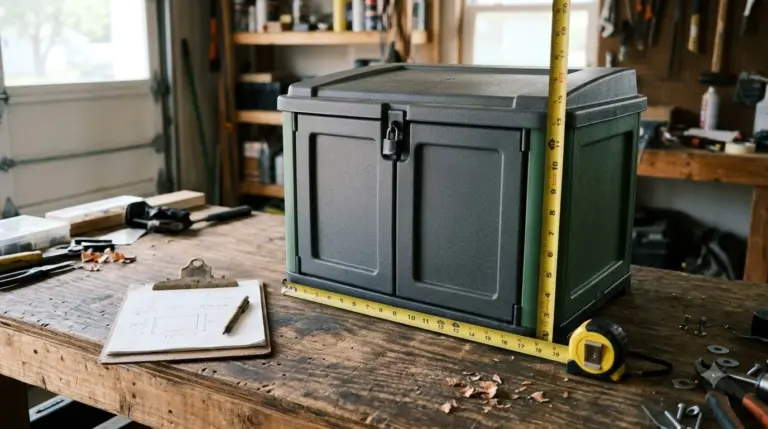 8 min readGearBest Weatherproof Enclosure for RTK Base Station: 6 Checks Before You BuyUpdated Nov 13, 2026
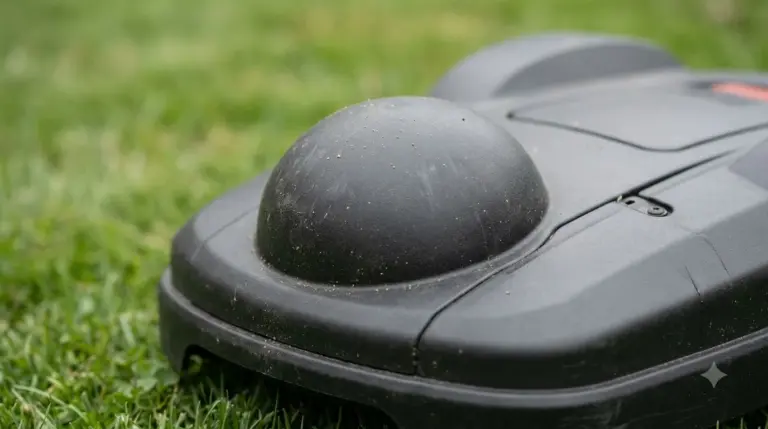 10 min readGearRTK Antenna Extension Cable for Robot Mower: 6 ChecksUpdated Nov 19, 2026
 8 min readGearChoosing the Best Outdoor PoE Injector for Roof-Mounted RTK StationsUpdated Nov 19, 2026