
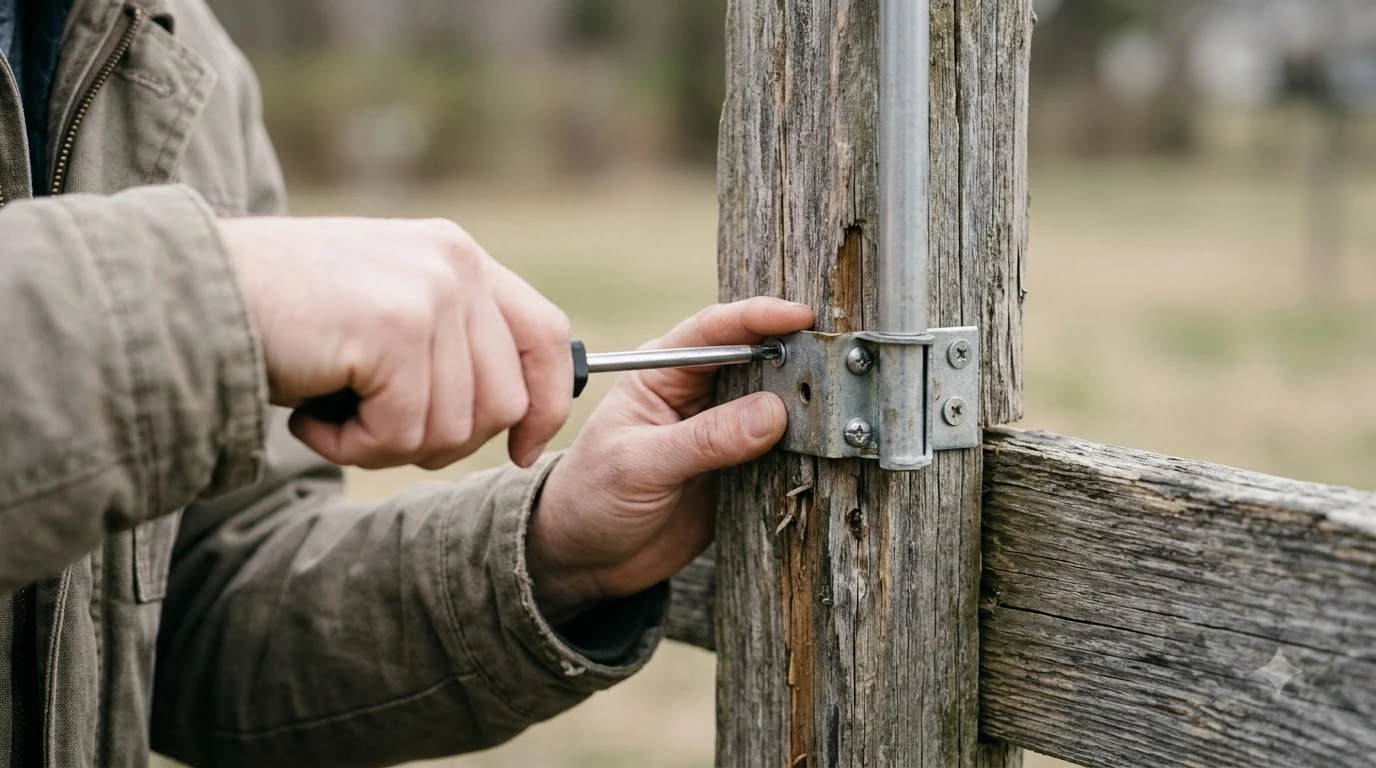

A cable cover for RTK antenna wire protects the cable from sunlight, pests, and impact, but the routing matters more than the cover itself. The guidance we read treats conduit as the recommended protection for outdoor GNSS cable, with sealed connectors and a bend radius the cable maker allows. As of 2026-11-10, this guide explains what a cable cover must do and what to check before you choose one.
The short answer
- What it protects against: the IGS CORS guidelines list “vandalism, weather, pests and fire” as the threats to GNSS cabling, and UV breaks down cable jackets over time.
- Form: a suitable conduit is recommended for outdoor runs, buried or secured in place where possible.
- Size: the conduit must fit the connectors. One example note gives about 20 mm (0.8 in) for N-type connectors, and a conduit that is too small makes installation hard.
- Bends: the cable’s minimum bend radius ranges from about 25 mm (1 in) to 100 mm (4 in), depending on cable type.
- Connectors and water: seal connectors with UV-stable self-amalgamating tape, and never leave the cable sitting in standing water.
Why the cable needs its own protection
An RTK antenna cable runs outdoors for years, so it faces more than one threat. The IGS CORS guidelines say all GNSS cabling is exposed to “vandalism, weather, pests and fire,” and they recommend protecting the cable from these factors with a suitable conduit. Sunlight is a separate problem. A vendor blog on cable care notes that UV radiation breaks down the chemical structure of the outer insulation, and that most standard cables are not designed for long periods in direct sunlight.
Our reading is that a cable cover for RTK antenna wire is worth buying when the wire runs across open lawn, along a fence line, or over a path where it sits in sun and rain. A short run that is already under a deck or inside a conduit may need little more than a sealed connector. The cover is a barrier for the cable, not a fix for a cable that is already cut or cracked.
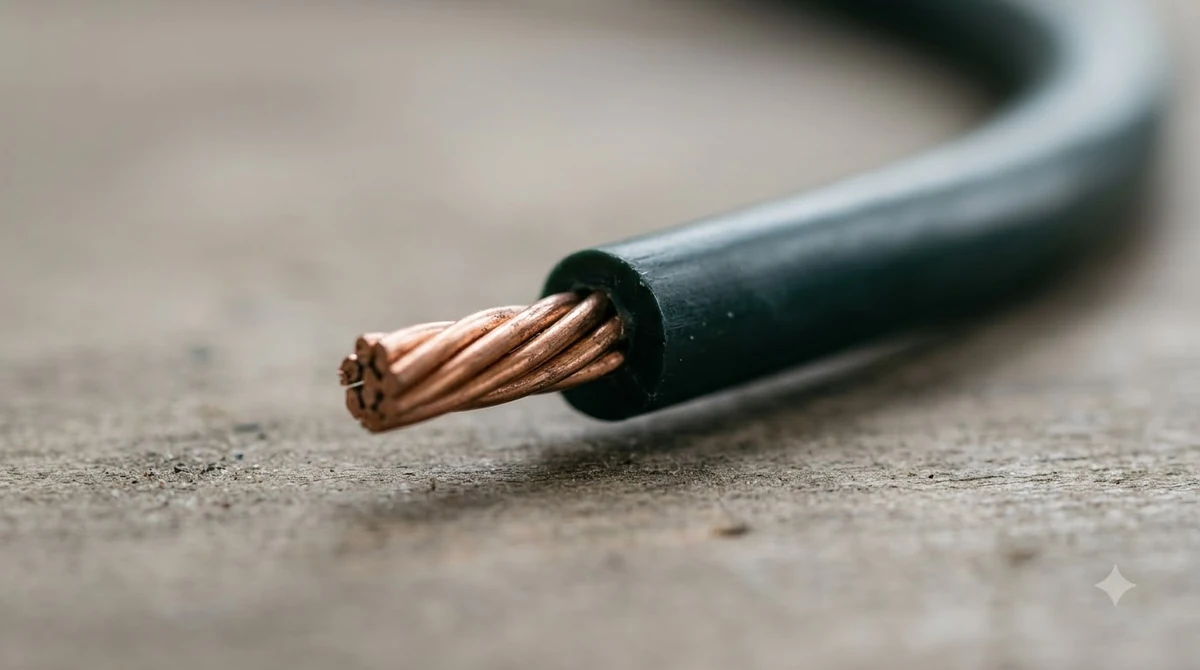
Conduit, sleeve, or tray: which form fits
The sources we read describe a few physical forms. Each one solves a different part of the problem, so pick the one that matches where the cable runs rather than the one that looks most finished.
| Form | What the source says it does | Limit to check |
|---|---|---|
| Buried or secured conduit | The IGS guidelines recommend buried or secured conduit for externally run cables. | Needs a route you can dig or fix to a wall or post. |
| Sealed conduit or covered tray | Blocks direct sun, and sealed covers act as a physical barrier against rodents, per the vendor blog. | Sealed means the ends and joints must also be sealed, or water can enter. |
| Cable hanger on a flat surface | Safran’s note says the cable may be suspended by cable hangers on flat roof installations. | Hangers keep the cable off the ground but give no sun or pest protection on their own. |
| Split tubing or open sleeve | We did not find a rating or test for this form in the pages we read. | Treat any seller claim about UV or rodent resistance as unverified. |
For rodents specifically, the vendor blog recommends metal-armored or reinforced-jacket cable along with physical barriers such as conduit. Repellents and ultrasonic devices are mentioned only as extra measures. Our reading is that a cover helps most when it is closed and stays closed, because a loose sleeve can invite the pests it was meant to keep out.
Size the cover to the connector and bend
Size is where many covers fail in practice. A Safran Navigation and Timing note on outdoor GNSS antennas says the conduit “must be large enough to accommodate” the N-type connectors, which it puts at about 20 mm (0.8 in) in diameter, while the cable itself is about 10 mm for an LMR400-type cable. A conduit that is too small, or has tight bends, “will prove difficult during installation,” and the note adds that the cable itself has a minimum bend radius that depends on the cable type.
The same note gives a range of about 25 mm (1 in) to 100 mm (4 in) for the minimum bend radius, so the answer depends on the exact cable. Check the cable’s spec sheet for its figure, then make sure every bend in the cover is wider than that. A cover that forces a kink is worse than no cover, because a kinked jacket can crack.
Seal the connectors and keep water out
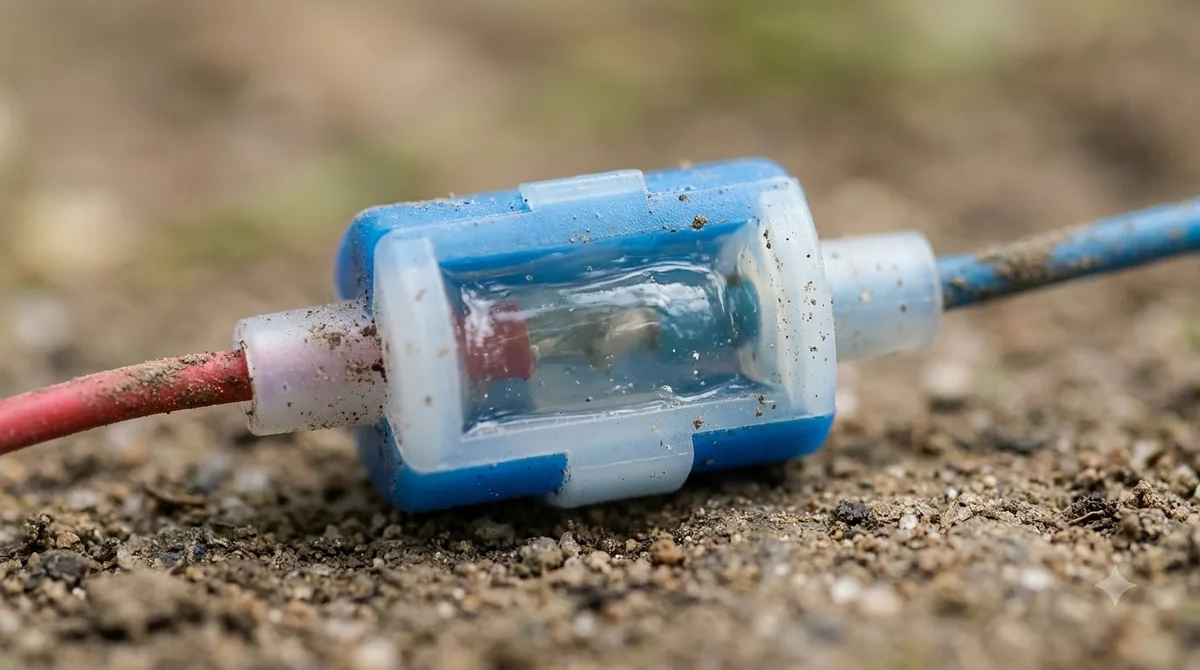
The connectors are the weakest point of most outdoor cable runs. The IGS guidelines recommend sealing the antenna cable connectors with self-amalgamating, UV-stable tape to keep out water. Safran’s note goes a step further and calls weatherproofing sealant or tape “a good idea for all outdoor connections.” A cable cover does not seal a connector by itself, so the tape goes on first, and the cover goes over the sealed joint only if it can still be inspected.
Water is the other risk. The Safran note warns against placing the cable in standing water, because water can permeate the coax jacket over time. Our reading is that a cover should drain away from its low points. If the cover dips into a hollow, water can collect against the cable after rain.
Keep the run short and leave slack
Routing decides how much stress the cable takes on an RTK antenna wire run. The IGS guidelines recommend a short loop of spare cable at both the antenna and receiver ends, which relieves tension at the connections. The same page advises keeping total cable length and the number of connectors to a minimum, and it recommends low-loss cable with a loss below 0.2 dB/m at the L1 frequency.
In lightning-prone areas, the IGS guidelines suggest reducing the horizontal length of the cable run. The Safran note adds that a surge suppressor is strongly recommended where the antenna cable enters the building, connected to earth ground. For a cover, that means the cover should lead the cable to the building entry in the shortest sensible path, not around the whole yard.
Heads up
A cover does not repair a damaged cable. Inspect the jacket for “signs of wear, discoloration, cracking, or loose connections,” as the vendor blog advises. If the inner core shows through or a connector has water inside, replace the section rather than covering it.
What to check before you buy a cable cover for RTK antenna wire
A cover should be chosen from the cable’s spec and the route, not from a photo. Use this order when you compare options.
- Measure the connector. The inside diameter must fit the connector with its cable, based on the connector type and the note’s example of about 20 mm.
- Check the bend radius. Confirm the cable’s minimum bend radius and make sure the cover’s bends are wider.
- Decide open or sealed. Sun, pests, and rain favour a closed run. If you need to inspect the cable, plan access points.
- Plan drainage. Avoid low spots where water pools against the cable, and keep the ends above ground level where you can.
- Verify claims. Ask for a UV rating, a rodent test, or a written spec for the cover. If none is given, treat the claim as unverified.
Our reading is that the simplest good setup is a short, sealed connector, a closed cover over the exposed part of the run, and a loop of slack at each end. That combination follows the IGS and Safran guidance more closely than any single product feature.

Frequently asked questions
Does an RTK antenna cable need a cover?
Not always. The IGS guidelines list weather, pests, and fire as threats for outdoor GNSS cable and recommend conduit for outdoor runs. A short run that is already protected, such as under a deck or inside a sealed conduit, may need only sealed connectors.
What size conduit fits an RTK antenna cable?
The Safran note gives about 20 mm (0.8 in) for N-type connectors and about 10 mm for the cable it describes. Check your own connector and cable, because a conduit that is too small or has tight bends makes installation hard.
Can sunlight damage the cable jacket?
The vendor blog says UV breaks down the outer insulation and that conduit or covered trays block direct sun. Look for cracking or discoloration during inspection, and replace the section if the jacket has split.
Should I seal the connector before adding a cover?
Yes. The IGS guidelines recommend self-amalgamating UV-stable tape on antenna cable connectors to keep out water. Seal the joint first, then fit the cover so you can still inspect it.
Sources
- IGS CORS Guidelines: equipment and cable (International GNSS Service): threats to GNSS cabling, conduit, connector tape, cable loops, cable loss, and lightning routing.
- Outdoor GNSS Antenna Installation Considerations (Safran Navigation and Timing): conduit size, bend radius, standing water, flat-roof cable support, and surge protection.
- How to Maintain and Protect Cables: UV Exposure, Bending, Rodent Damage, Moisture (Global Cable and Wire, vendor blog): UV effects, rodent barriers, and inspection signs.
 Up next9 min readGearRTK Antenna Wall Mount Bracket: What to Check Before You BuyUpdated Nov 19, 2026
 9 min readGearBest Roof Mount for RTK Antenna: What to Check Before You BuyUpdated Nov 14, 2026
 8 min readGearRobot Mower RTK Antenna Mount: What to Check Before You BuyUpdated Nov 20, 2026
 10 min readGearRTK Antenna Extension Cable for Robot Mower: 6 ChecksUpdated Nov 19, 2026
 8 min readGearBest Garage for Dreame Robot Mowers: 5 Checks Before You BuyUpdated Nov 13, 2026
 8 min readGearDreame Replacement Wheels: 5 Easy Checks Before You BuyUpdated Nov 19, 2026