
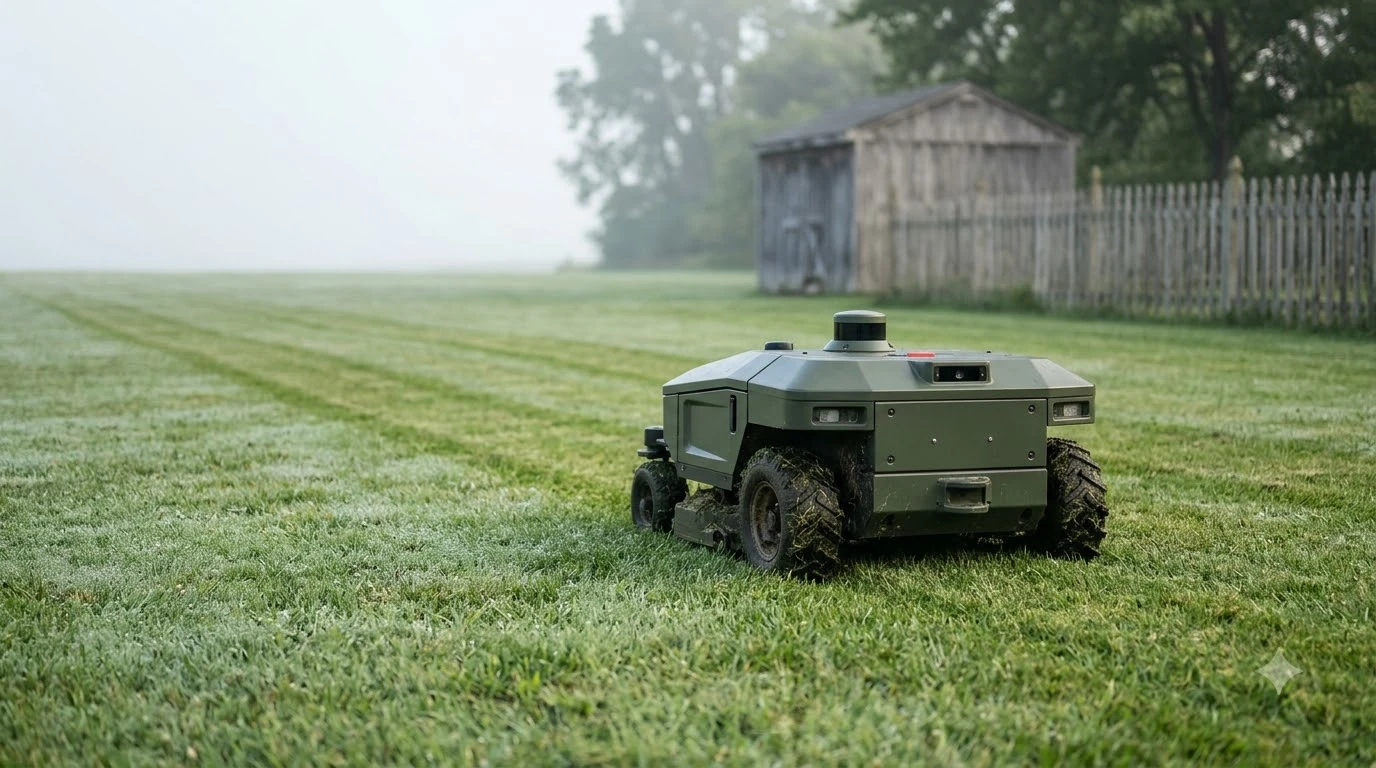

The Airseekers robotic lawn mower, sold in the US as the Tron, is a wire-free model that uses RTK positioning and AI vision. The manufacturer lists a large maximum area and a 65 percent slope rating, but it also recommends using it on a smaller lawn. An independent review found the mowing quality good and the setup and edge cutting the weak points. This guide sets out what the published information says and what to check before you buy.
The short answer
- Navigation: RTK positioning plus AI vision, with no perimeter wire, according to the manufacturer.
- Area: the maximum is listed at 2,400 square meters, but the manufacturer recommends less than 1,000 square meters.
- Slope: the manufacturer rates it for slopes up to 65 percent (about 33 degrees).
- Mowing quality: an independent reviewer called it good, with clippings that blend into the turf.
- Weak points: the RTK antenna setup, cutting close to edges, and getting stuck in mulch at lawn level.
What the Airseekers Tron is
The Tron is a wire-free robot mower. Instead of a buried or pegged boundary wire, it relies on RTK satellite positioning to know where it is, with AI vision to spot obstacles. The manufacturer’s listing gives an IPX6 waterproof rating, a cutting height range of 30 to 90 mm, and connectivity over Wi-Fi, Bluetooth, and 4G on some versions. Treat these figures as the maker’s own claims until you can check them against a unit or an independent test. The smaller edition has its own breakdown in the Airseekers Tron SE review for readers with a modest lawn. A brand with a different design and setup is covered in the Kress robot mower review for comparison.
The company sells the Tron under the Airseekers name in several regions, and the product listing names it the Tron 2400. Retail prices vary by region and retailer, and some retailers list it below the manufacturer’s price. Check the price on the seller’s page before comparing it with other models, because the difference in price can change how the trade-offs look.
Specs: what the 2,400 square meter figure means
The 2,400 square meter number is the maximum area the mower is rated for. The manufacturer recommends using it on a lawn of less than 1,000 square meters, which is about a quarter of an acre. Those two figures describe different use cases. A large maximum suggests headroom, while the smaller recommended area is the more practical guide for a typical yard.
The 65 percent slope rating, which is roughly 33 degrees, is also a manufacturer claim. Slopes are one of the first things to test on a new yard, because a rating is measured under conditions that may differ from your lawn. Walk the steepest section before you buy, and check whether the sloped areas are grass or bare soil.
How it mows in an independent review
Reviewed.com describes the mowing quality as good, and says the clippings are fine enough to blend into the turf, with even stripes and no clumping. That is the result most owners care about first, and the review treats it as the Tron’s strongest area.
The same review calls the value dependent on price. It says that if you cannot find the mower for less than its roughly $2,000 retail price, you are probably better off looking elsewhere. The price in the review is a snapshot, so check the current figure before deciding.
Heads up
Reviews can be affected by how the unit reached the reviewer and how the publication earns money from links. Read the disclosure on the review page before relying on it.
Airseekers robotic lawn mower setup: the RTK antenna and the app
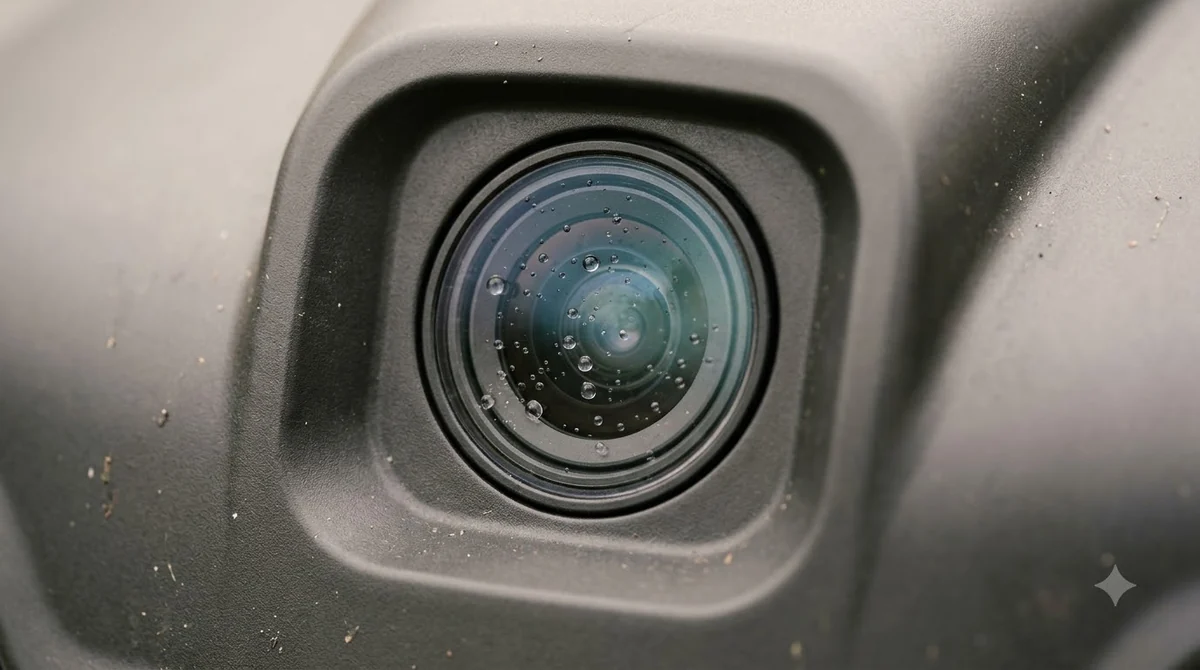
The RTK setup is the main complaint. The reviewer found the antenna ugly and fiddly, and needed an extension cable to reach a usable spot. A wire-free mower still needs a clear view of the sky for good positioning, so the antenna location matters. Plan where it will sit, and check that trees and buildings will not block the signal before you commit. Whether the RTK antenna is needed depends on the lawn, as RTK value on small yards explains.
The app is generally easy to use for mapping and updates, according to the same review. The reviewer did note that it was not always clear whether a firmware update had finished, so give an update time to complete before you start a mowing run.
Edges, slopes, and mulch
The Tron does not mow close to edges, so you will need to trim borders by hand or with a separate tool. The reviewer points out that this limitation is common among robot mowers, but it still adds work to a yard with beds or hard edges.
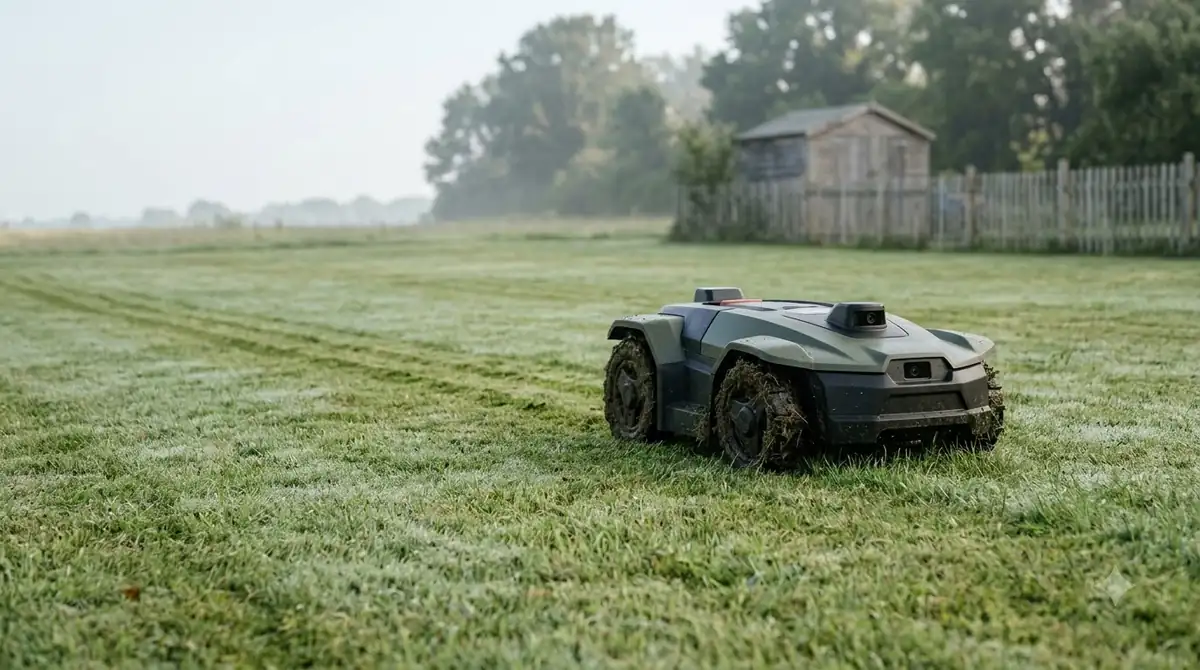
On terrain, the reviewer found the mower got stuck twice in mulch at lawn level. Remapping to avoid those edges left the edges unmowed. If your yard has mulch beds, gravel paths, or a lot of level changes, expect to test the mower’s behavior before you rely on it.

Who the Tron suits and who should look elsewhere
The Tron suits a yard that is mostly open grass, is under the recommended size, and has a clear sky for the RTK signal. It also suits owners who are comfortable with app setup and who will trim edges by hand. A yard with many beds, mulch borders, or tight corners will need more attention. Buyers who need something different can read the Greenworks Optimow review for another take.
If you need the mower to reach close to edges, or your lawn is heavily shaded or hemmed in by trees, look at models that use a perimeter wire or that document their edge-cutting behavior in more detail. Ask each maker what the edge distance is and test it in your own yard if you can.
What to check before you buy
- Lawn size: compare your yard with the recommended area, not the maximum.
- Slope: measure or walk your steepest section against the 65 percent rating.
- Sky view: confirm the RTK antenna has a clear line to the sky.
- Edges and mulch: decide how you will trim edges and whether mulch beds need to be fenced off.
- Price and returns: check the current price and the seller’s return policy.
Related reads: Shoppers looking at other brands can read another brand worth comparing on value from the same cluster. A multi-tool robot is covered in the Yarbo robot mower review for readers comparing platforms. A wired-boundary option is reviewed in the Robomow RS612 review for comparison.
Frequently asked questions
Does the Airseekers Tron need a boundary wire?
According to the manufacturer, the Tron is wire-free and uses RTK positioning with AI vision. Confirm this on the current product page, because the setup depends on the model and region.
How big a lawn is the Airseekers Tron for?
The maximum is listed at 2,400 square meters, but the manufacturer recommends less than 1,000 square meters. A yard near the recommended size is the more realistic fit.
Can the Airseekers Tron handle slopes?
The manufacturer rates it for slopes up to 65 percent, about 33 degrees. Test your steepest section before buying, because a rating does not show how the mower performs on your ground.
Does the Airseekers Tron cut close to edges?
The independent review says it does not mow close to edges, so you will need to trim borders by hand. Plan for edge trimming if your yard has beds or hard edges.
Sources
- Airseekers Tron Robot Lawn Mower Review (Reviewed.com): mowing quality, RTK antenna, edge cutting, mulch test, app, price comment.
- AIRSEEKERS TRON 2400 product page (manufacturer listing): area, slope, cutting height, and navigation claims. Listed as the maker’s own claims; this page was not opened in full during this research.
 Up next6 min readReviews & CompareAirSeekers Tron SE Review: Size, Specs, and What to CheckUpdated Nov 18, 2026
 9 min readReviews & CompareHookii Neomow X Review: Specs, Coverage and LimitsUpdated Nov 16, 2026
 8 min readReviews & CompareWorx Landroid Vision Cloud WR320.1 Review: Specs and Setup LimitsUpdated Nov 16, 2026
 8 min readReviews & CompareMOVA LiDAX Ultra 1000 Review: Specs, Slope and LimitsUpdated Nov 16, 2026
 9 min readReviews & CompareWorx Landroid M500 Review: Specs, Setup and LimitsUpdated Nov 16, 2026
 8 min readReviews & CompareMOVA LiDAX Ultra 3000 AWD Review: Specs and Slope LimitsUpdated Nov 16, 2026