
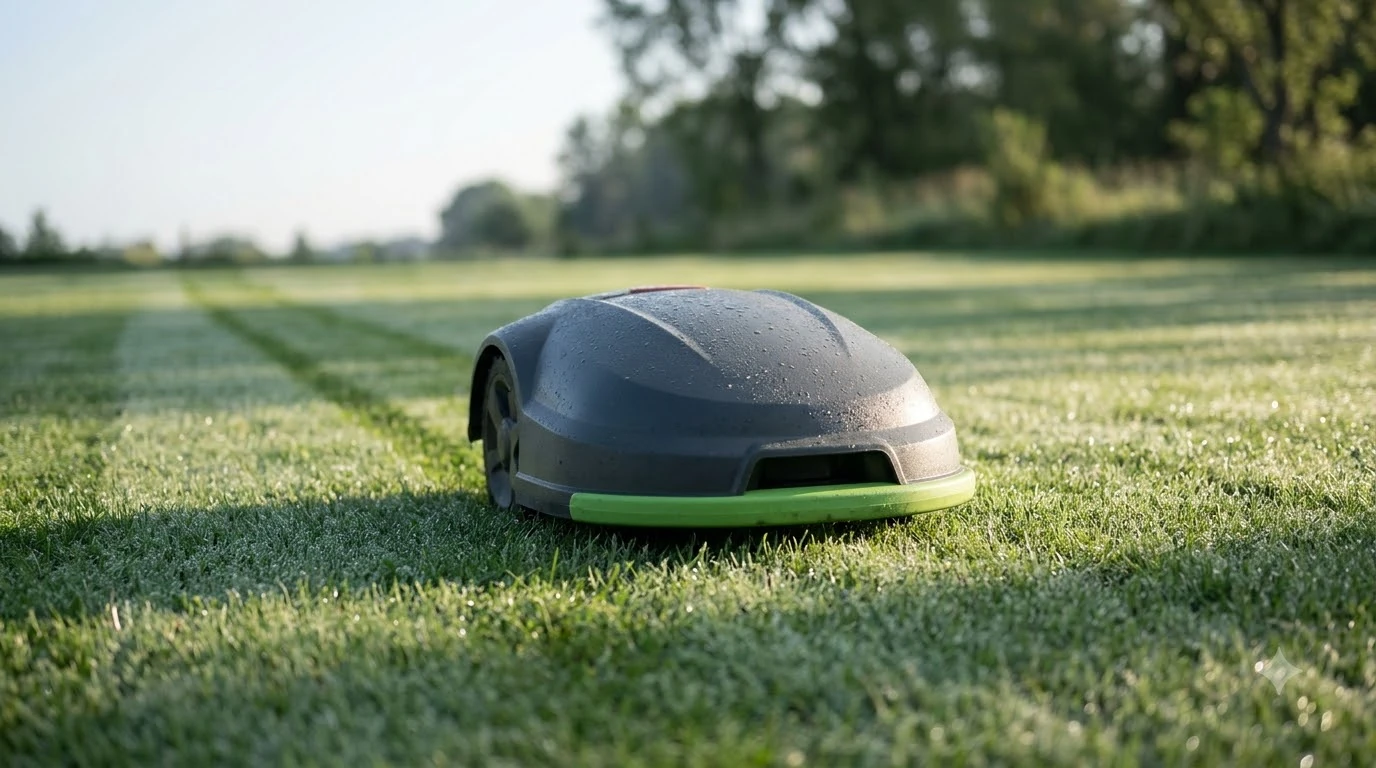

This MOVA LiDAX Ultra 1000 review covers a robot mower rated for lawns up to 0.25 acre (1,012 m²) and slopes up to 45%, with wire-free LiDAR navigation and rear-wheel drive. These are the figures on a third-party listing, not independent test results. The runtime figure conflicts with other sources, and the official MOVA product page could not be opened when this review was prepared, so check the manufacturer’s page before relying on any single number.
The short answer
- Coverage: rated for up to 0.25 acre, which is about 1,012 m² on the listing.
- Slope: rated to 45%, roughly a 24-degree grade. That is a ceiling, not a working target.
- Navigation: 360-degree 3D LiDAR with AI vision and no RTK base, according to the listing.
- Cutting: 8-inch cutting width, 1.2 to 3.9 inches of height, and an UltraTrim 1.0 edge tool.
- Runtime: the listing says 120 minutes per charge, but other sources give a lower figure, so treat this as unsettled.
- Not confirmed: battery capacity, noise level and warranty terms beyond the 3-year length.
MOVA LiDAX Ultra 1000 review: specs as listed
This mova lidax ultra 1000 review starts with the figures on the listing. The table below uses the listing only, with the conflicting runtime shown as a separate note.
| Spec | What the listing shows | Note |
|---|---|---|
| Maximum area | 0.25 acre (1,012 m²) | Rated limit |
| Maximum slope | 45% | Rating ceiling |
| Drive | Rear-wheel drive | As listed |
| Cutting width | 8 in (20.3 cm) | Listed |
| Cutting height | 1.2 to 3.9 in (30 to 99 mm) | Range listed |
| Edge cutting | UltraTrim 1.0 | Listed name only |
| Navigation | 360-degree 3D LiDAR with AI vision, RTK-free | No boundary wire, per listing |
| Runtime and charge | 120 minutes; 150 minutes to charge | Conflicting figure, see below |
| Weight | 30 lb (13.61 kg) | Listed |
| Water rating | IPX6 | Listed |
| Obstacle climb | 1.6 in (41 mm) | Brand-listed figure |
| Warranty | 3 years | Terms not listed |
What 0.25 acre means on a real yard
A 0.25-acre rating equals about 1,012 square metres. That is a modest yard by suburban standards, but the listed area is a maximum, not a guarantee that every yard of that size will mow in one charge cycle. Shape matters: a long, narrow lawn with many beds uses more of the rated area than a square one of the same size. Measure your lawn’s area before you buy, and leave some margin below the rated figure. Our guide to what a quarter-acre lawn looks like helps you picture the rated area before you compare it with your own yard.
What 45% slope means in practice
A 45% slope rises 45 cm for every 100 cm of horizontal distance, which is about 24 degrees. The slope formula is vertical rise divided by horizontal distance, multiplied by 100. Husqvarna’s steep-slope guide says areas that are too steep should be excluded from the installation, and that slipping risk rises on steep ground, especially when it is wet.
Eufy, a robot mower retailer, calls the maximum rated slope “an absolute limit rather than a target for daily mowing.” Because Eufy sells these machines, treat that as vendor advice rather than independent testing. Our reading is that a 45% rating is a limit to keep well away from, not a grade to design a yard around. Our guide on how to measure yard slope explains how to check your own grade first.
Heads up
Wet grass, worn wheels and a continuous slope all reduce grip. Before buying, walk the yard with a level or a phone app and mark any zone near 45% as a no-mow area.

Rear-wheel drive on the listing
The listing describes the Ultra 1000 as rear-wheel drive. Drive layout affects how a mower handles wet or steep grass, because the powered wheels are the ones that have to pull the machine uphill. The listing does not explain how the drive system performs on any particular grade, and this review did not find an independent test that does. Our reading is that drive layout should be checked alongside slope on the lawn itself, rather than read from the rating alone.
Navigation without a boundary wire
The listing says the Ultra 1000 uses 360-degree 3D LiDAR with AI vision and needs no RTK base station. LiDAR builds a map of the surroundings from laser distance readings, and the camera handles recognition of objects in the path. MOVA makes the same no-wire, no-RTK claim in its own blog, labelled there as brand marketing. The claim is consistent across those pages, but no independent test data was found for dusk, rain or dense shade.
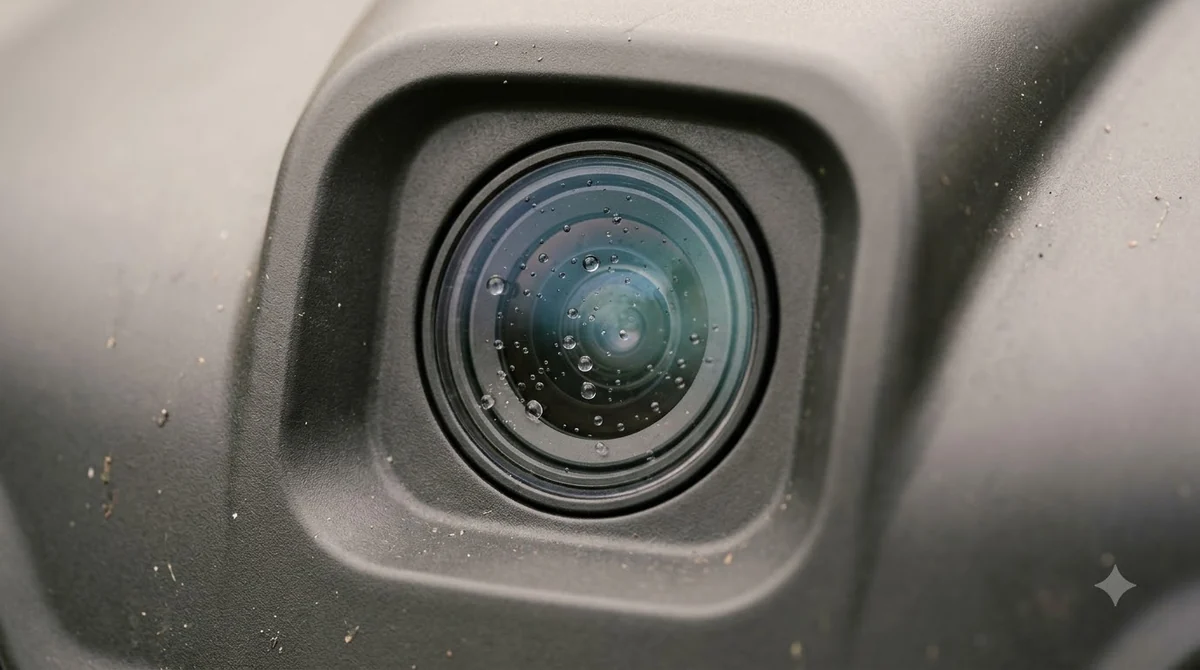
Before buying, look for a manual that explains how the mower learns the boundary of your lawn, and how it handles a driveway or a garden bed inside the yard. Those setup steps show more about fit than the feature list does. Our guide to wire-free versus boundary wire mowers compares the two setup styles.
Cutting width, height and the edge tool
The listed cutting width is 8 inches, so a yard with a lot of edging will take more passes than one with wide open lawn. The cutting height range of 1.2 to 3.9 inches is listed without a grass-species guide, and the right height depends on the grass. Our reading is to set the height by species, not by the top of the range, and UC IPM’s mowing guidance recommends removing no more than one-third of the leaf length at one time.
The listing names an UltraTrim 1.0 edge tool, but it gives no cutting width or motor figure for that tool. Treat the edge function as a listed feature rather than a measured result.
Runtime and charging, with a conflicting figure
Runtime is the biggest gap in any mova lidax ultra 1000 review built on listing data. The listing gives 120 minutes of runtime per charge and 150 minutes to recharge. A search summary of MOVA’s own US and Canadian product pages gave a lower runtime, 60 to 80 minutes per charge. We could not open those MOVA pages in this review, so we cannot say which figure is correct. A runtime difference that large changes how many charge cycles a yard needs, so check the figure on the manufacturer’s page, and ask the seller in writing if the two disagree.
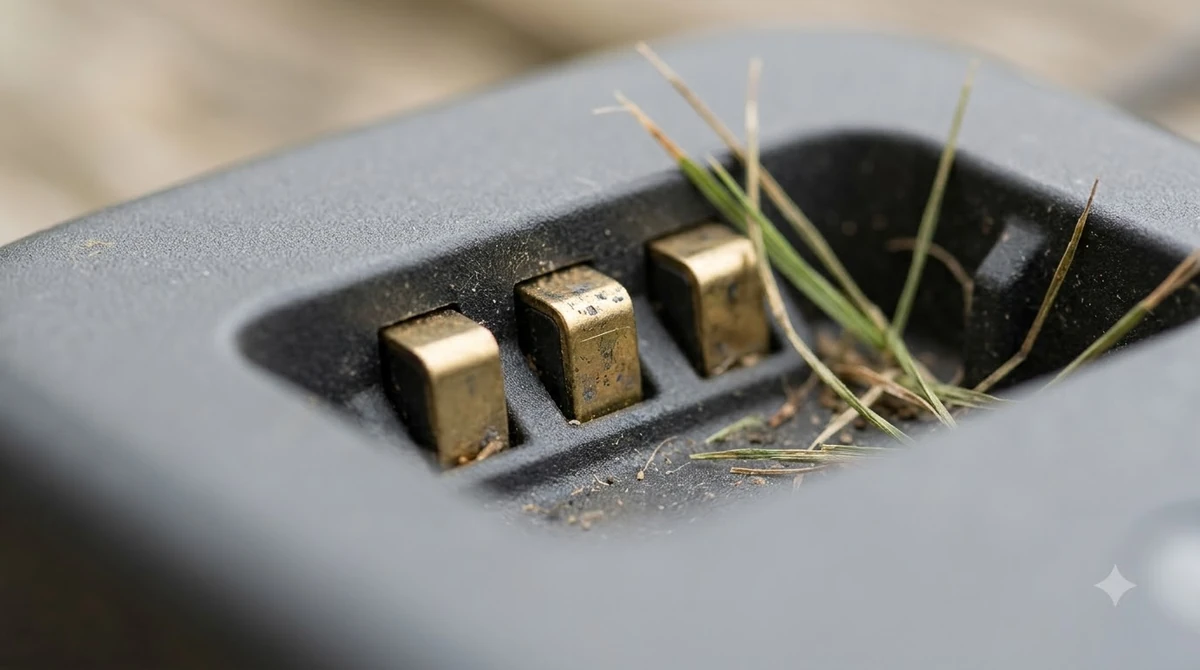
The listing does not give the battery capacity, and search summaries gave different values for it across MOVA listings. Leave that figure out of any buying decision until the manufacturer’s spec sheet confirms it. Charging time matters for a yard that needs a long cut, so the 150-minute charge figure should be checked as well.
Obstacle climb and what the listing says
The listing gives an obstacle climb height of 1.6 inches (41 mm). That is a brand-listed figure, and the listing does not say what kinds of objects it applies to. The mower is rated IPX6, which describes water protection for the mower body. Those are published claims, not independent measurements, so read them as a starting point rather than a guarantee for a yard with stones, roots or low edging.
What the specs leave out
The pages read here leave out the battery capacity, the noise level, the conditions behind the runtime figure, and the full warranty terms beyond the 3-year length. No independent test data was found for this model, so a mova lidax ultra 1000 review like this one can only report what is published. Prices are not stated here, because they change and this site does not list fixed prices. Check the official product page and warranty card before buying. For a larger model from the same brand, our MOVA LiDAX Ultra 3000 AWD review covers its published specs.
Who this model suits, in our reading
Our reading for this mova lidax ultra 1000 review is that the Ultra 1000 suits owners with a lawn at or below about 0.25 acre, mild slopes well under 45%, and a wish to avoid a perimeter wire. It is a weaker fit for larger yards, steeper ground, or buyers who need a confirmed runtime for planning. No ranking is implied: the right choice depends on the lawn’s size, slope and the owner’s setup preferences. If you are weighing it against a rival, see our MOVA LiDAX Ultra 1000 vs ECOVACS GOAT O1000 LiDAR Pro comparison.
Frequently asked questions
Does the MOVA LiDAX Ultra 1000 need a boundary wire?
The listing says no. It describes LiDAR and AI vision navigation with no perimeter wire and no RTK base station. Check the manual’s setup steps for your yard before buying.
What does a 45% slope rating mean?
A 45% grade rises 45 cm for every 100 cm of horizontal distance, about 24 degrees. It is the listed maximum, and wet grass or worn wheels reduce real grip, so running at the limit is not a daily target.
How long does the Ultra 1000 run on one charge?
The listing gives 120 minutes, but a search summary of MOVA’s own pages gave 60 to 80 minutes. The two sources disagree, and this review could not open MOVA’s page to settle it. Check the manufacturer’s spec sheet before planning around any figure.
Is the Ultra 1000 large enough for a 0.25-acre yard?
The rated area is 0.25 acre, which matches a yard of that size on paper. Shape, beds and obstacles can use up the margin, so measure your lawn and leave some room below the rating.
Sources
- Smart Home Compared, MOVA LiDAX Ultra 1000 listing (third-party): area, slope, drive, cutting width and height, navigation, runtime, charge time, weight, IP rating, obstacle climb and warranty length.
- Husqvarna, how to optimise a robotic lawn mower installation for steep slopes (manufacturer): slope formula, exclusion of steep areas, slipping risk.
- Eufy, robot lawn mower slope limits (retailer): maximum slope as an absolute limit, wet grass grip.
- UC IPM, mowing amount guidance (university extension): one-third leaf removal rule.
 Up next8 min readReviews & CompareMOVA LiDAX Ultra 3000 AWD Review: Specs and Slope LimitsUpdated Nov 16, 2026
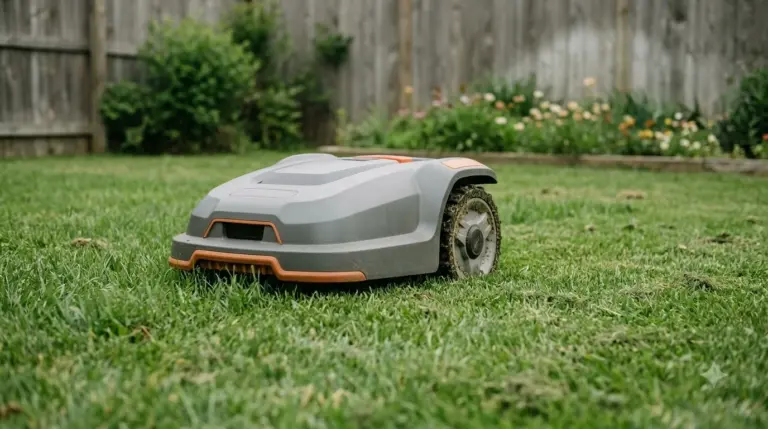 7 min readReviews & CompareMOVA LiDAX Ultra 2000 Review: Specs, Slope and LimitsUpdated Nov 12, 2026
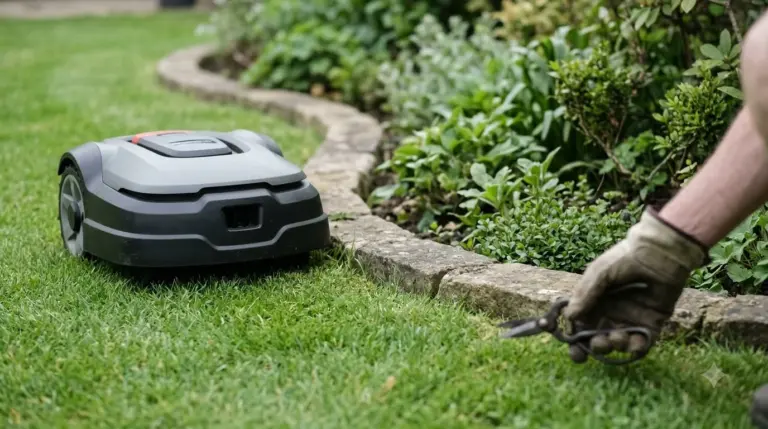 7 min readReviews & CompareMOVA LiDAX Ultra 1000 vs ECOVACS GOAT O1000 LiDAR PRO: Which Fits Your Lawn?Updated Nov 16, 2026
 8 min readReviews & CompareMOVA LiDAX Ultra 2000 vs Segway Navimow X3: Specs ComparedUpdated Nov 11, 2026
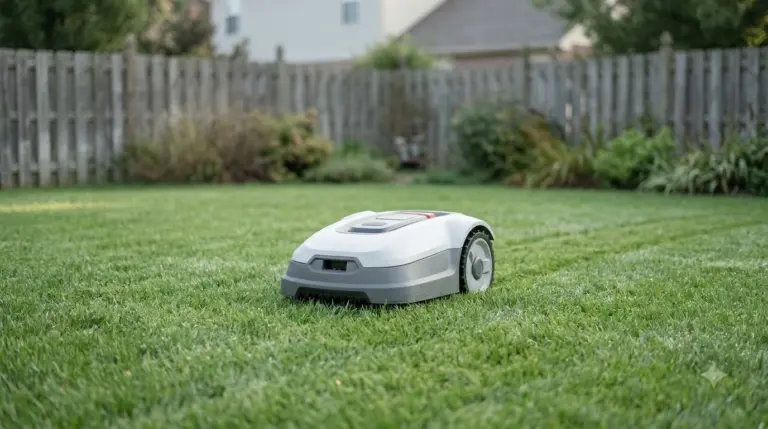 8 min readReviews & CompareMOVA LiDAX Ultra 2000 vs Dreame A2: Published Specs ComparedUpdated Nov 13, 2026
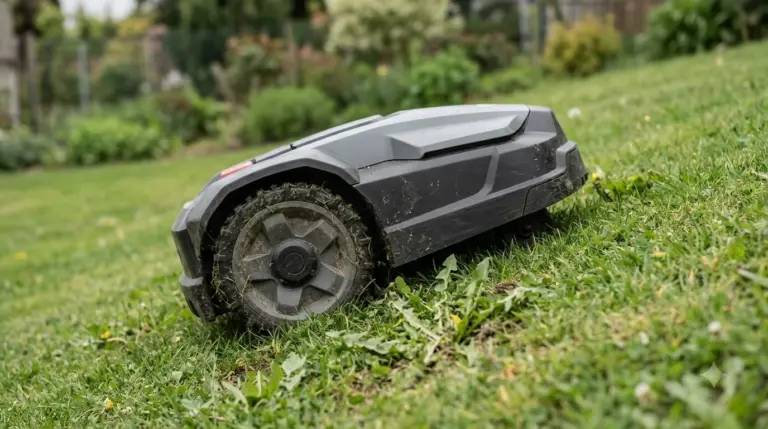 7 min readReviews & CompareMammotion LUBA 3 AWD vs MOVA LiDAX Ultra 2000: What the Published Specs ShowUpdated Nov 13, 2026