

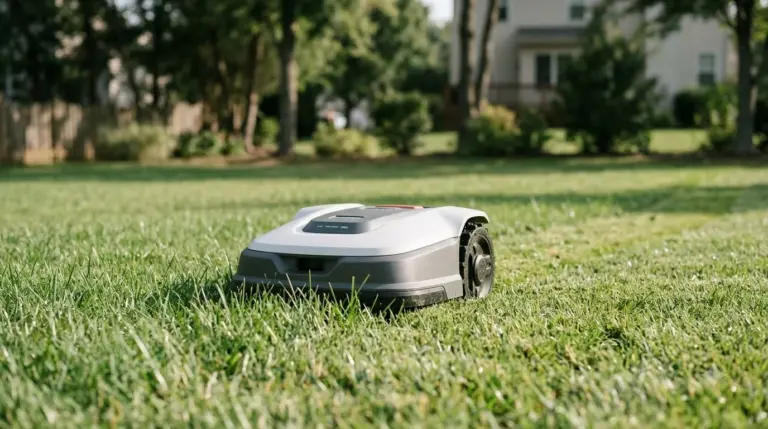
Is the Anthbot Genie worth it? For a small to mid-size yard where you want quiet mowing and little ongoing work, yes. For a large lot or a hard-to-map yard, the case is weaker. Reviewers agree on the strengths: quiet operation, reliable obstacle handling and simple app control. They also agree on the weak point, which is the RTK base station and the mapping work on bigger lawns. This guide shows where that line falls so you can decide with your own yard size in mind.
The short answer
- Worth it for: small to mid-size yards that are fairly open and easy to map.
- Harder to justify for: large lots, and yards where the RTK base station is hard to place or has to move often.
- Main trade-off: wire-free convenience in exchange for setup work on the positioning side.
- Our reading: measure the yard and plan the base position before you buy, because that decides most of the experience.
How the Genie finds its way around
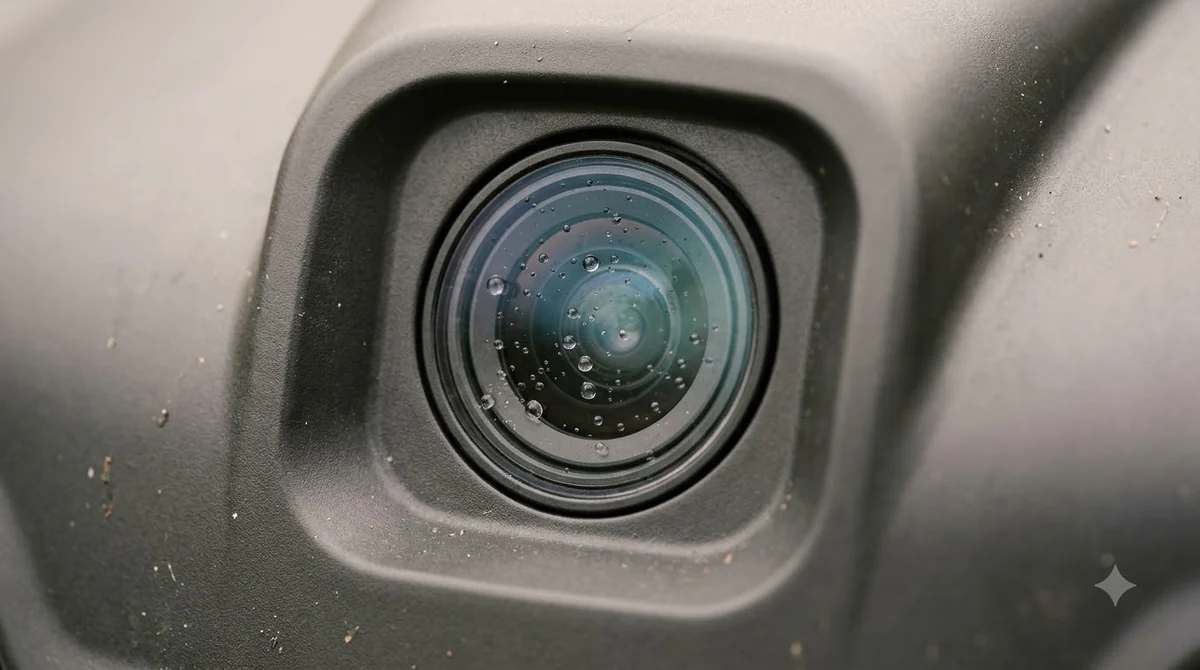
The Genie does not use a buried boundary wire. Electrek’s review of the Genie 3000 describes it as a wire-free mower with no boundary cable to install or check, which is the main reason people look at it for yards with awkward edges. Notebookcheck’s reviewer reports that it combines RTK positioning, LoRa and 4G with a four-camera 3D vision system. In practice, a base station has to be placed and mapped, and the cameras handle what the satellite positioning does not. Anthbot sells more than one model, and Anthbot M5 trade-offs help you compare the Genie with the rest of the lineup.
That split matters. Positioning decides where the lawn is, and the cameras decide what to stop for. The setup depends on the base position as much as on the mower itself.
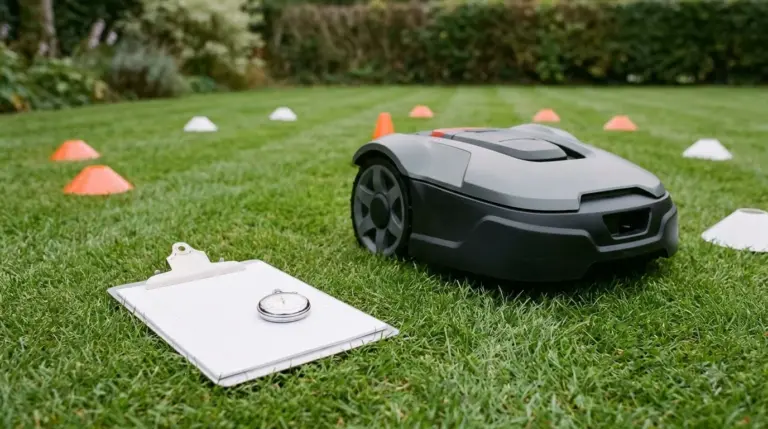
For a first-time buyer, the practical checklist is short. Measure the lawn, pick a spot for the base station with a clear view of the sky, which RTK positioning generally needs, and plan a route for the mower to reach its dock. Re-mapping after the base moved was one of the main complaints in the reviews we read, so the placement decision matters more than any single setting. Give the setup a full week before you judge it, because the first mapping pass is the part most likely to need correction.
Where reviewers found it strong
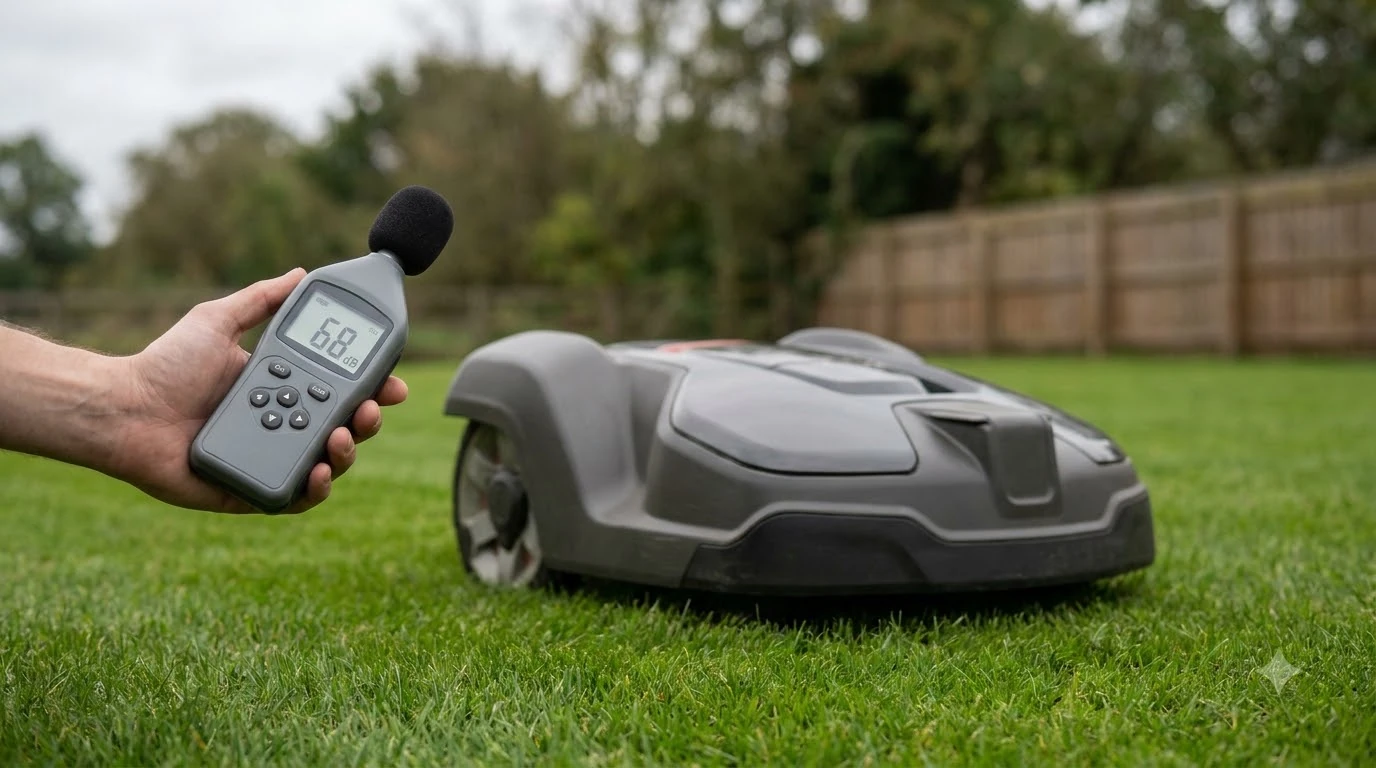
Two things came up most often in the reviews we read: noise and obstacle handling. Notebookcheck measured the Genie at 66.2 dB while cutting and called it quiet. Electrek reported reliable avoidance of pets, hoses and potted plants, and said the straight, even passes generally returned to spots the mower had missed. Reviewers do not always agree, and Anthbot Genie review notes collect the main praise and complaints in one place.
The app covers what most owners look for: zones, no-go areas, cutting height, scheduling and live monitoring. Electrek also noted anti-theft features, including device binding and a PIN lock. Notebookcheck’s reviewer said software updates arrived often during the review period, which is a sign the product is still being developed.
Where it falls short
The biggest complaint is the RTK side. Notebookcheck’s reviewer said the base station took 10 to 15 minutes to connect, and that the mower had to be remapped whenever the base moved, even slightly. Larger yards made GPS mapping tedious. The reviewer suggested the optional extended RTK cable and wall bracket might help with placement. Where it falls short, alternatives to the Genie list other mowers that cover the gap for similar lawns.
- False positives: the camera stopped for a fallen magnolia leaf during Notebookcheck’s testing.
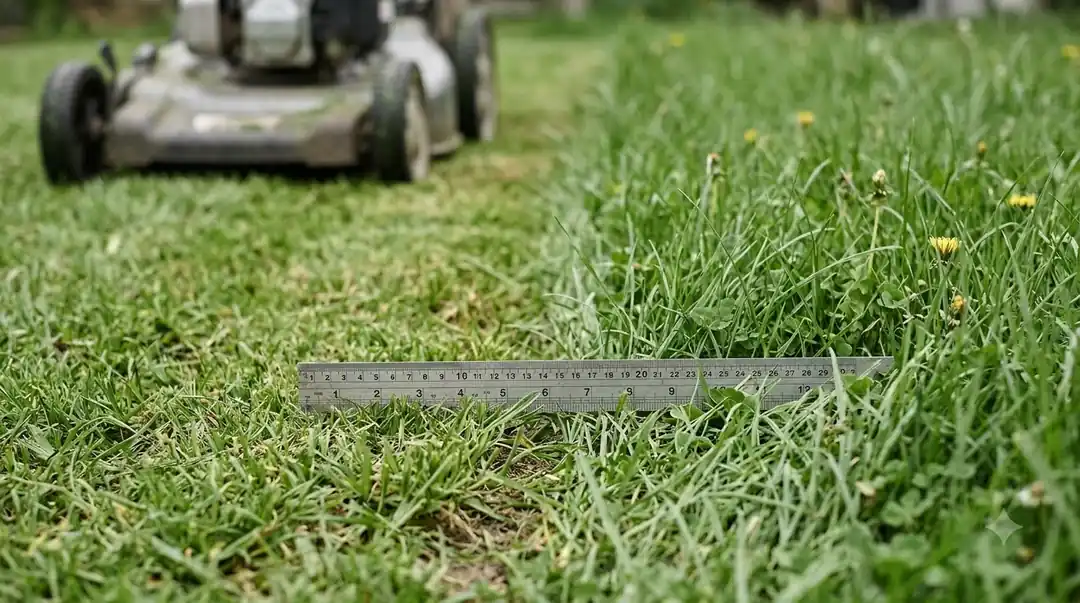
- Streaks: the reviewer reported streaks on the lawn and often needed two passes for a clean finish.
- Edging: Electrek found edging not perfect, and Notebookcheck found edge cutting on a steep downhill stayed unfinished.
- Cutting width: Electrek called the 7.9-inch cutting width narrow, while noting it matters less when the mower works on its own schedule.
How to judge the cost against mowing
Price differs by region and model, and it has changed since these reviews were published, so check a current listing rather than an old figure. A useful way to decide is to compare the purchase price with what you would otherwise pay a mowing service or spend on a cheaper mower that takes more of your time. Add the cost of replacement blades and, later, a battery, and check the warranty terms for your country. Cost depends on support as well as price, and Anthbot Genie warranty terms are worth reading before you commit. A related model changes the value equation, and the Anthbot Genie600 review summary shows how the numbers differ. Cost is easier to judge with alternatives in view, such as LUBA 3 and Navimow compared head to head.
Our reading is that the value comes from time saved, not from the mowing result alone. If the yard is small and simple, the time saving is easy to see. If the yard is large, the setup work eats into that saving.

Who it suits and who should skip it
The Genie suits owners of small to mid-size yards who want a quiet mower with little ongoing work and who are comfortable placing a base station. Notebookcheck’s reviewer recommended it for small yards and said results may vary on larger spaces. Electrek’s reviewer said it is not the right choice for mowing several acres. If you are choosing between two Anthbot models, Anthbot M5 versus the Genie compares the features directly.
It is a weaker fit for large lots, for yards where the base cannot sit in a clear spot, and for owners who want to avoid any mapping work at all. In those cases, compare it with models that use a different positioning method before you decide.
Related reads: For a view across brands, Anthbot against Navimow compares positioning, setup and the type of lawn each one suits.
Frequently asked questions
Is the Anthbot Genie worth the money?
For a small to mid-size yard with a fairly simple layout, reviewers found the mowing quality and low effort a fair trade. For large lots, the RTK mapping work is the main reason to hesitate.
Does the Genie need a boundary wire?
No. Electrek describes it as wire-free. It still uses an RTK base station for positioning, so some setup is required.
How loud is it?
Notebookcheck measured about 66 dB while cutting and described it as quiet for a mower of this type.
What is the biggest drawback?
The RTK setup and the need to remap whenever the base station moves. Larger yards add more mapping work on top of that.
Sources
- Electrek review of the Genie 3000 (tech news site): used for the wire-free operation, obstacle avoidance, app features, anti-theft features and the cutting width comment.
- Notebookcheck review of the Genie (tech review site): used for the RTK setup, the 66.2 dB noise figure, the four-camera vision system and the verdict on small yards.
 Up next8 min readReviews & CompareIs the Sunseeker Elite X5 Worth It? Verdict by Yard TypeUpdated Nov 16, 2026
 10 min readReviews & CompareIs the Sunseeker X7 Worth It? Verdict by Yard TypeUpdated Nov 16, 2026
 8 min readReviews & CompareANTHBOT vs Navimow: Listed Specs for Genie 600, i105N and i206 AWDUpdated Nov 16, 2026
 7 min readReviews & CompareAnthbot Genie Alternatives: What the Specs ShowUpdated Nov 15, 2026
 7 min readReviews & CompareAnthbot Genie Warranty: What the Terms Cover and ExcludeUpdated Nov 15, 2026
 8 min readReviews & CompareAnthbot M5 vs Anthbot Genie: Smart Spec ComparisonUpdated Nov 14, 2026