

The Lymow robot mower is a wire-free model built around RTK positioning, vision, and a 16-inch cutting deck, and it suits sloped or obstacle-heavy yards more than flat, well-kept lawns. The brand’s own specs and the independent reviews we read agree on the basics, but they disagree on a few numbers, so this guide sets out what the sources say and where they conflict. Use it to decide whether a Lymow robot mower fits your yard before you compare prices.
The short answer
- Navigation: RTK satellite positioning with VSLAM and vision, so no perimeter wire is needed.
- Cutting: a 16-inch dual rotary deck with a cutting height of 1.2 to 4.0 inches.
- Coverage: the brand lists about 0.57 acre per charge and up to 1.73 acres per day with recharging.
- Weak spots: the reviews flag noise, weight, the app, and the display in bright light.
- Who it suits: owners of sloped or cluttered yards who want wire-free setup, not owners of flat, well-kept lawns.
What the Lymow robot mower is built to do
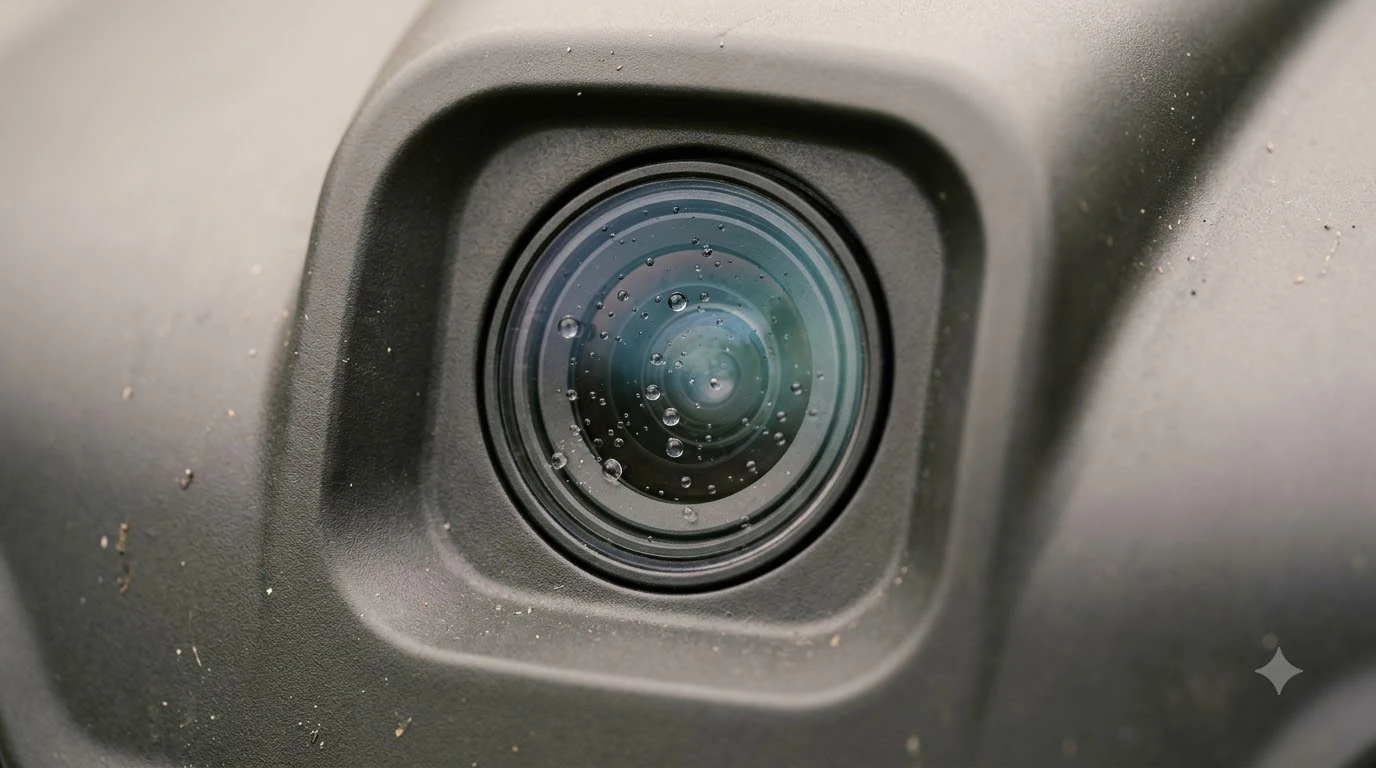
The Lymow robot mower uses RTK GPS together with VSLAM, an AI vision system, five ultrasonic sensors, and a contact bumper. The brand’s US product page lists an RTK base station, antenna, and pole in the box, which means setup involves placing the base station rather than burying a wire. The page also lists support for up to 80 zones and a limited warranty of up to three years. Readers weighing the cost can check the Lymow One value question once the spec detail is clear.
The reviews we read describe the same approach. Freshly Charged, which reviewed the original Lymow One in 2024, notes that the mower operates without a perimeter wire. Geeky Gadgets calls it a boundary-free robot mower, but its writer advises waiting for user reviews because the product is not fully polished.
Cutting, coverage, and battery specs
The cutting figures are consistent across the sources. The deck is 16 inches wide, with dual rotary blades. The official page lists a cutting height range of 1.2 to 4.0 inches, which matches the 2024 review’s spec table. Coverage claims are easier to judge in a rival matchup, such as Lymow One Plus against Navimow X430.
| Spec | What the sources say |
|---|---|
| Cutting width | 16 inches, dual rotary blades |
| Cutting height | 1.2 to 4.0 inches |
| Coverage | About 0.57 acre per charge, up to 1.73 acres per day with recharging (brand figures) |
| Battery | LiFePO4, 15 Ah; the brand’s lab cycle claim of 2,000 cycles is unnamed |
| Charge time | About 90 minutes at 10 A, or 150 minutes at 5 A, from 10 to 90 percent |
| Weight | About 78.5 lb per the brand page, 77.6 lb per the 2024 review |
| Water resistance | IPX6 |
The coverage numbers for the Lymow robot mower are the brand’s figures, and the 2024 review repeats them with a caveat. Actual coverage depends on the shape of the yard, the cutting height, and how often the mower has to return to charge. Plan for the lower figure if your yard is irregular.
Where the sources disagree
The clearest conflict in the Lymow robot mower specs is the slope rating. The brand page describes a maximum of 45 degrees, which it equates with 100 percent incline. The 2024 review lists a spec of a 45 percent grade, which is roughly 24 degrees. These are different numbers, and they matter on a hillside. Until you confirm the rating in the manual for the exact model, do not treat either figure as settled.
The obstacle height also varies by source. The 2024 review lists 2 inches, while a footnote on the official page cites a lab figure of 2.8 inches. Treat the lab figure as the brand’s claim and ask for the test conditions if the number matters for your yard.

Navigation under trees and buildings
RTK positioning works best with a clear view of the sky. Lymow’s own UK blog explains that under dense canopy, VSLAM takes over for up to about 10 minutes, and that it may degrade under extremely dense canopy. That is a manageable limit for a yard with a few trees, but a heavily shaded lot is a different case. Check the base station placement for your Lymow robot mower and ask whether the model needs a clear sky view for the best results.
Vision-based navigation has its own limits. General guidance from RTK and vision makers says vision depends on lighting, shadows, and camera quality, and that a system falls back to vision, inertial sensors, and odometry when the RTK signal drops. Those are vendor claims rather than independent tests, so read them as the reason to check the behavior in your own yard.
What the reviews flag
The 2024 review of the original Lymow One found the mower louder than competing models, with a 68 dB figure in the spec table, and described it as heavier and costlier to maintain. It also called the app rough, the display hard to read in outdoor light, and the battery easy to remove, which the reviewer saw as a theft risk. The reviewer’s verdict was that the mower is a poor fit for flat, well-kept lawns. A quick tally of what the sources flag is available in strengths and weaknesses of the Lymow One. Where the reviews flag trouble, owner-reported Lymow One problems give more context on how serious each issue is. Reviews of niche models are easier to place after Husqvarna, Segway and Worx compared shows how the main brands differ.
Heads up
Most of these review points come from a single 2024 review of the original model. The current Lymow One Plus may differ, so check the current user reviews and the manual before you buy.

Who a Lymow robot mower suits
A Lymow robot mower makes sense for an owner who wants a boundary-free setup and has a sloped, uneven, or cluttered yard, and who can accept the extra weight and noise. The wire-free RTK setup is the main reason to consider it over a wire-based model. To see how this tracked design stacks up against a wheeled rival, read Lymow compared with Mammotion. Buyers who skip the Lymow may also look at alternatives to the Eufy E15.
It is less compelling for a flat, well-kept lawn, where the reviewer said the mower’s strengths do not pay off. If your lawn is small and simple, compare the price and noise against a lighter model before you commit. The current price is not confirmed in this guide, so check the brand site for the price as of Nov 2026.
Frequently asked questions
Does the Lymow robot mower need a boundary wire?
No. The brand’s US product page and the 2024 review both describe a wire-free design that uses RTK, VSLAM, and vision, with a base station placed in the yard.
How steep a slope can the Lymow robot mower handle?
The sources disagree. The brand page lists 45 degrees, equal to 100 percent incline, while a 2024 review lists a 45 percent grade, about 24 degrees. Confirm the rating for your model in the manual before you rely on it.
Does the Lymow robot mower work under trees?
Yes, with limits. Lymow’s UK blog says VSLAM takes over under dense canopy for up to about 10 minutes, and that very dense canopy can degrade performance. A lightly treed yard is a better fit than a heavily shaded one.
Is the Lymow robot mower too loud or too heavy?
The 2024 review found it louder than competing models and listed a weight of 77.6 lb. The brand page lists about 78.5 lb. Both figures make manual moves hard, so consider how you will store and move it.
Sources
- Lymow US product page (brand): used for the RTK, VSLAM, and vision description, the 16-inch deck, the cutting height range, the battery and charge figures, the coverage claims, the base station and warranty details.
- Freshly Charged, 2024 Lymow One review (independent review): used for the spec table, the 68 dB noise figure, the weight, and the reviewer’s trade-offs.
- Lymow UK blog, RTK vs wire (brand): used for the VSLAM behavior under dense canopy.
 Up next6 min readReviews & CompareRockMow X130H Review: Roborock Specs, Edges and Trade-OffsUpdated Nov 13, 2026
 8 min readReviews & CompareSegway Navimow X430 Review: Specs, Coverage and Trade-OffsUpdated Nov 16, 2026
 12 min readReviews & CompareIs the Ecovacs GOAT A1600 RTK Worth It? Specs, Limits and Trade-offsUpdated Nov 11, 2026
 8 min readReviews & CompareDreame A1 Pro Pros and Cons: Key Trade-OffsUpdated Nov 16, 2026
 7 min readReviews & CompareIs the Lymow One Worth It? Coverage, Slope and Blade CostsUpdated Nov 16, 2026
 7 min readReviews & CompareLymow One Plus vs Navimow X430: Specs ComparedUpdated Nov 18, 2026