

Worx Landroid Vision vs Mammotion Luba 3 AWD comes down mostly to yard size and slope: the Worx Landroid Vision Cloud half-acre model is rated for 0.5 acre on slopes up to 30%, while the Mammotion Luba 3 AWD 3000 is rated for 0.75 acre on slopes up to 80%, according to each brand’s published figures. Both rely on satellite positioning, so the better fit depends on your lawn size, your slope and how you want setup to go. This Worx Landroid Vision vs Mammotion Luba 3 AWD comparison uses manufacturer pages and sources, not hands-on tests.
The short answer
- Yard size: Worx is rated for 0.5 acre on the half-acre model. Mammotion’s 3000 model is rated for 0.75 acre.
- Slope: Worx lists 30% (17 degrees). Mammotion lists 80% (38.6 degrees), its own figure.
- Positioning: Worx uses RTK Cloud with a stereo camera and V-SLAM. Mammotion combines LiDAR, NetRTK and AI vision.
- Setup: Neither brand’s page calls for an on-site base station.
- Our reading: in this Worx Landroid Vision vs Mammotion Luba 3 AWD matchup, a smaller, gentler yard leans toward Worx. A larger or steeper yard leans toward Mammotion. Check the exact model first.
Worx Landroid Vision vs Mammotion Luba 3 AWD at a glance
The table lines up the published figures for the two models in this worx landroid vision vs mammotion luba 3 awd matchup. Where a value was not confirmed on a page read for this article, the table says so instead of filling the gap from memory.
| Attribute | Worx Landroid Vision Cloud 1/2 acre (WR320.1) | Mammotion Luba 3 AWD 3000 |
|---|---|---|
| Rated lawn area | 0.5 acre (about 2,023 m2, our conversion) | 0.75 acre |
| Maximum slope | 30% (17 degrees) | 80% (38.6 degrees), manufacturer figure |
| Positioning | RTK Cloud, stereo camera, V-SLAM | Tri-Fusion: LiDAR, NetRTK and AI vision |
| Cutting width or deck | 8.7 in (22 cm) cutting width | 400 mm (15.7 in) dual-disc deck |
| Cutting height | 1.57 to 3.54 in, electric adjustment | Not confirmed for this article |
| Battery | PowerShare 20V 5Ah, 100 min charge time | Not confirmed for this article |
| Warranty | See the warranty section below | 3 years, per the vendor site |
Treat the table as a starting point. The figures come from different pages, and the two brands do not measure every item the same way, so compare each row against the exact model you are considering.

Lawn size and slope limits
Lawn area is the largest gap between the two models. The Worx half-acre model is rated for 0.5 acre and a maximum slope of 30%, which is 17 degrees. The Mammotion Luba 3 AWD 3000 is rated for 0.75 acre and 80% slope, which is 38.6 degrees, according to Mammotion’s own US blog.
Mammotion’s blog also lists the smaller LUBA mini 2 AWD 1500 at 0.37 acre, so Mammotion’s ratings depend heavily on the model. Pick the figure for the exact version you can buy, not the series headline. Lot size and slope usually decide the choice before any other feature does.
Slope matters more than area on many properties, and it often decides this choice more than size does. A flat lawn that is simply large needs capacity, while a bank that tilts past 30% needs climbing ability, and our guide to robot mower slope ratings in percent and degrees shows how to read these figures. Worx’s rating may not be enough for a steep bank, so measure your yard slope on the steepest section before comparing anything else.
How each mower finds its position
Worx describes RTK Cloud positioning, a stereo camera and V-SLAM on the Landroid Vision Cloud product page, and says no on-site antenna is needed. The camera and SLAM handle the mapping of boundaries and obstacles, while RTK supplies the position fix. Our RTK vs vision robot mower comparison explains how the two approaches differ.
Mammotion describes Tri-Fusion navigation that combines 360-degree LiDAR, NetRTK satellite positioning and AI vision cameras. It claims accuracy within plus or minus 1 cm. That is a manufacturer claim, so treat it as a best case rather than a guarantee. NetRTK runs through the cloud, so the vendor’s pages say no base station is needed on site.
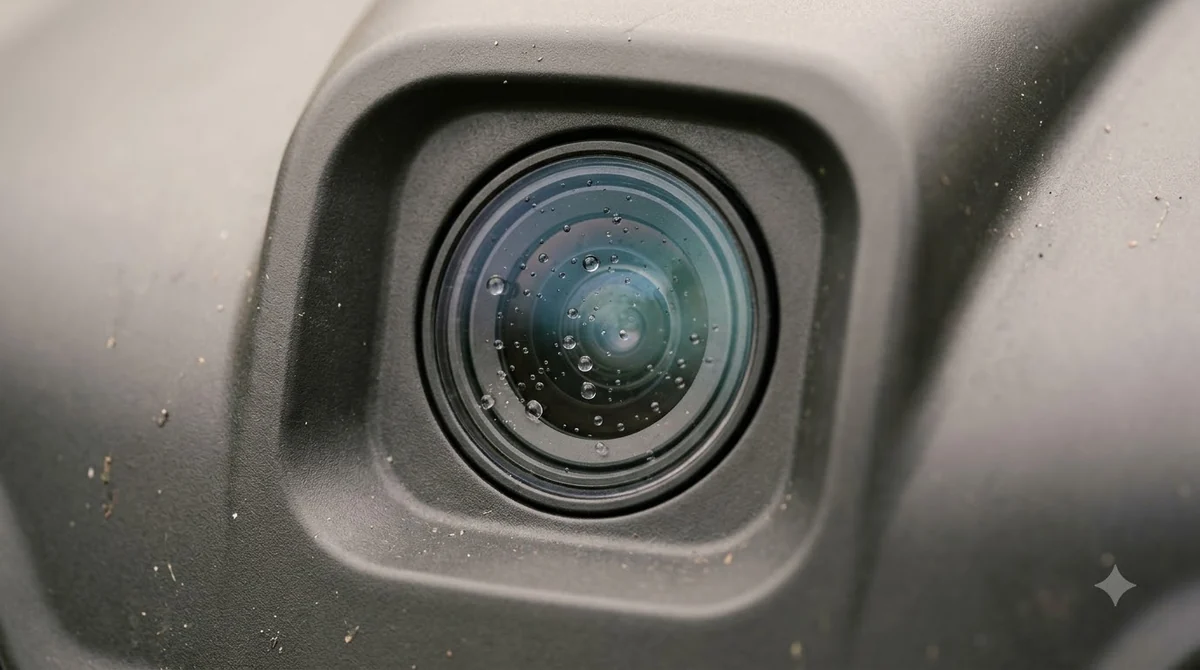
Satellite positioning works best with a clear view of the sky, so site conditions matter. Trees, tall fences and buildings can weaken the signal in either system, so check the layout of your yard before buying either mower.
Cutting deck and height range
Worx lists a cutting height range of 1.57 to 3.54 inches, adjusted electrically. Height range is a key difference in this comparison. That range sets how short you can cut the lawn, so it is the first number to check against your grass type. Mammotion’s height range was not confirmed for this article.
Mammotion lists a 400 mm (15.7 in) dual-disc deck, while Worx lists an 8.7 in (22 cm) cutting width. A disc deck and a cutting width are not measured the same way, so these two numbers should not be ranked against each other.
Heads up
Setting the height at the very bottom of a range on an uneven lawn can scalp the high spots. Raise the setting first, then lower it gradually once the mower has run a few cycles.
Setup, boundary wire and base stations
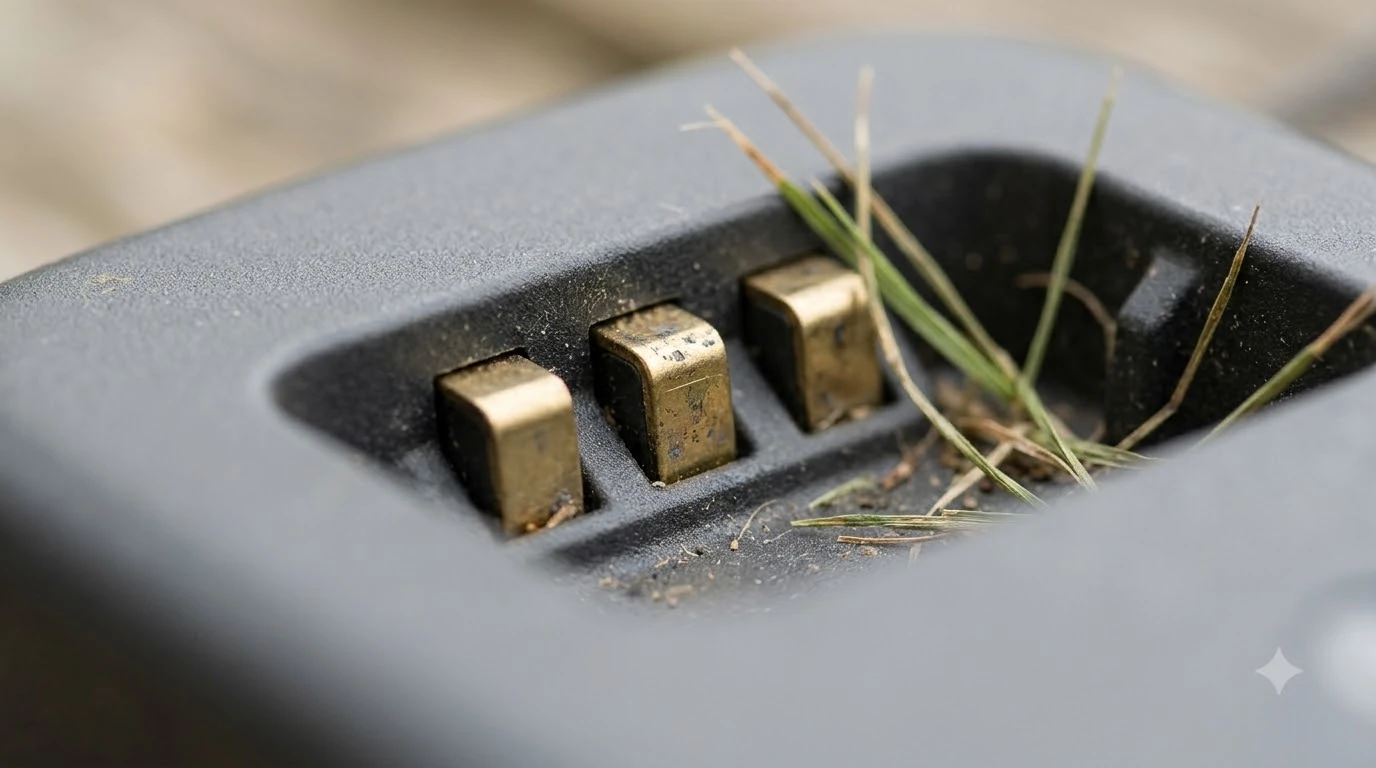
Neither brand’s page calls for an on-site base station. Worx describes wire-free setup with no on-site antenna, according to its product page. Mammotion’s NetRTK works through the cloud, so there is no base unit to place in the yard.
Wire-free systems still need a mapping pass, and the quality of that first map affects every later mow. Plan on walking the yard edges and marking obstacles before the first full run, then check the map in the app.
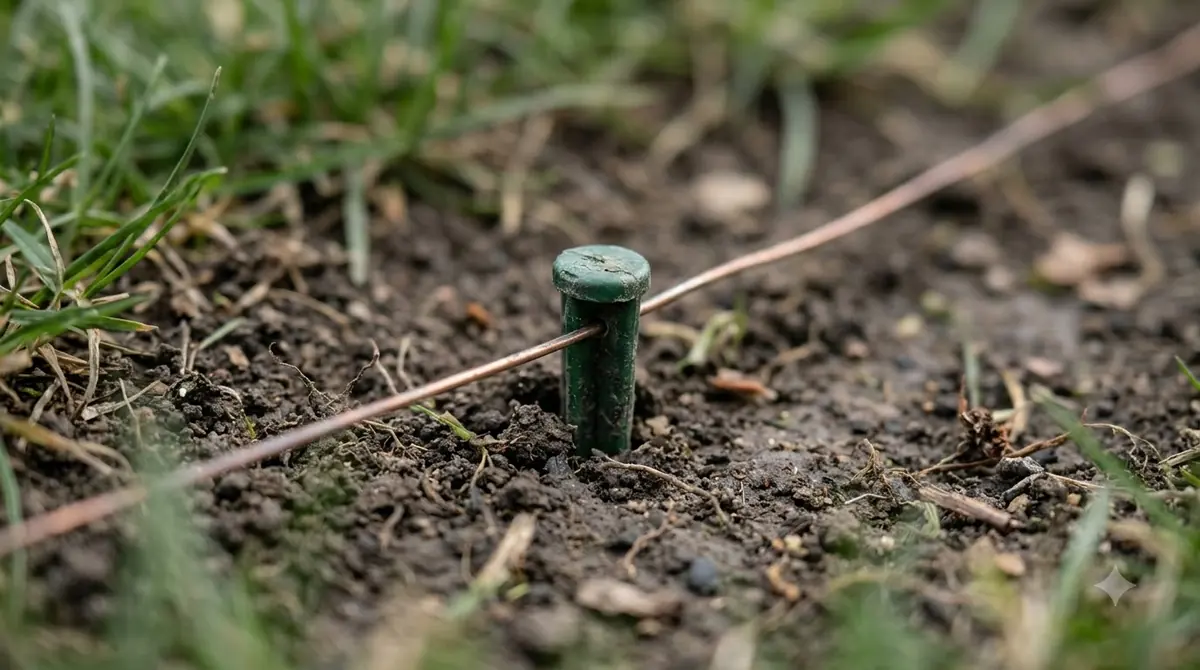
A buried or staked boundary wire is a different system altogether. If you prefer a wire-based mower for its predictability, neither model in this comparison is the right choice.
Warranty, cleaning and battery notes
Mammotion lists a 3-year warranty on its site for the Luba 3 AWD. The extended-warranty banner on the same page did not show its terms, so read the current warranty terms before you rely on any extension.
The Worx warranty statement for the EU excludes damage from cleaning methods other than hose water cleaning for the Vision Cloud range. The Worx warranty statement is the source for that rule. US terms may differ, so read the version for your country.
On battery, Worx lists a PowerShare 20V 5Ah pack with a 100-minute charge time. Mammotion’s battery spec was not confirmed for this article, so check the model page before comparing runtime.
What to check before you buy
Four checks on the exact model page will narrow the choice faster than any general comparison.
- Lawn area. Measure your lawn and compare it with the rated area, leaving margin for beds, trees and other obstacles.
- Steepest slope. Measure the steepest section and compare it with the listed slope rating for the exact model.
- Height range. Confirm your grass needs a cutting height inside the mower’s adjustment range.
- Warranty terms. Read the warranty for your country, not the headline figure on the sales page.
Who each option suits (our reading)
The Worx Landroid Vision suits a smaller, moderately sloped yard, based on its 0.5 acre and 30% ratings (see our Worx Landroid Vision review for the wider range). The Mammotion Luba 3 AWD fits larger or steeper lots, based on its 0.75 acre and 80% ratings, and our Mammotion Luba 3 AWD worth-it check looks at it on its own. Our reading is that the published numbers point to these two groups in worx landroid vision vs mammotion luba 3 awd, but the exact model still decides.
- Worx fits: a lawn up to about half an acre with moderate slopes, and buyers who want a camera and cloud RTK system.
- Mammotion fits: a lawn up to 0.75 acre with steeper sections, and buyers who want LiDAR plus NetRTK.
Neither rating is an independent test result, so treat any verdict here as provisional. Both come from the makers, so confirm the figures on the product page of the exact model before you buy.
Frequently asked questions
Which is better, Worx Landroid Vision vs Mammotion Luba 3 AWD?
Neither wins on every spec. The published figures favor Mammotion on lawn area and slope, while Worx publishes a cutting height range and battery details that were not confirmed for Mammotion here. The better fit depends on your yard size and slope.
Can the Worx Landroid Vision handle a steep yard?
Worx lists a maximum slope of 30% (17 degrees) for the WR320.1 half-acre model. Measure your steepest section against that figure before buying. Manufacturer ratings assume good grass and dry conditions.
Does the Mammotion Luba 3 AWD need a base station?
Mammotion says its NetRTK runs through the cloud and needs no base station on site. Satellite accuracy still depends on a clear view of the sky, so check your yard layout for tall trees and buildings.
How big a lawn can each mower cover?
Worx lists 0.5 acre for the WR320.1 half-acre model. Mammotion lists 0.75 acre for the Luba 3 AWD 3000 and 0.37 acre for the smaller LUBA mini 2 AWD 1500. Use the rating for the exact model you plan to buy.
Sources
- Landroid Vision Cloud 1/2 Acre (Worx): WR320.1 slope, lawn area, cutting width and height, RTK Cloud and camera navigation, battery.
- LUBA 3 AWD product page (Mammotion): Tri-Fusion positioning and the plus or minus 1 cm accuracy claim, read in an earlier run.
- Best robot lawn mower guide (Mammotion US): rated areas of 0.75 acre and 0.37 acre, and the 80% slope figure.
- Warranty statement (Worx EU): cleaning-method exclusion for the Vision Cloud range.
 Up next10 min readReviews & CompareSegway Navimow X3 vs Mammotion Luba 3 AWD: Published Specs ComparedUpdated Nov 11, 2026
 8 min readReviews & CompareMammotion LUBA 3 AWD vs Sunseeker X7: Published Specs ComparedUpdated Nov 11, 2026
 8 min readReviews & CompareMammotion Luba 3 AWD vs Dreame A2: Published Specs ComparedUpdated Nov 11, 2026
 7 min readReviews & CompareMammotion LUBA 3 AWD vs MOVA LiDAX Ultra 2000: What the Published Specs ShowUpdated Nov 13, 2026
 7 min readReviews & CompareMammotion LUBA 3 AWD vs LUBA 2 AWD: What the Published Specs ShowUpdated Nov 12, 2026
 8 min readReviews & CompareIs the Worx Landroid Vision Worth It? Model Specs Compared (2026)Updated Nov 14, 2026