
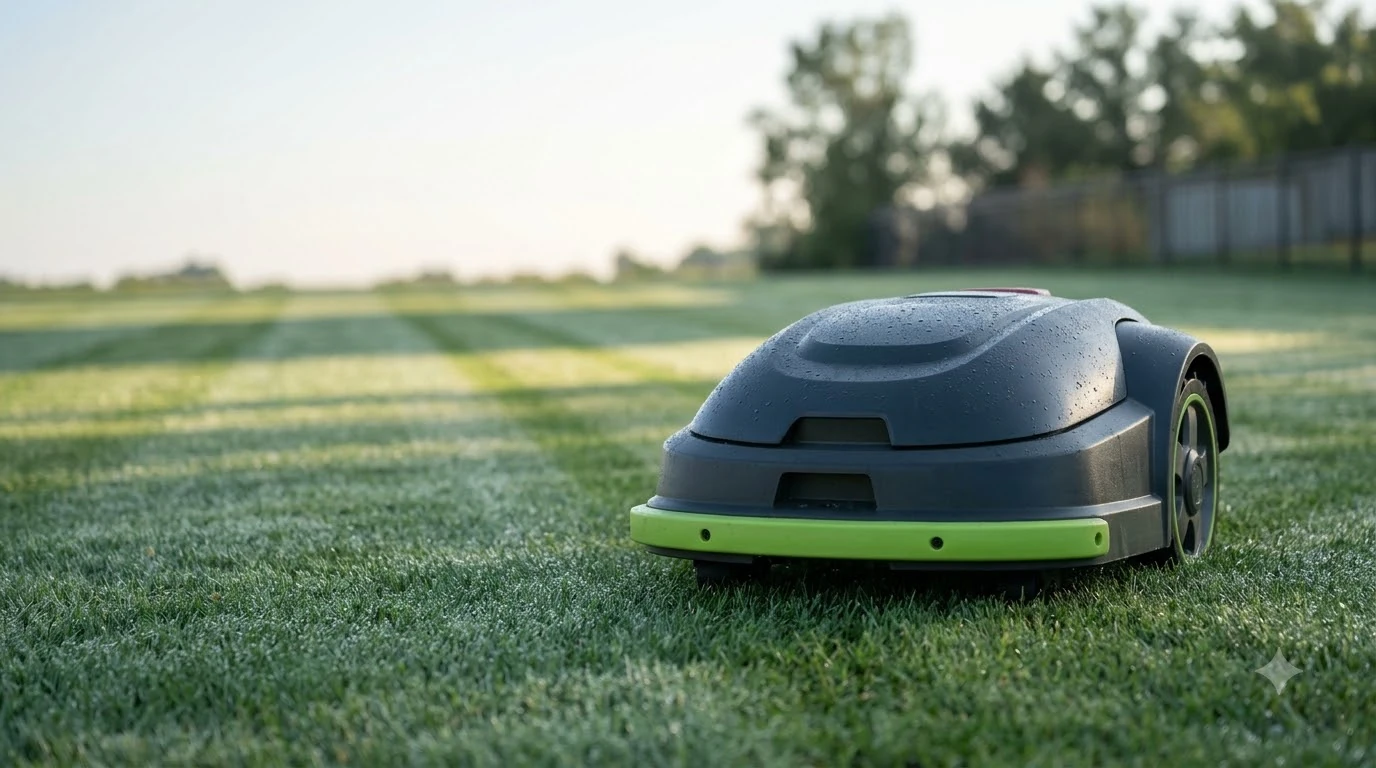

Which 4G cellular robot mower is the most accurate depends on its positioning method, not on its cellular module. A 4G module is a connection, so it does not set accuracy by itself. It adds remote control and, on some brands, correction data for positioning.
The short answer
- Accuracy comes from positioning: RTK correction, vision, LiDAR and boundary wire each work differently.
- 4G adds connection: remote control, live status and, on Mammotion models, NetRTK correction data.
- No 4G label settles it: we found no independent ranking that puts 4G mowers above others on accuracy.
- Check your setup: test 4G coverage at the install spot and confirm the subscription terms before buying.
What 4G adds to a robot mower, and what it does not
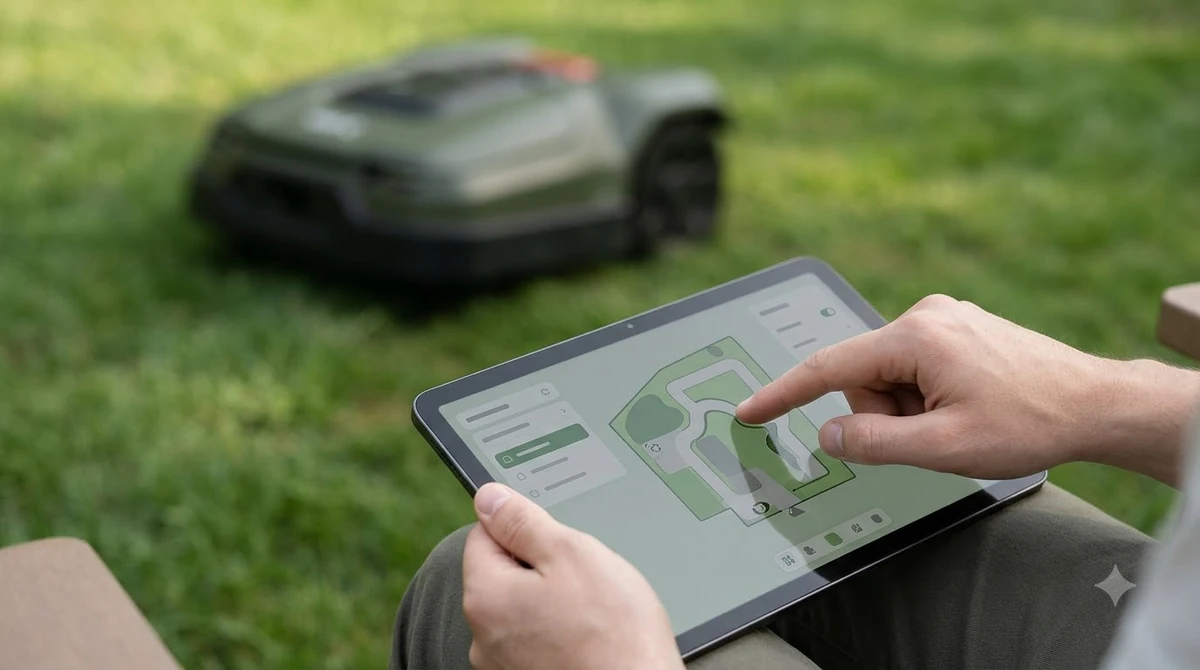
A 4G module lets a robot mower connect to a cellular network, so the app can reach it when it is outside your Wi-Fi range. Our guide to the best 4G IoT module for a robot mower covers add-on modules. Mammotion describes its 4G service as an optional upgrade, not a requirement, and says the mower can still connect over Wi-Fi or Bluetooth. The Mammotion 4G service guide lists the main features 4G enables:
- Remote control: start, pause and adjust mowing tasks from the app.
- Live status: mowing progress, battery level and the current working area.
- Live video: camera access for checking the yard.
- NetRTK positioning: correction data without a physical base station, which Mammotion says can reach centimeter-level accuracy.
The last item is the only one that touches accuracy, and it is a vendor claim for a specific setup. Remote control and live status do not make the mower navigate more precisely. When you ask which 4G cellular robot mower is the most accurate, our reading is that 4G is best judged as a feature for connection and correction data, and accuracy should be judged separately.
What sets the accuracy of a robot mower
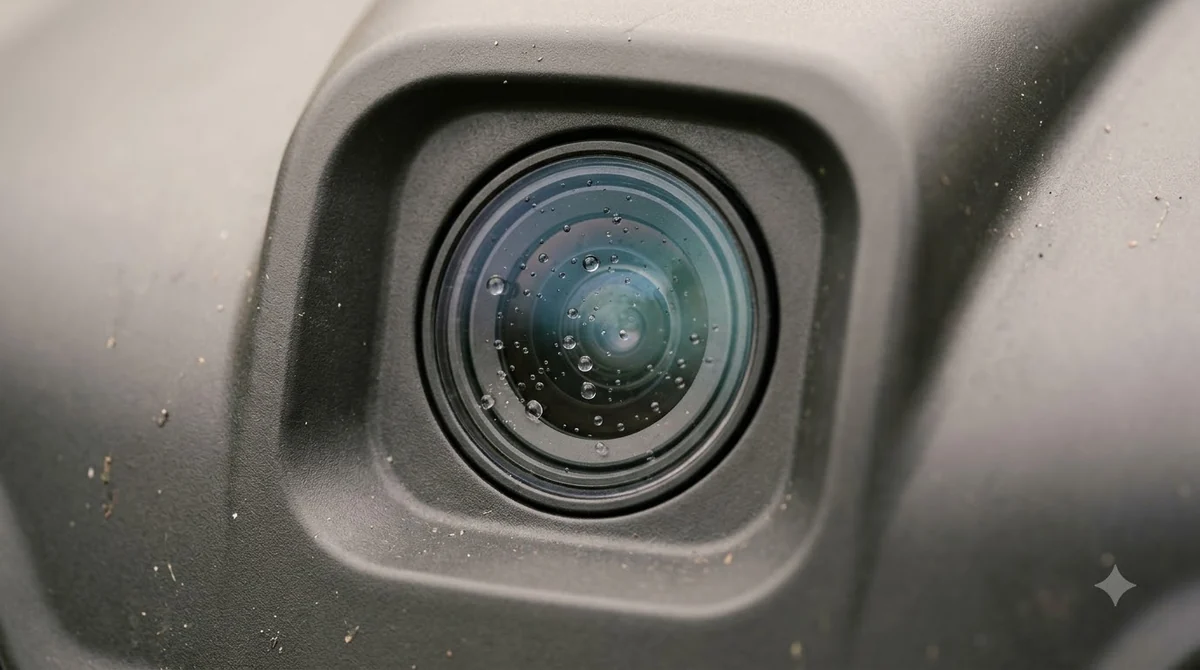
Positioning method sets the accuracy you can expect. A satellite RTK system corrects GPS signals with a reference source, while boundary wire follows a buried loop and does not depend on satellites at all. Each method has different failure points, so compare them on the same criteria.
| Positioning method | How the mower finds its place | What to check before you compare |
|---|---|---|
| RTK satellite correction | Corrects satellite signals using a reference source | Where the correction comes from (base station or 4G network), and whether it needs Wi-Fi |
| Vision (camera) | Recognizes the lawn edge and obstacles with cameras | Lighting and weather limits in the vendor manual, and what happens when the sensor is blocked |
| Boundary wire | Follows a buried perimeter wire | Installation effort and wire layout, not satellite coverage |
Connection type changes what happens when the link drops. Husqvarna says Wi-Fi-only EPOS mowers need continuous Wi-Fi coverage across the entire work area to receive satellite correction data for navigation. The Husqvarna Wi-Fi connection guide adds that reference-station setups do not need Wi-Fi to mow or navigate.
The same guide says Wi-Fi-only models support only the 2.4 GHz band, and 5 GHz networks are not supported. Some routers need 2.4 GHz switched on separately, so confirm that before you rely on a model that depends on Wi-Fi for correction data. For a broader look at connection types, see robot mower Wi-Fi, Bluetooth and 4G and cellular vs Wi-Fi robot mowers. Our reading is that a weak or wrong-band connection can leave a Wi-Fi-dependent model without its correction data, even when its positioning method is sound.
Does a 4G model beat a non-4G model on accuracy?
From the sources we read, no. A 4G label tells you about the connection, not about how precisely the mower positions itself. A search for independent accuracy rankings of 4G mowers returned only brand pages and one buying guide, with no measured comparison, so no source settles which 4G cellular robot mower is the most accurate.
Vendor accuracy figures are manufacturer claims. Mammotion’s centimeter-level figure applies to NetRTK with 4G service active, and the page does not give a test method or yard conditions. Treat it as the best case for that setup, not as a guaranteed result in your yard.
Connection loss changes behavior too. Husqvarna says a Wi-Fi plus mobile model can switch to a mobile network and keep operating when Wi-Fi is unavailable. A Wi-Fi-only EPOS mower, by contrast, stops mowing, searches for a signal and shows an error if the connection is not recovered. That is a reliability difference, so keep it separate from accuracy when you read spec sheets. For satellite-based models in general, see which satellite navigation robot mower is the most accurate.
Which 4G cellular robot mower is the most accurate for your yard?
To pick the 4G cellular robot mower that is the most accurate for your yard, compare models on the factors that change the result, not on the 4G badge. We recommend this order.
- Identify the positioning method. Read the spec sheet and note whether the model uses RTK, vision, LiDAR or boundary wire.
- Find the correction source. Note whether it comes from a base station, a 4G service or a reference network, and whether that service costs extra. Our note on an RTK network service without a base station explains one option.
- Check the Wi-Fi requirement. Wi-Fi-only EPOS models need strong coverage across the whole lawn, while Wi-Fi plus mobile models can switch to a cellular network.
- Test at the install spot. Husqvarna says phone signal is not a reliable guide, and the most reliable check is a mower at the planned location.
- Compare under the same setup. Vendor accuracy figures only make sense when the correction source and conditions match.
Coverage, subscriptions and region limits for 4G
4G coverage depends on where the mower sits. Husqvarna says its cellular connection works in most locations but may not be available in some areas, and coverage is typically strongest in cities and populated areas, with more limits in remote rural areas. A 4G cellular robot mower that is accurate in one yard can still lose its link at the far corner of another, so the install spot matters as much as the spec sheet.
| Item | What the source says |
|---|---|
| Free 4G data (Mammotion) | Depends on the model, from one month to three years, under the policy for products on sale from January 5, 2026, as of 2026-11-12 |
| After the free period | Continued 4G access needs a paid subscription; without it the mower keeps working on Wi-Fi or other connectivity |
| Listed 4G regions (Mammotion) | About 40 European countries, the USA, Canada, Australia and New Zealand; unlisted regions are not covered |
| Coverage (Husqvarna) | Most locations; strongest in cities; more limited in remote rural areas |
Subscription prices change, and the Mammotion page we read does not give a date for its price list, so check the current price on the vendor’s site before you buy. Our reading is that the subscription and region limits matter as much as the accuracy claim, because a 4G feature that stops at the end of the free period does not help with remote control.
What to check before you buy
Before you decide which 4G cellular robot mower is the most accurate for your lawn, confirm the points below against the vendor’s current documentation.
- Positioning method: RTK, vision, LiDAR or boundary wire, and how the vendor describes it.
- Correction source: base station, 4G service or other network, and whether it is included or extra.
- Wi-Fi requirement: Wi-Fi-only, or Wi-Fi plus mobile with fallback.
- Subscription term: free period length and the paid renewal after it.
- Regional availability: whether the 4G service is listed for your country.
- Install-site test: a signal and positioning check at the spot where the mower will work.
Frequently asked questions
Does a 4G robot mower navigate more accurately than one without 4G?
Not by itself. 4G is a connection, and accuracy depends on the positioning method. Mammotion says its 4G service can supply NetRTK correction data for centimeter-level accuracy, which is a vendor claim for that setup. Check the positioning method in the spec sheet before you compare models.
Which 4G cellular robot mower is the most accurate?
No source we read names one most accurate model. The answer depends on the positioning method, the install spot and your yard. Use the checklist above and compare vendor specs for the same setup.
Does a 4G robot mower need a subscription?
Mammotion’s 4G service is optional. Its free data period runs from one month to three years depending on the model, and continued 4G access after that needs a paid subscription. The mower still works on Wi-Fi or other connectivity without it.
Can a Wi-Fi-only robot mower work without Wi-Fi?
It depends on the setup. Husqvarna says Wi-Fi-only EPOS mowers need continuous Wi-Fi across the work area to receive satellite correction data, while reference-station setups do not need Wi-Fi to mow. Check which setup your model uses before you buy.
Sources
- Mammotion 4G service guide (Mammotion): 4G is optional, NetRTK correction, free data period and subscription.
- Husqvarna cellular connectivity support (Husqvarna): coverage varies by location and should be tested at the install spot.
- Husqvarna Wi-Fi connection support (Husqvarna): Wi-Fi-only EPOS correction data and reference-station behavior.
 Up next6 min readBest Robot MowersBest 4G Cellular Robot Lawn Mower 2026: How to ChooseUpdated Nov 13, 2026
 8 min readBest Robot MowersWhich Vision AI Camera Robot Mower Is the Most Accurate?Updated Nov 14, 2026
 8 min readBest Robot MowersWhich 3D LiDAR Robot Mower Is the Most Accurate? What the Numbers ShowUpdated Nov 16, 2026
 7 min readBest Robot MowersWhich 4-Wheel Drive Robot Mower Is the Most Accurate?Updated Nov 14, 2026
 7 min readBest Robot MowersWhich Satellite Navigation Robot Mower Is the Most Accurate?Updated Nov 13, 2026
 7 min readBest Robot MowersWhich No Base Station Robot Mower Is the Most Accurate?Updated Nov 18, 2026