
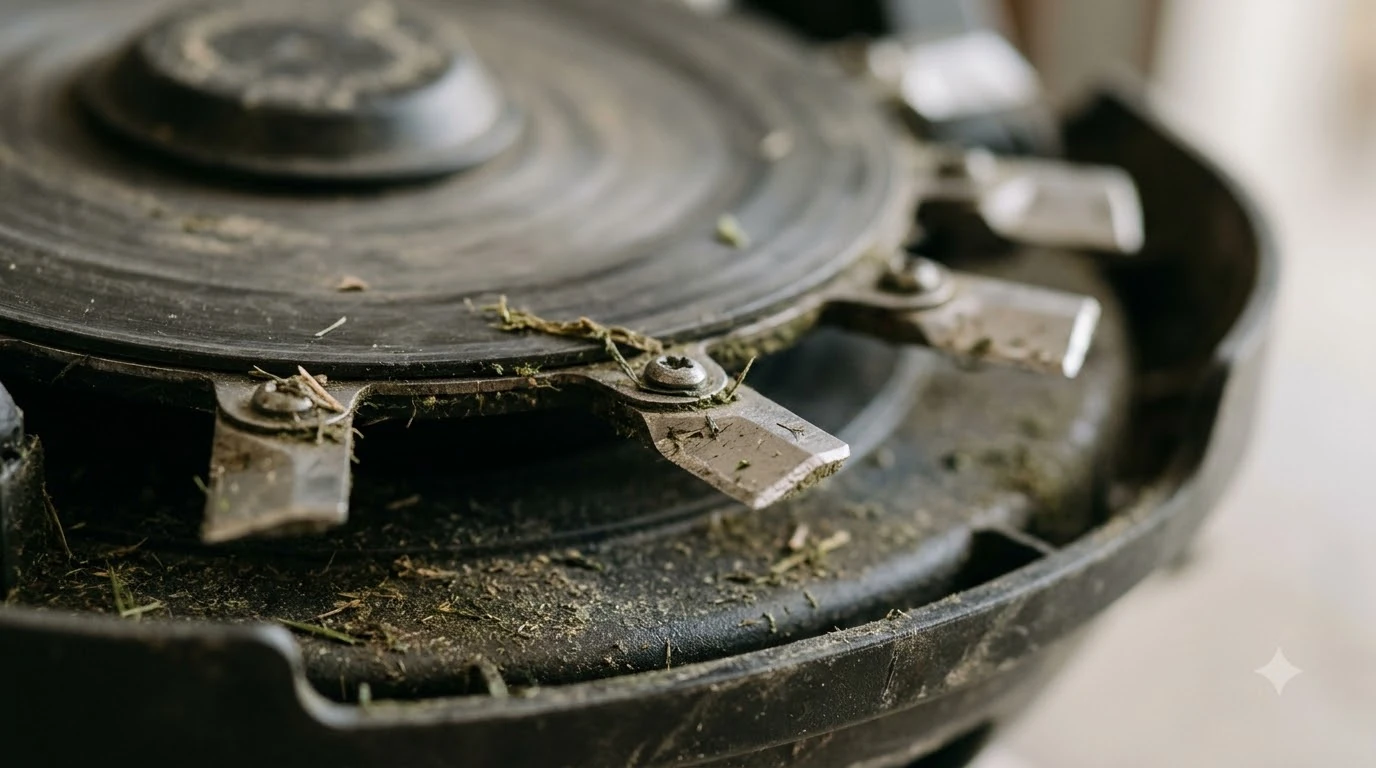

Mulching robot mower explained in plain terms: the mower cuts a little at a time and leaves fine clippings on the lawn instead of collecting them. The clippings are small enough to drop between the grass blades, where they break down in a few weeks. The method works best on healthy, dry grass that is mowed often.
The short answer
- What it does: cuts small amounts often and leaves the fine clippings in the turf.
- Why it works: chopped clippings decompose quickly and return nutrients to the soil.
- Where it struggles: wet, very long, or diseased grass, which can clump or spread disease.
- The rule to follow: remove no more than one-third of the grass blade at a time.
- When to collect: when the lawn is diseased, very long, or soaking wet.
Mulching robot mower explained: what it means
A mulching robot mower leaves finely chopped clippings on the lawn, where they break down in a few weeks. Oregon State University Extension says that clippings chopped small decompose quickly, often in just a few weeks, which is why leaving them on the lawn is generally recommended.
Husqvarna uses the term “micro-mulching” for its robot mowers. The company describes it as “the process of cutting tiny clippings daily that act as a natural fertilizer.” That description comes from a manufacturer, so read it as the design goal of the machine rather than an independent result.
A mulching mower is not the same as a standard rotary mower that happens to leave clippings behind. Mulching is built around chopping the grass finer and spreading it across the turf. A robot mower takes this idea further because it runs often, so every pass removes only a small slice of grass. Some models are sold as robot mowers with mulching blades, so check the blade design on the spec sheet.

Why the cutting pattern matters
Robot mowers cut daily, which keeps each pass to a few millimeters of blade removed. Anker, which sells the Eufy robot mowers, describes the clippings as “usually just a few millimetres long.” That frequency is what makes mulching practical, because the clippings are small enough to disappear into the lawn quickly. The route matters too, and our notes on how robot mowers choose mowing patterns explain why.
Schedules differ by brand. Husqvarna says its mower “mows your lawn a little every day,” while Anker advises running a robot mower every one to two days. Both sources describe the same idea: frequent short runs keep each cut small.
The one-third rule still applies. Oregon State advises that you remove no more than one-third of the grass blade at a time. Anker says robot mowers “naturally follow this rule because they cut small amounts frequently.” A lawn left to grow for two weeks will break the rule no matter what machine is used.
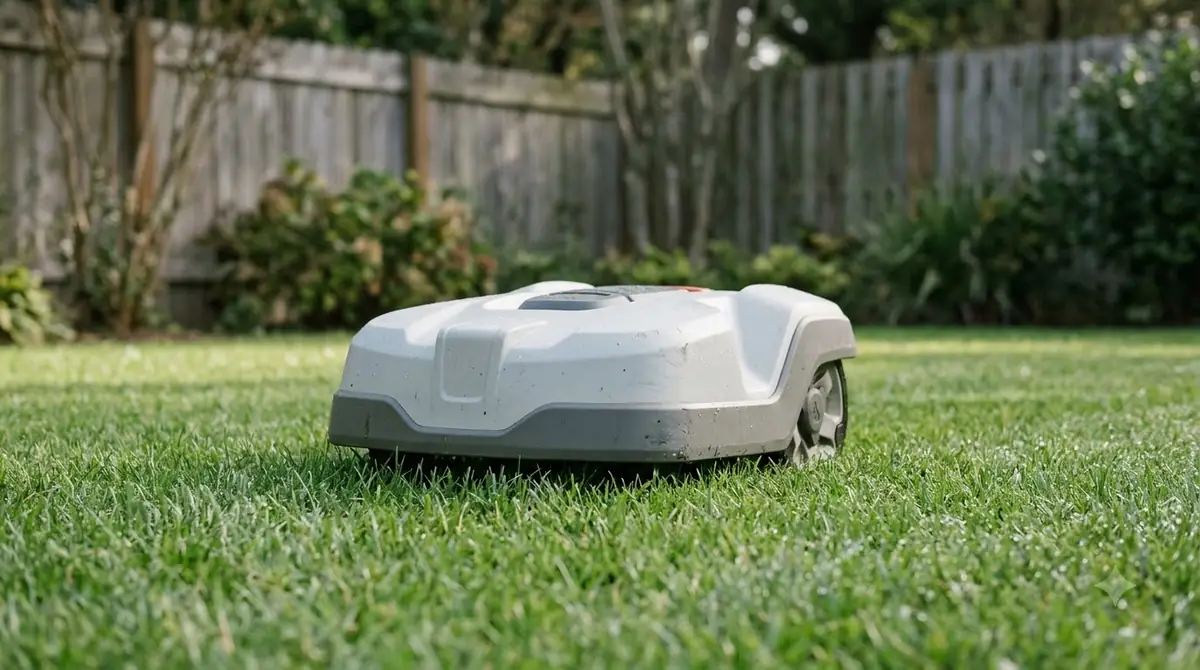
Clippings are not waste. Oregon State reports that clippings contain up to 3 to 4 percent nitrogen by weight, plus phosphorus and potassium, and that leaving them returns these nutrients to the soil and can reduce fertilizer needs. Mammotion, a robot mower maker, claims that consistent mulching can provide up to 25 percent of a lawn’s seasonal nitrogen. That is a vendor claim, and we could not check the study behind it.
Mulching does not cause thatch. Oregon State states that grass clippings do not cause thatch buildup, which is a common worry among homeowners who leave them on the lawn.
Sharp blades matter as much as the schedule. Husqvarna says its small blades should be replaced every 1 to 2 months, depending on lawn size and grass type. Its wording is that sharp blades ensure grass is sliced cleanly rather than torn, and Anker likewise notes that dull blades can tear the grass and leave the lawn looking uneven. Our guide on how often to replace robot mower blades covers the schedule.
When mulching struggles
Mulching robot mower explained by its limits: it struggles when the grass is wet, very long, or diseased, because the clippings clump instead of breaking down. Each of these conditions has a clear fix, and the list below covers the most common cases.
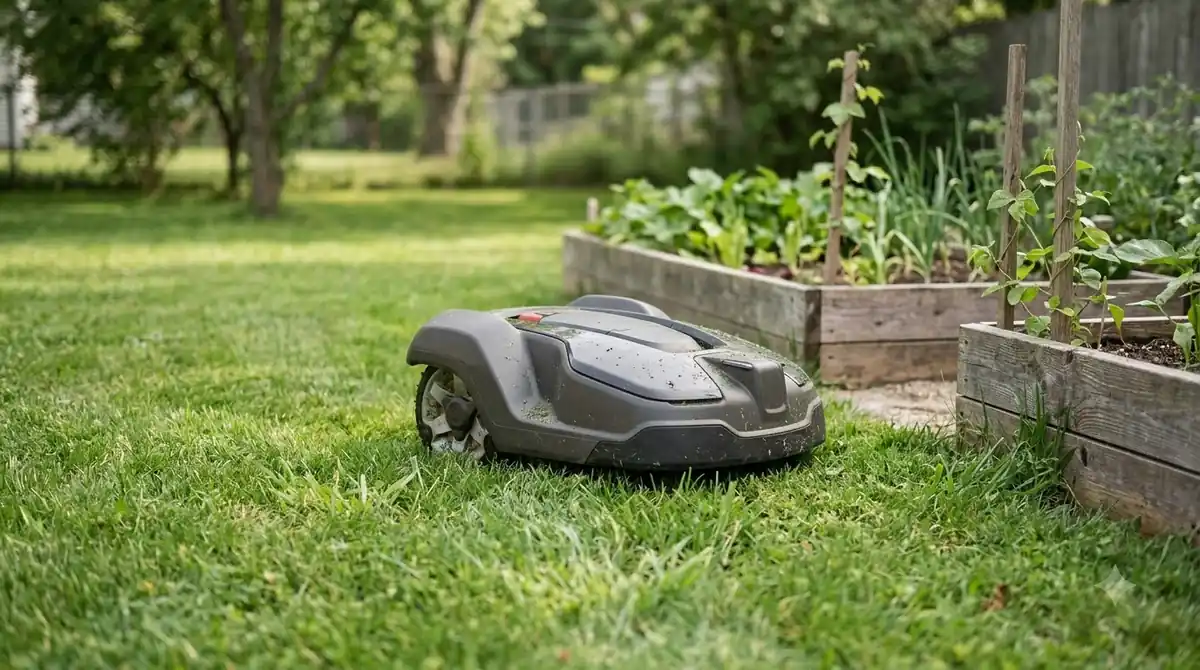
- Wet grass: Mammotion says mulching mowers can struggle and leave clumps when grass is soaking wet. Anker warns that very wet grass “can clump together and sit on the lawn.” Wait for a dry spell or keep the blades razor-sharp, and see our notes on robot mowers on wet grass.
- Long grass: a lawn that has grown too tall, or has missed a mowing, will not shred finely. Anker says robot mowers “can leave visible clippings if the grass is too long or wet.”
- Frozen or waterlogged ground: Mammotion advises against mulching when the ground is frozen or waterlogged.
- Drought: avoid mulching when the grass is dormant and brown during extreme drought.
- Diseased grass: never mulch diseased grass, because this can spread fungi or pathogens.
Anker adds that the method works best when used regularly, little and often, and that it can leave visible clippings if the grass is too long or wet. Those are brand statements rather than test results, so use them as a guide to when the system is likely to look untidy.
Heads up
Oregon State recommends using a bagger for heavy clippings during wet weather. If you see clumps on the lawn after a wet run, clearing them by hand is the simplest fix.
When to collect clippings instead
For a mulching robot mower explained in one rule: collect clippings when the lawn is diseased, very long, or soaking wet, and mulch when the grass is short and dry. Anker says most robot lawn mowers do not collect grass like traditional mowers do, and that a few specialized models have bagless collection systems, which it calls very rare. If you want one, read our guide on whether you need a grass collector on a robot mower. Anker also lists less garden waste as a benefit of leaving clippings in place, since there is no grass box to empty and nothing to dispose of.
| Situation | Mulch | Collect |
|---|---|---|
| Regular mowing, dry grass | Yes, this is the normal case | Not needed |
| Grass that grew too tall after missed mowings | Struggles, clumping likely | Yes, cut and collect the first growth |
| Soaking wet grass | Clumps, wait for drier conditions | Yes, if you must cut |
| Red thread or Fusarium patch | Never | Yes |
Collecting has a cost. Mammotion says collecting takes 30 to 40 percent more time per mow. That figure comes from the same vendor, so treat it as an estimate. Our reading is that a mulching mower saves the most time on lawns that are kept short and mowed often.
Frequently asked questions
Does mulching hurt the lawn?
No, when the clippings are small and the one-third rule is followed. Oregon State says clippings do not cause thatch and return nutrients to the soil. Problems mostly come from wet grass, very long grass, or diseased turf.
Do robot mowers mulch or collect clippings?
Most robot mowers mulch. Husqvarna describes its clippings as recycled back into the turf, and Anker says most models do not collect grass. A few specialized models have collection systems, so check the spec sheet of the model you want if you need one.
Can a robot mower mulch wet grass?
It can struggle. Mammotion says wet grass can clump, and Anker warns it can sit on the lawn. Wait for a dry spell or keep the blades sharp, and bag heavy wet clippings if the mower leaves clumps behind.
How often does a robot mower mulch?
Husqvarna says its mower cuts a little every day, and Anker advises running a robot mower every one to two days. Frequent runs keep each cut small, which is what makes mulching work.
Sources
- Leave grass clippings on the lawn for a greener, healthier yard (Oregon State University Extension, 2024): clipping decomposition, one-third rule, nutrients, thatch, clumping.
- How do Automower robotic lawn mowers work? (Husqvarna, manufacturer page): micro-mulching, daily cutting, blade sharpness and replacement.
- What is mulching? (Mammotion, manufacturer blog, March 2026): wet, long, frozen and diseased grass limits, collection time claim.
- Do robot lawn mowers collect grass? (Anker, Eufy brand blog, October 2026): collection, clipping size, schedule, clumping.
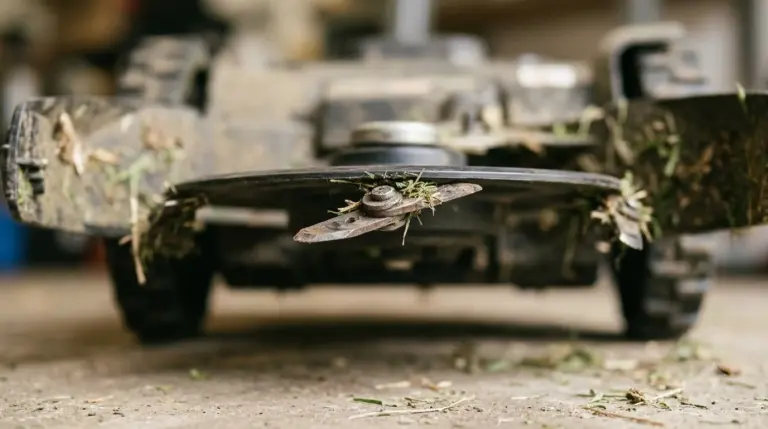 Up next8 min readBest Robot MowersBest Robot Mower with Mulching Blades: What to Check Before You BuyUpdated Nov 11, 2026
 9 min readBest Robot MowersWhen Do Robot Lawn Mowers Go on Sale? A Year-Round GuideUpdated Nov 11, 2026
 7 min readBest Robot MowersWhen Is the Best Time to Buy a Robot Lawn Mower?Updated Nov 11, 2026
 9 min readBest Robot MowersHow Do Multi Zone Robot Mowers Work?Updated Nov 11, 2026
 8 min readBest Robot MowersDo Robot Mowers Work in the Rain? Sensors, Delays and LimitsUpdated Nov 11, 2026
 8 min readBest Robot MowersHow Do Vision Robot Mowers Work?Updated Nov 11, 2026