
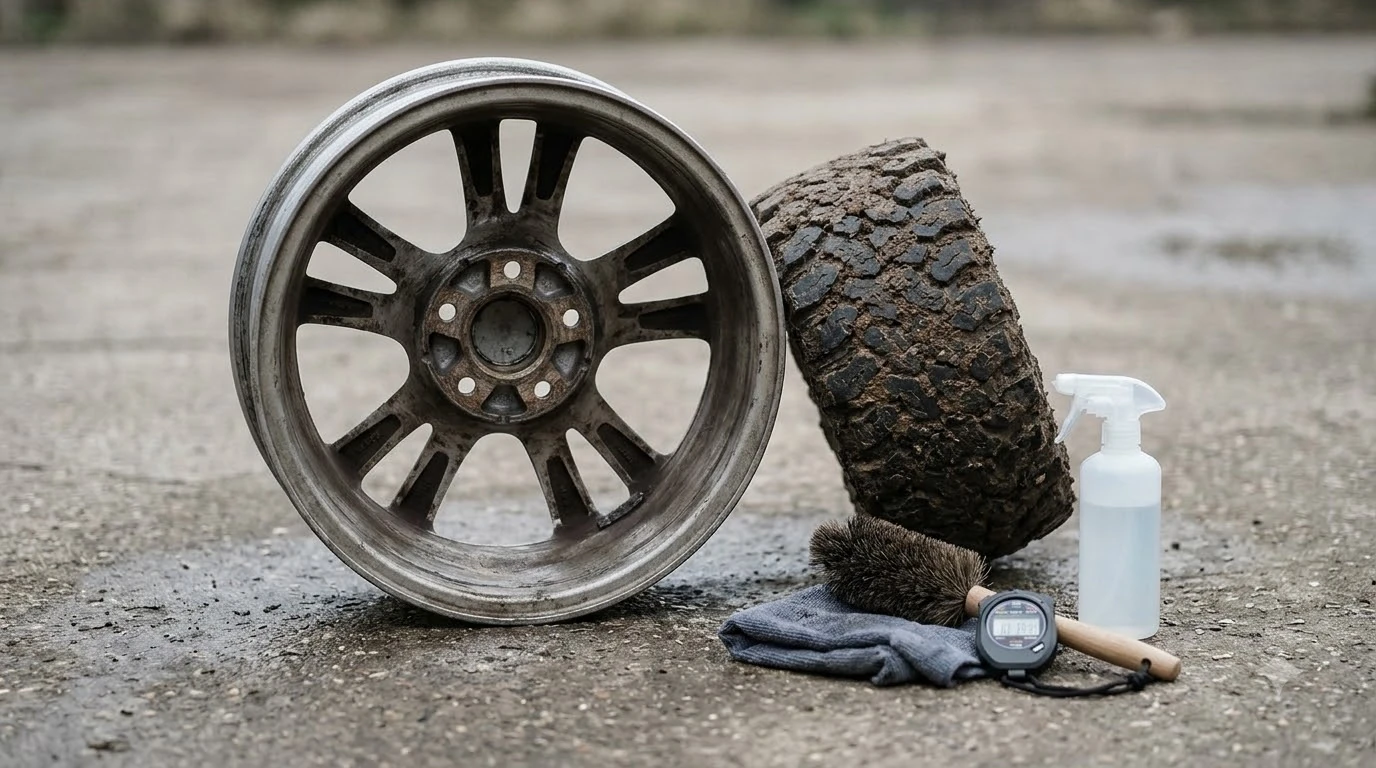

A dry PTFE or silicone barrier spray—or a thin film of lanolin-based rust inhibitor applied strictly to bare metal hubs—is the best anti-corrosion spray for robot mower wheel axles because it blocks moisture without trapping abrasive turf grit or swelling rubber shaft seals. Unlike heavy automotive undercoatings or standard penetrating solvents, robot mower wheel hardware operates inches above wet grass clippings, acidic soil, and wash-down spray where sticky oils turn into grinding paste. Matching the spray chemistry to your mower’s hub seals and drivetrain design keeps wheel bolts removable and prevents surface rust from seizing drive shafts between seasons.
The short answer
- Dry PTFE and silicone sprays lead for exposed axles: They cure to a non-tacky film that sheds dried grass dust and mud instead of gluing grit against the wheel hub.
- Check your owner’s manual before spraying near bearings: Manufacturer maintenance guides from brands like Mammotion and Husqvarna prioritize dry brushing, gentle rinsing, and manual-specified greases rather than indiscriminate aerosol spraying into wheel motors.
- Avoid standard solvent-heavy penetrating oils as a season-long coating: Thin water-displacing sprays evaporate quickly and can wash factory grease out of sealed wheel bearings.
- Protect rubber seals and plastic housings: Lanolin and polar-bonding corrosion inhibitors protect steel shafts well, but manufacturers warn they can swell non-oil-resistant rubber boots if oversprayed.
- Clean and dry first, spray second: Applying any anti-corrosion barrier over damp mud or wrapped grass fibers traps moisture directly against the steel axle.
Why robot mower wheel axles corrode faster than expected
Robot mower wheel axles sit in a harsh micro-environment where constant moisture, organic acids from fresh grass clippings, and abrasive soil particles meet exposed steel shafts and fasteners.
Unlike a traditional walk-behind mower that runs for an hour once a week and rests in a dry garage, an autonomous mower operates daily through morning dew, damp turf, and occasional rain showers. Each rotation pulls wet grass sap and fine mineral dust into the narrow gap between the wheel hub and the drive motor housing. Over a full mowing season, trapped plant moisture oxidizes untreated carbon steel axles, wheel studs, and retaining clips.
Corrosion becomes a practical problem during routine blade or tire service. When rust bonds a wheel hub onto a splined or D-shaped drive shaft, removing the wheel to clear wrapped twine or replace worn treads can require damaging prying force that bends motor shafts or cracks plastic wheel hubs. Preventing that oxide layer from forming in the first place saves both drive motors and hardware.
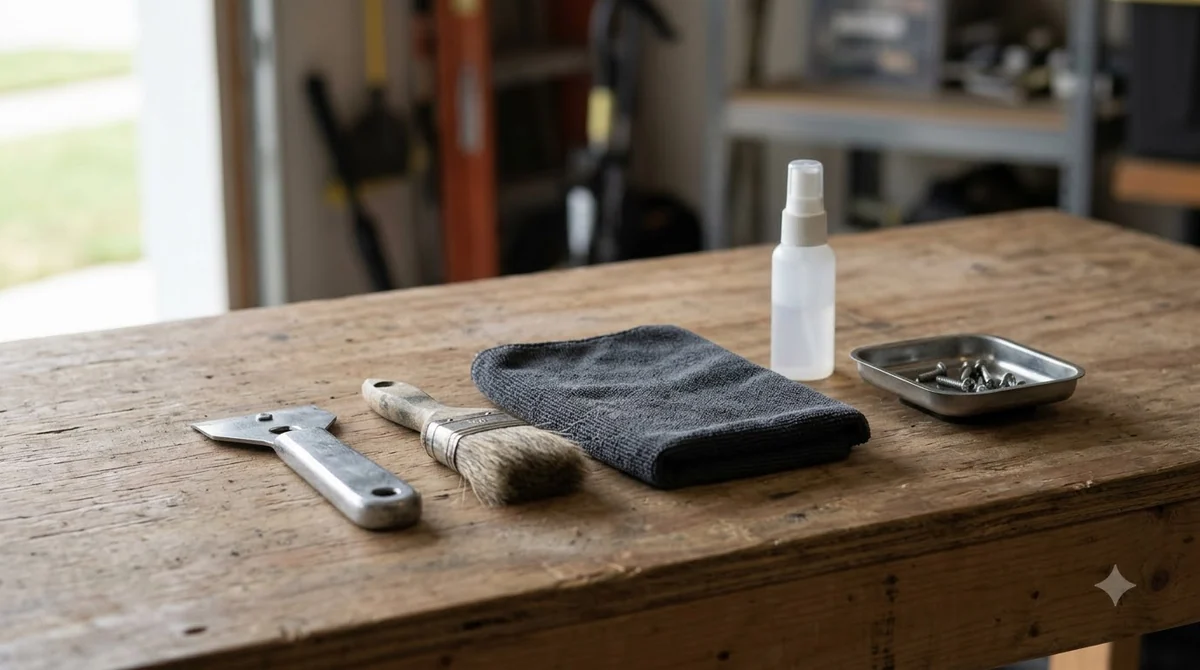
Types of anti-corrosion sprays for mower wheel hardware
Choosing the right spray comes down to balancing moisture resistance against dirt attraction and seal compatibility around compact electric wheel drives.
| Spray category | Film texture | Moisture protection | Dirt attraction | Seal and plastic compatibility |
|---|---|---|---|---|
| Dry PTFE (Teflon) spray | Dry, slick, non-oily | Moderate; best for regular seasonal reapplication | Very low; sheds dry grass and dust | High; generally safe on plastics and elastomers |
| Silicone-based protectant spray | Dry to lightly slick | Moderate to high water repellency | Low once carrier solvent flashes off | High on rubber and ABS; avoid near electrical contacts |
| Lanolin-based inhibitor (e.g., Fluid Film) | Wet, non-drying oily barrier | High; resists wash-off in wet conditions | Moderate to high if not wiped thin | Safe on plastics; can swell non-oil-resistant rubber |
| Polar-bonding thin film (e.g., CorrosionX) | Thin, creeping dielectric film | High; displaces moisture and resists oxidation | Moderate; requires wiping excess | Safe on common plastics and Buna-N/Viton; may swell butyl or silicone rubber |
| Standard penetrating oil (e.g., basic WD-40) | Very thin, solvent-heavy | Low long-term; evaporates quickly | Low initially, poor barrier durability | Can strip factory bearing grease if sprayed into hubs |
In our reading of manufacturer technical data sheets, the biggest trade-off is wet durability versus grit buildup. Wet lanolin and polar-bonding fluids creep into tight threads and stop active oxidation even on damp metal, as noted in Fluid Film and CorrosionX technical documentation. However, any wet film left exposed behind a mower tire acts like a magnet for fine soil and dried clippings unless you buff off the excess with a clean rag.
Dry PTFE and silicone sprays solve the dirt problem by letting their carrier solvent evaporate within minutes, leaving behind a clean, dry barrier. While dry films do not self-heal if scraped by twigs or gravel, they keep exposed wheel bolts, front caster forks, and axle ends clean during dry summer weeks.
What to look for before spraying near wheel motors
A robot mower wheel assembly combines exposed steel hardware with sensitive polymer gears, rubber shaft seals, and brushless hub motors that react poorly to the wrong chemical carrier.
- Elastomer and plastic safety: Most robot mower chassis shells and wheel rims use ABS, polypropylene, or nylon, while axle seals often rely on nitrile (Buna-N), neoprene, or silicone rubber. According to CorrosionX materials compatibility data, polar-bonding hydrocarbon oils have no visible effect on Buna-N, Viton, or neoprene, yet they can cause slight swelling or softening in butyl and silicone rubber items. Similarly, Fluid Film notes that its lanolin formula is safe on plastics but requires caution around non-oil-resistant rubber goods.
- Precision straw applicator: Wide fan nozzles coat tires, brake components, and optical sensors with slick residue. Look for an aerosol can with a narrow flip-up extension tube so you can place a controlled drop onto a metal shaft, castle nut, or front caster stem without misting the rubber tread.
- Solvent-free or fast-flashing carriers: Harsh petroleum distillates, acetone, or aggressive degreasers can craze polycarbonate sensor windows and dry out rubber tire compounds. Maintenance guides from Mammotion and Navimow explicitly warn against applying harsh chemicals or volatile solvents near mower housings and wheels.
- Dielectric safety: If you spray near wheel speed sensors or chassis seams, a non-conductive formula prevents stray electrical tracking if trace mist reaches wiring harnesses.
Heads up
Never aim a pressurized aerosol straw directly into a sealed wheel bearing or hub motor gap. High-velocity spray can force dirt past lip seals and dilute the factory lithium or silicone grease packed inside the planetary gearbox.
How to prep and apply anti-corrosion spray safely
Proper surface preparation matters just as much as the product inside the can because spraying over caked turf residue seals moisture against the metal.
- Power down and disable the mower. Switch off the main power button, remove the safety key or battery if removable, and wait for the cutting disc to stop completely before flipping the unit onto a soft mat or cardboard sheet.
- Brush away dry debris and wrapped grass. Use a stiff nylon brush and a wooden stick to clear packed soil from wheel treads and unwind grass fibers wrapped around the drive axle and front caster stems. Avoid scraping metal shafts with screwdrivers, which scratches protective zinc plating.
- Wipe and dry the axle area completely. Clean the hub and surrounding housing with a damp microfiber cloth—never a high-pressure washer, which forces water into wheel motors—and let the metal air-dry thoroughly before applying any protectant.
- Apply sparingly using a rag or precision straw. For exposed wheel bolts, axle splines, or caster pivots, spray a small amount onto a lint-free cloth or direct a brief burst onto the bare metal away from rubber seals. If you remove a wheel for seasonal service, apply a thin coat to the metal shaft and wipe off excess before reinstalling.
- Buff away residue and check wheel spin. Wipe down adjacent plastic housings and tire sidewalls so no slick film reduces hillside traction, then spin each wheel by hand to confirm smooth, quiet rotation without grinding or drag.
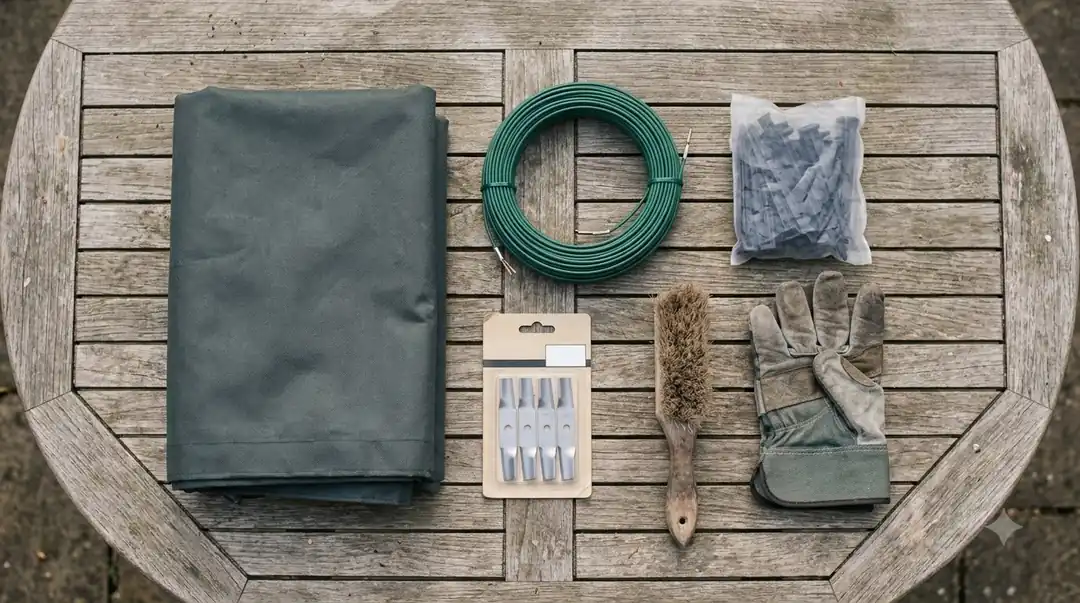
Spray versus grease: when to switch products
Anti-corrosion sprays protect exposed metal surfaces and fasteners, whereas thicker greases belong inside enclosed bearings, gears, and high-load pivot joints.
When reviewing mower care resources a clear split emerges between external surface care and internal mechanical lubrication. Multi-purpose care sprays such as LIQUI MOLY LM 40 are marketed for light corrosion prevention and squeak reduction on exposed mower hardware, while biodegradable rust-preventive fluids like MOTOREX RUSTPROTECT ECO are formulated to leave an oxidation-stable protective film during off-season storage.
Inside the wheel hub itself, however, aerosol sprays cannot replace heavy grease. Once a wheel is unbolted during winterization, thick lithium-complex grease or a thin dab of metallic anti-seize paste on threaded wheel studs resists wash-out far longer than any spray film. Reserve anti-corrosion sprays for quick mid-season touch-ups on exposed axle ends, front caster swivels, and winter storage protection on bare steel fasteners.
Frequently asked questions
Can I use regular WD-40 on robot mower wheel axles?
Standard WD-40 works as a short-term water displacer after wet mowing, but it is not a durable anti-corrosion coating or bearing lubricant. Its light solvent carrier evaporates quickly and can thin out factory grease if sprayed into wheel seals, so follow up with a dedicated dry PTFE spray or lanolin rust inhibitor wiped thin on exposed metal.
Will anti-corrosion spray damage the rubber tires on my robot mower?
Direct overspray onto rubber treads can reduce traction on slopes and may soften non-oil-resistant rubber seals over time. Always shield the tire with a rag, apply the spray via a precision straw or cloth onto metal hardware only, and wipe away any stray droplets immediately.
How often should I apply anti-corrosion spray to wheel axles?
Applying a thin protective coat at the start of the mowing season and again before winter storage is enough for most yards. If your mower runs daily on damp grass or coastal soil, inspect the wheel hubs monthly and touch up bare metal fasteners whenever the protective film wears off.
What should I do if a robot mower wheel axle is already rusted?
Switch off the mower, brush away loose rust flakes, and apply a penetrating rust-loosening oil strictly to the seized metal joint—never force a stuck wheel by prying against plastic housings. Once freed, clean the shaft with a non-abrasive pad, wipe it dry, and coat the bare steel with a corrosion inhibitor or anti-seize compound before reassembly.
Sources
- Cleaning a Robot Lawn Mower: A Step-by-Step Guide (Mammotion): used for safe wheel-cleaning steps, removing grass wrapped around axles, and avoiding pressure washers or harsh scraping tools.
- How to clean Husqvarna Automower and CEORA (Husqvarna): used for manufacturer-approved cleaning practices and avoiding high-pressure water near wheel assemblies.
- Materials Compatibility (CorrosionTech Corporation): used for rubber and plastic compatibility details regarding Buna-N, Viton, neoprene, butyl, and silicone elastomers.
- FAQ – Fluid Film (Eureka Chemical Company): used for lanolin-based non-drying film behavior and compatibility warnings on non-oil-resistant rubber.
 Up next9 min readGearBest Dielectric Grease for Robot Mower Charging Contacts: Types and Care GuideUpdated Nov 19, 2026
 9 min readGearRobot Mower Charging Contacts Corrosion: How to Clean ThemUpdated Nov 19, 2026
 9 min readGearBest Silicone Spray for Robot Mower: What Manufacturer Guides SayUpdated Nov 11, 2026
 8 min readGearBest Magnetic Parts Tray for Robot Mower Blade Changes: Types and Setup GuideUpdated Nov 19, 2026
 8 min readGearChoosing the Best Stainless Steel Anti-Theft Ground Anchor for Mower DocksUpdated Nov 19, 2026
 8 min readGearBest anti-static lens wipes for lidar robot mowers: buyer’s guideUpdated Nov 19, 2026