
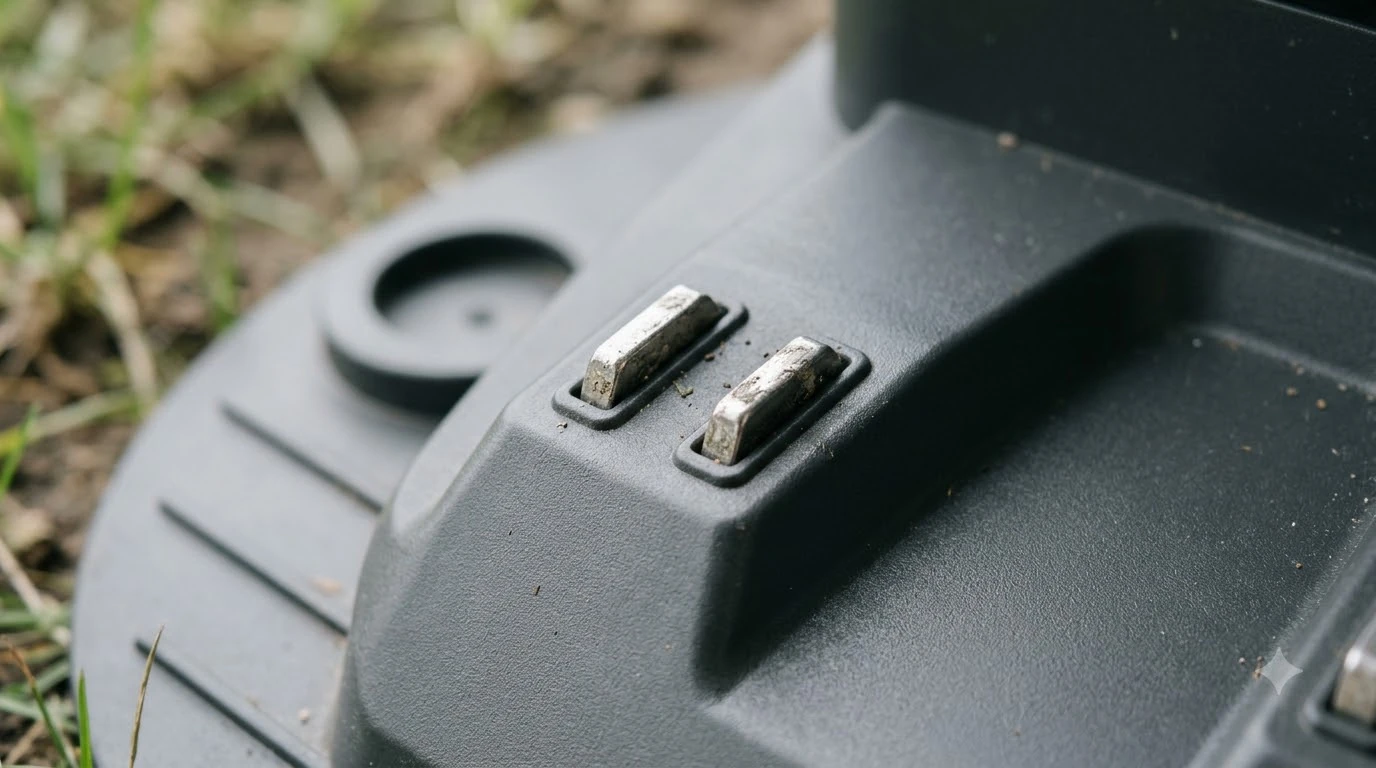

A pure silicone-based dielectric grease—specifically a thick, non-curing polydimethylsiloxane formula rated for high-moisture outdoor electronics—is the best dielectric grease for robot mower charging contacts. Because robotic mowers dock outside in morning dew, rain, and damp grass clippings, their exposed copper or stainless-steel plates corrode rapidly without a hydrophobic barrier. Choosing the right grease formula and applying only a paper-thin film seals out oxygen and moisture while allowing the mower’s spring-loaded contacts to wipe straight through to bare metal.
The short answer
- Base chemistry: Choose pure silicone (polydimethylsiloxane) dielectric grease rather than petroleum jelly or lithium grease, which can degrade plastic dock housings and rubber seals.
- How it works: Dielectric grease is an electrical insulator that blocks water and oxygen around the contact patch, while mechanical spring pressure pushes the metal surfaces together through the thin film.
- What to avoid: Skip thick conductive carbon or copper pastes on exposed docking plates, as grass clippings and dirt trapped in conductive grease can bridge terminals and cause short circuits.
- Application rule: Clean off all green or black oxidation first, then wipe on a nearly invisible film and buff away any excess so it does not turn into a dirt magnet.
- Maintenance interval: Inspect, wipe clean, and re-apply a fresh micro-film every two to four weeks during active mowing season, or immediately after heavy rainstorms.
Why robot mower charging contacts need dielectric protection
Exposed docking terminals endure constant outdoor exposure, electrical arcing, and organic debris that quickly degrade raw metal conductivity.
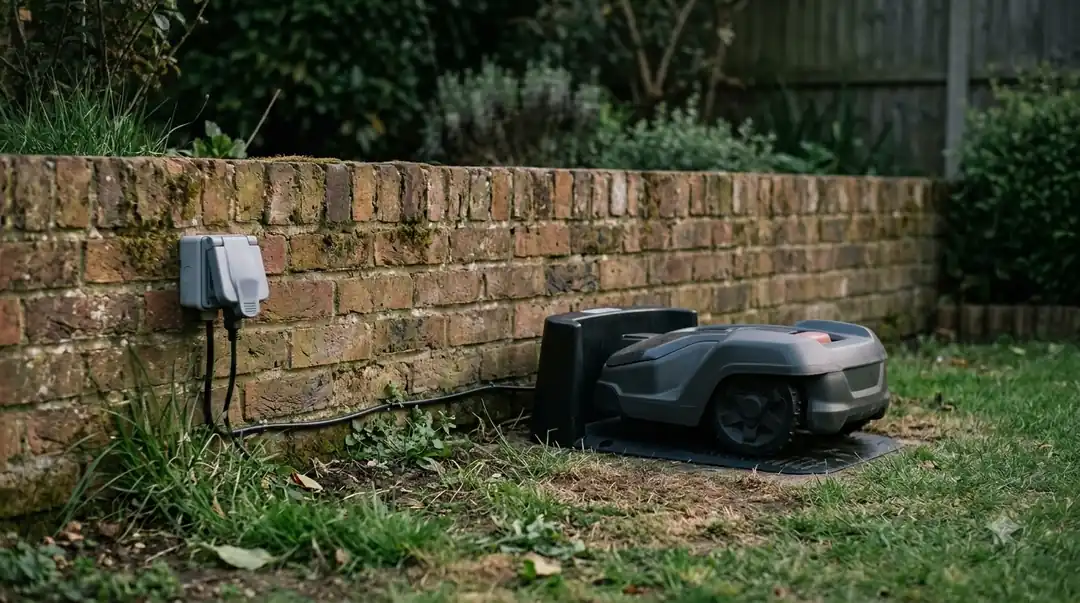
Unlike indoor appliances, a robotic lawn mower docks outdoors dozens of times a week while wet with dew, irrigation spray, or sap from freshly cut grass. Whenever moisture bridges dissimilar metals on the charging station and the mower’s nose or rear plates, galvanic corrosion accelerates. Over a few weeks, shiny metal develops a dull gray, black, or greenish oxide layer that increases electrical resistance, generates heat, and triggers frustrating docking errors.
Manufacturer maintenance documentation confirms how quickly dirty terminals disrupt charging cycles. According to Husqvarna US Automower support guidelines, contact plates and charging strips require regular polishing to remove oxidation so the mower can establish a reliable electrical connection. Similarly, Gardena’s official support instructions advise coating cleaned charging contacts with a protective grease or oil to shield the metal against environmental corrosion.
It helps to understand a common misconception about dielectric grease: the word “dielectric” means electrically insulating, not conductive. When your mower drives into its base station, spring-loaded pins or flexible metal strips scrape across the mating plates with enough mechanical force to push aside a microscopic layer of grease. Metal touches metal directly to carry charging current, while the displaced silicone grease forms an airtight, waterproof collar around the contact point.
Types of protective greases compared for mower docks
Not every tube in the garage belongs on exposed low-voltage docking plates, because base oils and conductive additives behave very differently outdoors.
When shopping for contact protectants, you will generally encounter four main categories: pure silicone dielectric grease, multipurpose silicone grease, conductive electrical joint compound, and petroleum-based greases. Each interacts differently with outdoor moisture, dirt, and surrounding polymers.
| Grease Type | Electrical Property | Plastic & Rubber Safe | Outdoor Dirt Resistance | Best Use Case on Robot Mowers |
|---|---|---|---|---|
| Pure silicone dielectric grease | Insulating (high dielectric strength) | Yes — chemically inert on ABS and rubber | High when applied as a thin film | Exposed docking strips, charging pins, and waterproof wire connectors |
| Multipurpose silicone grease | Insulating (similar silicone base) | Yes — safe on O-rings and seals | Moderate to high depending on viscosity | Acceptable alternative if pure dielectric grease is unavailable |
| Conductive contact grease | Electrically conductive (metal/carbon filled) | Varies by carrier oil | Low — trapped grit can cause stray current paths | Internal bolted busbars only; avoid on exposed mower docks |
| Petroleum jelly / lithium grease | Insulating | No — swells and cracks rubber boots over time | Poor — melts or washes away in summer heat | Not recommended for robot mower electronics or docks |
Pure silicone dielectric grease stands out because polydimethylsiloxane oil thickened with fumed silica stays stable across wide outdoor temperature swings—typically remaining functional from sub-zero winter storage temperatures well past hot summer sun exposure on a dark plastic dock. Just as importantly, pure silicone will not soften, swell, or crack the ABS plastic housings or rubber weather seals surrounding your mower’s charging port.
By contrast, conductive pastes loaded with copper, graphite, or zinc particles are built for static, bolted industrial joints rather than open-air wiping contacts. On a lawnmower dock, any tacky paste inevitably catches a few blades of grass, dust, or slug trails; if that grease is electrically conductive, debris can create unwanted leakage paths across the terminals.
What to look for when choosing a dielectric grease
A few label specifications separate high-grade electrical silicone compounds from general-purpose lubricants that wash off after the first thunderstorm.
When comparing tubes or jars for outdoor docking hardware, check these key formulation traits:
- 100% silicone base (PDMS): Look for polydimethylsiloxane with an inert silica thickener. Avoid blends cut with mineral spirits or petroleum distillates, which evaporate in summer heat and leave behind dry, crusty residue.
- High water washout resistance: A stiff, NLGI Grade 2 consistency stays put under direct rain, sprinklers, and humid morning grass without running down the front of the charging tower.
- Non-curing, non-melting formula: Make sure the label specifies a non-curing dielectric compound rather than a silicone adhesive or RTV sealant, which hardens into rubber and blocks charging completely.
- Precision applicator tip or brush-top lid: Small squeeze tubes with narrow nozzles or jars with built-in lid brushes make it much easier to spread a controlled micro-layer without globbing grease onto surrounding sensors.
Heads up
Never apply dielectric grease over dirty, pitted, or oxidized contacts. Because the grease is an insulator, sealing existing green or black corrosion underneath a silicone film will lock in high electrical resistance and prevent your mower from charging at all.
How to clean and apply dielectric grease step by step
Proper surface preparation matters more than the brand of grease you buy, because silicone only protects clean, bare metal.
Following manufacturer safety practices—such as Hookii Neomow charging station maintenance steps—always disconnect power before touching metal charging plates. Even though most robot mower docks output low-voltage DC current, unplugging the base station prevents accidental short circuits while you work with metal abrasives or damp cloths.
- Power down both units. Unplug the charging station power supply from the wall outlet and switch off your robot mower using its main power button or safety key.
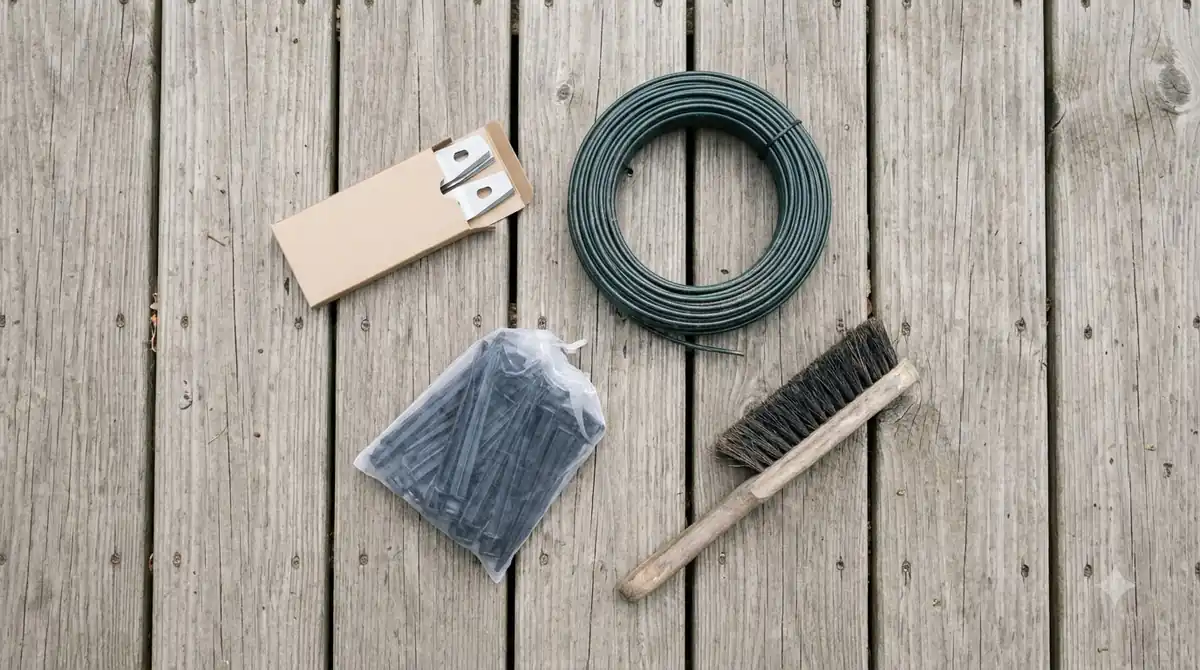
- Wipe away loose grass and moisture. Use a dry microfiber cloth or soft nylon brush to clear dried clippings, mud, and insect residue from both the dock strips and the mower’s contact plates.
- Remove existing oxidation. If you see dark spots, dull gray haze, or green buildup, lightly polish the metal contacts using a fine abrasive pad, a clean pencil eraser, or ultra-fine sandpaper (around 1000-grit). Wipe away all metal dust with a dry lint-free cloth or a dab of electrical contact cleaner, then let the surface dry completely.
- Apply a paper-thin film of dielectric grease. Squeeze a tiny, rice-grain-sized dot of silicone dielectric grease onto a clean fingertip, cotton swab, or applicator brush, and rub a uniform film across the mower plates and dock contacts.
- Buff off all visible excess. Take a clean corner of a paper towel and lightly wipe the greased metal once. You want a microscopic sheen that repels water—not a thick, visible layer that grabs blowing grass clippings.
- Restore power and verify docking. Plug the charging station back in, power on the mower, and place it into the dock to confirm that the charging indicator engages immediately.
Seasonal maintenance schedule for outdoor docking plates
Consistent quick wipe-downs keep silicone grease working as a moisture shield instead of turning into an abrasive paste of dirt and sap.
Most robot mower manufacturers recommend inspecting charging contacts every two to four weeks during active cutting months. Because outdoor docks collect windblown dust and wet clippings, old grease eventually becomes contaminated and needs to be replaced rather than simply topped off.
- Biweekly quick check: Lift the mower or inspect the dock strips every two weeks. If the thin grease film looks clean and shiny, leave it alone; if grass dust has stuck to the edges, wipe the plates clean with a dry cloth and re-apply a fresh micro-film.
- After heavy rain or lawn treatments: Liquid fertilizers, weed sprays, and muddy rain splash accelerate metal pitting. Wipe down and re-grease the contacts right after chemical lawn applications or severe storms.
- Before winter storage: Clean the contacts thoroughly before storing the mower indoors for winter, and apply a protective layer of dielectric grease to prevent humidity corrosion in a garage or shed.
- Spring recommissioning: Wipe off the winter storage coat with a clean cloth, inspect the spring tension on the docking strips, and apply a fresh thin coat before the first mow of the year.
Frequently asked questions
Does dielectric grease slow down robot mower charging?
No, not when applied properly as a thin film. Although dielectric grease is an electrical insulator, the spring-loaded contacts on the mower and charging station wipe directly through the microscopic layer so bare metal touches bare metal, while the surrounding grease seals out moisture.
Can I use regular silicone lubricant spray instead of dielectric grease?
Aerosol silicone sprays are much thinner than paste-style dielectric grease and wash away quickly in rain or morning dew. A thick, non-curing silicone dielectric grease paste provides far better water washout resistance on exposed outdoor charging plates.
Is conductive copper or carbon grease better for mower contacts?
No, conductive pastes are generally a poor choice for exposed robot mower docks. Outdoor terminals inevitably pick up stray grass clippings and dust, and conductive grease mixed with debris can create unwanted electrical leakage paths across the terminals.
How much dielectric grease should I put on charging contacts?
Use only a tiny amount—roughly the size of a grain of rice split across all contacts—and buff away any visible excess with a paper towel. Over-applying grease traps dirt and grass blades, which can insulate the plates and cause docking errors.
Sources
- Wireless Automower FAQs (Husqvarna US): Used for manufacturer guidance on polishing charging plates and contact strips to remove oxidation.
- What is the best way to maintain the charging contacts of the charging station and the robotic lawnmower (Gardena Support US): Used for manufacturer recommendations on coating cleaned charging contacts with protective grease to prevent environmental corrosion.
- Neomow X Series – How to Clean and Maintain the Charging Station (Hookii Support): Used for safe power-disconnection steps, fine-grit polishing guidance, and biweekly inspection intervals.
 Up next9 min readGearBest Anti-Corrosion Spray for Robot Mower Wheel Axles: Types and CareUpdated Nov 19, 2026
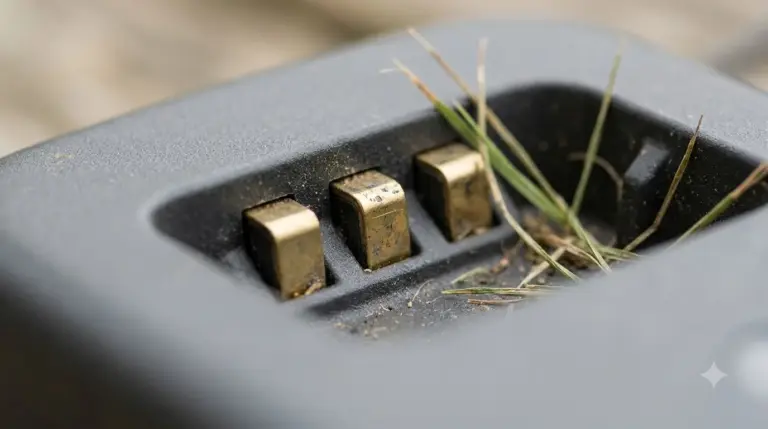 7 min readGearRobot Mower Spare Charging Contacts: When a Spare Is Worth ItUpdated Nov 20, 2026
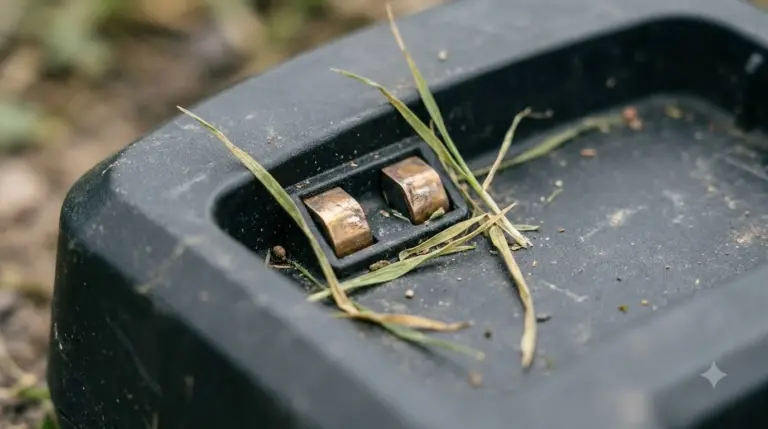 9 min readGearRobot Mower Charging Contacts Corrosion: How to Clean ThemUpdated Nov 19, 2026
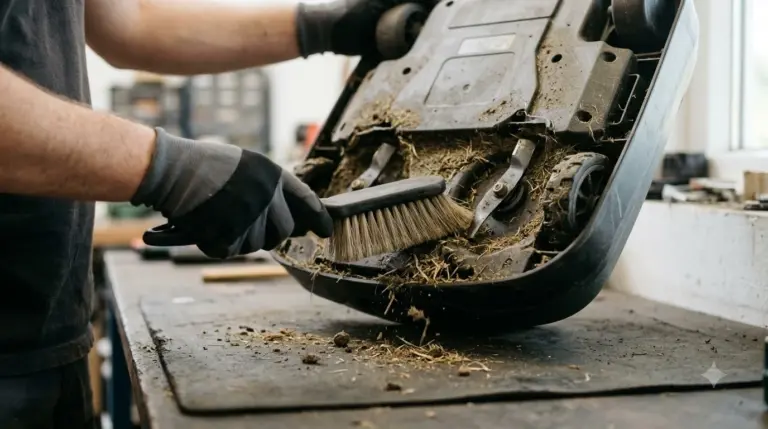 7 min readGearRobot Mower Gearbox Grease: What the Manuals Actually CoverUpdated Nov 19, 2026
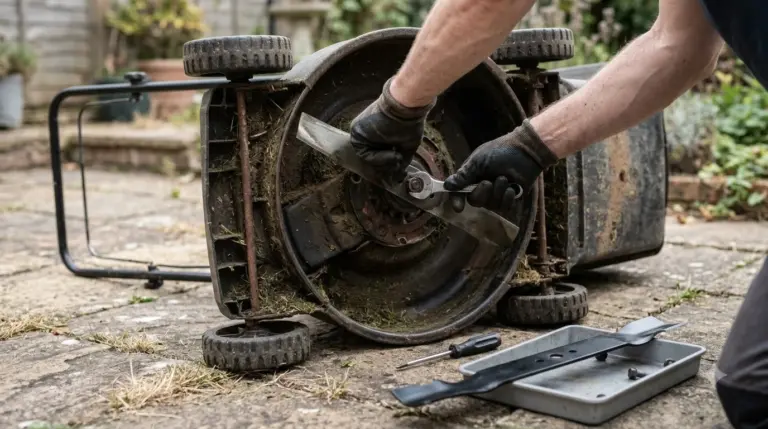 8 min readGearBest Magnetic Parts Tray for Robot Mower Blade Changes: Types and Setup GuideUpdated Nov 19, 2026
 8 min readGearBest Fertilizer for Robot Mowed Lawn: How to Choose the Right TypeUpdated Nov 13, 2026