
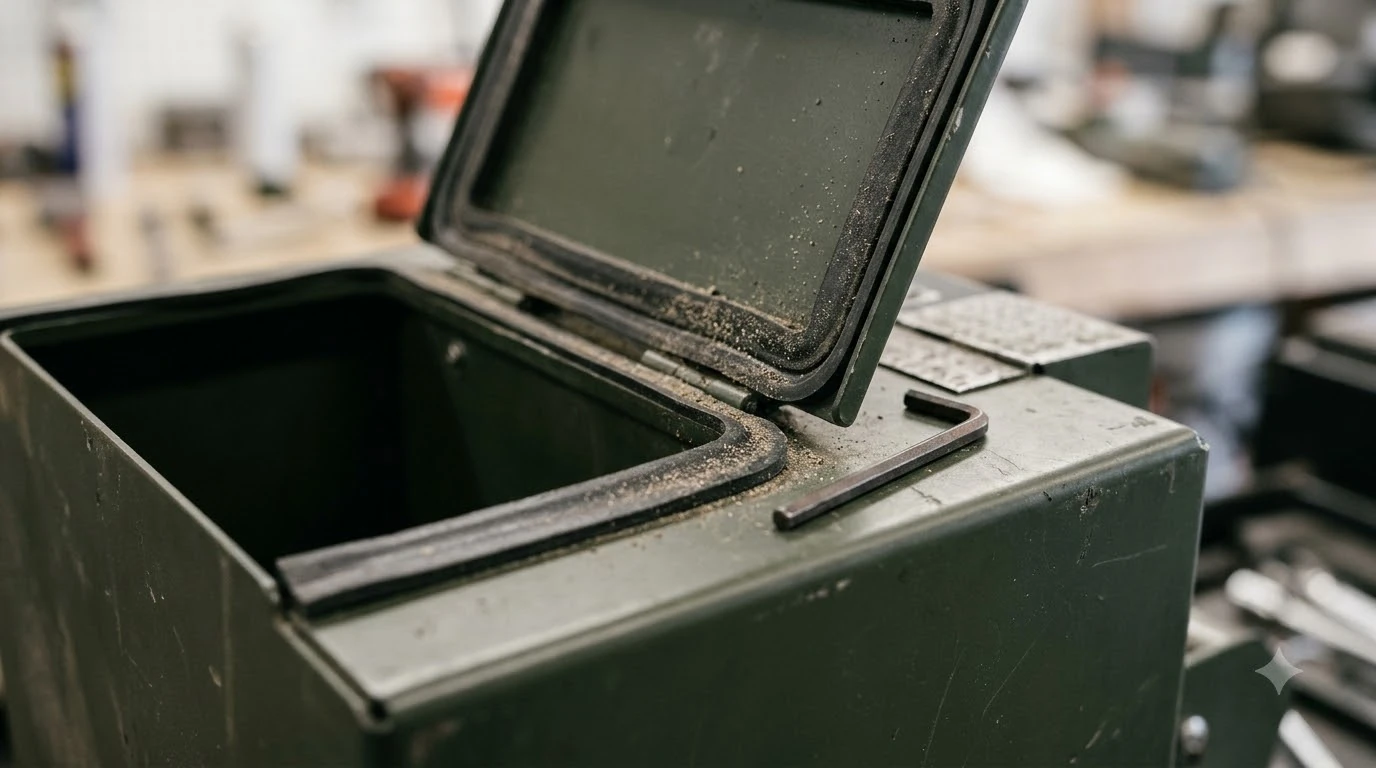

A robot mower battery is usually a lithium pack that lasts about 2 to 5 years, depending on chemistry, how much you mow, and how you store it. Brand guides give different figures, so this guide shows where they agree, what changes the lifespan, and what to check before you buy or replace a robot mower battery. The numbers below are general, and your model’s manual sets the actual limits.
The short answer
- Typical life: sources give roughly 2 to 5 years. Husqvarna’s battery-life guide cites about 2 to 4 years, and Robomow cites 4 years for lithium-ion and 5 years for LiFePO4.
- Chemistry: LiFePO4 is listed with more charge cycles than standard lithium-ion, so check which type your mower uses.
- Storage: charge before winter, and store in a cool, dry place. Einhell suggests 30 to 60 percent charge for storage.
- Replacement: warranties differ widely, so read the terms for your model before you assume the battery is covered.
How long a robot mower battery lasts
Battery life is the first question most owners ask, and the honest answer is a range. Husqvarna’s battery-life guide puts the typical range at about 2 to 4 years, and it notes that a large lawn mowed daily wears the battery faster than a small lawn mowed twice a week. Running time is the main driver, not the calendar. Age and use both play a part, so how often to replace the pack is a separate question from simple runtime. Model-specific data helps, and Husqvarna 115H pack lifespan is one example of the figures makers publish.
Robomow’s battery guide gives a chemistry-based picture: about 4 years for lithium-ion, about 5 years for LiFePO4, and about 6 years for NiMH. Those are averages, not promises, and a mower that runs almost continuously will need more charges and age faster.
| Battery type | Average life (brand guide) | Cycle rating (brand guide) |
|---|---|---|
| Lithium-ion | About 4 years | 500 to 800 cycles |
| LiFePO4 | About 5 years | 1,000 to 2,000 cycles |
| NiMH | About 6 years | 350 to 500 cycles |
The cycle ranges come from the same Robomow guide. They are useful for comparing chemistries, but they do not tell you how many seasons a particular lawn will take, because a charge cycle depends on how deeply the battery is drained each time.
What shortens the life of a robot mower battery
Three habits matter most. The first is an undersized mower on a large lawn. Robomow notes that such a mower runs almost continuously, needs many charges, and shortens battery life. The second is heat and cold. Robomow lists an operating range of 10 to 35 C (50 to 95 F) for lithium-ion and 10 to 40 C for LiFePO4, and Husqvarna’s support pages say a mower will not charge when the battery is outside its accepted temperature range. Temperature is a major factor in wear, as how cold weather affects battery life makes clear.
The third is leaving the battery low for a long time. Husqvarna warns that a battery left deeply discharged may not start charging normally, and its fix is to bring the mower indoors and leave it on the charging station for several hours.
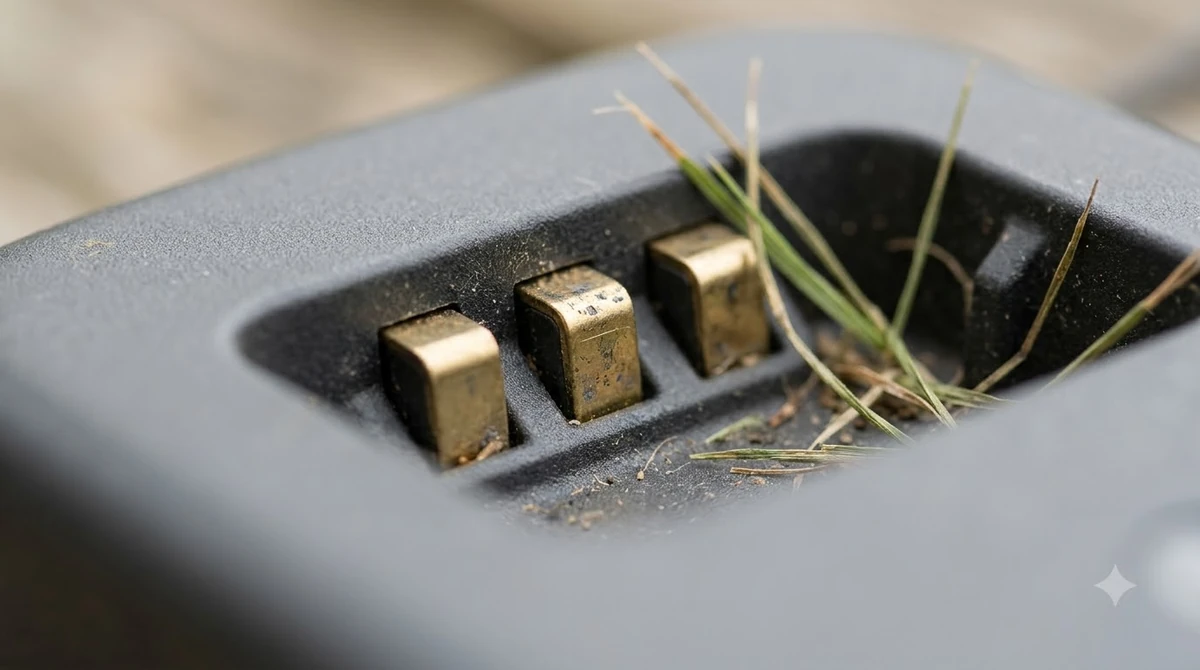
Storage over winter
Winter is the point where a robot mower battery is most often damaged by neglect. Einhell’s winter guide says lithium-ion is most comfortable when stored at a charge level of 30 to 60 percent, and it recommends recharging before storage. It also advises checking the charge once or twice during winter to avoid a deep discharge, and it gives a storage temperature of about 15 to 20 C (59 to 68 F). The state of charge during storage affects the pack, as described in storage charge level before winter.
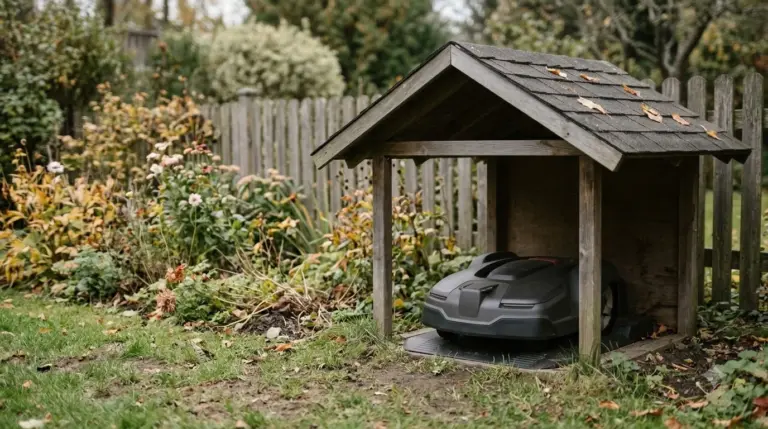
Husqvarna’s advice is similar. It says to charge fully before storage so the battery does not fully discharge, and to store the mower in a dry, frost-free place during the off-season. The two sources differ on the exact charge level, so follow the mower’s manual if it gives one.
Warranty and replacement
Warranty terms are where many owners get surprised. Mammotion’s US after-sales page lists a 3-year battery warranty for the Luba 3 AWD and a 2-year battery warranty for the Luba 2 AWD. Robomow’s battery guide mentions a one-year manufacturer warranty on its batteries. Those are brand-specific, so check the warranty for your model and the date of purchase. Warranty length varies between brands, and Lymow battery warranty and spares are discussed in a brand-specific guide.
Replacement cost depends on the model and whether you buy a genuine pack or a third-party one. We did not verify current prices in this guide, because they change often. Before you replace, confirm the exact battery model in the manual, because similar-looking packs can differ in voltage and connector.
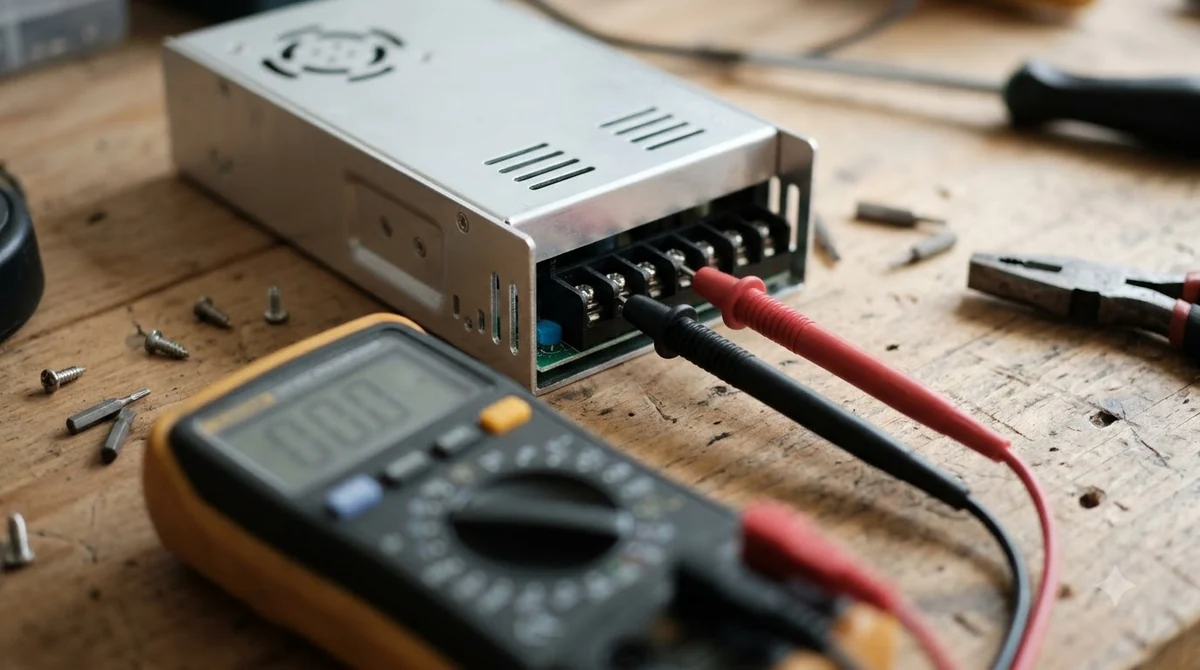

Signs the battery is ageing
Husqvarna’s support material lists two early signs. The mower returns to the charging station more often than before, and it can stop on the lawn with an empty battery and no error message. The second sign means the battery can no longer carry a full mowing cycle, which points to replacement rather than a software fix. When capacity drops noticeably, signs a replacement pack is needed can help confirm the diagnosis.
A swollen battery is a separate safety issue. If the pack looks bloated, stop using it, do not charge it, and follow the brand’s guidance on handling and disposal.
A checklist before you buy or replace
- Check the chemistry. Confirm whether the mower uses lithium-ion, LiFePO4, or another type.
- Match the lawn to the mower. A large lawn needs a mower sized for it, so the battery is not running nonstop.
- Read the warranty. Note the battery period and the terms for third-party packs.
- Plan winter storage. Charge, store in a cool dry place, and check the charge during the off-season.
- Confirm the part number. Match voltage and connector before you order.
Related reads: Before you buy or replace, replacement battery for Anthbot mowers shows how compatibility is listed for a smaller brand.
Frequently asked questions
How long does a robot mower battery last?
Sources give a general range of about 2 to 5 years. Lithium-ion averages about 4 years and LiFePO4 about 5 years in one brand guide. Lawn size and running time move that number a lot.
Should I leave the battery fully charged over winter?
Husqvarna advises a full charge before storage, while Einhell suggests 30 to 60 percent for lithium-ion. Follow your mower’s manual if it gives a figure, and check the charge once or twice during winter.
What is the difference between lithium-ion and LiFePO4 for a mower?
Brand guides list LiFePO4 with a longer average life and a higher cycle rating than standard lithium-ion. Check the battery label or the manual to see which type your mower uses.
When should I replace the battery?
Replace it when the mower returns to the dock more often, stops with an empty battery and no error, or cannot finish a normal mowing cycle. Stop using a swollen pack immediately.
Sources
- Robomow battery lifespan guide (Robomow): used for the average life, cycle ratings, and operating temperature ranges by chemistry.
- Husqvarna battery life guide (Husqvarna): used for the 2 to 4 year range and the effect of lawn size and running time.
- Einhell robot mower winter guide (Einhell): used for the 30 to 60 percent storage charge and the 15 to 20 C storage range.
- Mammotion after-sales policy (Mammotion): used for the 3-year Luba 3 AWD and 2-year Luba 2 AWD battery warranty periods.
 Up next8 min readGearHusqvarna 115H Battery: Lifespan, Signs and Replacement TipsUpdated Nov 20, 2026
 8 min readGearHusqvarna Automower Replacement Battery: Dealer Swap and LifespanUpdated Nov 19, 2026
 7 min readGearRobot Mower Battery Storage Charge Level: What to Set Before WinterUpdated Nov 19, 2026
 7 min readGearLymow Battery: Specs, Cycle Life and Replacement TipsUpdated Nov 13, 2026
 6 min readGearRobot Mower Battery Replacement Pack: Match the Part NumberUpdated Nov 20, 2026
 7 min readGearRobot Mower Battery Charger Replacement: Charger or Battery?Updated Nov 20, 2026