
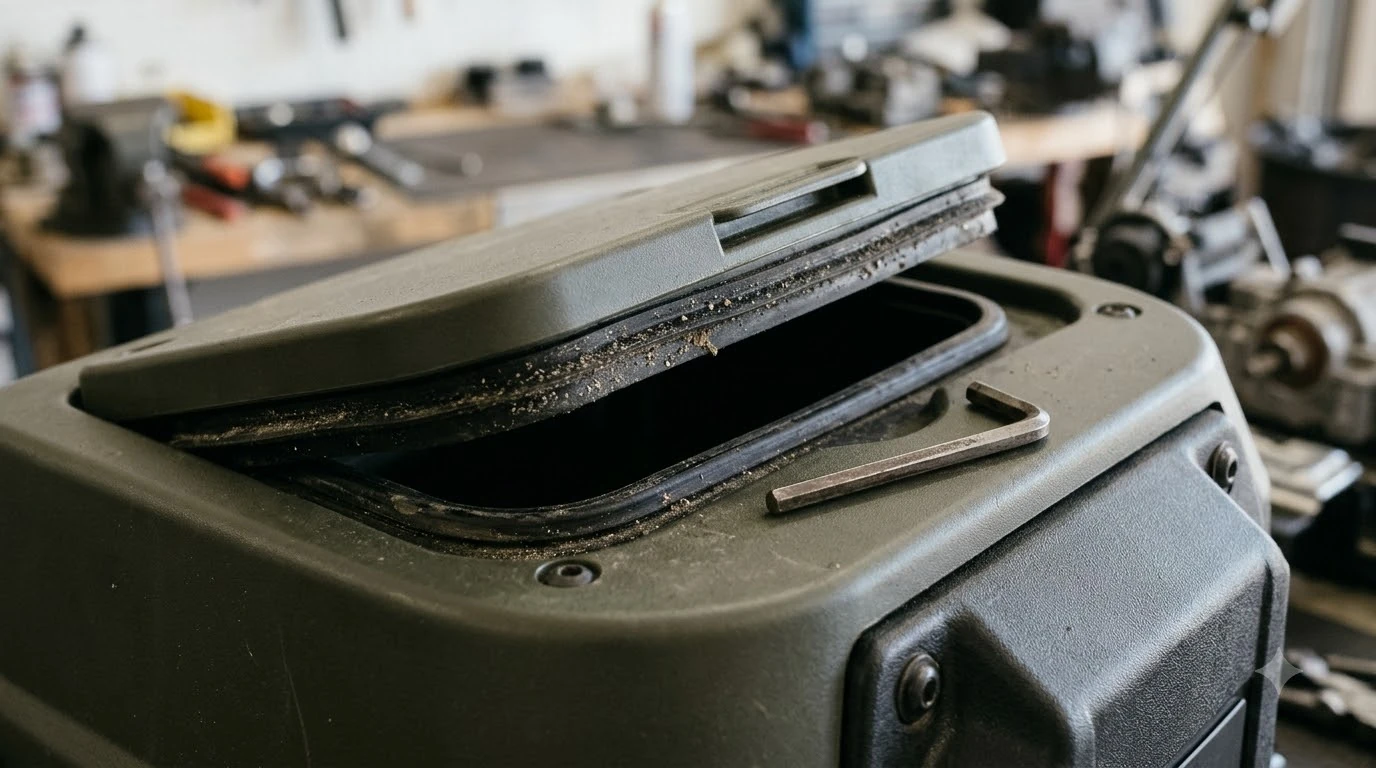

The Lymow battery is a LiFePO4 pack rated at 15 Ah, and Lymow lists a lab figure of 2,000 charge cycles. The One and One Plus both use this chemistry, and a reviewer found the pack can be removed without tools, which makes replacement simple but also raises a theft question. This guide covers the battery specs that matter, what affects runtime and lifespan, how warranty applies, and what to check before you buy a replacement.
The short answer
- Chemistry and size: LiFePO4, 15 Ah, 39 V, about 585 Wh, per an independent review of the Lymow One.
- Cycle life: Lymow’s product page states 2,000 charge cycles in lab testing. Treat that as a lab figure, not a guarantee for your yard.
- Coverage per charge: Lymow lists about 0.57 acre per charge, and about 1.73 acre per day.
- Swapping: the battery is reachable without tools, according to a reviewer, so confirm the pack and connector before you buy a spare.
- Warranty: Lymow lists a limited warranty of up to 3 years on key components and hardware. Check whether the battery is covered under your plan.
The battery specs that matter
The battery in the Lymow One is a lithium iron phosphate (LiFePO4) pack. An independent review lists it at 15 Ah and 39 V, which works out to roughly 585 Wh of energy. LiFePO4 is generally chosen for its stability and long cycle life compared with some other lithium chemistries, which is why the cycle figure is the number to watch. The One Plus is listed with the same chemistry, but check the label on your own pack, because a successor model can change the pack size or connector. Most pack behaviour follows general patterns, and an overview of robot mower batteries explains the basics before the Lymow details.
| Item | Reported figure | Source type |
|---|---|---|
| Chemistry | LiFePO4 | Independent review |
| Capacity | 15 Ah, 39 V, about 585 Wh | Independent review |
| Cycle life | 2,000 charge cycles, lab test | Lymow product page |
| Coverage per charge | About 0.57 acre; about 1.73 acre per day | Lymow product page |
| Warranty | Limited, up to 3 years, key components and hardware | Lymow product page |
The table mixes manufacturer and reviewer figures, so note the source of each. Coverage figures assume the mower’s own test conditions, and a yard with slopes, tight turns, or many obstacles will use more energy per square metre.
What drives runtime and lifespan
Runtime depends on the lawn more than on the battery label. Larger areas, thick grass, slopes, and frequent returns to the dock all draw more energy. A yard with many zones and short passages can also cause extra trips back to the station, and each trip uses some of the cycle budget even though the mower is working as designed. Runtime and lifespan both decline with use, and typical battery replacement intervals give a rough benchmark. For a comparison with another large-yard model, Luba 3 battery runtime comparison shows how runtime is reported.
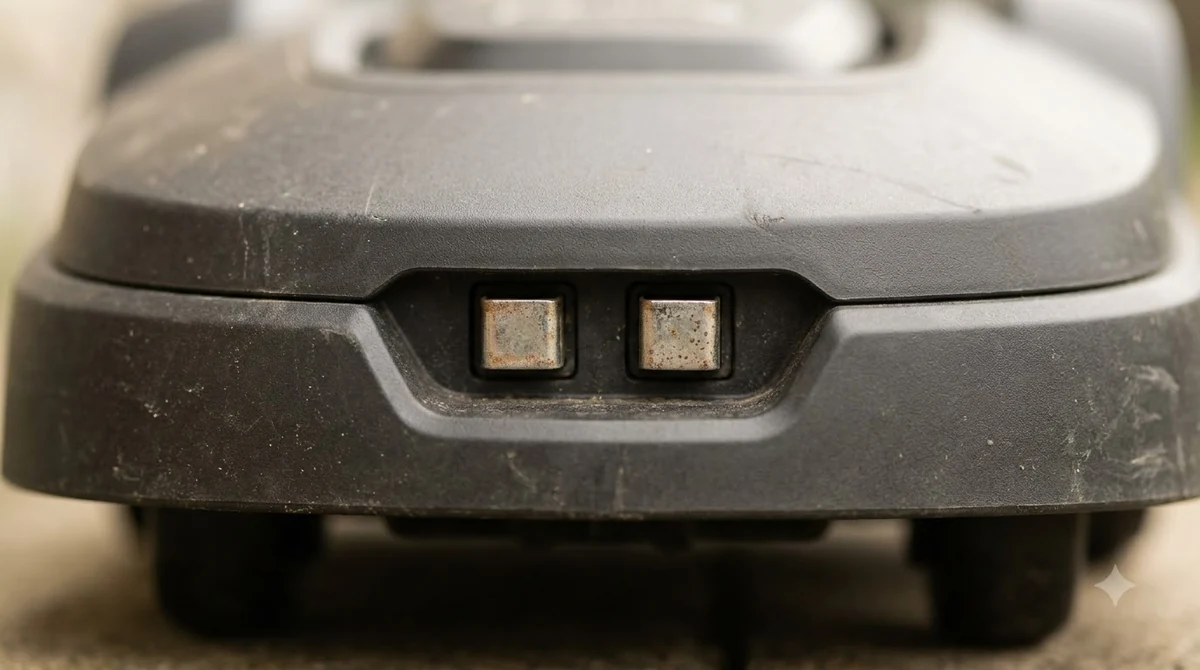
Lifespan is measured in charge cycles, so how often the mower charges matters more than the calendar. Keep the mower’s charging contacts clean and the station in a dry place, because poor contact can cause charging trouble that looks like a battery fault. If runtime drops sharply, check the contacts and the zone layout before blaming the pack.
Swapping the Lymow battery
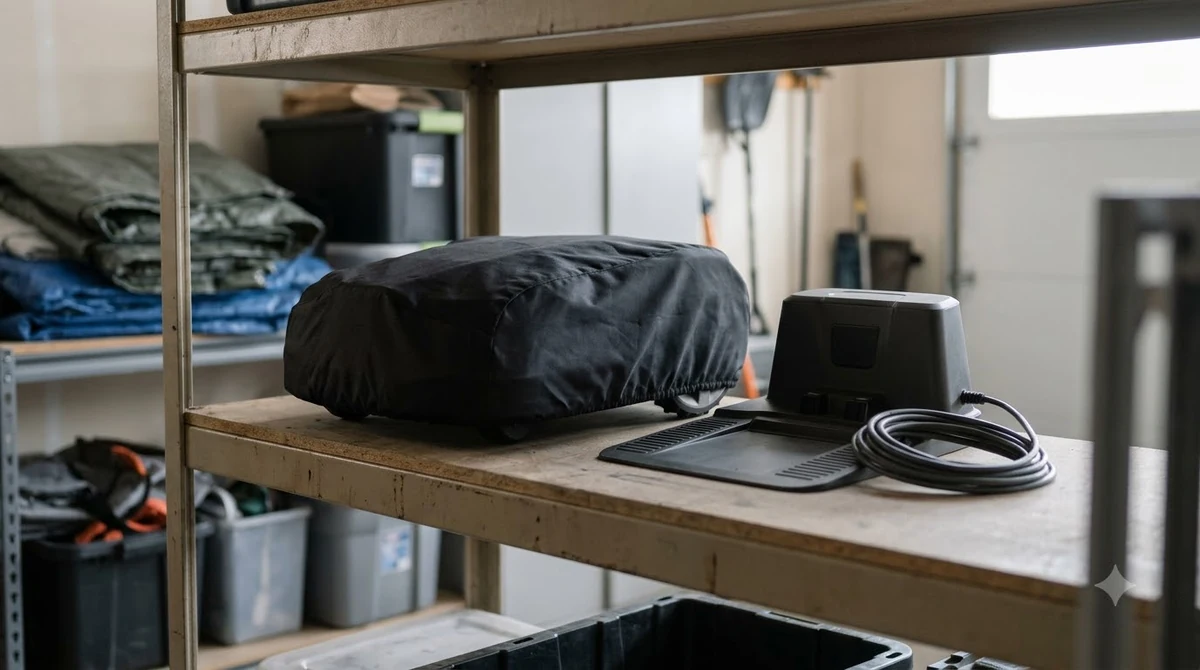
A reviewer found the battery easy to remove without tools, and described it as arguably too easy to access, with little theft deterrent. That has two practical implications. A spare or replacement pack is simple to fit, which is useful if you want to keep a second pack on hand for a large yard. It also means the mower should be stored where the pack cannot be removed by someone who walks past. Swapping the pack is only safe with a replacement pack that matches the original specification.
Before you buy a replacement, match the pack to your model. Check the label or the part listing for the exact model name, the voltage, and the connector. A pack that looks identical can still differ in connector or capacity, and a mismatch can stop the mower from charging.
Heads up
Power the mower off and follow the manufacturer’s instructions before you remove the pack. Do not force a connector. If the pack will not seat or the mower will not charge after a swap, contact Lymow or your seller rather than trying a different pack.
Lymow battery warranty and replacement
Lymow’s product page lists a limited warranty of up to 3 years on key components and hardware. That summary does not settle how a battery is treated in every case, so read the warranty terms that came with your mower before assuming a battery failure is covered. Keep proof of purchase and record the serial number and the date the battery stopped holding its charge, since warranty claims are easier to handle with that detail ready.
A replacement pack is a parts purchase, so check the price against the value of the mower. For an older unit, a new battery may be a reasonable cost. For a unit with other wear, it may be better to put the money toward a newer model.
Buying a Lymow battery replacement or spare
- Confirm the model: One, One Plus, or another Lymow model, and the exact label on the existing pack.
- Check the specs: 15 Ah and 39 V are the figures reported for the One, so compare them against your label.
- Buy from a source that accepts returns: a pack that does not fit should be easy to send back.
- Consider a spare for large yards: a second pack lets the mower keep working while one charges, if your model and layout make that practical.
Who should worry about the battery
Most owners only need to think about the battery when runtime falls noticeably or when the mower returns to the dock more often. Owners with large yards or several zones, and owners in hot or cold climates, have the most to gain from tracking runtime and charge cycles. A small, simple yard usually gets many seasons from one pack, provided the contacts stay clean and the mower is stored sensibly. Comparing spares from another maker, such as Luba replacement battery specifications, shows what details to look for. Battery care is only one part of upkeep, and Lymow blades and wear should be checked in the same service.
Frequently asked questions
What kind of battery does the Lymow One use?
An independent review lists a LiFePO4 pack rated at 15 Ah and 39 V, about 585 Wh. Check the label on your own pack to confirm the figures for your model.
How long does a Lymow battery last?
Lymow’s product page cites 2,000 charge cycles in lab testing. Real life depends on the size of the lawn, slopes, obstacles, and how often the mower charges, so the lab figure is a guide rather than a promise.
Is the Lymow One battery easy to replace?
A reviewer found it can be removed without tools. Confirm the exact model and connector before buying a replacement, since a similar-looking pack may not fit.
Is the Lymow battery covered by warranty?
Lymow lists a limited warranty of up to 3 years on key components and hardware. Read the terms that came with your mower to confirm how the battery is treated, and keep proof of purchase.
Sources
- Freshly Charged review of the Lymow One (independent review): LiFePO4 pack, 15 Ah and 39 V, tool-free removal and theft-risk comment.
- Lymow One product page (manufacturer): 2,000 charge cycles in lab testing, about 0.57 acre per charge, limited warranty up to 3 years.
 Up next8 min readGearHusqvarna 115H Battery: Lifespan, Signs and Replacement TipsUpdated Nov 20, 2026
 6 min readGearLymow Blades: Which Replacement Fits Your MowerUpdated Nov 20, 2026
 6 min readGearRobot Mower Blade Storage Case: 4 Smart Storage TipsUpdated Nov 14, 2026
 7 min readGearRobot Mower Battery: Lifespan, Storage and ReplacementUpdated Nov 18, 2026
 6 min readGearRobot Mower Battery Replacement Pack: Match the Part NumberUpdated Nov 20, 2026
 7 min readGearRobot Mower Battery Charger Replacement: Charger or Battery?Updated Nov 20, 2026