
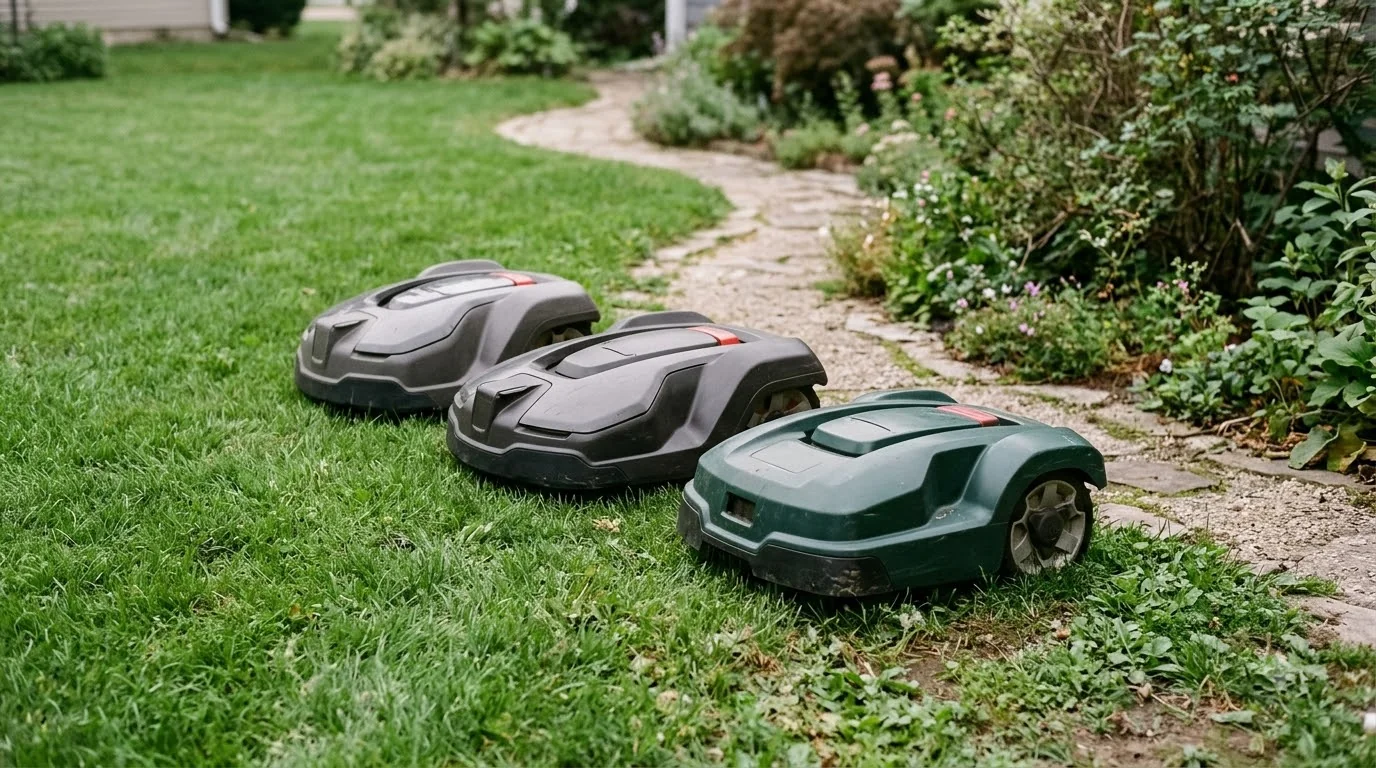

Mowing lawn in summer heat and drought works best when you raise the blade, cut less often, and skip cuts on dormant grass. The advice below draws on university turf research as of 2026-11-09.
One point about mowing lawn in summer heat and drought is debated among turf experts, so the right height depends on whether your lawn gets irrigation. Decide based on your water supply, not only on the calendar.
The short answer
- Raise the cutting height by about 20 percent, to at least 3 to 3.5 inches on most cool-season lawns.
- Cut less often, and never remove more than one-third of the blade in one pass.
- Skip mowing when the lawn has gone dormant and stopped growing.
- Keep blades sharp and leave a light layer of clippings as mulch.
Why mowing in heat and drought is different
Mowing lawn in summer heat and drought removes leaf tissue that the grass needs to stay cool and recover, so the goal is to cut less, not more. Each cut takes away part of the leaf that the plant uses, and that loss matters more when the soil is dry.
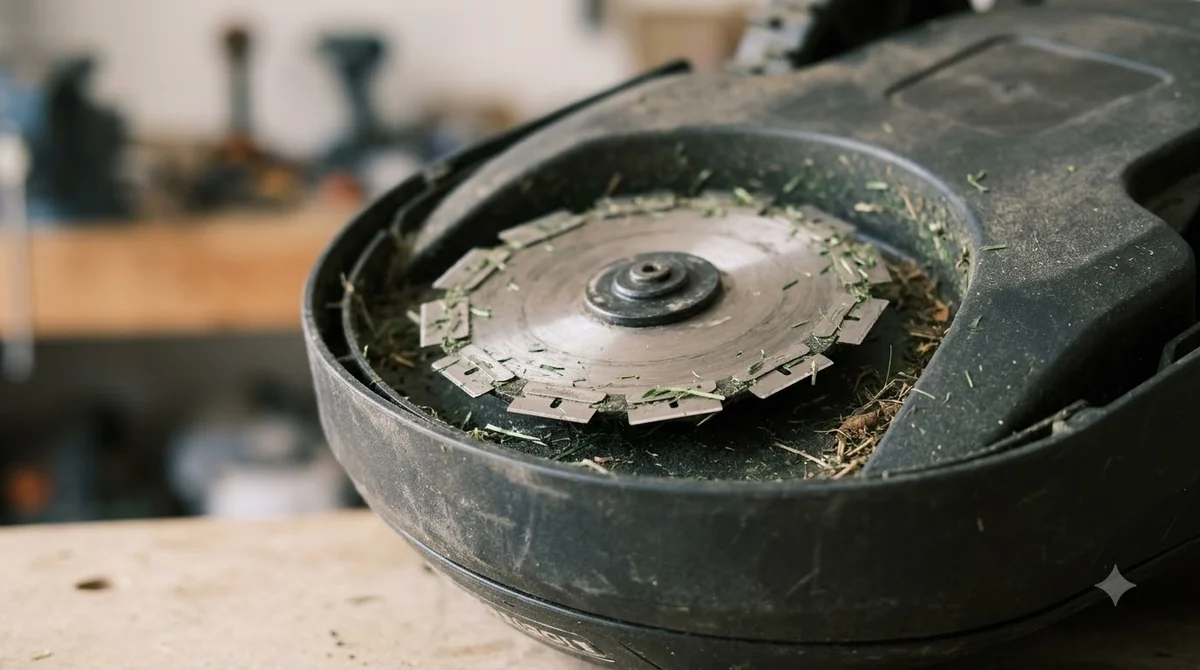
Virginia Tech turf specialist Dan Sandor gives a simple limit: never remove more than one-third of the leaf blade in a single mowing. In summer, that limit matters more because the grass often grows slowly, so a long gap between cuts can push the blades past the one-third line. Our reading is that raising the deck for the next mow is safer than cutting the lawn short.
Blade condition matters as well. University of Nebraska-Lincoln Extension notes that dull blades tear grass instead of cutting it, leaving larger wounds that lose more moisture. Sharp blades make a cleaner cut and help the grass keep water in the leaf.
Mowing lawn in summer heat and drought: how high to cut
Raise the deck before the heat arrives, not during a heat wave. For species-specific numbers, see our guides to St. Augustine grass cutting height and the best mowing height for fescue. Virginia Tech advises raising mowing height to a minimum of 3 to 3.5 inches during summer and drought, and says 4 inches is fine if the lawn can tolerate it or if you can use the mower’s highest setting. For cool-season grass, Lawn Love reports a summer increase of 1/2 to 1 inch, while warm-season grass needs only a half-inch increase.
UNL Water recommends a moderate increase of about 20 percent rather than a large jump, because drastic changes in height allow greater moisture loss. Taller grass also shades the soil and, according to the same source, goes with deeper roots. The same source gives a practical target once rain returns: Kentucky bluegrass at 2.5 to 3 inches, and turf-type tall fescue at 3 to 3.5 inches.
| Grass type | Typical lawn height | Summer adjustment |
|---|---|---|
| Kentucky bluegrass | 2.5 to 3 inches (UNL) | Raise about 20 percent, toward 3 inches |
| Turf-type tall fescue | 3 to 3.5 inches (UNL) | Use the top of the 3 to 3.5 inch range |
| Cool-season lawn, any type | 3 to 3.5 inches minimum (Virginia Tech) | Raise by 1/2 to 1 inch (Lawn Love) |
| Warm-season lawn | Keep the normal range for the species | Raise by 1/2 inch (Lawn Love) |
Change the setting in small steps and check the lawn after each week. The table gives a starting point, but the actual height range depends on your mower, so confirm it in the manual before you change anything.
The counterpoint: when raising the height can backfire
Purdue Turfgrass Science argues that the common advice to raise mowing height during drought is very simplified and needs clarification. Its reasoning is that most turf root growth happens in spring and fall, so raising the deck in summer does not make roots go deeper before the drought hits. A taller cut adds leaf tissue that the existing roots must support, which can increase water stress on a dry site.
On irrigated turf, Purdue reports a different outcome. With ample summer water, a slightly higher cut increases leaf area for photosynthesis and helps the grass tolerate heat. The practical takeaway is to mow as high as can be tolerated for your situation and keep that height all season. Note that this Purdue article is dated 2007, so check a current extension guide for your region and grass species before you rely on its exact numbers.
How often to mow during a drought
Mow less often during a drought, because slower growth means less grass to cut. The one-third rule for mowing grass still applies to every cut. Virginia Tech’s Dan Sandor says that during a drought you should not need to mow very often. UNL Water adds that reducing mowing frequency is important only at the beginning of a drought. As dry weeks continue, the grass grows less, and the mowing schedule should follow the growth rate rather than the calendar.

Neither source gives a fixed number of days between mows, so the best guide is what the lawn is doing. If the grass has barely grown in a week, skip the cut. If it has grown past the one-third line, cut it at the raised height rather than waiting until it is much taller.
When to skip mowing completely
Skip mowing when the lawn has gone dormant and stopped growing, and resume once fresh green growth returns. Our reading of the sources is that dormancy is the main sign to pause, because a dormant lawn has little new leaf to cut. No source read for this article gives a single temperature or day count that applies everywhere, so use the signs below rather than a fixed rule.
- Brown across most of the lawn. Mowing a dormant lawn removes what little green leaf is left.
- No new growth for several weeks. If blades are not lengthening, there is little to cut.
- Rain or irrigation returns. Once new green shoots appear, resume mowing at the raised height.
Robot mower settings for hot weather
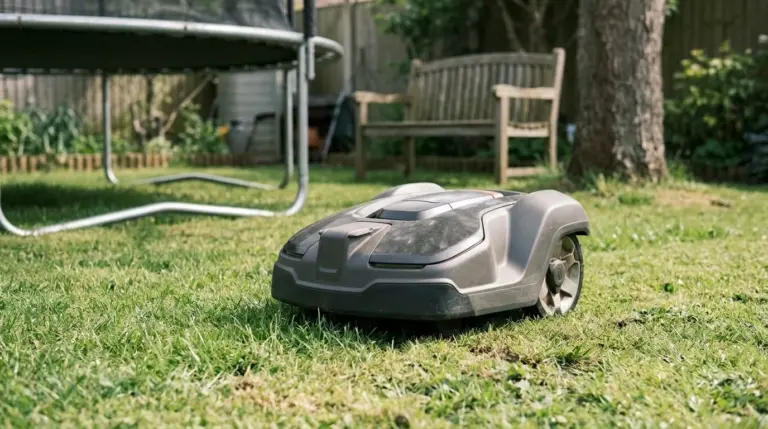
A robot mower needs the same height change as a push mower, plus a schedule that cuts less often. Because a robot runs on its own timer, it can keep cutting every day if you leave the default schedule in place. That is the main risk in summer. Reducing run days protects a stressed lawn without changing the mower’s hardware. Hot weather also affects timing; see the best time of day to run a robot mower.
- Raise the deck first. Set the height to the highest level your manual allows, then move down only if the lawn needs it.
- Cut the run days. Drop the schedule from daily to every other day or fewer, and watch the grass for two weeks.
- Check the blades. Replace or sharpen blades that look chipped, since dull blades tear the grass; our robot mower blade replacement guide covers how often.
- Stop the schedule during dormancy. Pause the mower when the lawn stops growing, then restore the normal schedule when growth returns.
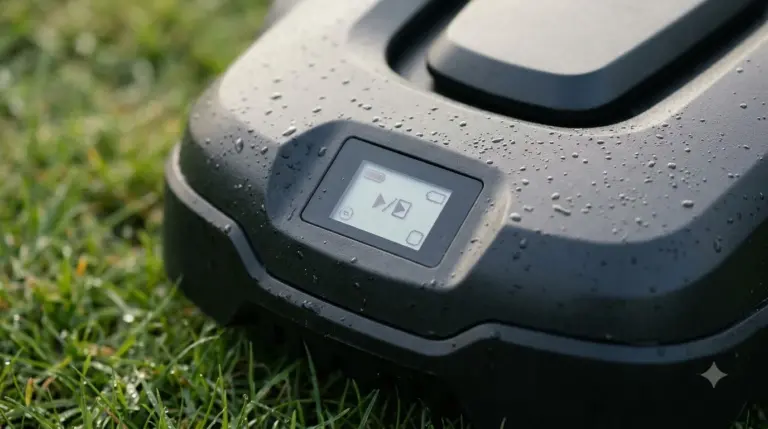
We recommend making these changes in the app or on the control panel before the first heat wave, not during one, because a schedule set in advance is easier to manage. Robot mowers cut small amounts often, so a lighter schedule usually does more good than a single high setting.
Leave clippings and keep blades sharp
Leave a light layer of clippings on the lawn and keep the blade sharp. UNL Water says a light sprinkling of clippings acts as mulch that holds in soil moisture, and it warns against clumps, which can smother the turf. Dull blades tear grass instead, which is why the same source treats sharp blades as part of the summer routine.
- Light layer. A thin sprinkling of clippings is the mulch effect the source describes.
- Avoid clumps. Rake or spread heavy piles, especially after a long gap between cuts.
- Sharp blades. Replace or sharpen blades before the hot season starts.
For most lawns, mowing lawn in summer heat and drought means a higher deck, fewer cuts, and a pause once growth stops. If your lawn has irrigation, you can usually hold a higher cut. Without irrigation, be more cautious, and check an extension guide for your grass type before you raise the blade.
Frequently asked questions
Should I mow during a heat wave?
Avoid mowing when grass is stressed by heat and dry soil. Virginia Tech advises mowing less often during drought, and a dormant lawn should be left alone until it starts growing again.
What height should a robot mower be set to when mowing lawn in summer heat and drought?
Use the highest setting your manual allows, aiming for at least 3 to 3.5 inches for cool-season lawns, as Virginia Tech recommends. Raise the height in small steps and check the lawn after each week.
Should I raise the mower height during drought?
It depends on irrigation. Purdue Turfgrass Science says raising height can increase water stress on droughty sites but can help irrigated turf. Check a current extension guide for your grass species.
Is it OK to leave grass clippings on the lawn in summer?
Yes, a light layer of clippings acts as mulch that holds in soil moisture, according to UNL Water. Avoid thick clumps, which can smother the grass beneath them, and keep the blade sharp.
Sources
- Virginia Tech News: lawn drought care advice (Virginia Tech): minimum mowing height, one-third rule, and mowing less during drought.
- Turf Care Under the Hot Sun (UNL Water, University of Nebraska-Lincoln): 20 percent height increase, mulching clippings, sharp blades.
- Don’t raise the mowing height during drought (Purdue Turfgrass Science): the counterpoint on droughty and irrigated sites; article dated 2007.
- Should You Raise Your Mowing Height in Summer? (Lawn Love): summer height increases by grass type, citing extension publications.
 Up next8 min readBy YardBest Mowing Height for Zoysia Grass: Summer, Spring and FallUpdated Nov 11, 2026
 8 min readBy YardRobot Mower Under Trees: What Changes and What to DoUpdated Nov 11, 2026
 8 min readBy YardOne Third Rule for Mowing Grass: How It Works and Why It MattersUpdated Nov 11, 2026
 8 min readBy YardWhen to Start and Stop Robot Mowing Each YearUpdated Nov 11, 2026
 8 min readBy YardBahia Grass Mowing Height and Schedule: What Extension Sources SayUpdated Nov 11, 2026
 9 min readBy YardPerennial Ryegrass Mowing Height and Schedule ExplainedUpdated Nov 11, 2026