
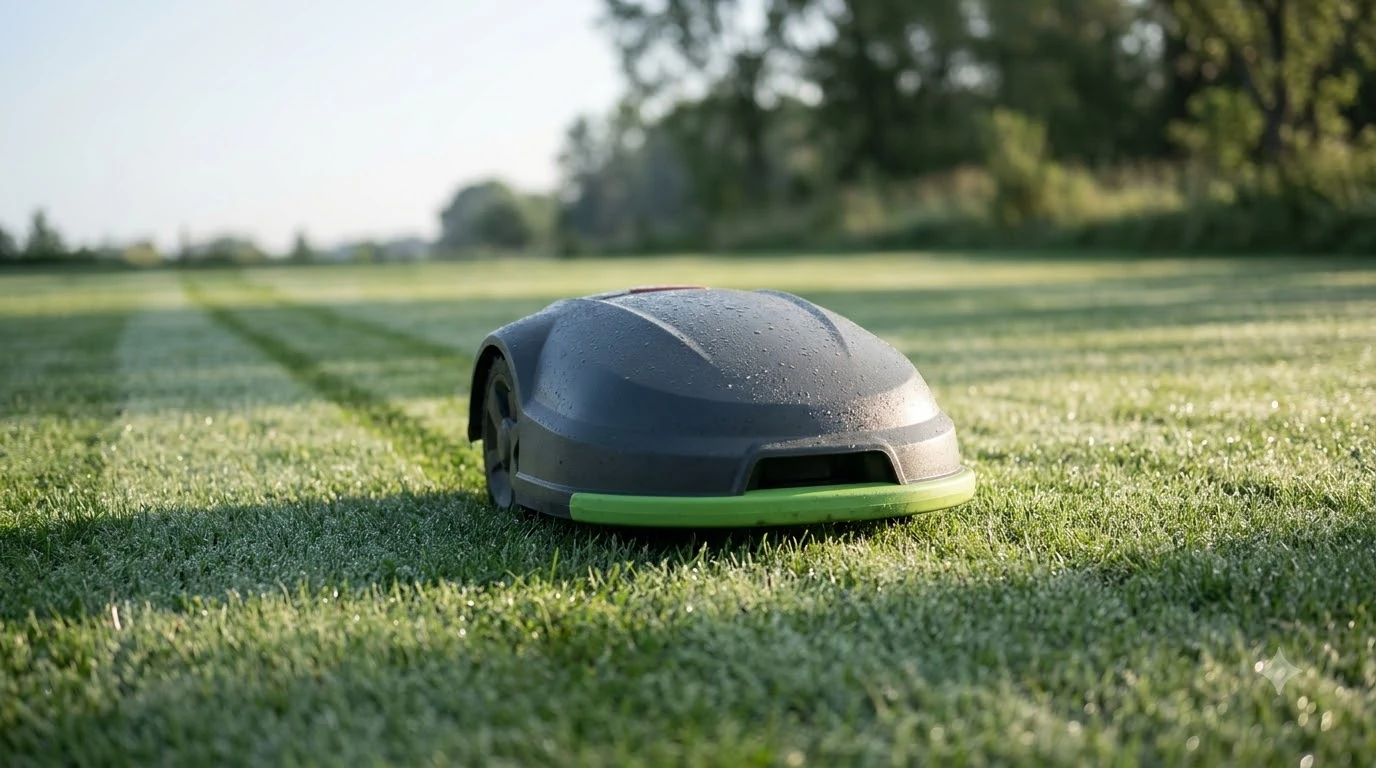

Lymow One Plus vs Navimow X430: both are wire-free robot mowers that use satellite positioning with cameras. They differ in deck width, slope rating, and weight, and their published coverage and runtime figures do not always agree. This comparison sets out the figures from the maker and reviewer sources, shows where they conflict, and explains which yard fits each mower better.
The short answer
- Navigation: both use RTK positioning with camera-based vision, and neither needs a perimeter wire.
- Deck width: the Lymow One Plus cuts 16 inches; the Navimow X430 cuts 17 inches.
- Slope: the Lymow One Plus is listed at up to 45 degrees (100 percent); the Navimow X430 at about 40 degrees (84 percent).
- Weight: about 78.5 lb for the Lymow One Plus against about 63.7 lb for the Navimow X430.
- Coverage: the sources give different figures for the Navimow, so check the official spec sheet for either model.
Lymow One Plus vs Navimow X430 at a glance
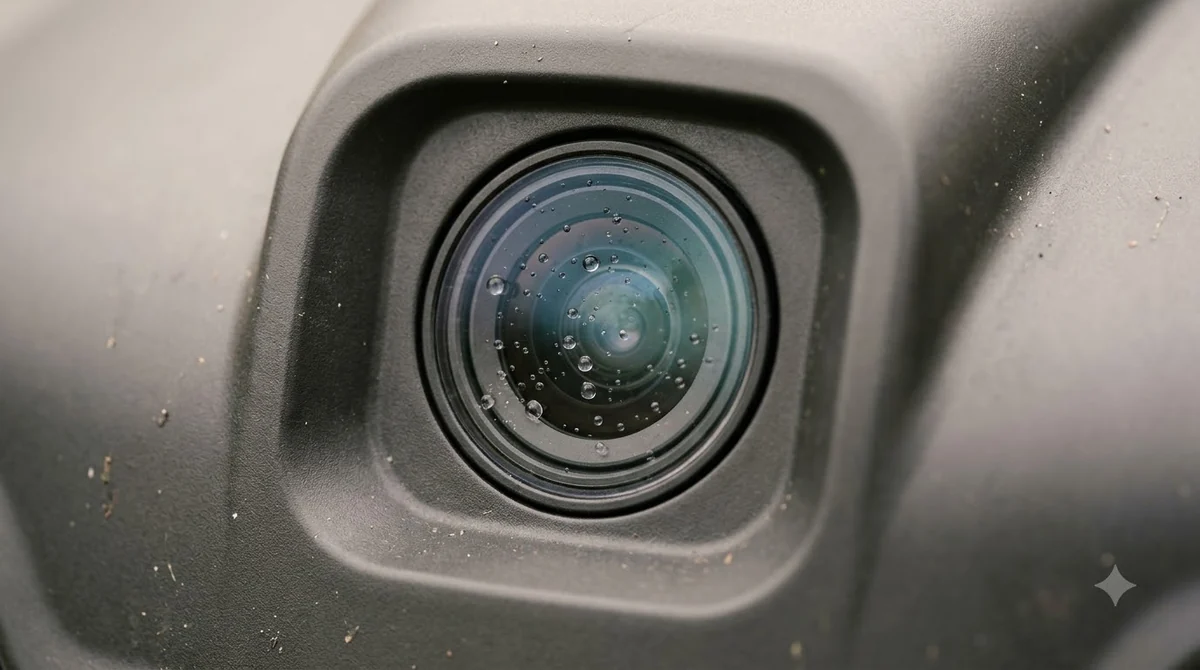
Both mowers are built for larger, open yards and use a dual-disc or dual-rotary cutting system. The Lymow One Plus uses RTK combined with visual SLAM, AI vision, and ultrasonic sensors, and it lists up to 80 zones. The Navimow X430 uses network RTK with a 360-degree vision and visual-inertial camera system, and it has no LiDAR. Both are rated for protection against water and dust, with the Lymow listing IPX6 and the Navimow listing IP66 on its mower body. For a wider view of the brand’s tracked models and how they differ, the Lymow robot mower lineup overview collects the specs in one place. Readers who want the full spec breakdown for the first model can start from the Lymow One Plus review summary before returning to this comparison.
| Spec | Lymow One Plus | Navimow X430 |
|---|---|---|
| Cutting width | 16 in | 17 in (43 cm), two discs |
| Cutting height | 1.2 to 4.0 in | 0.75 to 4 in per one source; 20 to 60 mm per another |
| Max slope | Up to 45 degrees (100%) | About 40 degrees (84%) |
| Weight | 78.5 lb (about 35.6 kg) | 63.7 lb (28.9 kg), without the charging station |
| Navigation | RTK with VSLAM, AI vision, ultrasonic | Network RTK with 360-degree vision and VIO camera |
| Zones | Up to 80 | Up to 120 (one review) |
| Warranty | Limited, up to 3 years | 3 years |
The table shows the figures each source lists. Where a row has two values for one model, the sources disagree, and the next sections explain the gaps.

Coverage and runtime: where the sources disagree
The Lymow One Plus product page lists 0.57 acre per charge and 1.73 acres per day, with a maximum runtime of 3 hours on a 15 Ah LiFePO4 battery. Its charge time is 90 minutes at 10 A or 150 minutes at 5 A. Those are the maker’s figures, and the page does not name an independent lab behind the battery cycle rating.
For the Navimow X430, one comparison site gives a rated coverage of about one acre, while another review source states up to 3,000 square meters. Runtime is also listed two ways: 110 minutes per charge on one site and around 150 minutes on another that cites Navimow. The charge time of 90 minutes is consistent across sources. Because these figures conflict, check the official spec sheet for the exact coverage and runtime before you use them to size a battery plan.
Slope and terrain
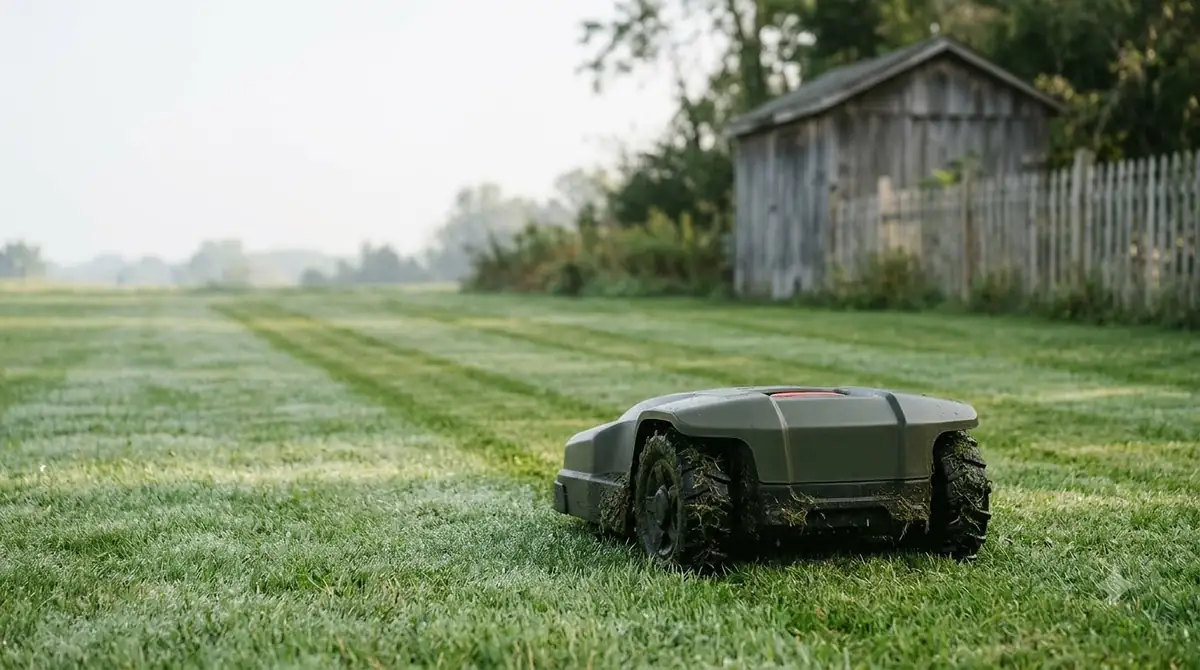
The Lymow One Plus page gives its slope limit as up to 45 degrees, which equals a 100 percent gradient. The Navimow X430 is listed at about 40 degrees, or 84 percent, and one review states the 40-degree figure directly. These are not the same unit of measure, so compare the degree figures side by side rather than mixing degrees and percent. The Navimow X430 review and spec notes cover the same slope ratings from the other side, including where sources disagree on real-world limits.
A slope rating shows the steepest ground a mower can climb in ideal conditions. It does not show how the mower handles wet grass, loose soil, or a slope that is steep and narrow at the same time. Walk the steepest part of your yard before you choose.
Navigation and setup
Both mowers avoid a perimeter wire, which removes the installation work and the risk of a broken wire. Both rely on satellite positioning with cameras, so the sky view matters for each. The Lymow One Plus includes an RTK base station, antenna, and pole in the box. A reviewer of the earlier Lymow One noted a louder mower and an app that was harder to use, but that review covers the original model, not the Plus. The vendor’s installation order matters for map quality, and the Navimow X430 setup steps walk through the app pairing and antenna placement in sequence.
The Navimow X430 reviewer found the setup easy and the grip and traction strong. The same reviewer flagged the high price, extra cost for a shelter, and the number of app functions as drawbacks.
Noise and everyday use
Expert Reviews gives the Navimow X430 a noise figure of 68 dBA. The Lymow One Plus product page does not state a noise figure, so a like-for-like comparison is not possible from the maker’s material. If noise matters to you, ask both manufacturers for the figure under test conditions.
The Lymow One Plus weighs about 15 pounds more than the Navimow X430. A heavier mower is harder to lift out of a flower bed or off a slope, and it can leave deeper tracks on soft ground. Consider whether you will need to move the mower by hand.
Who each mower suits
The Lymow One Plus has the steeper listed slope and the higher listed weight, so it may suit a yard with steep sections and a firm, level-enough base for the extra mass. It also lists more battery detail on its product page.
The Navimow X430 has the lighter weight and the wider cut in this pairing, and the published reviews focus on its traction and easy setup. It may suit an open yard with a moderate slope where setup time matters more than the steepest slope rating.
Neither is the right choice for every yard. A small or fenced-in lawn with narrow passages may not need either mower, and both prices should be checked against what the mower will actually cost with the charging station and any shelter.
What to check before you buy
- Coverage and runtime: get the official figures for the exact model and region, not the comparison site figures.
- Slope: measure the steepest part of your yard and compare it with the listed degree rating.
- Sky view: confirm the RTK base or satellite signal will reach the lawn and the charging station.
- Noise and weight: ask for a noise figure under test conditions and plan how you will move the mower.
- Price: include the charging station, base station, and any shelter in the total.
Related reads: A second head-to-head with the same Navimow model, Navimow X430 versus Luba 3 AWD, shows how coverage claims shift with a different rival. For another rival matchup on the same navigation platform, see how the Navimow X430 versus Dreame A3 AWD Pro comparison handles slope and runtime.
Frequently asked questions
Which mower has the steeper slope rating?
The Lymow One Plus is listed at up to 45 degrees, which equals 100 percent. The Navimow X430 is listed at about 40 degrees, or 84 percent. Check the official specs for the model you plan to buy.
Do the Lymow One Plus and Navimow X430 need a perimeter wire?
Neither needs a perimeter wire. Both use satellite positioning with cameras, so a clear sky view matters for both.
How much lawn does each mower cover?
The Lymow One Plus product page lists 0.57 acre per charge and 1.73 acres per day. For the Navimow X430 the sources give different figures, from about one acre to up to 3,000 square meters, so check the official sheet.
Which mower is quieter?
Expert Reviews gives the Navimow X430 a noise figure of 68 dBA. The Lymow One Plus product page does not list a noise figure, so compare them directly with the manufacturers before deciding.
Sources
- Lymow One product page (Lymow): cutting width, slope, coverage, battery, navigation, warranty for the Lymow One Plus.
- Segway Navimow X4 series X430 review (Expert Reviews): 40-degree slope, 68 dBA noise, reviewer pros and cons.
- Segway Navimow X430 (Smart Home Compared): 17-inch cut, no perimeter wire, IP66, 3-year warranty, weight.
 Up next8 min readReviews & CompareLymow One Plus Review: 5 Essential Specs, Honest TakeUpdated Nov 16, 2026
 9 min readReviews & CompareDreame A3 AWD Pro vs Navimow X430: Specs ComparedUpdated Nov 12, 2026
 7 min readReviews & CompareLUBA 3 AWD 3000H vs Navimow X430: High-Cut Specs ComparedUpdated Nov 12, 2026
 8 min readReviews & CompareLymow One Pros and Cons: What the Sourced Specs ShowUpdated Nov 15, 2026
 9 min readReviews & CompareLymow One Alternatives: Specs to Compare Before You BuyUpdated Nov 14, 2026
 7 min readReviews & CompareLymow One Review: What the Sourced Specs Say Before You BuyUpdated Nov 12, 2026