
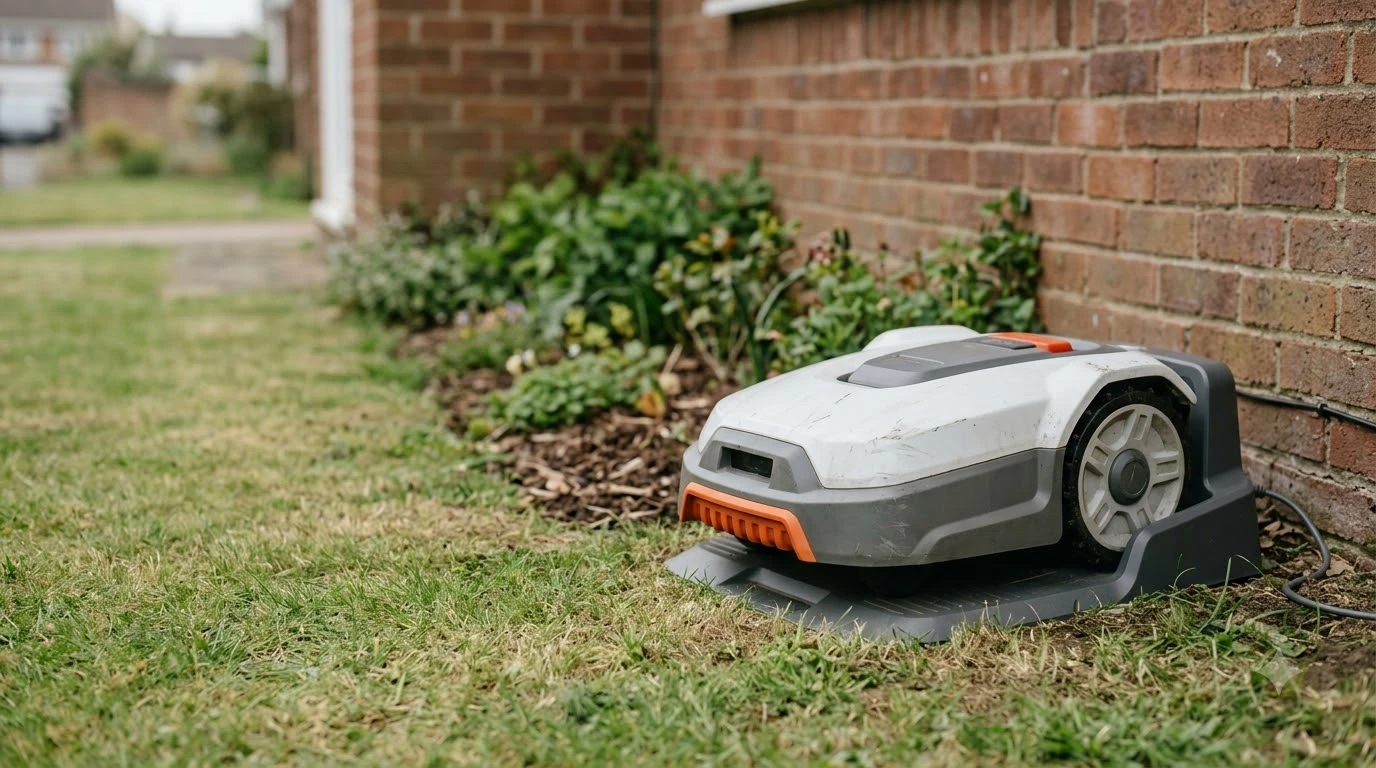

How to keep slugs and snails out of a mower dock? You can block slugs and snails from entering a robotic mower charging station by stripping away nearby damp hiding spots, shifting irrigation to morning hours, installing a wide copper barrier around the base, and clearing organic debris from the dock each week. Combining physical habitat changes with targeted barriers keeps mollusks away from sensitive circuit boards and charging contacts without exposing your lawn to harsh chemicals.
The short answer
- Eliminate nearby shelter: Clear mulch, dense ground cover, loose pavers, and leaf litter within a few feet of the dock so mollusks have nowhere cool and damp to hide during the day.
- Dry out the docking zone: Run lawn sprinklers in the early morning rather than at dusk so the grass and baseplate dry before nocturnal slugs become active.
- Apply a wide copper perimeter: Wrap adhesive copper foil or tape around the outer rim of the dock baseplate, keeping the metal clean and wide enough that large mollusks cannot bridge it.
- Brush out clippings and slime trails: Unplug the station and wipe away grass clippings, mud, and dried mucus around the charging contacts and wire ports every week.
- Use iron phosphate bait sparingly: If heavy infestations persist after rain, scatter pet-safe iron phosphate pellets around surrounding garden beds rather than inside the charging housing.
Why slugs and snails invade robotic mower docks
Slugs and snails treat a robotic mower charging station as an ideal daytime shelter because the plastic housing offers shade, trapped moisture, and gentle warmth from the power electronics.
According to the University of California Statewide Integrated Pest Management Program (UC IPM), terrestrial snails and slugs are nocturnal mollusks that actively avoid bright sunlight and daytime heat, retreating under boards, stones, and low-lying plastic enclosures until nightfall or cloudy, rainy weather. A mower baseplate sitting flush against damp turf creates a dark, humid microclimate right next to a steady food source of fresh grass clippings.
Beyond leaving silvery mucus trails across the mower shell, mollusks pose a genuine electrical hazard to automated yard equipment. Slugs carry high moisture content in their bodies and secrete conductive slime. When they squeeze through wire-routing slots or ventilation gaps at the back of the charging tower, they can bridge terminals on the main printed circuit board, trigger false lift-sensor alerts, or corrode metal charging paddles.
Step-by-step dock proofing routine
Securing a charging station against mollusks works best when you combine perimeter cleanup, moisture management, and physical barriers in a single maintenance session.
- Disconnect power and inspect the housing. Unplug the low-voltage power supply from the wall outlet before touching the station. Lift the mower off the baseplate, open the rear wire-access cover, and check around the boundary-wire clamps and circuit housing for hidden snails, egg clusters, or dried slime.
- Clear a dry buffer zone around the baseplate. Pull back wood mulch, overgrown ivy, fallen leaves, and loose decorative stones around the charging station. UC IPM notes that removing daytime hiding places is the foundational first step in any snail and slug management plan, as fewer pests survive when exposed to sun and air circulation.
- Adjust your lawn watering schedule. Point sprinkler heads away from the dock and schedule irrigation for early morning instead of evening. According to the University of Minnesota Extension, watering in the morning lets the soil surface and turf dry out before slugs emerge after sunset.
- Clean the charging plates and plastic shell. Brush off accumulated grass clippings and soil from the baseplate and mower undercarriage. Following Husqvarna Automower maintenance guidelines, wipe the charging station exterior with a damp cloth and mild soap solution, and polish oxidized contact plates with a fine-grade abrasive pad rather than spraying the tower with a pressure washer or harsh solvents.
- Install a clean copper barrier around the perimeter. Apply wide adhesive copper foil tape around the outer vertical edge of the charging station baseplate or along a solid paver border surrounding the dock. Copper reacts with mollusk slime to generate a mild electrical sensation that forces slugs and snails to turn back, provided the band is wide enough that they cannot stretch across it.
- Seal cable entry gaps carefully. Inspect the rear channels where the boundary wire, guide wire, and power cord enter the charging tower. If oversized gaps exist around the cables, tuck a small piece of breathable mesh or weather-resistant foam around the wires without blocking drainage holes or trapping condensation inside the electronics compartment.
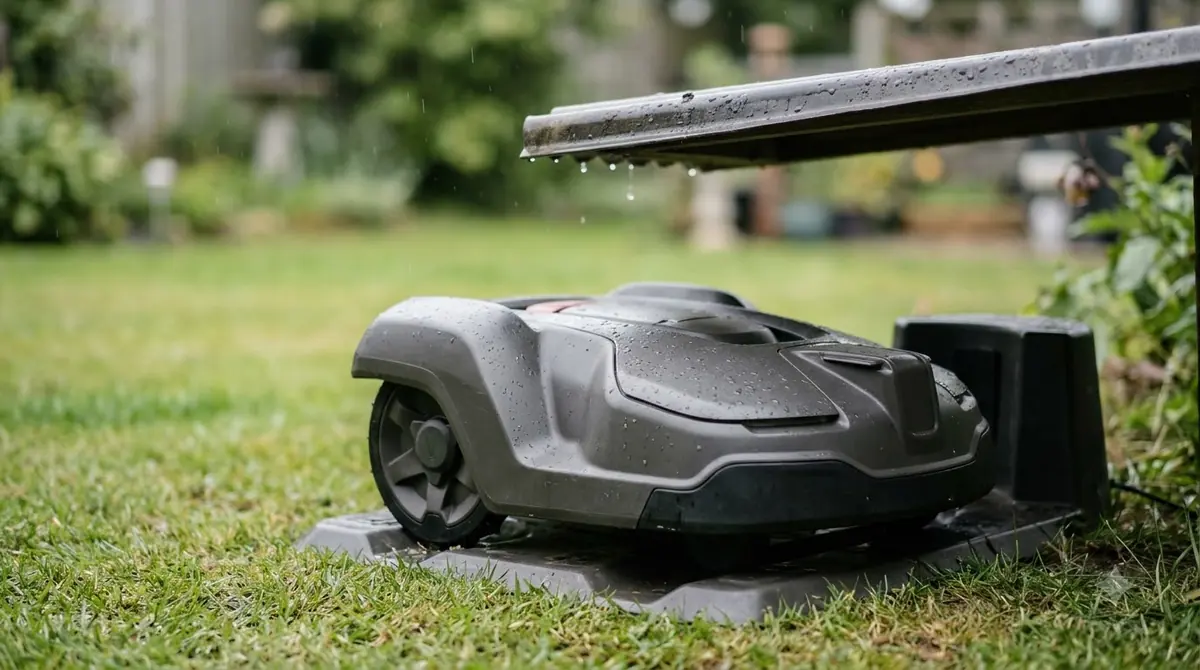
Comparing slug and snail deterrents for mower stations
Not every garden slug remedy belongs near sensitive outdoor electronics, so choosing the right deterrent depends on weather resistance, conductivity, and pet safety.
| Deterrent method | How it works | Suitability around mower docks | Maintenance required |
|---|---|---|---|
| Copper foil tape | Reacts with mollusk mucus to create a natural repelling charge on contact. | High, when applied to the outer baseplate rim away from charging contacts. | Wipe periodically with a vinegar solution to remove tarnish. |
| Habitat & moisture control | Removes damp daytime shelter and dries the turf surface before nightfall. | High, safe for all mower electronics, pets, and turfgrass. | Weekly brushing of clippings and morning-only watering. |
| Iron phosphate bait | Stomach poison that stops feeding within days and breaks down in soil. | Moderate; scatter in nearby garden beds rather than on the dock plate. | Reapply every couple of weeks during prolonged wet spells. |
| Diatomaceous earth (DE) | Abrasive fossilized silica powder that scratches the mollusk cuticle. | Low; loses effectiveness once damp and clogs mower wheels and sensors. | Must be reapplied after every dew or rain event. |
| Table salt or saltwater | Draws moisture out of slug bodies through osmosis. | Poor; corrodes metal charging contacts and kills surrounding lawn grass. | Not recommended near electrical hardware or turf. |
Heads up
Never pour table salt, spray saltwater mixtures, or dust loose diatomaceous earth onto a robotic mower charging station. Salt accelerates corrosion on copper charging paddles and damages surrounding grass, while wet diatomaceous earth turns into an abrasive paste that can foul wheel bearings, optical sensors, and cooling vents.
Managing heavy infestations after rain
Extended stretches of cloudy, rainy weather often overwhelm passive barriers, requiring temporary trapping or targeted baiting in the surrounding yard.
When persistent rain keeps the lawn saturated, slugs travel farther across open turf and reproduce rapidly. University of Minnesota Extension recommends setting out simple wooden board traps—such as a flat board raised slightly off the soil on narrow runners—in shaded flower beds several feet away from the charging station. Slugs congregate underneath the boards at dawn, letting you collect and dispose of them in soapy water each morning without bringing moisture or debris near your mower.
If trapping and hand-picking at dusk with a flashlight do not curb the population, granular baits containing iron phosphate offer a targeted backup. Both UC IPM and University of Minnesota Extension note that iron phosphate baits remain effective even in damp weather and pose minimal risk to pets and wildlife compared to older metaldehyde pellets, which are highly toxic to dogs. Scatter iron phosphate granules lightly along adjacent mulch beds or fence lines—never directly inside the mower garage—so mollusks feed away from your equipment.
Keeping copper barriers and sensors working long-term
Ongoing seasonal care ensures that physical barriers stay active and that slime buildup never interferes with automated docking.
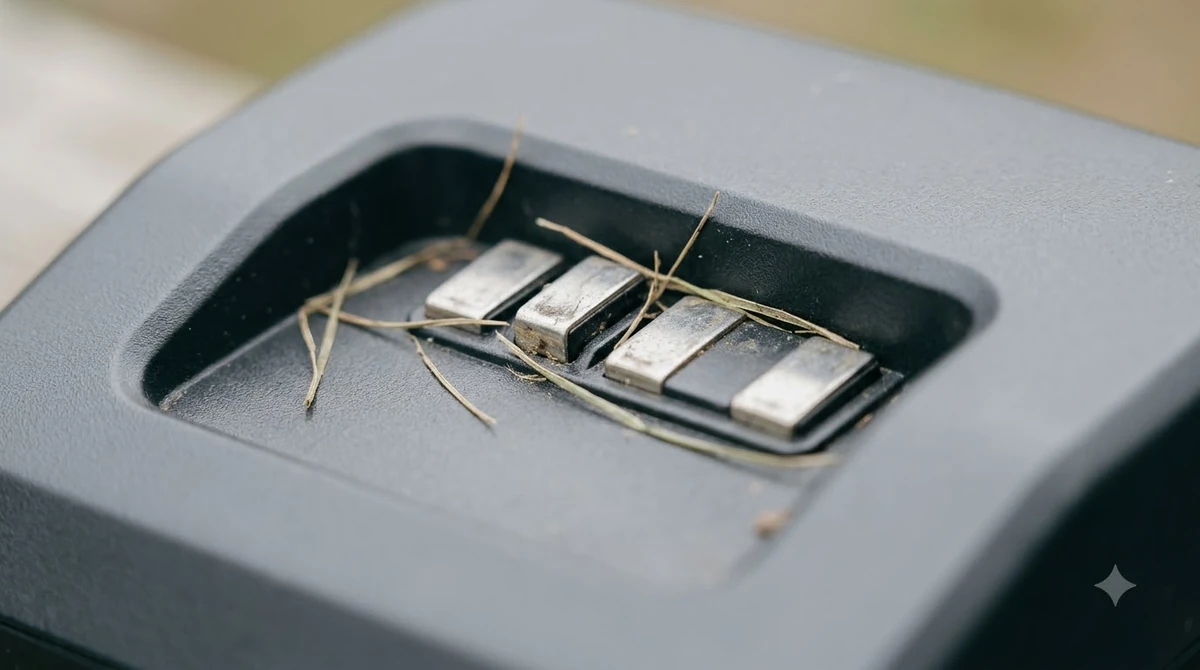
Copper tape loses its repelling effect once oxidation turns the bright metal dark green or brown. UC IPM advises cleaning tarnished copper bands with a mild vinegar solution whenever the surface darkens so the electrochemical reaction with mollusk slime remains strong. At the same time, verify that grass blades do not grow tall enough along the baseplate edges to form a green bridge over the copper strip.
Make a habit of checking the dock whenever you swap mower blades or clear seasonal debris. Major manufacturers including Husqvarna and Worx advise keeping charging station contact strips free of organic buildup and oxidation using a dry cloth or fine abrasive pad so the mower maintains a reliable low-resistance connection. Keeping those metal contacts spotless also removes the dried mucus film that can trick a docked mower into thinking its battery is disconnected.
Frequently asked questions
Can slugs and snails actually break a robotic lawn mower?
Yes, slugs and snails can damage a robotic mower or its charging station if they crawl inside the electronics housing. Their moist bodies and conductive slime can short out circuit boards, corrode charging contacts, or wedge beneath the floating top shell and trigger persistent lift-sensor errors.
Is copper tape safe to put on a mower charging station?
Adhesive copper tape is safe when applied strictly to the outer plastic perimeter of the baseplate or a surrounding paver border. Keep the tape well away from the metal charging contacts, boundary-wire terminals, and power pins so it cannot create a short circuit.
Why do slugs gather under my mower dock even in dry weather?
Even during dry spells, the solid plastic baseplate traps ground condensation underneath while blocking direct sunlight, creating a cool, humid pocket. Warmth from the charging transformer and decaying grass clippings under the deck add extra shelter and food.
Are coffee grounds or eggshells effective around a charging dock?
Crushed eggshells and used coffee grounds offer unreliable protection outdoors because rain and morning dew quickly wash them away or mat them down. Piling loose organic grounds around a charging base can also trap extra moisture and clog the mower’s drive wheels.
Sources
- Snails and Slugs Pest Notes (University of California Statewide IPM Program): used for mollusk biology, daytime hiding habits, copper tape maintenance, and iron phosphate vs. metaldehyde safety comparisons.
- Slugs in Home Gardens (University of Minnesota Extension): used for morning irrigation timing, wooden board trapping methods, and diatomaceous earth limitations in damp conditions.
- How to Clean Husqvarna Automower and CEORA (Husqvarna Support): used for safe charging station cleaning practices, contact plate care, and avoiding pressure washers or harsh solvents.
 Up next9 min readLearnHow to dry out a robot mower after heavy dew safelyUpdated Nov 19, 2026
 6 min readLearnWhy Does My Robot Mower Keep Going Back to the Dock?Updated Nov 14, 2026
 9 min readLearnCan You Paint or Wrap a Robot Mower Shell Safely?Updated Nov 19, 2026
 9 min readLearnWhy Does My Robot Mower Beep Three Times on the Dock?Updated Nov 19, 2026
 7 min readLearnNavimow X430 Setup: Step by Step From Charging Dock to First MowUpdated Nov 13, 2026
 6 min readLearnWhy Does My Robot Mower Leave Tire Marks on the Dock Area?Updated Nov 13, 2026