
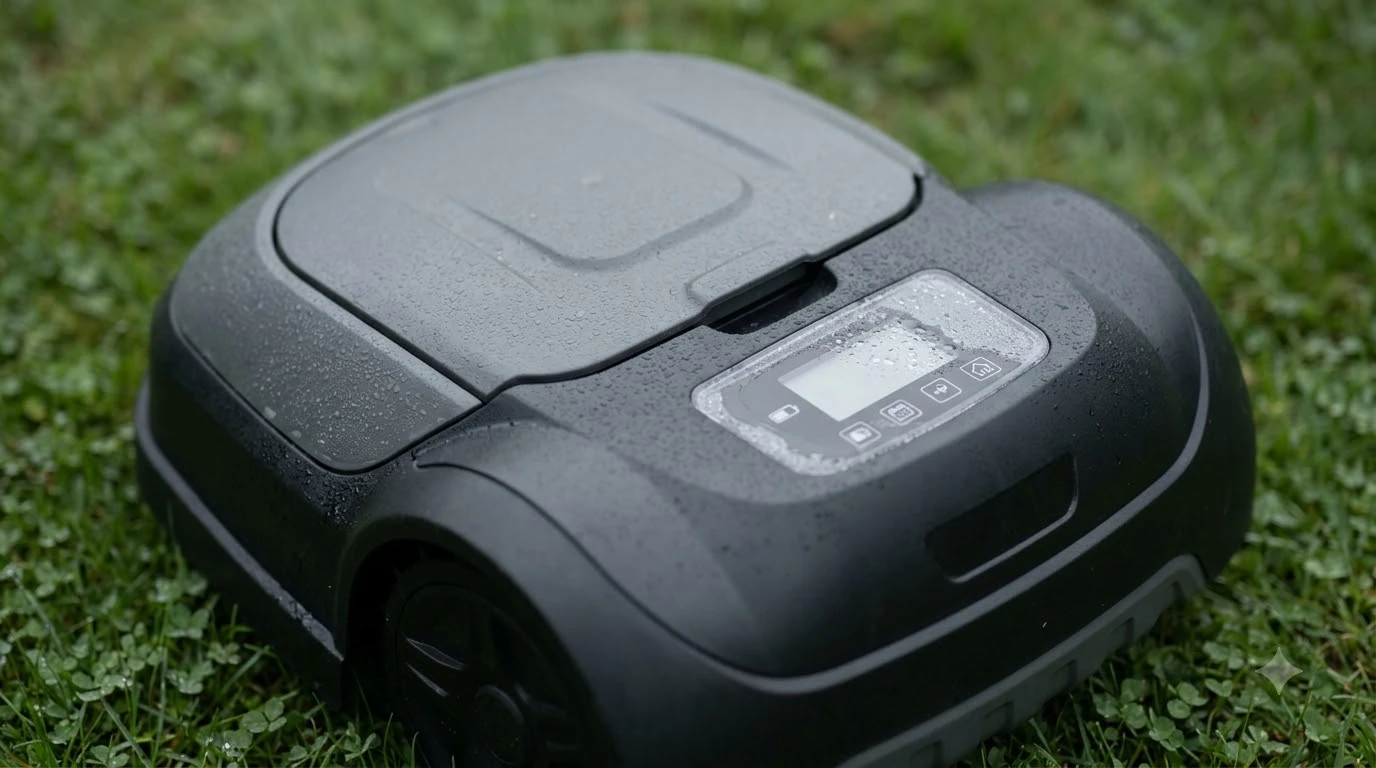

The best robot lawn mower for lawns with heavy pine cone drop combines high ground clearance, rugged star blades or heavy-duty pivoting discs, all-wheel drive traction, and camera- or LiDAR-based obstacle avoidance. Because pine cones can wedge under low chassis decks, lift drive wheels off the turf, and quickly blunt standard razor blades, choosing a model built for wooded debris prevents frequent mid-cycle rescues. No single robot mower eliminates yard cleanup entirely under mature conifers, so matching hardware specs to your pine species and drop volume is essential.
The short answer
- Blade design: Fixed three- or four-pronged star blades resist chipping and dulling better than thin razor-style pivoting discs when striking woody cones, though both require periodic cleaning.
- Clearance and cutting height: Look for a maximum cutting height around 3.5 to 4 inches (90–100 mm) and high front-skirt clearance so cones pass underneath or get pushed aside rather than high-centering the chassis.
- Obstacle detection: AI vision cameras or 3D LiDAR sensors help mowers spot and steer around larger cones before impact, outperforming bump-only bumpers that push cones into the cutting deck.
- Traction and wheel design: All-wheel drive (AWD) or high-grip off-road treads with wheel brushes keep the robot moving when a cone wedges against a tire or pine needles reduce turf grip.
- Navigation under canopy: Heavy pine cover blocks satellite signals; models pairing RTK-GPS with vision or LiDAR hold their path under dense evergreen branches.
Why pine cones challenge standard robot lawn mowers
Unlike dry autumn leaves that shred easily into mulch, woody pine cones create mechanical jams, traction loss, and accelerated blade wear.
In Robomow’s guidance on fallen tree debris, pine, spruce, and larch cones are flagged as problematic for both blade discs and star knives because cones can wedge beneath the mower and lift the drive wheels off the ground. Once a drive wheel loses contact with the grass, the mower either spins in place until its battery drains or triggers a lift or tilt error that requires a manual reset.
Pine sap and resin compound the physical jamming problem. As blades strike fresh cones, sticky sap coats the underside of the cutting deck, the blade screws, and the gaps between the wheels and fenders. Over multiple mowing sessions, pine needles and grass clippings bind to that resin, restricting pivot movement on free-swinging blades and adding drag to the drive motors.
According to Husqvarna’s Automower FAQ, running over pine cones, twigs, and fallen fruit will not destroy the machine outright, but it causes blades to wear down noticeably faster and can bend thin blades, leading to frayed, brownish grass tips instead of clean cuts.
Cutting systems: star blades versus pivoting razor discs
The cutting assembly determines whether a robot mower chips, shatters, or jams when it encounters a stray pine cone.
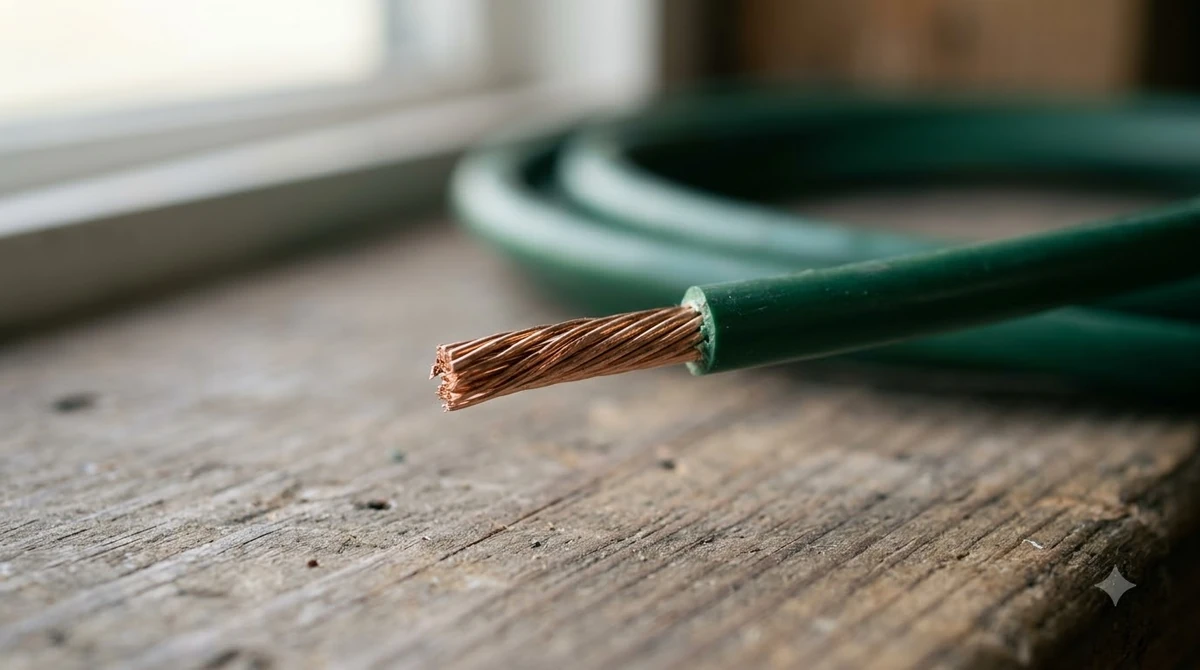
Most residential robot mowers use one of two cutting setups: a spinning disc fitted with three to six small, free-swinging razor blades, or a solid three- or four-pronged metal star blade. While pivoting razor blades are inexpensive and easy to swap, they are thin and lose their edge rapidly when hitting woody scales. If pine resin gums up the pivot screws, a razor blade can lock in a retracted position, leaving uncut strips across the lawn.
Solid star blades offer greater mass and structural rigidity, making them better suited for yards with intermittent twigs, nuts, and small cones. However, even heavier blades dull faster in wooded yards, and larger open cones from species like ponderosa or sugar pine can still wedge between the blade guard and the turf.
| Specification | Pivoting Razor Discs | Fixed Star Blades | Best Approach for Pine Yards |
|---|---|---|---|
| Impact durability on cones | Low; thin edges nick and dull quickly | Moderate to high; resists bending on small cones | Choose thicker blades or reinforced discs |
| Sap and resin resistance | Low; resin can freeze blade pivot screws | High; fixed mount has no pivot joints to gum up | Wipe deck and screws regularly |
| Replacement cost and effort | Low cost; quick screwdriver swap | Higher part cost; less frequent replacement | Keep spare blade sets on hand in fall |
| High-centering risk | Depends on deck skirt height | Depends on deck skirt height | Set cutting height near maximum (up to 4 in) |
Navigation and obstacle sensors under dense tree cover
Yards with heavy pine cone drop almost always have dense overhead tree canopies that interfere with satellite-only navigation and basic bump sensors.
Wire-free robot mowers rely heavily on RTK-GPS, 3D LiDAR, vision cameras, or a combination of all three. Under thick pine boughs, pure RTK-GPS units can lose satellite lock and pause mid-lawn. Models that fuse RTK positioning with onboard vision cameras or 3D LiDAR maintain localization using visual landmarks and tree trunks even when sky visibility drops.
Sensor selection also dictates how the mower reacts to cones on the ground. Traditional bump-only mowers must physically strike an object before reversing, which means small and medium pine cones pass straight under the front bumper and into the blades. By contrast, AI vision cameras and 3D LiDAR scanners can classify ground obstacles ahead of the chassis, steering around larger cones and branches before making contact.
Keep in mind that camera-based vision systems need clear sightlines. Morning dew, pine pollen, or sap smudges on the lens can reduce detection accuracy in deep shade, whereas 3D LiDAR uses active laser pulses that work consistently in dappled shadow and low light.

Chassis clearance, traction, and wheel design
Ground clearance and wheel grip decide whether a robot mower climbs over scattered pine needles and small cones or stalls out under the trees.
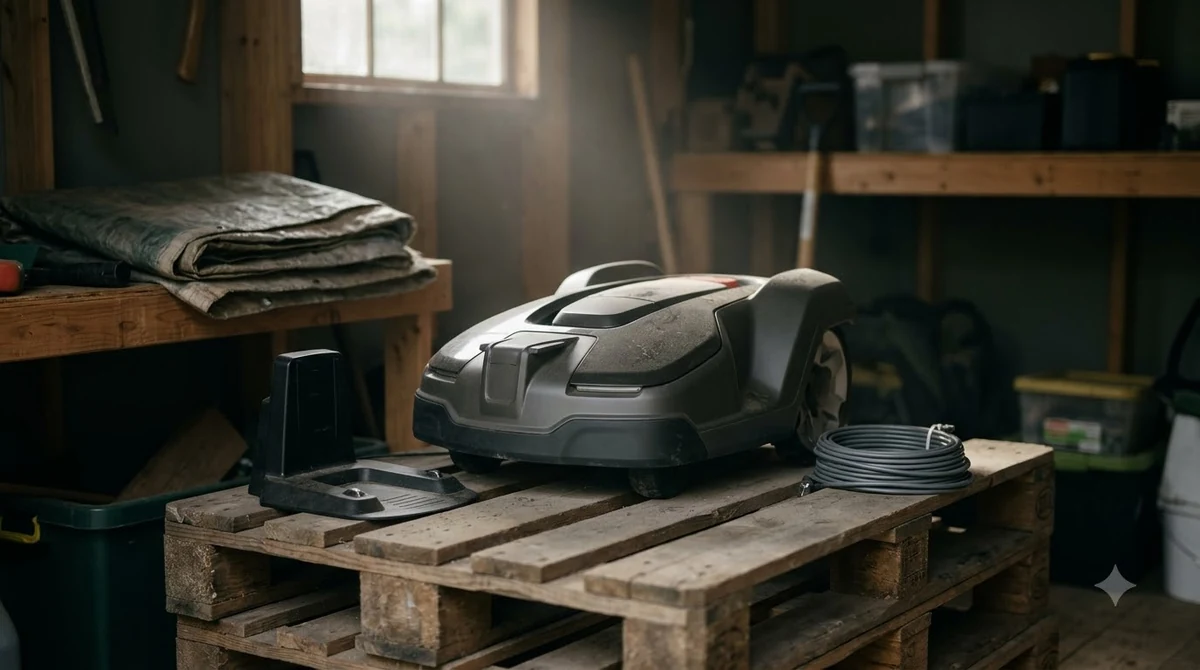
A low front bumper acts like a snowplow, pushing loose pine cones into a pile until the mower climbs onto them and lifts its rear drive wheels. Look for models with a maximum cutting height of at least 3.5 to 4 inches (90 to 100 mm) and generous clearance between the front skirt and the ground. Raising the cutting deck during peak autumn cone drop allows smaller cones to pass beneath the blades untouched.
Traction matters just as much as clearance. Fallen pine needles create a slick layer over soil and grass, especially after rain or heavy dew. All-wheel drive (AWD) models or two-wheel drive robots equipped with deep-lugged terrain wheels prevent wheel spin on needle-covered slopes. Additionally, check the gap between the drive wheels and the body fenders: narrow wheel wells trap cones and twigs easily, while open wheel arches or models equipped with integrated wheel brushes shed debris as they roll.
Preparing your lawn and maintaining the mower
Even the most capable all-terrain robot mower performs best when paired with simple seasonal habits during peak cone drop.
According to Husqvarna’s seasonal lawn preparation guide, raking or clearing sticks, pine cones, and heavy debris before mowing reduces blade wear and prevents mold from forming under matted tree litter. In our reading of manufacturer manuals across major brands, running a quick blower or nut-roller sweep under pine trees once or twice a week prevents cone buildup from overwhelming the mower’s obstacle avoidance.
- Raise the cutting height in late summer and fall. Setting the deck near its upper limit (around 3.5 to 4 inches) gives small cones and twigs extra room to clear the blades.
- Create seasonal no-go zones for heavy drop windows. If a specific pine tree drops hundreds of cones over a two-week windstorm, use the app to temporarily exclude that zone until you can blow or rake the area clear.
- Inspect wheel wells and camera lenses weekly. Brush away packed pine needles, check that free-swinging blades pivot smoothly, and wipe sap or pollen off optical sensors with a microfiber cloth.
- Clean resin off the deck with safe solvents. Use a wooden scraper and a rag dampened with a mild citrus or resin cleaner on metal blades and plastic housings rather than spraying high-pressure water into electronics.
Heads up
Always power off the robot mower completely and wait for the cutting disc or star blade to come to a full stop before tilting the chassis or reaching underneath to dislodge a wedged pine cone.
What to check before you buy
Before selecting a robot mower for a pine-heavy yard, verify five specific hardware and software traits on the manufacturer’s spec sheet.
- Maximum cutting height and deck clearance: Confirm the mower adjusts up to at least 3.5 inches (90 mm) and features an open front intake rather than a low-slung safety guard that traps cones.
- Blade assembly type and replacement availability: Check whether the unit uses heavy-duty star blades or pivoting discs, and verify that replacement blades and screws are affordable and easy to source.
- Multi-sensor navigation for tree canopy: Ensure the mower combines RTK-GPS with vision or 3D LiDAR—or uses a physical boundary wire—so dense pine branches do not cause signal dropouts.
- Wheel-well spacing and drive traction: Look for AWD or high-traction terrain wheels, wide fender gaps that will not jam on a single cone, and optional wheel brushes.
- App-based temporary no-go zones: Make sure the companion app lets you draw quick exclusion zones around heavy-drop trees during windy autumn weeks without remapping the entire yard.
Frequently asked questions
Can a robot lawn mower shred pine cones into mulch?
No, robot lawn mowers are designed to trim millimeters of grass at a time, not mulch woody debris. While heavy star blades may chip small, brittle cones, trying to mow over dense piles of pine cones will quickly dull the blades and can jam the cutting deck.
Will pine cones permanently damage a robot mower’s motors?
Most modern robot mowers include overload protection that shuts down the blade or wheel motors if a cone wedges inside the chassis. However, repeated jams and sticky pine resin buildup increase strain on the motors and require frequent manual restarts and blade replacements.
Do AI vision cameras avoid every pine cone on the grass?
No, AI vision and 3D LiDAR systems reliably detect larger cones and branches, especially against green turf, but small cones half-buried in tall grass or shaded by pine needles can still go unnoticed. Periodic yard cleanup remains necessary under heavy-shedding trees.
Is a boundary-wire mower or a wire-free RTK mower better under pine trees?
Both can work well if chosen carefully. Boundary-wire mowers are completely unaffected by overhead pine canopy blocking satellite signals, while wire-free models need RTK paired with vision or 3D LiDAR to stay on track when tree cover blocks the sky.
Sources
- How does the robotic lawnmower deal with fallen fruit and the like? (Robomow): Used for comparison of blade discs versus star blades on cones, nuts, and fallen debris, plus wheel-lifting risks.
- FAQ for Automower robotic lawn mowers (Husqvarna): Used for manufacturer guidance on how pine cones and twigs affect blade wear and wheel traction.
- Preparing your lawn and Husqvarna Automower for the mowing season (Husqvarna Support): Used for recommended debris cleanup steps, stay-out zone usage, and cutting height adjustment practices.
- Robot Lawn Mower Terrain Compatibility Guide (LawnMaster / Cleva): Used for terrain clearance, obstacle sensor thresholds, and debris impact on vision navigation.
 Up next8 min readBest Robot MowersBest Robot Lawn Mower for a Yard With Pine Needles: What to CheckUpdated Nov 14, 2026
 8 min readBest Robot MowersChoosing the Best Robot Lawn Mower for Yards With Zero Sky VisibilityUpdated Nov 19, 2026
 9 min readBest Robot MowersChoosing the Best Robot Lawn Mower for Lawns With Flush Flagstone PathsUpdated Nov 19, 2026
 6 min readBest Robot MowersBest Robot Mower for a Lawn With Heavy Leaf FallUpdated Nov 17, 2026
 7 min readBest Robot MowersBest Robot Mower for a Lawn With Heavy Dog TrafficUpdated Nov 14, 2026
 9 min readBest Robot MowersBest Robot Lawn Mower for Steep Roadside Ditches: What Specs Actually MatterUpdated Nov 19, 2026