
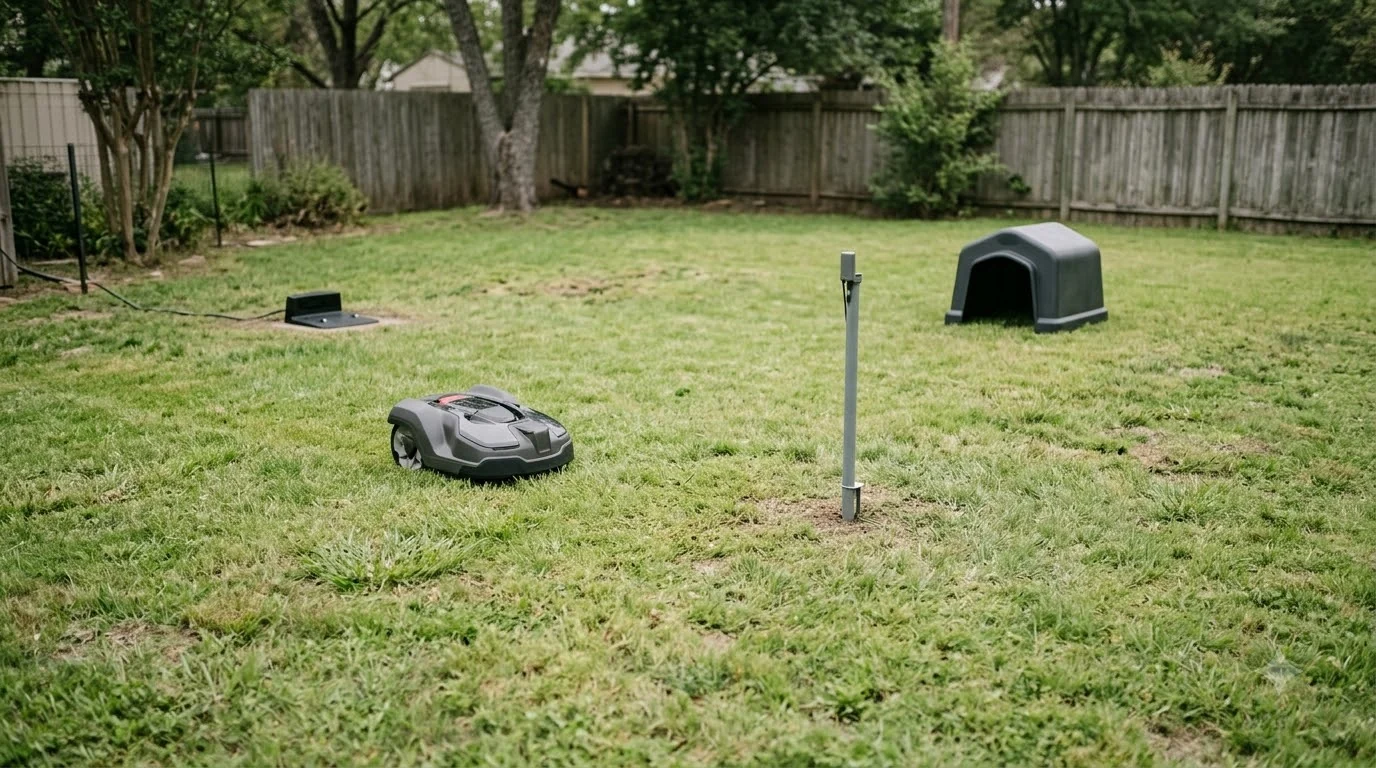

Husqvarna vs Segway vs Worx robot mower: none of the three brands publishes the same specs, so the right pick depends on the model. Husqvarna’s US pages list a rated lawn size for each model and slope for only some, Navimow’s i-series page gives lawn size and slope by product group, and Worx’s 4WD page publishes slope and cutting height. As of November 2026, that leaves gaps in each brand’s data.
The short answer
- Lawn size: Husqvarna’s listed Automower models range from 0.5 to 2 acres, Navimow’s i-series recommends 500 to 2,000 m², and the Worx Vision Cloud 4WD is rated for 1 acre.
- Boundary: Husqvarna lists physical or virtual wire, while the Worx 4WD page describes wire-free setup with RTK and cameras. The Navimow i-series page does not state a boundary method.
- Slope: Worx lists 84% (40 degrees) for the 4WD, Navimow lists up to 55% (29 degrees) on its LiDAR Pro models, and Husqvarna’s 435 iQ AWD navigates slopes up to 70%.
- Warranty: The Husqvarna 420 iQ page lists 4 years. Worx links a site-wide 3-year limited warranty, and we could not confirm a Navimow term.
Husqvarna vs Segway vs Worx robot mower: how each brand publishes specs
Each brand uses a different spec format, so a fair Husqvarna vs Segway vs Worx robot mower comparison works best model against model at a similar lawn size. Husqvarna publishes a page per model with a rated lawn size, a boundary type and, on some pages, noise and runtime. Navimow groups its robots into product tiers and prints ranges per group rather than per model. Worx’s 4WD page is a single-model page with its own navigation and cutting height details.
Our reading is that a verdict on three brands at once hides how different their model tiers are. If you already know your lawn size and boundary preference, the tables below show where each brand’s published data is complete and where it is missing. The brand pages used here are Husqvarna’s US lineup, the Navimow i-series specifications and the Worx Vision Cloud 4WD page.
Lawn size: rated acres and recommended areas
Husqvarna rates each model in acres with a plus or minus 20% tolerance, so the 420 iQ at 1 acre sits between about 0.8 and 1.2 acres. Navimow reports recommended areas in square metres, and the i-series ranges are 500 to 1,000 m² for the AWD group, 800 to 2,000 m² for the LiDAR group and 1,000 to 2,000 m² for the LiDAR Pro group. The Worx Vision Cloud 4WD is rated for 1 acre.
| Brand | Model or group | Rated or recommended lawn size |
|---|---|---|
| Husqvarna | 410 iQ | 0.5 acre |
| Husqvarna | 420 iQ | 1 acre |
| Husqvarna | 435 iQ AWD | 1.3 acres |
| Husqvarna | 440 iQ, 580 EPOS | 2 acres |
| Navimow | i-series AWD group | 500 to 1,000 m² |
| Navimow | i-series LiDAR group | 800 to 2,000 m² |
| Navimow | i-series LiDAR Pro group | 1,000 to 2,000 m² |
| Worx | Vision Cloud 4WD (WR344) | 1 acre |
Converted to acres, 2,000 m² is about 0.49 acre, so the Navimow i-series ranges sit below Husqvarna’s 1-acre and larger models. Husqvarna’s lineup page also lists larger models, including CEORA at 6 acres, which Navimow and Worx do not match in the pages we read. Our reading is that you should compare your measured lawn against these ranges first (see how to choose a robot mower by lawn size), then check the boundary method for the exact model. Navimow’s i-series page is the only one of the three that ranges its sizes by group, so the ranges are less precise than Husqvarna’s per-model acre ratings.
Boundary and navigation: wire, virtual wire, RTK and cameras
The boundary method is the largest setup difference among the three. Husqvarna’s lineup page labels its models as physical wire, virtual wire or both (our wire-free versus boundary wire guide covers the trade-offs), and the 420 iQ page says the loop wire is not included in the box. Worx’s 4WD page describes a wire-free design that uses RTK Cloud positioning with V-SLAM and stereo cameras, and it states “No rooftop antennas. No lawn poles.” Navimow’s i-series spec page lists LiDAR in the model names but does not describe the sensor or a boundary method. The Worx Vision Cloud 4WD page is the only one of the three that describes its navigation in detail.
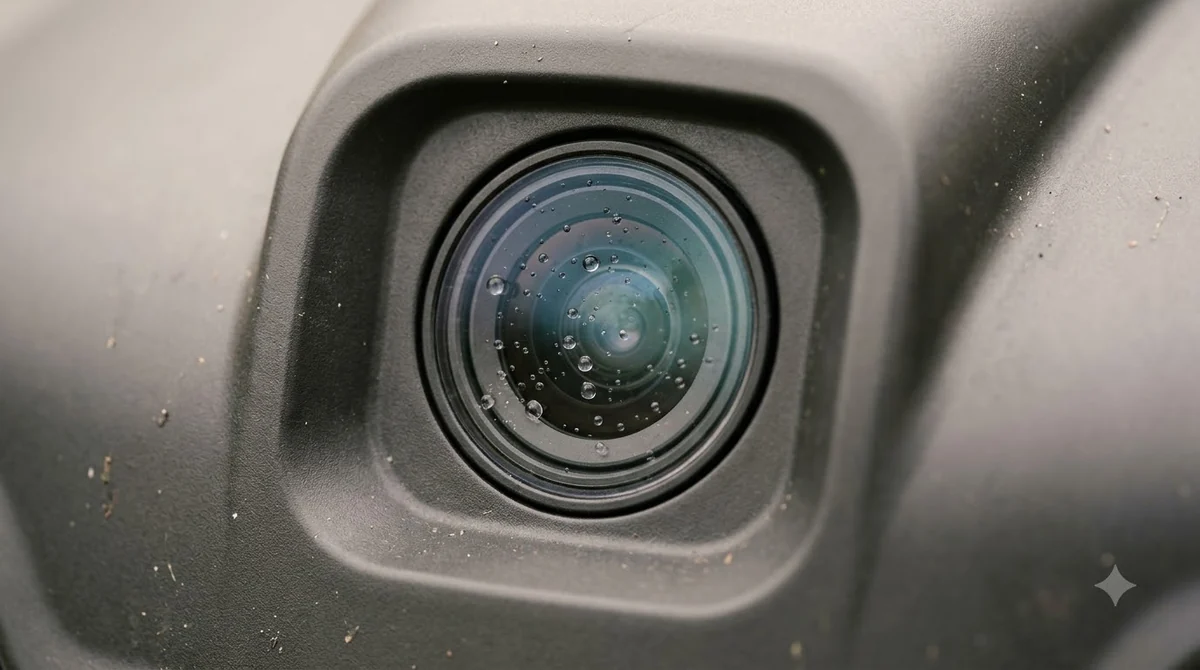
For the Navimow i110N, PCWorld describes a wire-free design using GPS with a second antenna and a camera, which is a different mix from the Worx 4WD’s RTK and camera setup. Our reading is that wire-free designs move most of the setup work into mapping the lawn in the app, so check how each app handles no-go zones and obstacles before you buy.
Slope: three brands, three different definitions
Slope is the spec most likely to mislead in a Husqvarna vs Segway vs Worx robot mower comparison because each brand measures it differently. Husqvarna’s 420 iQ page gives 45% inside the installation area and 15% at the boundary. Its lineup page says the 435 iQ AWD navigates slopes up to 70%. The Navimow i-series specifications list a maximum of 45% (24 degrees) for the AWD and LiDAR models. Navimow’s LiDAR Pro group is listed at 55% (29 degrees). Worx lists 84% (40 degrees) on the Vision Cloud 4WD, while its marketing copy on the same page says 83%, which is close but not identical.
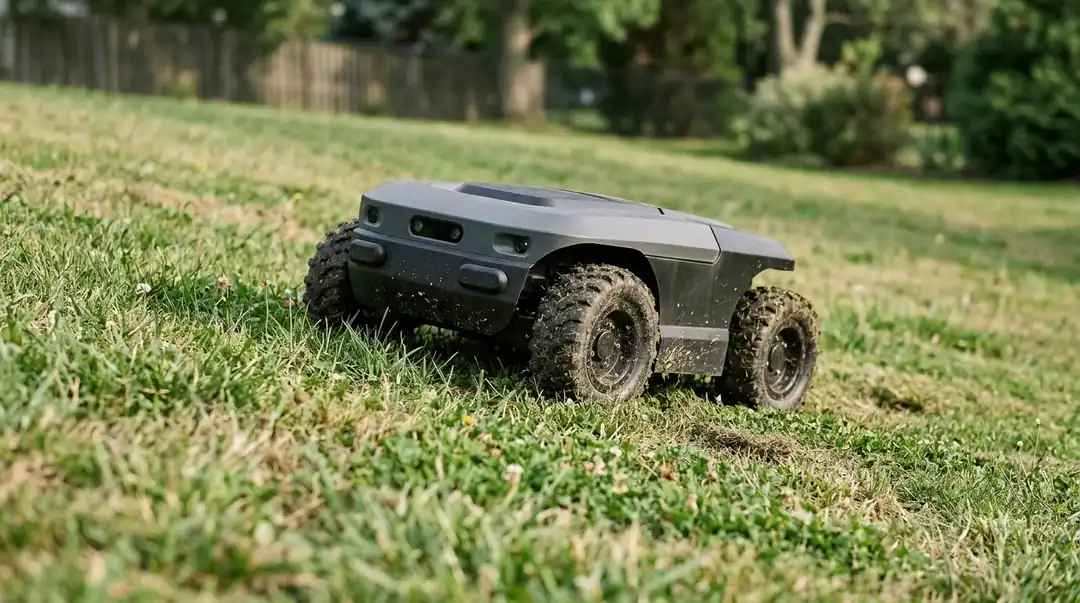
| Brand | Model | Slope figure | What the page describes |
|---|---|---|---|
| Husqvarna | 420 iQ | 45% | Inside the installation area |
| Husqvarna | 420 iQ | 15% | At the boundary |
| Husqvarna | 435 iQ AWD | Up to 70% | Navigates slopes up to 70% |
| Navimow | AWD and LiDAR group | 45% (24 degrees) | Maximum slope |
| Navimow | LiDAR Pro group | 55% (29 degrees) | Maximum slope |
| Worx | Vision Cloud 4WD | 84% (40 degrees) | Maximum slope in the spec |
These figures do not measure the same thing, and neither set of pages states its test conditions. Husqvarna splits its 420 iQ figure between the installation area and the boundary, while Navimow and Worx give one maximum per model or group. Measure your steepest section with a level before you compare the numbers. Our explainer on how robot mower slope ratings work covers the definitions.
Noise, runtime and cutting height
Only Husqvarna’s 420 iQ page prints noise and runtime among the three brands’ pages we read. It lists 62 dB(A), about 84 minutes of mowing per charge and about 54 minutes of charging time. Navimow’s i-series page gives mowing area per charge instead of runtime, from 125 m² on the i205 AWD to 560 m² on the i220 LiDAR, and it does not print noise on the captured page. Worx’s 4WD page does not state a noise level.
Cutting height is the spec that separates the brands least cleanly. The 420 iQ page gives an approximate range of 1 to 4 inches. The Worx Vision Cloud 4WD lists 1.57 to 3.54 inches. The Navimow i-series spec page does not print a cutting height, so there is no like-for-like figure to compare. Treat these as separate data points rather than a head-to-head result.
Warranty and what the pages do not say
Warranty terms are the least consistent part of this Husqvarna vs Segway vs Worx robot mower comparison. The Husqvarna 420 iQ US page lists a 4-year warranty, while the Husqvarna lineup page does not state a term for any model. The Worx Vision Cloud 4WD page does not tie a warranty to the model, but it links a site-wide “3 Year Limited Warranty.” For Navimow, the warranty page we tried returned an error, so we could not confirm a term from the brand.
Check the current statement for your exact model before you buy, and ask the seller which warranty applies to the unit you are buying.
What to check before you buy
Three checks settle most of a Husqvarna vs Segway vs Worx robot mower decision. Our reading is that they matter more than any single brand-level verdict.
- Area. Measure the lawn and compare it with the rated size. Husqvarna’s ratings carry a plus or minus 20% tolerance, and Navimow’s ranges are per group, so check the exact model against your figure.
- Boundary. Confirm whether the exact model uses physical wire, virtual wire or a wire-free method. The Worx and Husqvarna pages state this, while the Navimow i-series page does not.
- Slope. Measure the steepest section, then check which definition the spec page uses before comparing 45%, 55%, 70% and 84% figures side by side.
Husqvarna may suit buyers who want the most published per-model US figures and a 4-year warranty on a 1-acre model; the Husqvarna Automower model guide covers the lineup. Worx may suit buyers who want a wire-free design with a stated 1-acre rating and cutting height; our Worx Landroid model guide lists the rest of the line. Navimow may suit buyers who want mowing area per charge and LiDAR-named models, provided they confirm the warranty and boundary method for the model they choose.
Frequently asked questions
Which of the three brands has the largest rated lawn size?
Husqvarna’s US lineup lists models rated at 2 acres, including the 440 iQ and the 580 EPOS, and it also lists CEORA at 6 acres. Navimow’s i-series tops out at 2,000 m² per group, and the Worx Vision Cloud 4WD is rated for 1 acre. Compare the rated size against your measured lawn before you choose.
Do all three brands need a boundary wire?
No. Husqvarna’s lineup uses physical or virtual wire on most models. The Worx Vision Cloud 4WD page describes wire-free setup with RTK and cameras. The Navimow i-series spec page does not state a boundary method, so check the manual for the exact model.
Which brand publishes the steepest slope?
Worx lists 84% (40 degrees) for the Vision Cloud 4WD in its spec. Husqvarna’s 435 iQ AWD navigates slopes up to 70%, and Navimow’s LiDAR Pro group tops out at 55% (29 degrees). The brands define slope differently, so measure your steepest section before deciding.
How long is the warranty on each brand?
Husqvarna’s 420 iQ US page lists a 4-year warranty. Worx links a site-wide 3-year limited warranty without tying it to the 4WD model. We could not confirm a Navimow warranty term from the brand’s pages, so check the current statement for your model.
Sources
- Husqvarna US robotic lawn mowers (manufacturer): rated lawn sizes, boundary labels and the 435 iQ AWD slope claim.
- Husqvarna Automower 420 iQ (manufacturer): slope inside and at the boundary, noise, runtime, cutting height and warranty.
- Navimow i-series specifications (manufacturer): recommended lawn size by group, maximum slope and mowing area per charge.
- Worx Landroid Vision Cloud 4WD (manufacturer): rated size, slope, RTK and camera navigation, cutting height and warranty link.
- PCWorld Navimow i110N review (publisher): wire-free navigation with GPS and a camera for the i110N.
 Up next8 min readReviews & CompareWorx Landroid Vision vs Mammotion Luba 3 AWD: Published Specs ComparedUpdated Nov 14, 2026
 10 min readReviews & CompareSegway Navimow X3 vs Mammotion Luba 3 AWD: Published Specs ComparedUpdated Nov 11, 2026
 7 min readReviews & CompareBest Alternative to Worx Landroid: What the Published Specs ShowUpdated Nov 11, 2026
 7 min readReviews & CompareWorx Landroid vs Segway Navimow: Slope, Navigation and SpecsUpdated Nov 11, 2026
 9 min readReviews & CompareHusqvarna Automower 115H vs Worx Landroid Vision: SpecsUpdated Nov 11, 2026
 8 min readReviews & CompareWorx Landroid vs Husqvarna Robot Mower: What the Specs ShowUpdated Nov 11, 2026