
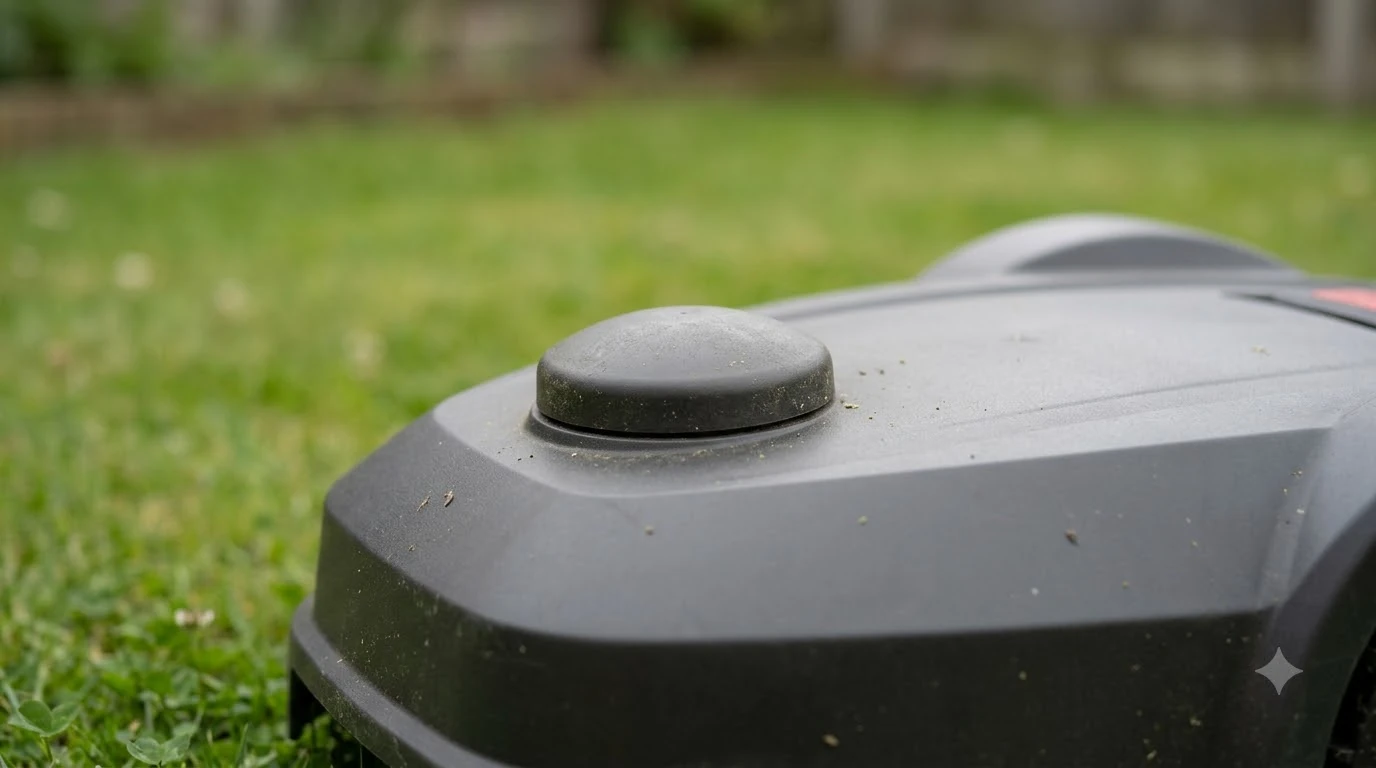

Is RTK worth it for a small yard? It depends on whether the yard is open to the sky. RTK positioning is most accurate when the mower has a clear view of satellites, which many small suburban lots do. A small yard shaded by a fence, a tall house wall or a large tree can lose that signal, so the extra cost of an RTK base station may buy less than the spec sheet suggests.
The short answer
- RTK makes sense when the lawn is open to the sky and the base station can sit in a clear spot.
- RTK is less useful when trees, walls or a fence line cover most of the yard.
- Small yards are not automatically simple: a compact lot with tight beds and fences can still need a camera or a sensor to find its way.
- Check the total: the base station, mounting and any network fees count alongside the mower price.
What RTK does for a small lawn
RTK is a satellite positioning method that uses a fixed base station on the ground to correct the signal from the satellites. The mower compares its own reading with the base, which lets it work out its position far more precisely than standard GPS. On a small lawn that precision matters because the mower is turning in tight spaces, around beds and along edges. The accuracy question underlies the cost question, and how RTK accuracy compares with GPS sets that out.
The catch is the sky. RTK needs a clear line of sight to the satellites and a steady link to the base. A yard surrounded by a six-foot fence and a two-story house can lose that link for part of the day. When that happens, the mower falls back on whatever else it carries, such as a camera or a sensor, or it stops until the signal returns.
Where small yards usually fall short
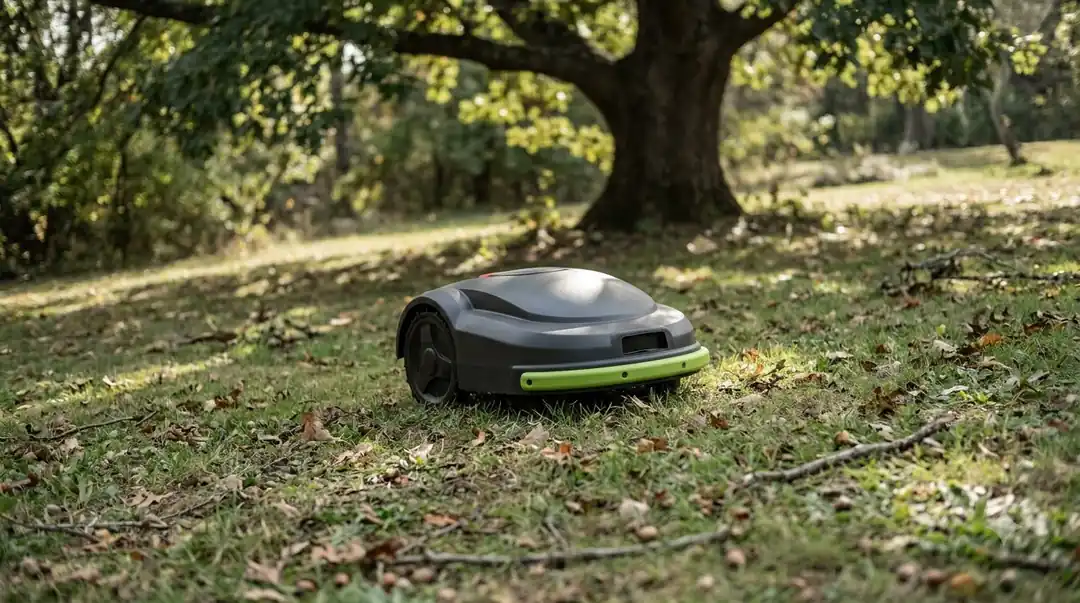
Two problems show up most often on small lots. The first is shade. A large maple or oak over one corner can block satellites for the whole time the mower works that corner. Manufacturer and vendor material both describe RTK degrading under dense trees and near tall structures, and a robot mower maker’s blog notes that signal loss under trees is a common reason owners see stops. Our reading is that a small yard with a single big tree is more of a problem than a large open lawn with the same tree at the far end.
The second is placement. The base station needs an open spot, and on a small lot that spot may be the only sunny corner, which is also where you want the flower bed. Moving the base after install usually means re-mapping. Plan the base location before you buy, not after.
Heads up
A vendor claim of centimeter accuracy assumes open sky and a good base link. Ask what happens when the signal drops, and whether the mower keeps working on a camera or sensor fallback.
When RTK is still worth paying for
RTK is worth the money when the yard is open enough to keep the signal clear for most of the mowing time. An open front lawn, a flat back garden without tall walls, and a base station that can sit in direct sun all point in that direction. Under those conditions, RTK gives a steady, predictable path, and that can reduce the time you spend correcting the map. Some RTK services add recurring fees, as paid versus free mower positioning explains. Both brands offer models built around RTK-style positioning, which the Mammotion LUBA 3 vs Segway Navimow comparison weighs side by side.
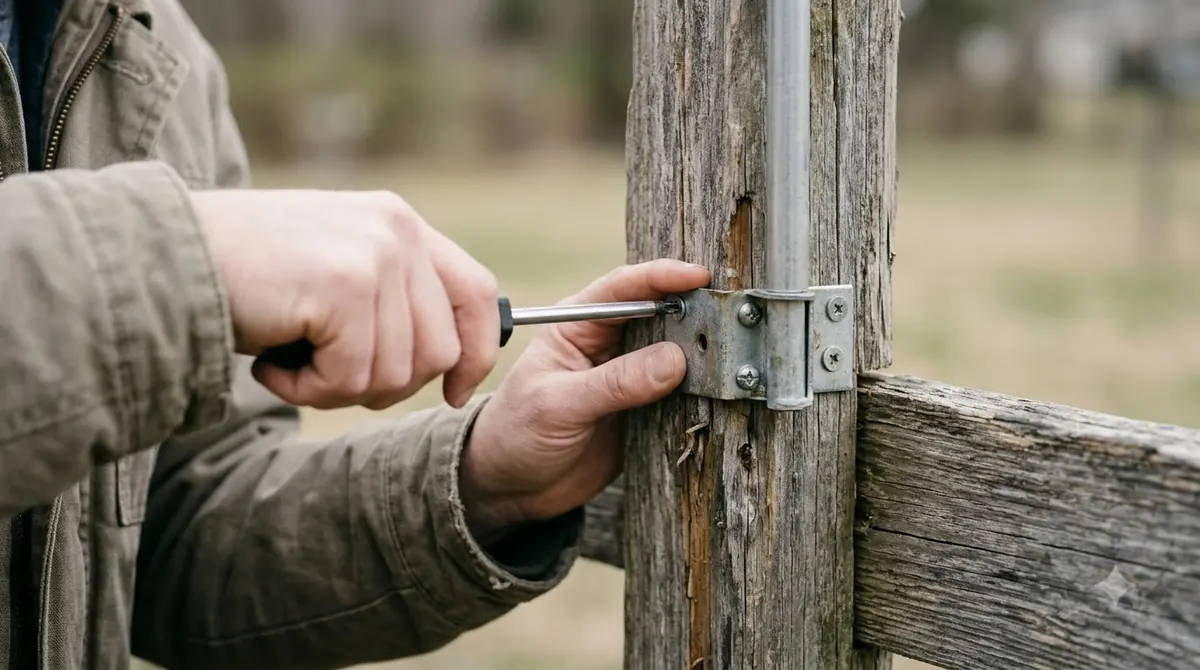
It is also worth considering if you plan to run the mower on a schedule without checking it. Owners who expect the mower to finish on its own benefit from a positioning method that does not depend on how the camera sees the grass that day.
When a small yard should skip RTK
A small yard is a weaker case for RTK when it is enclosed. If the fence, house and trees take up most of the sky, you may pay for a base station that delivers little. In that case, a camera-based or sensor-based mower, or a model with a wire, can be a more practical choice. Compare the mower’s behavior under shade, not just its headline accuracy. Shade and tight corners often favor a wire, as when a boundary wire is more reliable explains. Small yards that skip RTK have other options, such as LiDAR as another wire-free option. A small yard that should skip RTK may still suit other models, so see mowers to consider besides the Eufy E15.
It also helps to compare the total cost. RTK adds a base station, its power supply and mounting, and sometimes a network subscription. On a small lot, those costs can take a larger share of the budget than they would on a big estate. Add them to the mower price before you compare.
Is RTK worth it for a small yard? A simple sky test
Before you spend on a base station, spend ten minutes outside at the spot where the base would sit. Stand where the antenna would go and look up in a slow circle. If you can see most of the sky above roughly the height of the fence line, the site is promising. If a roofline, a large tree or a wall fills a big share of the view in any direction, expect weaker signal in that direction, and plan the mowing pattern around it.
Next, walk the lawn itself. Note every place where a tree, shed or fence blocks the sky, and mark the ones that sit on the mowing route. A small yard can have a surprising number of these spots, and each one is a place where the mower will lean harder on its camera or sensor. If most of the route is clear, RTK will do most of the work. If the blocked spots take up a large share of the lawn, the mower will spend a larger share of its time on the fallback, and that changes the value of the base station.
Finally, ask the seller how the mower behaves when the signal drops. Ask whether it keeps mowing on a fallback, slows down, or stops and waits. The answer matters more on a small lot, because a stop in one corner can leave a visible patch uncut at the edge of the lawn.

Frequently asked questions
Is RTK worth it for a small yard with a fence?
It can be, as long as the fence does not block satellites over most of the mowing area. A tall fence on the north side of a small lot is more of a problem than one on the south side.
Does RTK work under trees?
Signal quality drops under dense canopy. Vendor and reviewer sources both describe this, so a mower relying only on RTK may stop or slow under heavy shade.
Where should the RTK base station go in a small yard?
Pick an open, level spot with a clear view of the sky, away from tall walls and large branches. Decide this before installation, since moving it usually means re-mapping.
Is a camera or lidar mower a better fit for a small enclosed yard?
It depends on the lighting and the layout. A camera-based mower depends on light, and a lidar mower depends on the sensor’s view of obstacles. Test the fallback behavior in the shaded areas of your yard before you commit.
Sources
- Yarbo, RTK robot mower reliability (manufacturer blog): RTK degrades under dense trees and near tall structures.
- Mowrator, RTK robot mower signal loss under trees (manufacturer blog): signal loss under tree cover as a common cause of stops.
 Up next8 min readReviews & CompareRTK vs Vision Robot Mower: Which Navigation Suits Your YardUpdated Nov 11, 2026
 12 min readReviews & CompareIs the Ecovacs GOAT A1600 RTK Worth It? Specs, Limits and Trade-offsUpdated Nov 11, 2026
 8 min readReviews & CompareRobot Mower Comparison Chart 2026: Which Specs Decide the ChoiceUpdated Nov 11, 2026
 6 min readReviews & CompareIs the Anthbot Genie Worth It? A Yard-Size VerdictUpdated Nov 17, 2026
 6 min readReviews & CompareIs the MOVA LiDAR Ultra 2000 Worth It? Slope and Yard CheckUpdated Nov 17, 2026
 8 min readReviews & CompareIs the Sunseeker Elite X5 Worth It? Verdict by Yard TypeUpdated Nov 16, 2026