
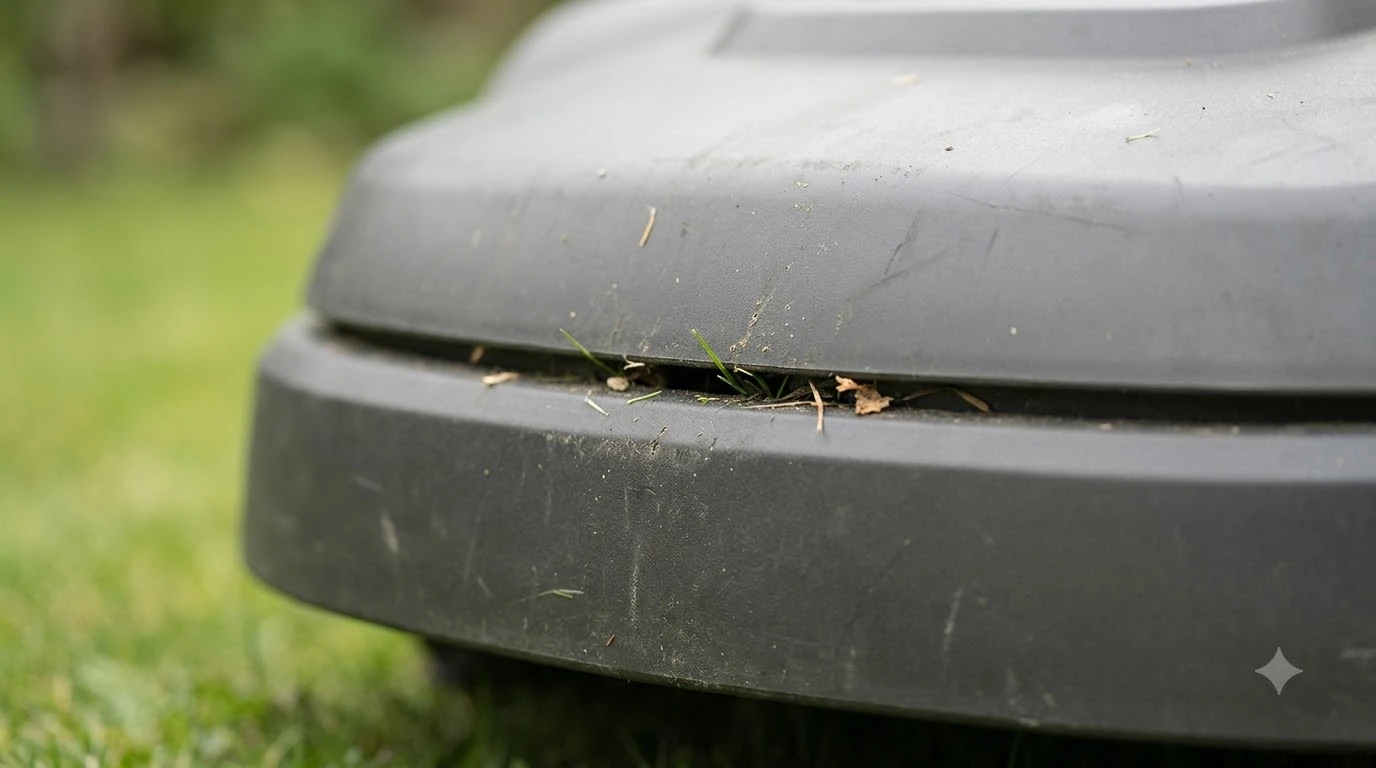

Can a robot mower cut grass that has gone to seed? Yes, but the seedheads make the job harder on the blades and change how often you should mow. Seedheads are tougher than leaf blades, so a dull blade can tear or leave ragged tips. Cutting does not stop the plant from seeding, and it can spread seed around the lawn if the clippings are scattered. The practical answer is to keep blades sharp, mow at a sensible height, and plan the schedule around the seed season.
The short answer
- Can it cut it? Yes. A robot mower cuts seeded grass like any other grass, though the result depends on blade sharpness.
- Blade wear: seedheads are tough, so sharpen or replace blades more often during the seed season.
- Mowing schedule: UF/IFAS notes that seedhead production often sets the mowing cycle for some grasses.
- Height: do not remove more than about one-third of the leaf height in one pass.
- Clippings: do not expect mowing to stop seeding, and avoid spreading seed onto bare or newly seeded areas.
Why seedheads change the mowing job
Seed timing differs by grass type and climate, so the calendar is a poor guide. Watch the lawn instead. When seedheads stand well above the leaf canopy, the mower will feel the change first, and that is the moment to check blades and height. Tall seeding grass needs a different approach, as handling tall seeding grass explains. The timing of seed heads follows the season, as seasonal lawn care timing explains.
A seedhead is a stalk that sends up flowers and seed in the growing season. It stands above the leaves, and its stem is tougher than a normal blade of grass. For a robot mower, that means the blades meet more resistance, and a blade that was fine a month ago may start to leave ragged tips.
The UF/IFAS publication on bahiagrass makes a useful point here. It notes that mowing cycles are often dictated by seedhead production, and that seedheads are tough, so blades must be sharpened regularly. That advice comes from one warm-season grass, but the mechanics apply to many lawns that send up seedheads.
Can a robot mower cut grass that has gone to seed without spreading it?
Cutting the seedheads does not stop the plant from producing seed, because the seed has already formed or is forming above the cut. What the mower can do is break up the heads and scatter seed through the clippings, especially if the grass is wet or the clippings are not collected.
Our reading is that the spread risk is real but limited. The bigger issue is timing: mowing when seedheads are fully developed, and then moving the mower onto bare soil or new seed beds, is what can carry seed to places you do not want it.
Heads up
Do not mow wet grass. UF/IFAS advises mowing only when the turf is dry, because wet clippings clump and are harder to keep off the lawn.
Blade care during the seed season
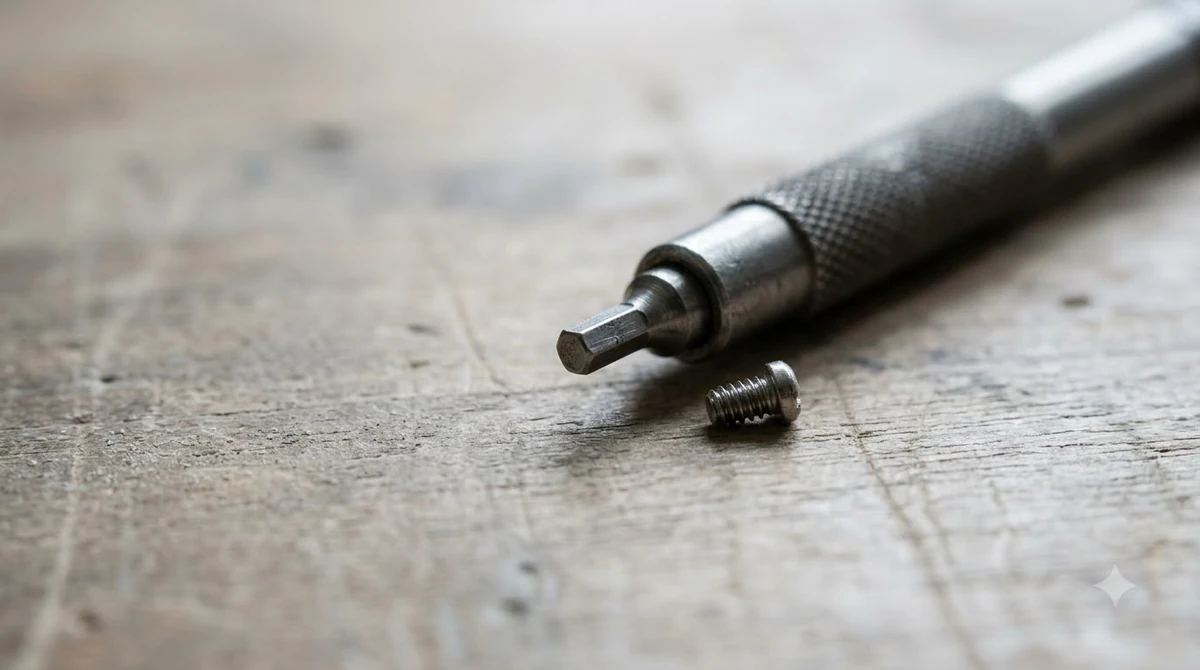
Blades are the part to watch. A dull or nicked blade pulls and tears the seedhead instead of cutting it cleanly, which leaves ragged tips and a patchy look. Check the blades every few weeks while the lawn is in seed, and replace or sharpen them when the cut looks frayed. Replacement options are covered in Lymow blades for that brand, which helps when stocking spares.
- Inspect after each week of seed: look for chipped edges and clumps of stalk stuck to the blade underside.
- Clean the deck: remove packed clippings and seed debris so the blade can spin freely.
- Keep spares: have a replacement set ready so you can swap blades without waiting for a shipment.
For how often to change blades in general, see the blade replacement guides for your model rather than a single rule, because blade life depends on lawn type, run time, and the material of the blade.
Timing also matters for the next season. If you plan to reseed or overseed, avoid mowing the new area in the same week that seed is still forming on the old grass, and keep the robot mower inside its usual boundary so it does not wander onto freshly sown ground. Our reading is that a clean separation between the seeding zone and the mowing zone is the simplest way to avoid trouble.
How high to set the mower when grass is going to seed
The one-third rule still applies. Never remove more than about one-third of the leaf height in one pass. UF/IFAS gives the same principle for Florida lawns, along with the advice to keep blades sharp. When seedheads are standing tall, it can be tempting to drop the height to clear them, but a scalp can weaken the turf and make a seeded patch look worse. Raising or lowering the deck is explained in how short a robot mower can cut with sensible limits. Height also affects how visible each pass is, which links to why a robot mower leaves stripes on some lawns and not on others.
If the lawn is in an active phase and the seedheads are knocking the mower’s schedule off track, raise the cutting height slightly and mow more often. Smaller cuts are easier on the blades and leave less ragged material on the surface.
Frequently asked questions
Will a robot mower make the seed problem worse?
It can spread seed through clippings if the grass is wet or the mower is run over bare areas soon after cutting. Mowing dry grass and keeping the blades sharp reduces the problem.
Should I stop mowering while the grass is in seed?
Not necessarily. Many lawns do best with regular mowing, and UF/IFAS notes that seedheads often set the mowing schedule. Adjust the height and blade condition rather than stopping altogether, unless your local extension service advises otherwise for your grass.
Why does grass look ragged after a robot mower cuts seedheads?
The most common reason is a dull blade. Seedheads are tougher than leaves, so a blade that is slightly worn will tear the stems instead of slicing them.
Can I use a mulching setting when grass has gone to seed?
Mulching can break seedheads into smaller pieces that settle back into the turf. Check your manual and your local extension advice for your grass before relying on that approach, since results vary with lawn type and weather.
Sources
- UF/IFAS, Bahiagrass for Florida Lawns (ENH6) (university extension): mowing cycles often set by seedhead production; seedheads are tough, so blades need regular sharpening.
- UF/IFAS Gardening Solutions, Mowing Your Florida Lawn (university extension): one-third rule, sharp blades, and mowing only when turf is dry.
 Up next8 min readLearnHow to Fix a Robot Mower That Cuts in CirclesUpdated Nov 19, 2026
 9 min readLearnCan a Robot Mower Cut Long Grass? What the Sources SayUpdated Nov 11, 2026
 7 min readLearnHow Short Can a Robot Mower Cut Grass?Updated Nov 11, 2026
 7 min readLearnWhat Height Should a Robot Mower Cut Grass?Updated Nov 10, 2026
 7 min readLearnLymow won t connect to wifi: fixes that workUpdated Nov 13, 2026
 6 min readLearnNavimow App Not Connecting: Fixes That WorkUpdated Nov 13, 2026