
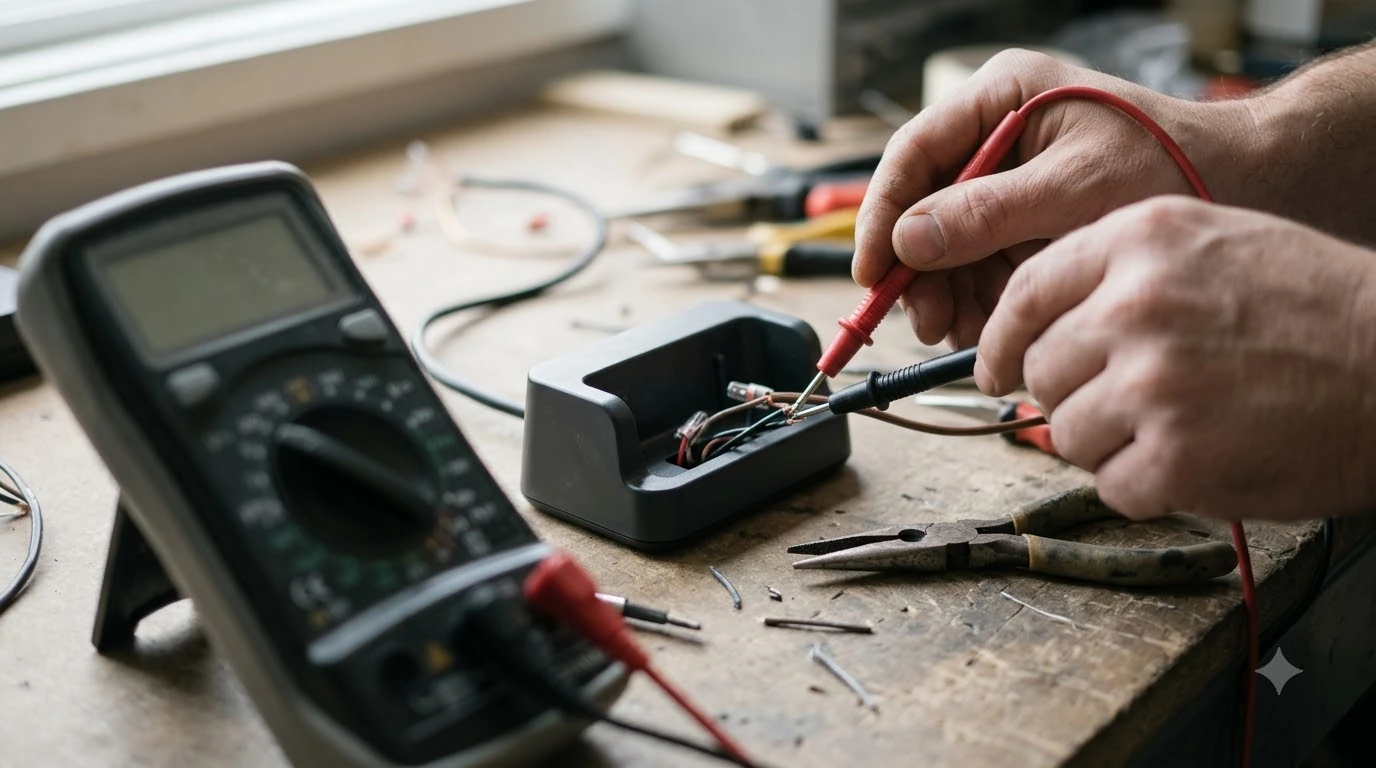

A robot mower wire locator is a handheld tracer that follows the boundary wire through the ground, so you can see where it runs and where it breaks. The right tool depends on one question: is your wire staked on the surface, or buried under the lawn? Surface wire and buried wire need different equipment, and mixing them up wastes an afternoon.
The short answer
- Surface-staked wire: a tone tracer with a probe works, and you can also check the line by eye.
- Buried wire: you need a cable tracer built for underground lines. A surface tool will not find it.
- No tracer: cut out the damaged section and splice in a short piece with waterproof connectors.
- Best habit: keep a rough map of where the wire runs before anyone digs near it.
Surface-staked wire versus buried wire
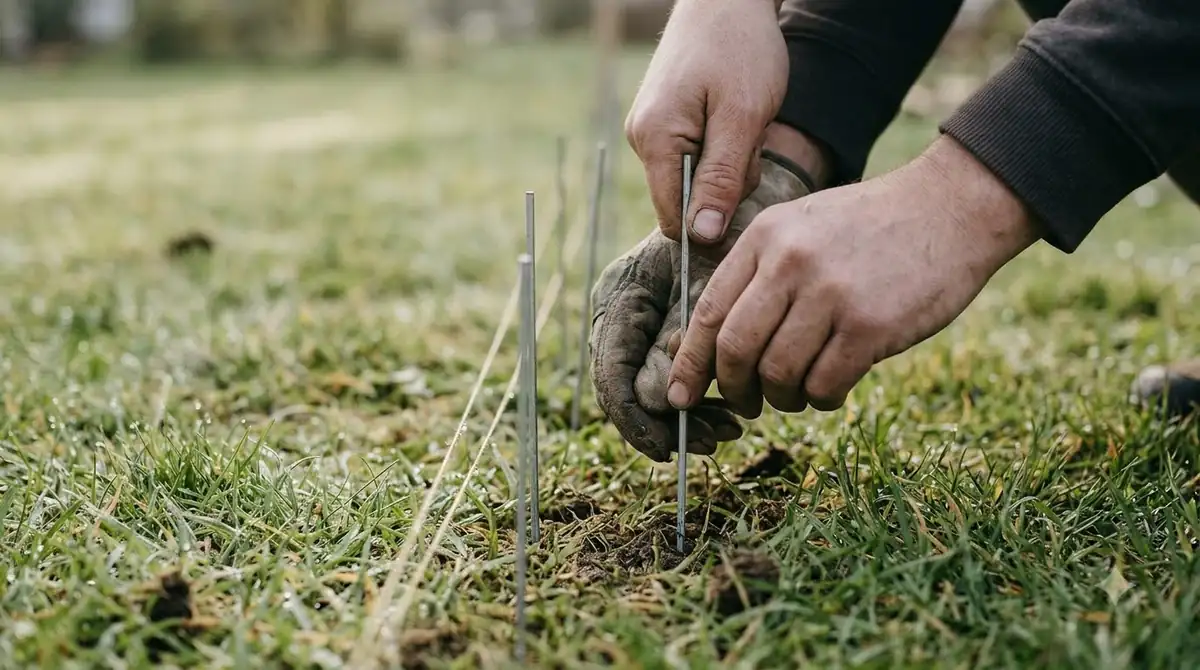
Start by knowing how the wire was installed. Husqvarna’s installation guidance describes two options: staking the wire on the surface, or cutting a slit with a spade and burying it 1 to 20 cm (3/8 to 8 in) deep. It recommends burying on uneven lawns or where you want the wire out of sight. If the loop has already failed, the guide to finding a break in the wire explains how to narrow down the damaged section. Cable that will be buried should be chosen with that in mind, as covered in the roundup of boundary wire for buried runs. Surface-laid wire is usually fixed in place, and stapling surface-laid wire is quicker to inspect later than a buried route.
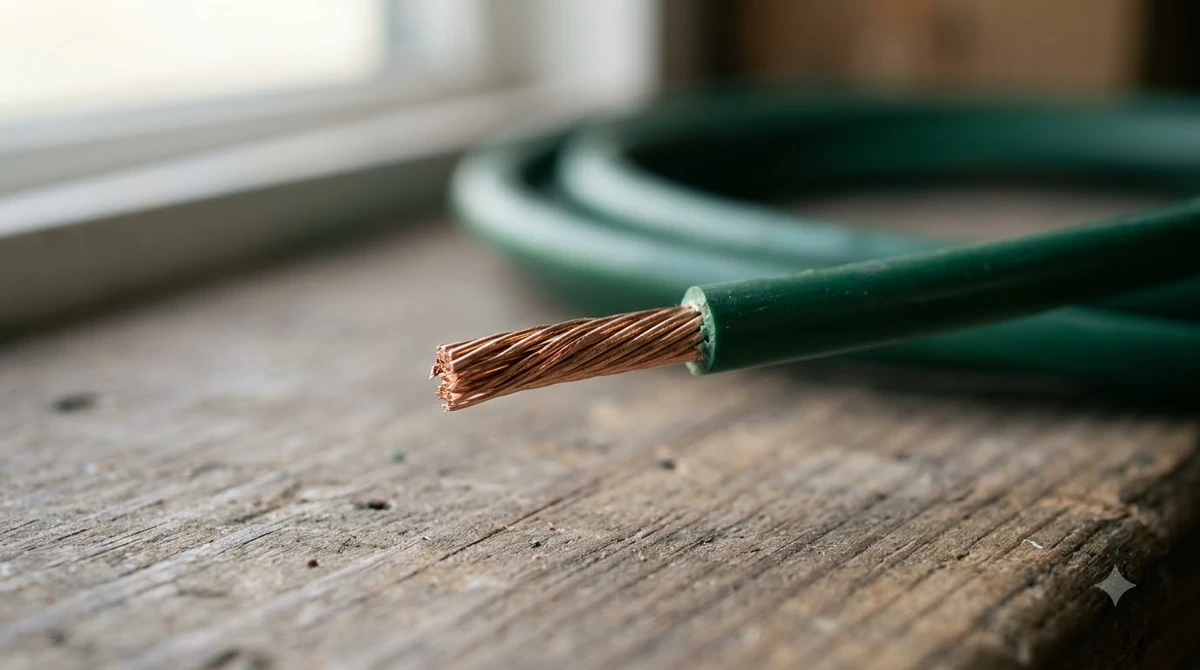
Surface wire is the easier case. Paradise Robotics describes its wire break finder for wire “tacked to the surface of the ground.” It uses a tone generator and a probe, and it works by sending a tone through the wire that you follow with the receiver. Because the wire is visible, you can also walk the line and look for the damaged section by eye.
Heads up
The same Paradise Robotics page says its surface tool will not work on buried wire. Do not expect it to find a break under sod.
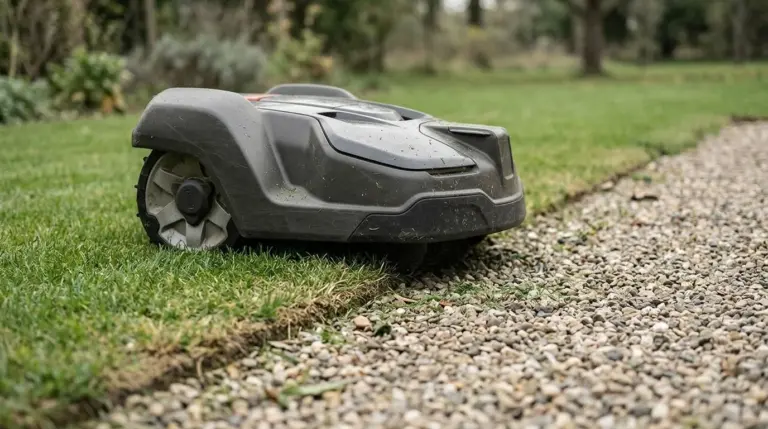
Robot mower wire locator for a buried perimeter wire
Buried wire needs a cable tracer, which sends a signal through the line and lets you follow it above ground. Vendors describe these for underground wire, and some of the depth figures in search results are claims we did not verify on a page we read. Check the stated depth rating against where your wire actually sits before you buy.
Our reading is that the work goes faster when you follow a fixed order, not random digging:
- Note what the mower reported. A loop or wire fault tells you the problem is on the wire, not the sensors or the dock.
- Look first. Check the spot where the mower stopped for fresh digging, lifted staples, or a shovel nick.
- Trace from a fixed point. Start at the charging station, where the wire is easiest to reach, and follow the signal outward.
- Mark each stop. Flags or chalk help you compare readings and narrow the break to a short section.
- Repair with a proper splice. Use connectors rated for outdoor wire rather than electrical tape.

Preventing a break you have to find
Most of the trouble is avoidable at install time. Husqvarna advises mowing the lawn before you lay the wire, because long grass can lift the wire and damage it. Its other tips are to remove rocks and sharp objects, avoid sharp bends, and inspect the wire each spring before restarting the mower. Tension also plays a part, since a taut wire that resists pulling loose is less likely to snag on a blade or a spade.
Soil also matters. Husqvarna notes that in soft, mossy, dry, or compacted areas, stakes can rise over time, so push them back down now and then to keep the wire flat.
| Situation | What to use | Why |
|---|---|---|
| Surface-staked wire | Tone tracer with probe, plus a visual check | The wire is reachable and visible |
| Buried wire | Cable tracer | A surface tool does not find buried wire |
| Break located | Waterproof connectors | Tape fails in wet grass |
| Break not located | Spliced replacement section | Restores the loop while you keep searching |
When a splice is the faster fix
If you cannot pin the break down, a short replacement section can restore the loop and get the mower back to work. The idea is simple: cut the wire at a convenient point, join in a spare piece with connectors, and check the joints after heavy rain. A splice is a repair, not a finder, and each joint is one more place for water to get in, so treat it as a stopgap and recheck it. When a splice is the faster option, a wire repair kit for a quick fix usually contains everything needed for a waterproof join.
Whichever route you take, keep the spare wire and connectors in the same place as the mower’s manual. Being able to start a repair in five minutes is worth more than a perfect tool you have to hunt for.
Frequently asked questions
Can a robot mower wire locator find buried wire?
Not with a surface tone tracer. The Paradise Robotics page we read says its tool is for wire on the ground and recommends a different product for buried wire. Buried wire needs a cable tracer built for underground lines.
How deep can a wire locator find the wire?
Depth depends on the tool. Some cable tracers are advertised for wire up to roughly half a meter deep, but we did not verify that figure on a page we read. Compare the rating against how deep your wire was buried, and remember that Husqvarna’s own guidance for burial is 1 to 20 cm.
Where do breaks usually happen?
Breaks tend to occur where the wire is exposed to damage. Look near the spot where the mower stopped, along digging areas, and where staples have lifted. Our reading is that checking those spots first is faster than tracing the whole loop.
Should I bury the boundary wire to prevent breaks?
Burying hides the wire and suits uneven lawns, according to Husqvarna. It does not remove the need to maintain the wire, and buried wire needs a cable tracer when you do have to find a break. Choose burial for the look and the lawn’s shape, not as a guarantee against damage.
Sources
- Tips to prevent wire break in an Automower installation (Husqvarna): mow before stapling, burial depth of 1 to 20 cm, staking advice. The page does not explain how to locate a break.
- Wire break finder (Paradise Robotics, retailer): surface-staked wire tool, tone specifications, and its limit on buried wire.
 Up next7 min readGearBoundary Wire Gauge for Robot Mower: What the Specs SayUpdated Nov 12, 2026
 8 min readGearUniversal Boundary Wire for Worx Landroid: What to MatchUpdated Nov 11, 2026
 8 min readGearBest Robot Mower Boundary Wire 500 ft: What to Check Before You BuyUpdated Nov 11, 2026
 9 min readGearRobot Mower Boundary Wire Repair Kit: What to Check Before You RepairUpdated Nov 19, 2026
 7 min readGearRobot Mower Long Boundary Cable Roll: Plan, Lay and JoinUpdated Nov 20, 2026
 7 min readGearRobot Mower Virtual Fence Markers: How the Boundary Points WorkUpdated Nov 20, 2026