
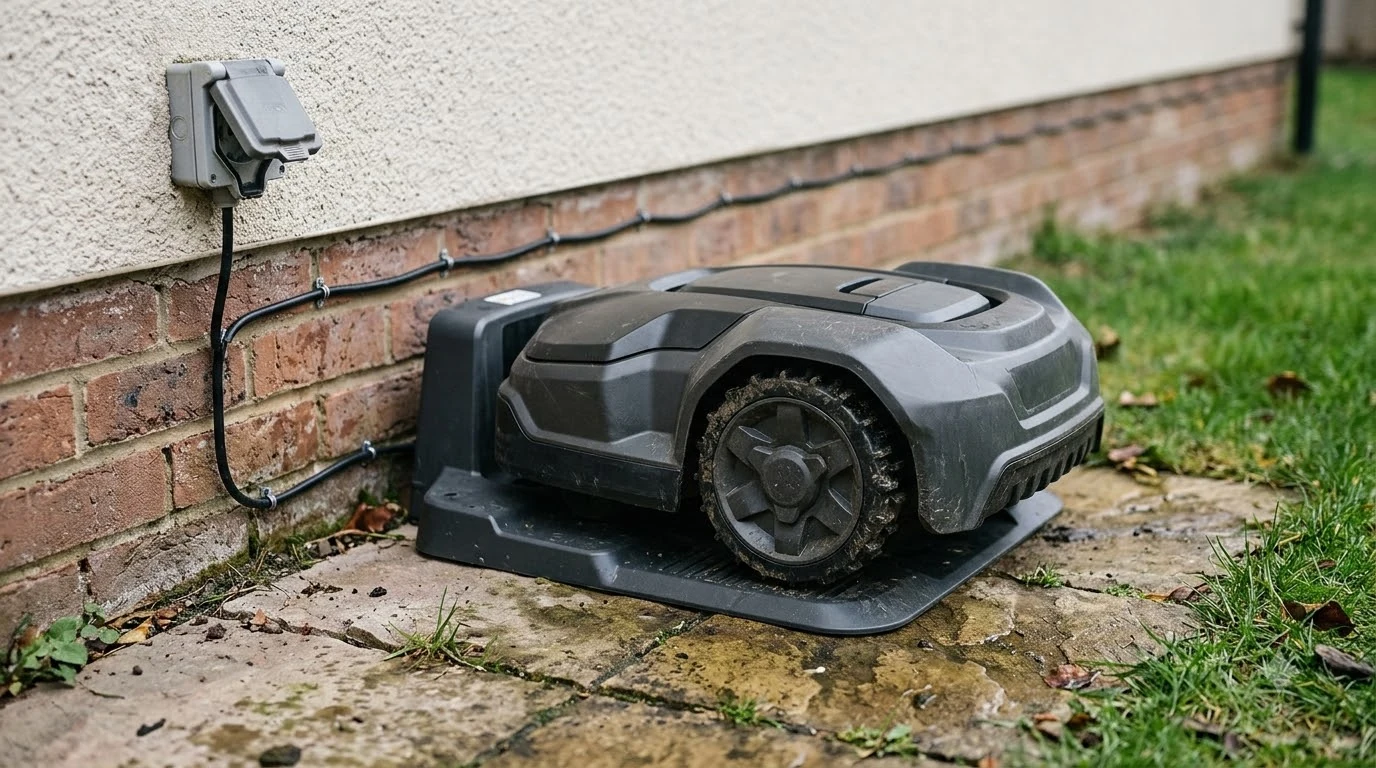

Best outdoor power strip for RTK base station: usually, no power strip at all. Robot mower makers generally tell owners to plug charging gear straight into a dedicated outdoor outlet, and safety guidance asks for cords and strips that are labeled for outdoor use. If you have no other option, choose a strip with weather protection, a built-in GFCI and a short cord. Here is what to check, as of Nov 2026.
The short answer
- Preferred: a weatherproof outdoor outlet with GFCI protection, with the base station plugged in directly.
- If you must use a strip: one labeled for outdoor use, with a weatherproof enclosure, GFCI protection and the shortest cord that reaches.
- Avoid: indoor strips, daisy-chained strips and long extension cords run across the lawn.
- Check first: the base station manual decides which power setup it expects.
Why a power strip is the weak point
An RTK base station has to stay powered to keep sending correction signals to your mower. International reference-station guidelines put it plainly: every station needs a continuous and reliable power source. Every extra plug, socket and cord is one more place where that supply can drop out. If you want the wider context first, start with our RTK antenna hardware guide before returning to this page.
Robot mower charging stations raise the same concern. Toro’s guidance for its charging station says not to plug it into a power strip or an extension cord. The base station is a different product, so this is not a rule for your model, but our reading is that the same logic applies: a direct connection to a proper outlet is the simplest path to reliable power.
Heads up
Some owners plug the base station into whatever outlet is near the lawn, such as a garage strip or a porch extension. Before you do that, check the manual for the station and the outlet it needs. A strip that works in the garage may not be rated for weather.
Best outdoor power strip for RTK base station: what to look for
If a strip is the only way to reach an outlet, judge it on a short list of features rather than on brand or price. The US Consumer Product Safety Commission advises using only extension cords labeled for outdoor use when working outside, and its extension cord and power strip guidance is the starting point for the checks below. For the next step after this section, continue with our weatherproof enclosure for the RTK base.
| Feature | Why it matters | What to check on the box |
|---|---|---|
| Outdoor rating | Indoor strips and cords are not built for rain, dew or sun. | A label that says it is for outdoor use |
| GFCI protection | A GFCI shuts power off when it detects a small leak to ground. The CPSC notes it can detect a current difference as small as 0.006 A. | A built-in GFCI with test and reset buttons |
| Weatherproof enclosure | Keeps water out of the plug connections and sockets. | A sealed or gasketed housing, with a cover for the outlets |
| Cord length | A long cord adds resistance and invites tripping and damage. | Only as long as needed, and rated for the station’s power draw |
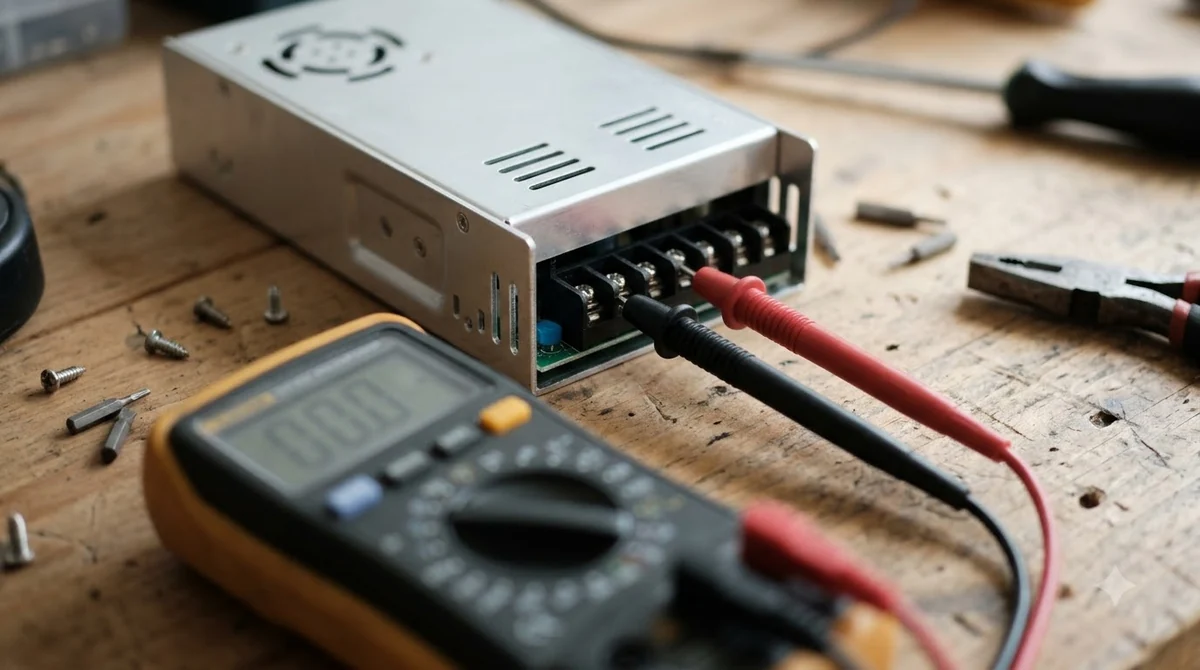
| Ventilation | Power bricks need airflow to avoid overheating. | Open space around the brick, not a sealed box |
The GFCI is the feature most worth paying attention to. It does not protect the base station from every fault, but it is the layer that cuts power fast when water or damage creates a leak path, which is the main risk on an outdoor circuit.
Where the strip goes and how to protect it
Placement matters as much as the product. Husqvarna’s guidance for its own charging station power supply says not to put it in an enclosed box, and that it needs open sides and airflow. The same idea applies to a strip or brick near your base station: keep it off wet ground, out of standing water and away from sprinkler spray. The follow-up question most readers have is answered in our outdoor RTK base power guide. You can find more background and practical detail on this point in our tripod for an RTK reference station.
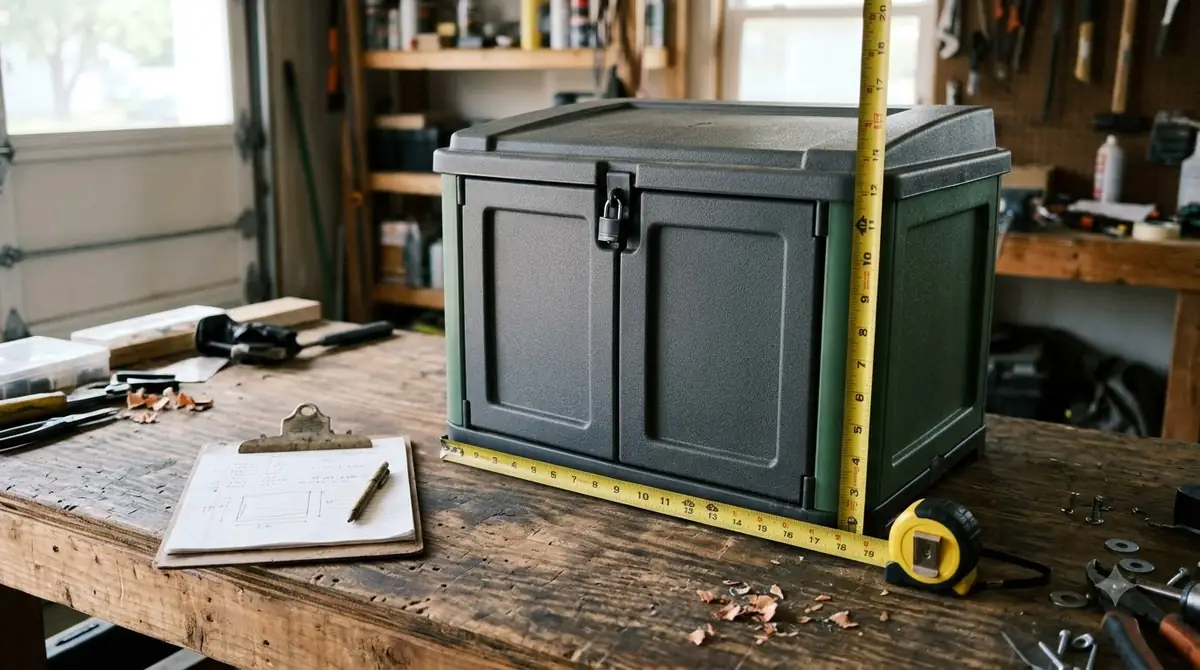
- Pick a dry spot. A wall or post with a roof overhang beats open ground, where splashes and mower passes can reach it.
- Keep the plug above the ground. A plug resting on wet grass or mud is harder to keep dry.
- Use a cover for the outlet. An in-use cover keeps rain off the plug while it is connected.
- Route the cord with slack, not tension. Tight cords pull on the connection. A loop that does not hang in the mower’s path works better.
- Test the GFCI on a schedule. Press the test button, confirm the power cuts out, then reset it. Do this at the start of each mowing season.

Mistakes to avoid with outdoor power
- Daisy-chaining strips. Linking one strip into another adds connections and makes the load harder to judge.
- Using an indoor strip under a cover. A cover does not make an indoor-rated product outdoor-rated.
- Burying a cord. A buried or pinched cord can be damaged by yard work and cannot be inspected.
- Ignoring a tripping GFCI. If the GFCI keeps cutting out, find the fault before resetting it again.
Our reading is that a best outdoor power strip for RTK base station is still a convenience, not a reliable power source. The best setup is usually a direct connection to a weatherproof outlet with GFCI protection, which avoids the connection point entirely. Beyond this topic, you can also read our extension cable for a Navimow base for an adjacent part of owning a robot mower.
Related reads: Also worth reading is our mounting pole choices for an RTK antenna, which covers a connected question. Another connected page that readers often open next is our wall bracket for an RTK antenna.
Frequently asked questions
Can I plug an RTK base station into a power strip?
Check the manual for your base station first. Toro’s guidance for its robot mower charging station says not to plug it into a power strip or extension cord, and the same caution is sensible for an RTK base station. A direct plug into a weatherproof outlet is the safer choice.
Does an outdoor base station need a GFCI outlet?
The sources we checked focus on outdoor cords and GFCI sensitivity rather than on base stations specifically. Our reading is that a GFCI-protected outdoor outlet is the sensible default, because it cuts power quickly if water creates a leak path.
Can I use an indoor power strip outside if it is under a cover?
No. The CPSC advises using only cords labeled for outdoor use outdoors. A cover reduces exposure to rain, but it does not change the rating of an indoor strip.
Is a surge protector the same as a power strip for this job?
Not necessarily. The reference-station guidance we read discusses continuous power and short-term backup, such as a UPS during a switchover, rather than surge protectors. A surge protector does not replace a GFCI or an outdoor rating, so check the label before you buy.
Sources
- Extension cords and power strips (US Consumer Product Safety Commission): outdoor-use labeling for cords and strips.
- GFCI fact sheet (US Consumer Product Safety Commission): GFCI sensitivity of 0.006 A.
- Toro Turf Pro charging station guidance (Toro): not to plug the charging station into a power strip or extension cord.
- Automower charging station placement guide (Husqvarna): keep the power supply ventilated, not in an enclosed box.
- CORS guidelines, power and communications (International GNSS Service): continuous and reliable power for reference stations.
 Up next10 min readGearRTK Base Station Power Cable Outdoor: What to Check FirstUpdated Nov 19, 2026
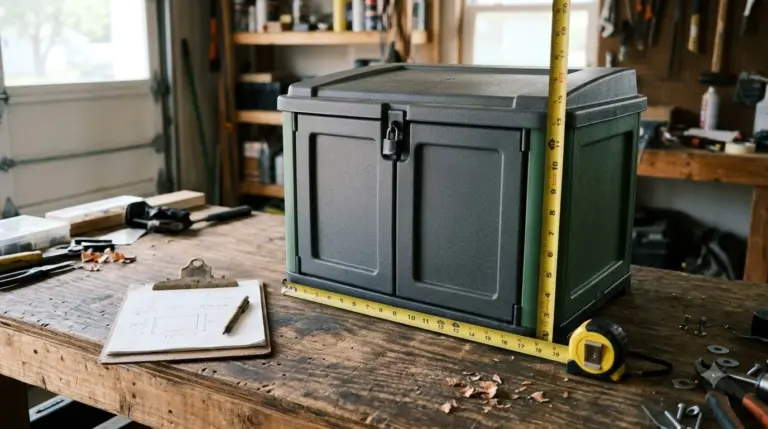 8 min readGearBest Weatherproof Enclosure for RTK Base Station: 6 Checks Before You BuyUpdated Nov 13, 2026
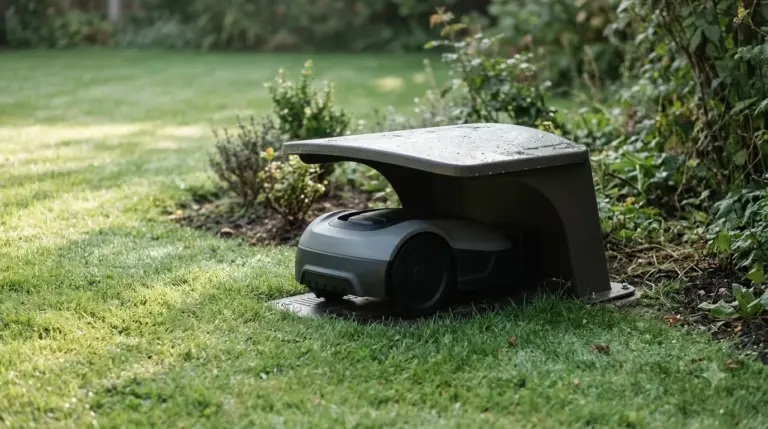 8 min readGearRTK Network Service for Robot Mower Without Base StationUpdated Nov 19, 2026
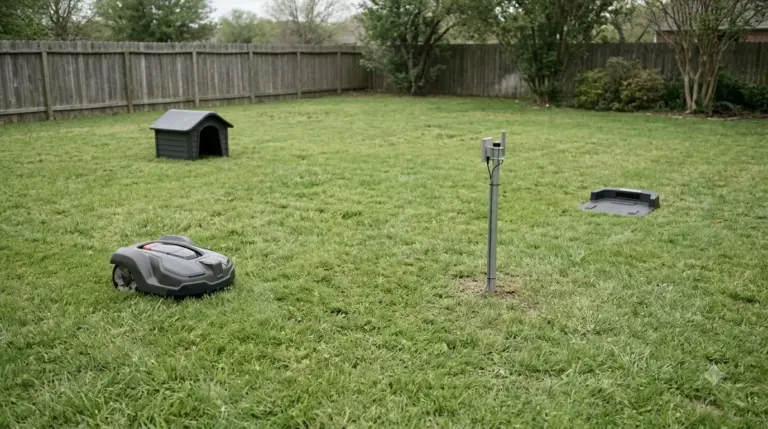 8 min readGearWhere to Mount an RTK Base Station for a Robot MowerUpdated Nov 19, 2026
 8 min readGearChoosing the Best Outdoor PoE Injector for Roof-Mounted RTK StationsUpdated Nov 19, 2026
 7 min readGearBest Outdoor Cable Protector for Robot Mower: 5 Key ChecksUpdated Nov 11, 2026