
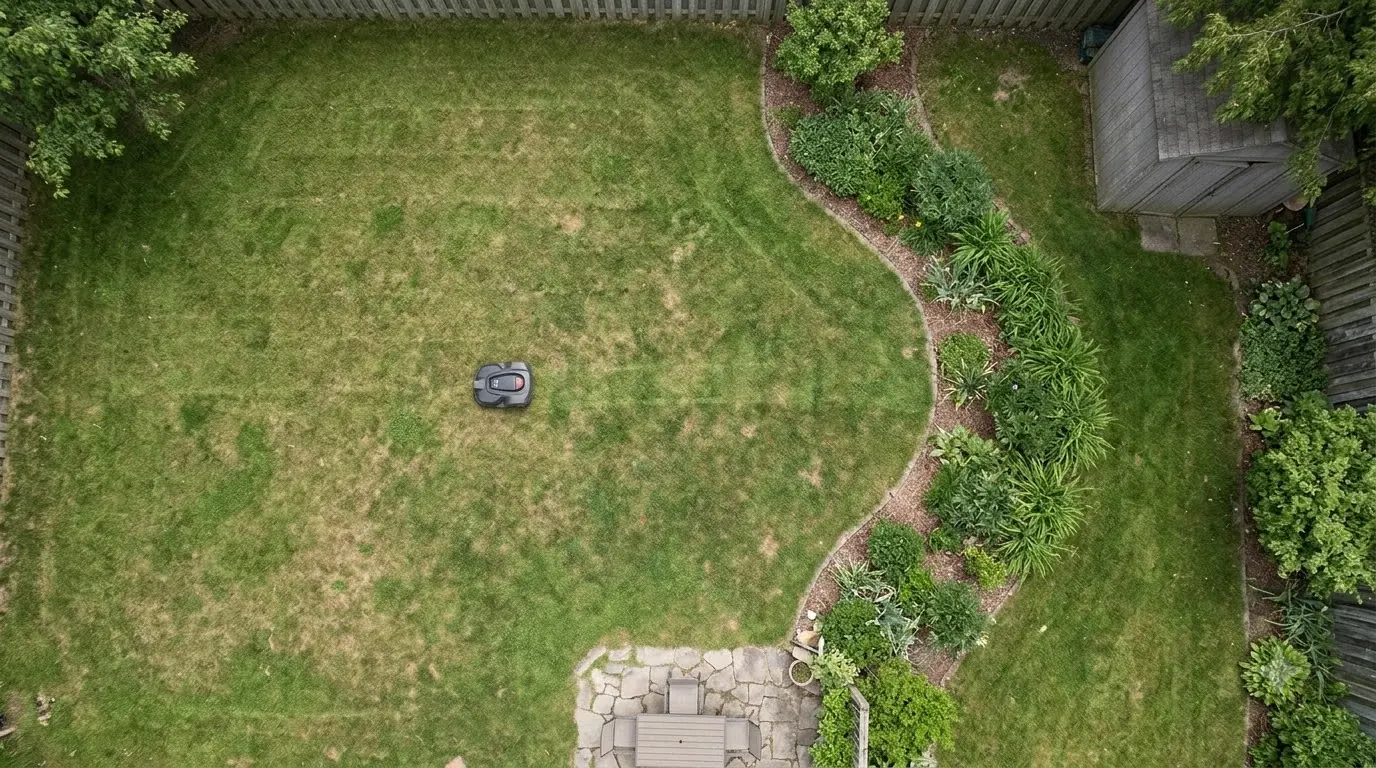

Do robot mowers replace a regular mower? Yes, on many small, open lawns, depending mostly on lawn size, layout and grass type. A robot mower can handle the routine cutting on an established lawn that it can reach easily, as long as the grass stays within the model’s cutting range. The sections below set out those conditions and what a regular mower still covers, using university extension and manufacturer pages.
The short answer
- Often yes: on a small to medium, open lawn that is already in good shape, a robot can take over the routine mowing.
- Not always: overgrown grass, steep or heavily obstructed yards, and unusual warm-season grasses can still call for a regular mower.
- Frequency is the real change: robots cut daily or several times a week, while a regular mower is typically run about once a week.
- Upkeep is lighter, not zero: you still clean the machine, replace blades and check the boundary and dock.
Where a robot mower can replace a regular mower
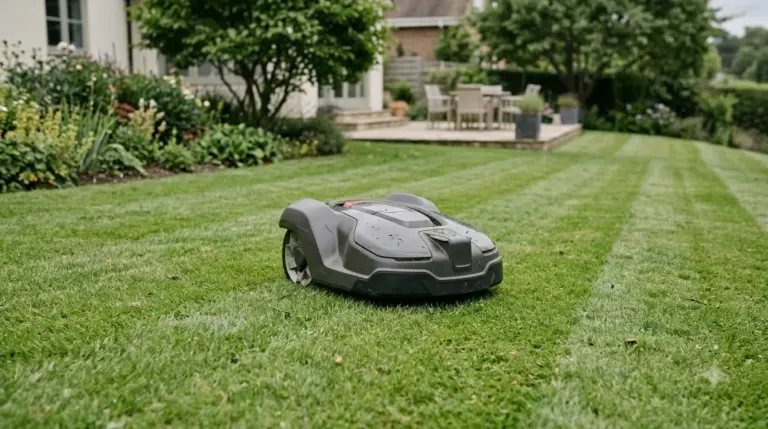
A robot mower replaces a regular mower most completely when the job is simple routine cutting. On an established lawn with open, even ground, the robot takes over the cut that most owners do by hand every week. Husqvarna describes its robotic mowers as ones that “automatically mow your grass multiple times a week,” and says more frequent mowing “creates smaller clippings that more easily break down into the soil,” according to its comparison page.
Turf research points the same way. A University of Florida report on robotic mowers found that St. Augustinegrass kept at about 2.4 inches stayed healthy under robotic cutting, and that daily mowing increased turf density compared with conventional weekly mowing. The UF/IFAS researcher quoted in the report described the turf as “spectacular and quite healthy.” The report does not describe its methods or sample size, so treat it as a useful signal rather than a final ruling on every lawn. UF’s report on robotic mowers and Florida lawns is the clearest public summary we found.
Where a regular mower still makes sense
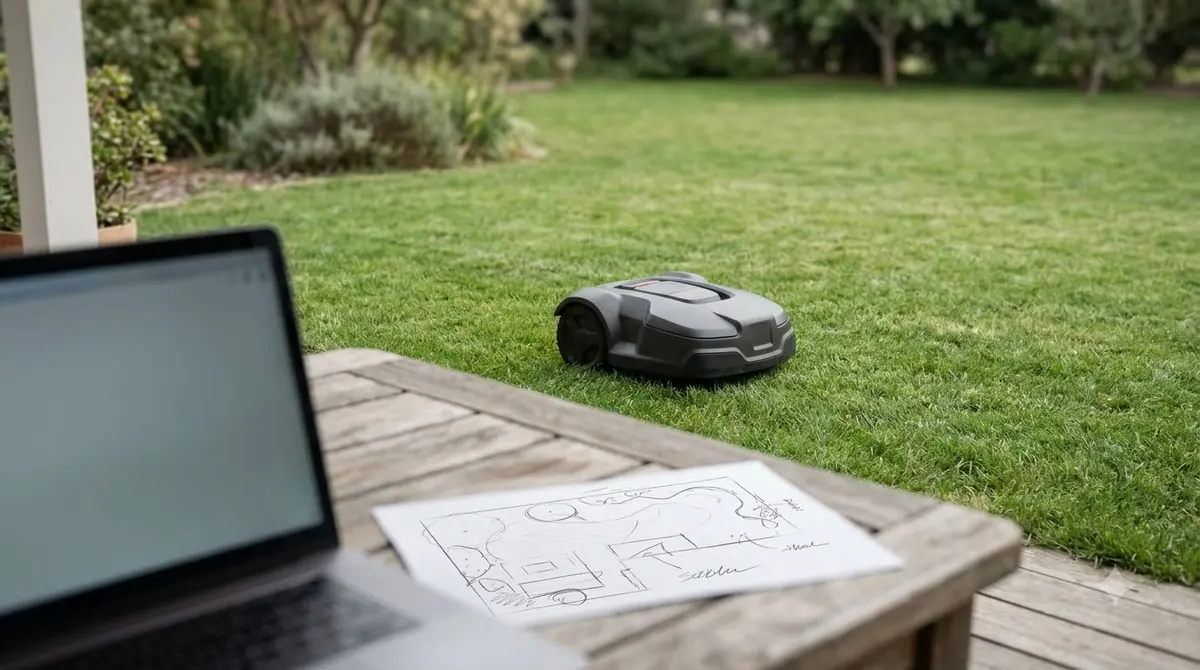
A regular mower still makes sense when the grass has grown past what a robot can cut in a few small passes, or when the yard has terrain the robot cannot cover. The limits depend on the model, so the spec sheet matters more than the brand name. So do robot mowers replace a regular mower on a neglected or oversized lawn? Not at first. Warm-season grasses are the clearest example of how grass type sets the cutting height.
| Turfgrass | Optimal mowing height | Mowing interval |
|---|---|---|
| St. Augustinegrass | 2.5 to 4.0 inches | Every 5 to 14 days |
| Bermudagrass | 0.5 to 1.5 inches | Every 3 to 5 days |
| Zoysiagrass | 1.0 to 3.0 inches | Every 10 to 14 days |
The table is from UF/IFAS guidance on mowing Florida lawns, and it shows why the species matters. Bermudagrass is cut short and often, which suits a robot’s frequent passes. St. Augustinegrass is kept much taller, so a robot set to a very low cut would be working outside the normal range for that grass. The UF robotic result at 2.4 inches was a research setting, not a default you should copy. Our guide to the best mowing height for a robot mowed lawn goes into height settings.
- Overgrown grass: a robot cuts best when it removes small amounts often. Bring a long, neglected lawn down with a regular mower first, then let the robot take over.
- Steep or uneven ground: check the slope rating on the spec sheet before you assume a robot can handle the hill, and see whether robot mowers tip over on hills.
- Complex layouts: narrow strips, many beds and detached zones need a model with the right boundary and navigation features.
- Edges and tight corners: our reading is that a regular trimmer still covers edges that a robot does not reach cleanly.
Why daily cutting changes the comparison
The biggest difference between the two machines is how often they cut, not only which one is automated. A regular mower is typically run about once a week, while a robot runs daily or several times a week. Cornell’s turf blog reports that auto-mowers produced greater tiller and shoot density than traditional mowing in tall fescue and Kentucky bluegrass, citing published studies, and the author attributes that mainly to the mowing frequency. He presents that as his interpretation rather than a tested result.
The same blog cites a 2016 study in which thatch depth was significantly lower under robotic mowing than under traditional once-weekly mowing, and the author speculates about why thatch depth and density may not move together. On weeds, the author says it is not clear which situations would benefit most from automatic mowing. So the honest summary is that frequent robotic cutting may improve turf density in some cool-season lawns, while weed control is still an open question.
Frequency does not remove the old rule. The UF/IFAS guidance still applies: mow often enough that no more than one-third of the blade height is removed per cut. A robot that cuts small amounts every day removes only a sliver each time, which is why the rule seldom becomes a problem with a robot.
Cost, upkeep and what you still do by hand
A robot mower usually costs more up front but needs less of your time afterward. On cost alone, do robot mowers replace a regular mower? Husqvarna’s comparison rates its Automower’s price as high upfront and low for maintenance, and rates maintenance time as minimal for the Automower compared with average for a traditional mower. The same page says blades should be replaced regularly, though it gives no interval, so check the manual for your model.
Noise is another difference owners notice. Husqvarna gives around 60 decibels for its Automower compared with around 90 decibels for a typical gas mower. That figure comes from the manufacturer, so compare it with independent measurements if noise matters to your neighbors or your schedule.
Heads up
UF’s robotic mower report says fire ants may build mounds near docking stations, so routine insecticide treatment is recommended. It also advises grounding the docking station or connecting it to surge protection because lightning is a concern.
Even with a robot, some jobs stay manual. Edges along beds, walkways and tight corners may need a trimmer, and the boundary method adds setup work. Husqvarna says its EPOS models are wire-free. For any other model, check whether a boundary wire is needed and what the installation involves before you buy. Our robot mower versus gas mower long-term cost comparison adds the money side.
Do robot mowers replace a regular mower in your yard?
Decide using the lawn you have, not the one you want. A robot can replace routine mowing on a lawn that is open, even, reasonably sized and already in decent condition. A regular mower stays useful for a large, steep, heavily obstructed or overgrown yard. A practical split for many homeowners is a robot for the routine cut and a manual tool for edges and any grass that has grown too long, which is our reading rather than a rule from any source. So do robot mowers replace a regular mower for most homeowners? Often for the routine cut, not for everything. If you are still deciding, should I buy a robot lawn mower walks through the decision.
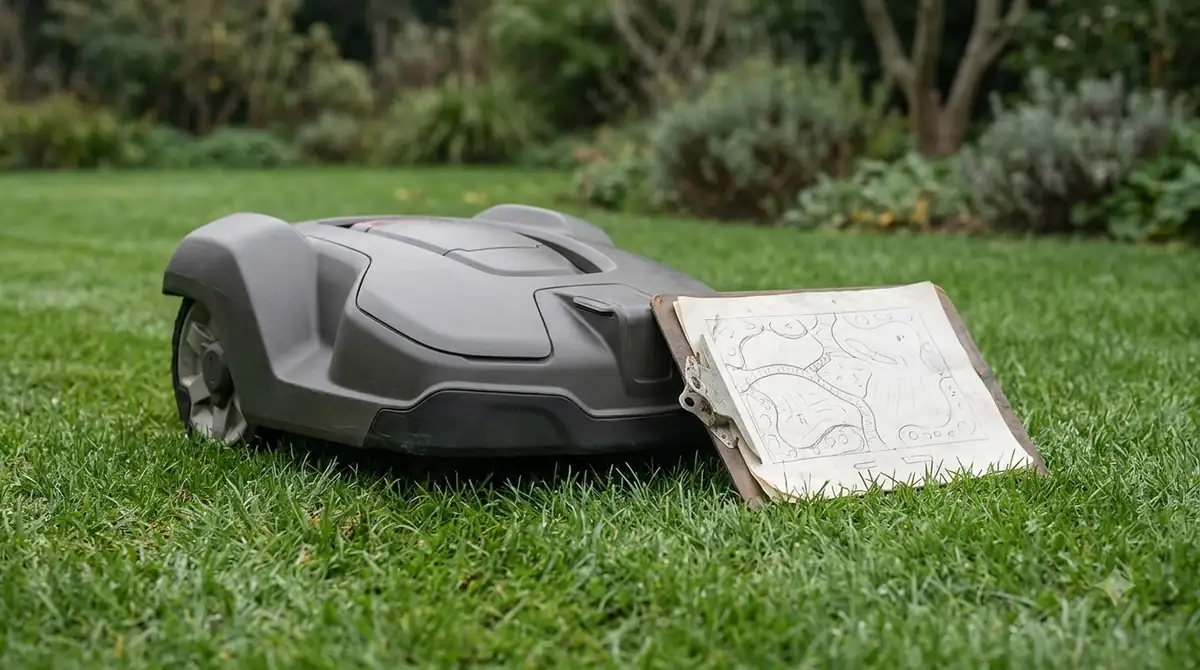
- Measure the lawn. Compare your lawn area with the model’s rated coverage, and leave room for beds and obstacles. Our checklist on whether your yard is suitable for a robot mower helps here.
- Check the slope. Look up the maximum slope rating and compare it with your steepest section.
- Identify the grass. Confirm the species and its recommended height, then confirm the model can set a cut that fits it.
- Plan the boundary and dock. Decide between a boundary wire and a wire-free system, and choose a shaded, level spot for the charging dock.
Frequently asked questions
Can a robot mower cut grass as short as a regular mower?
Only within the range the model allows, and that depends on the grass. UF/IFAS lists 0.5 to 1.5 inches for bermudagrass and 2.5 to 4.0 inches for St. Augustinegrass. Check the model’s minimum and maximum cutting height before you set it on any warm-season lawn.
Do robot mowers need a lot of maintenance?
Less time than a traditional mower, according to the Husqvarna comparison, which rates maintenance time as minimal for its Automower. Blades still need regular replacement, and the machine needs periodic cleaning and checks. Read the manual for your model to see the exact service interval.
Do robot mowers work in the rain?
The UF robotic mower report says researchers found no negative impacts from running the units in rainy conditions. That is one study and does not cover every model or climate. Check the water-resistance rating in the spec sheet, and follow the manufacturer’s guidance on wet grass.
Does a robot mower need special care near its dock?
Yes. UF advises routine insecticide treatment because fire ants may build mounds near docking stations. It also recommends grounding the dock or using surge protection, because lightning is a concern for outdoor electronics.
Sources
- Study finds robotic mowers improve Florida lawn health while reducing maintenance (University of Florida): St. Augustinegrass at 2.4 inches, daily mowing, fire ant and lightning notes.
- Mowing Your Florida Lawn (UF/IFAS Gardening Solutions): mowing heights, mowing intervals and the one-third blade rule.
- Does the grass like auto-mowers? (Cornell University turfgrass blog): tiller and shoot density, thatch depth and weed-control caveats.
- Automower comparison (Husqvarna): maintenance time, price rating, blade replacement and noise level.
 Up next8 min readLearnCan a Robot Mower Mow in the Dark?Updated Nov 11, 2026
 8 min readLearnDo Robot Mowers Increase Home Value?Updated Nov 11, 2026
 9 min readLearnCan Someone Hack a Robot Mower? What Published Research ShowsUpdated Nov 11, 2026
 7 min readLearnDo Robot Mowers Hurt Frogs and Toads?Updated Nov 11, 2026
 10 min readLearnWhat to Look for in a Robot Lawn MowerUpdated Nov 11, 2026
 7 min readLearnDoes a Robot Mower Work With a Dog in the Yard?Updated Nov 11, 2026