
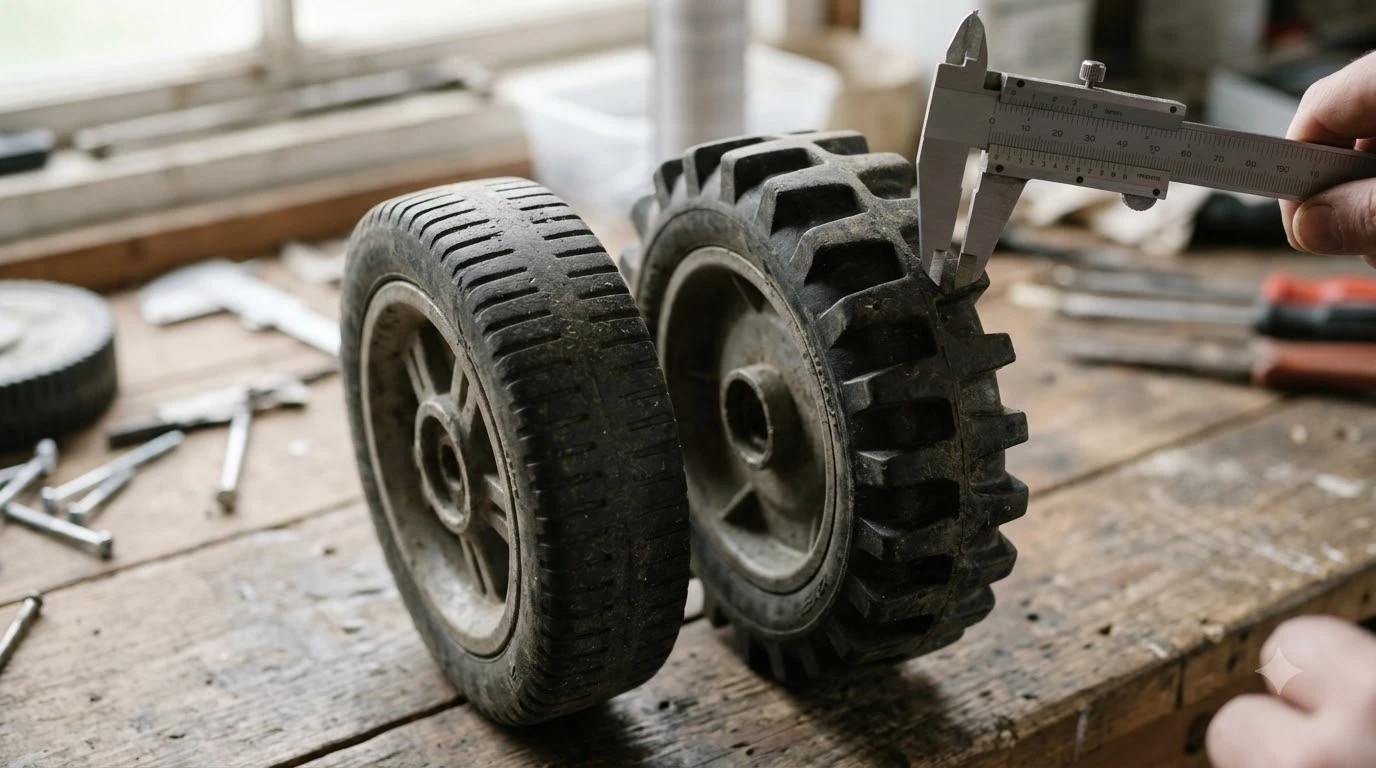

How to stop robot mower wheel ruts: keep the mower off soft ground, spread its path, and fill any dip before it grows. Ruts form when wheels sink into wet soil and press the same line again and again. Most of the fix is timing and layout, with a repair step for dips that have already formed.
The short answer
- Timing: skip mowing while the ground is wet or just after heavy rain or irrigation.
- Layout: widen the corridor on the dock route and use No-Go Zones for weak spots.
- Repair: loosen compacted soil, fill with matching topsoil, and reseed.
- Check: walk the lawn once a week and fix any dip before the next cut.
Why wheel ruts start
A rut is a wheel print that has sunk below the grass line. It starts when a wheel pushes into soft ground, the soil compacts, and the grass around it cannot recover before the next pass. Clay soil is the usual cause, because it holds water and stays soft for days. Soil takes traffic differently across the year, as lawn care calendar for the season explains with a month-by-month view.
Eufy’s guidance on stuck robot mowers says soft clay after a summer storm, or a lawn that gets regular sprinkler use, can let a wheel sink and leave a rut. Its advice is to let the area dry and repair the surface before the mower runs again. That order matters: a rut repaired while the soil is wet tends to sink again.
Set the schedule around wet ground
The simplest way to stop ruts is to keep the mower off soft ground. Many owners find that the first cut after a storm causes most of the damage, so a short delay makes a visible difference. Our reading is that a dry-day rule beats any setting change for this problem. Wet grass causes its own problems too, as why wet grass leaves clumps explains alongside the effect on the blades.
Irrigation matters too. If sprinklers run on the same nights the mower runs, the mower will often cross the same wet spots. Moving the mower to a later start time, or moving the sprinkler cycle, can split the two jobs.
Spread the path with the corridor setting
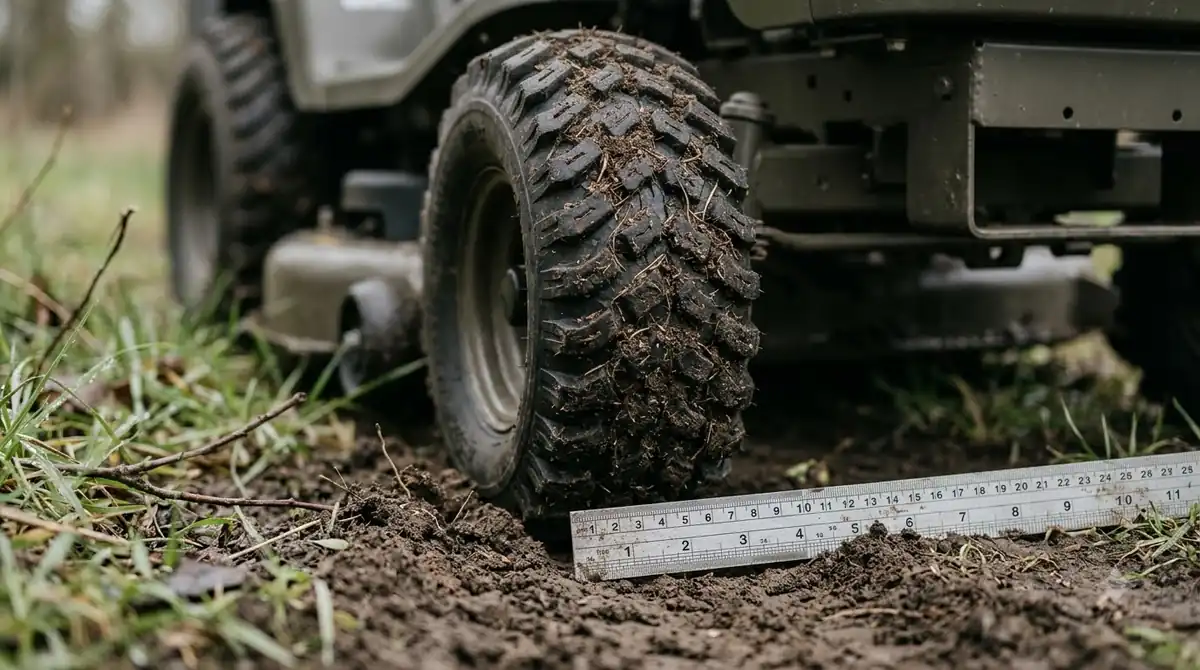
Ruts are often worst on the route to the charging station, since that line is crossed every day. Husqvarna describes how its Automower travels at a variable distance from the wire when it follows the boundary or guide wire to and from the charging station, or through a passage, to reduce the risk of tracks forming on the lawn. The same article lists a corridor width range from 1 to 9, with 6 as the factory setting for a boundary wire. Mowers that repeat the same route wear the same strip, as why mowers follow set paths explains for different mowing patterns.
The corridor setting is only relevant to installations with a physical boundary wire. If your model allows manual changes, widen the corridor on the dock route first, then watch the strip for a few weeks before changing anything else.
Use No-Go Zones for weak spots
Some spots will not recover, even with a better path. Eufy suggests a No-Go Zone around sections without stable turf, and also around low sprinkler heads, exposed pipes, and steep drops. A No-Go Zone keeps the mower off a rut while the grass returns, and it can be removed once the surface is firm again. A heavily used approach path can scuff the ground in a similar way, as covered in tire marks on the dock area from a single route.
Use a No-Go Zone as a short-term tool. Leaving a rut blocked for a whole season hides the cause, which is usually drainage or a low spot that holds water.
Repair a rut in four steps
Once a rut has formed, the repair is straightforward but slow. Knowing how to stop robot mower wheel ruts from returning depends on this repair step. The soil must loosen, fill, and settle before new grass can take hold. University extension advice on ruts gives the same basic order, so the steps below follow that pattern.
- Loosen the soil. Break up the compacted floor of the rut, down to about 6 to 10 inches if you can, with a shovel or fork. Aerate the whole yard too if the soil allows.
- Fill with topsoil. Add topsoil that matches the lawn’s soil, then water it to settle. Leave the fill 1 to 2 inches above the surrounding turf, since it will sink a little more.
- Reseed. Rake the surface for seed contact, spread a suitable grass seed, and keep the area moist until it germinates. Water may be needed daily during dry weeks.
- Hold the mower off. Keep the area out of the mower’s path until the new grass is established, then check the strip before returning it to the usual route.
How to stop robot mower wheel ruts: check the lawn each week
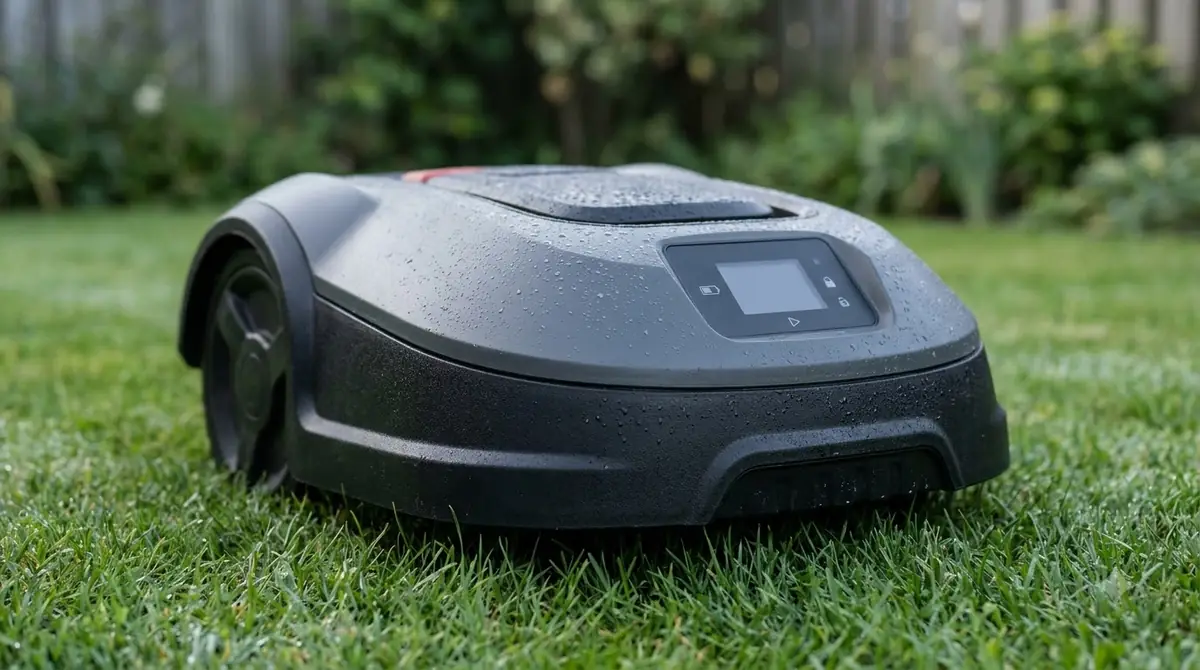
A quick walk once a week finds ruts while they are still shallow. Look for a line of flattened grass, a dip that holds water after rain, or a patch that feels soft underfoot. Fixing a small dip takes an hour; a deep rut can take a full season to recover.
Keep a note of the worst spots and the weather on each day. If the same strip keeps forming ruts after the path and schedule changes, the cause may be drainage, so a soil check or a lawn professional is the next step.
Related reads: Wheel ruts are a lawn-care problem, but the environmental impact of robot mowers is a separate question about energy use, noise and emissions.
Frequently asked questions
How to stop robot mower wheel ruts after rain?
Keep the mower in the shed until the ground is firm underfoot, which can take a day or more after heavy rain. Running the mower on saturated soil is the most common cause of ruts.
Is it safe to fill a rut with sand?
Extension guidance generally favors matching topsoil. Sand only suits a lawn with sandy native soil, since a sand layer on clay can cause drainage problems later.
How long does a rut take to recover?
Shallow ruts often recover within a few weeks once reseeded and watered. Deep ruts can take a full growing season, and the new grass may need extra watering while it establishes.
Should I replace the boundary wire to stop ruts?
Moving the wire is a larger change and can leave gaps. Our reading is to try the corridor width, the schedule, and No-Go Zones first, then consider a wire change only if the same strip keeps wearing.
Sources
- Ruts in lawn (Ask Extension): loosening compacted soil to 6 to 10 inches, topsoil fill left 1 to 2 inches high, and reseeding with watering.
- Robot lawn mower stuck: causes and fixes (Eufy): clay soil after storms, letting the area dry, and No-Go Zones around unstable turf.
- How to adjust the corridor width in an Automower installation (Husqvarna): variable distance from the wire, corridor width range, and the boundary-wire-only note.
 Up next8 min readLearnAre Robot Mowers Expensive to Repair? What to ExpectUpdated Nov 11, 2026
 7 min readLearnWhy Does My Robot Mower Wheels Slip on Grass?Updated Nov 13, 2026
 8 min readLearnHow to Prevent Grass Buildup Inside Robot Mower Wheel WellsUpdated Nov 19, 2026
 9 min readLearnWhy Does My Robot Mower Spin Its Wheels When Turning?Updated Nov 19, 2026
 10 min readLearnHow to Troubleshoot a Robot Mower Hall Effect Wheel SensorUpdated Nov 19, 2026
 10 min readLearnHow to Replace Worn Rubber Treads on Robot Mower WheelsUpdated Nov 19, 2026