
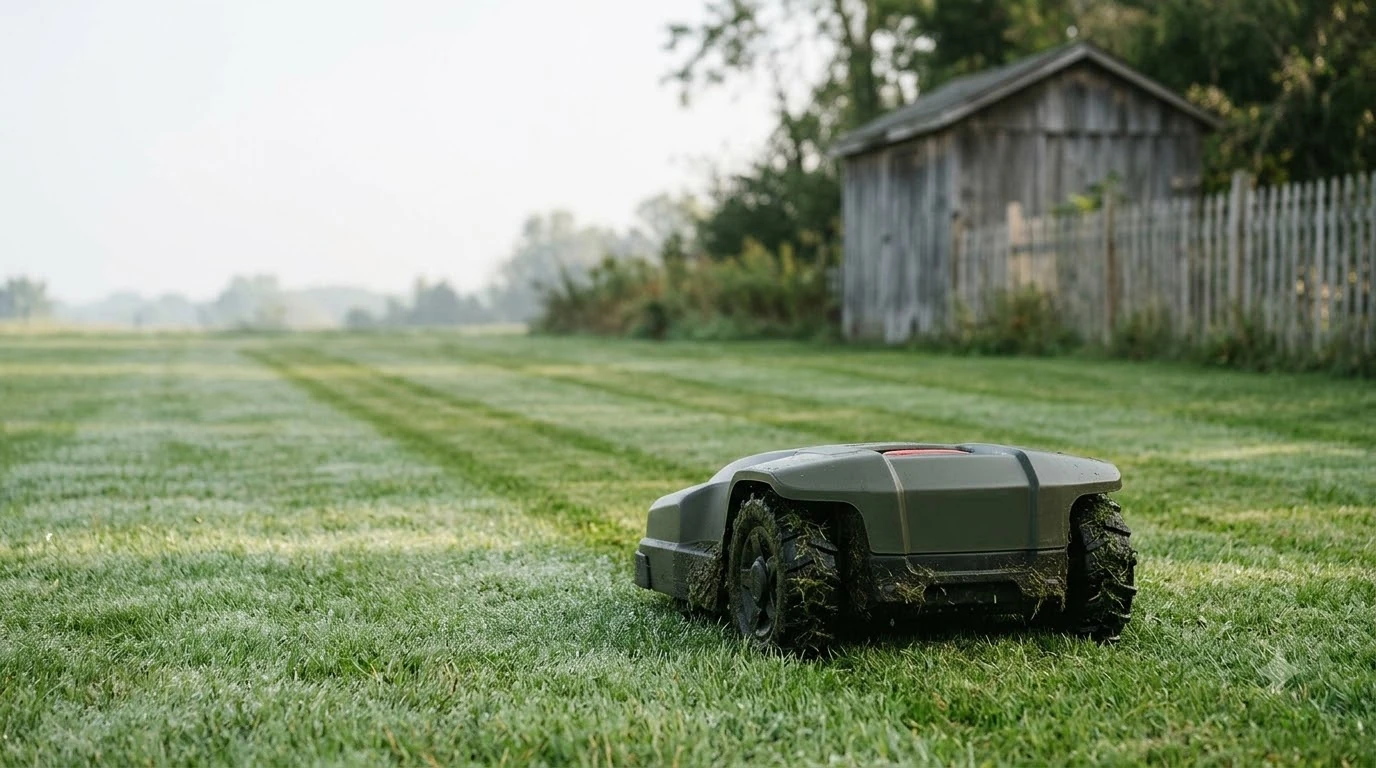

Why does my robot mower leave clumps of grass? Usually because the blades are dull or the grass and clippings are wet. Both make the blades tear and bend the grass rather than cut it cleanly, so small piles of clippings get left on the lawn. Most of the time the fix is blade maintenance, cutting height, and keeping the deck clean.
The short answer
- Dull or nicked blades tear grass tips instead of slicing them, which leaves ragged, clumpy cuts.
- Wet grass bends away from the blade, so the cut is uneven and clippings stick together.
- Clippings stuck under the deck slow the blades and leave the lawn messy after each pass.
- Grass that is too tall can be flattened by the mower and left behind in clumps.
- Quick check: inspect the blades, clean the deck, and raise the cutting height before anything else.
Dull blades tear grass instead of cutting it, the main reason for clumps
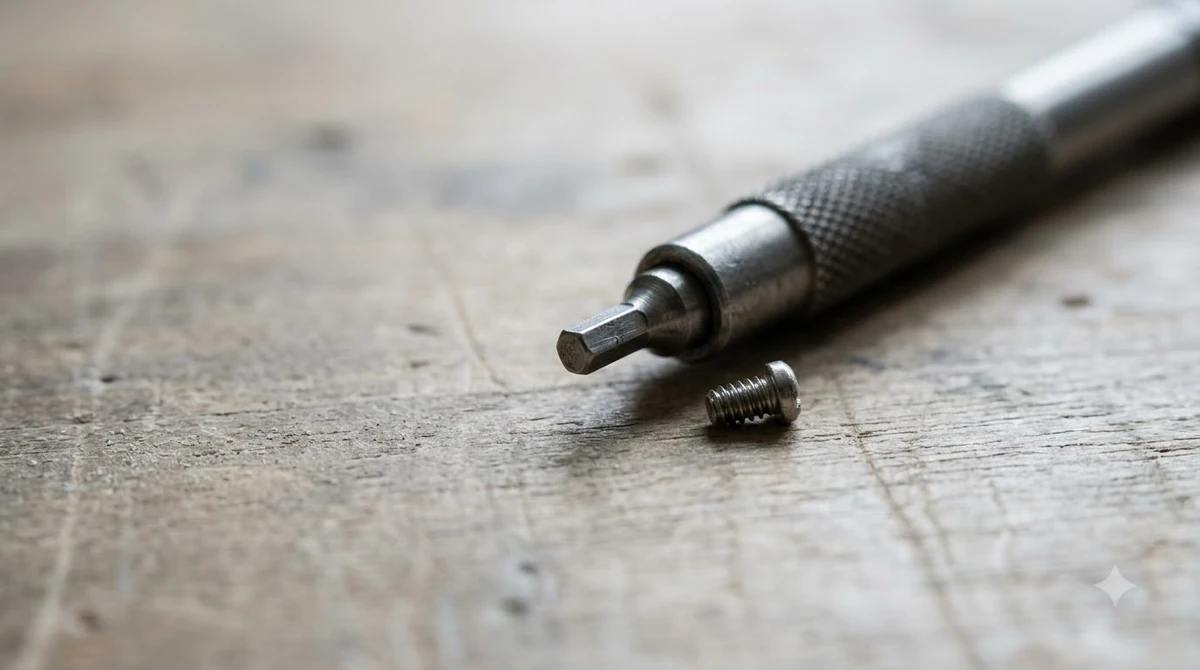
A sharp blade slices a grass blade in one clean pass. A dull blade does not. University of Illinois Extension describes the problem plainly: dull blades bludgeon, rip, and tear grass, leaving ragged wounds that are harder for the lawn to heal. A lawn cut with a dull blade also takes more energy to recover. Clumps often depend on how short the lawn is cut, so mowing height guidance for robot mowers is a sensible first stop. A dull blade is the first thing to check, and changing a Worx Landroid blade shows the steps for one brand. Replacement options for another brand are listed in Ecovacs GOAT replacement blades, which is useful when comparing blade types.
Robot mowers cut often, so their blades wear faster than most homeowners expect. Remove each blade and look for nicks, bends, or a rounded edge. A blade that looks fine on the surface can still be dull on its cutting edge, and a bent blade throws the whole balance off. If one blade is worn, replace the full set so the cutting action stays even.
A simple test is to look at the tips of the grass after a mow. Clean cuts look smooth and pale at the tip. Torn cuts look frayed, split, or brown. If the tips are frayed on every pass, the blades are the first thing to check, and the rest of this guide can wait.
Wet grass and damp clippings clump up
Mowing wet grass is the second common cause. Ecovacs, a robot mower maker, notes that cutting wet grass is technically possible but usually not recommended. Wet blades of grass are soft and bend away from the cutting edge, so the tips fray instead of being cut. The mower then has to pass over the same area more than once, which leaves uneven patches and small piles of clumped clippings behind. Damp clippings are easier to manage once you understand how robot mowers mulch clippings and why they need fairly dry grass.
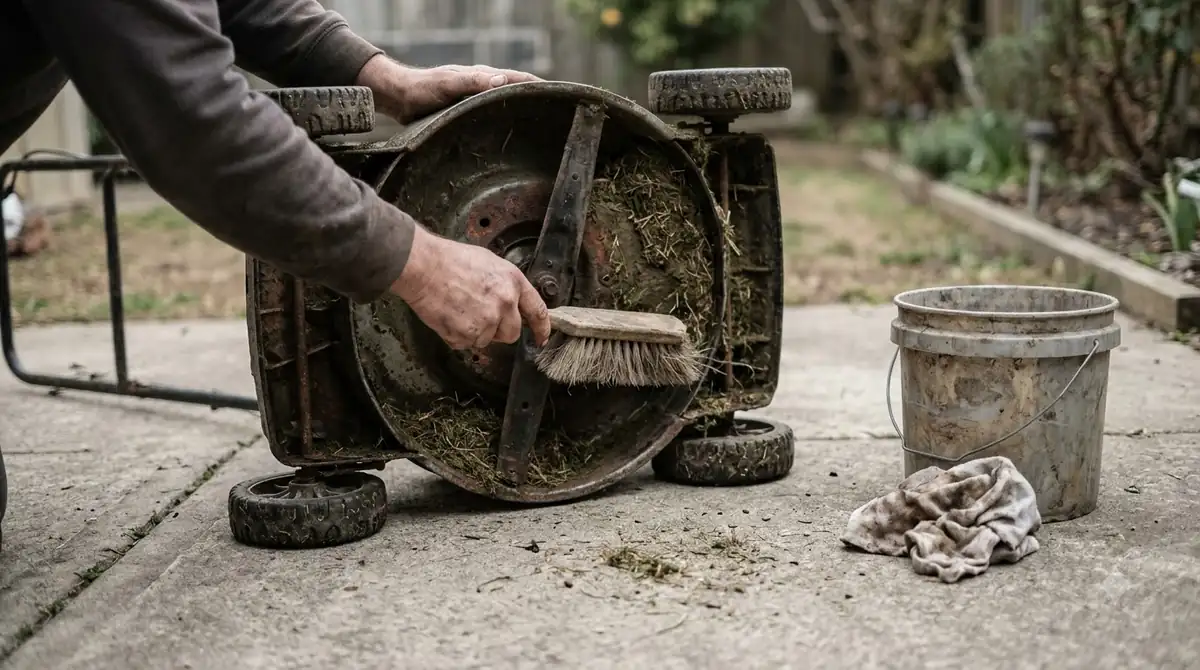
Wet clippings also cling to the underside of the deck. Ecovacs says they can slow blade rotation and put extra strain on the motor, and that stopping to clear the buildup makes each session take longer. Moisture left on metal parts can also rust them and speed up blade dulling, so the deck needs a wipe-down after wet mowing.
Heads up
If the lawn is wet from rain or dew, wait for it to dry before the mower runs. Many robot mowers have a rain sensor or a schedule setting that can do this for you, so check the app settings first.
Tall grass gets flattened, then left in clumps
When grass has grown well past the normal height, a robot mower may push it down instead of cutting it. The blades then pass over the flattened grass and miss some of it, and the uncut strands stand back up after the mower leaves. The result looks like scattered clumps across the lawn. Overgrown areas need a different approach, as how a robot mower handles long grass explains.
The fix is to mow more often so each pass removes only a small amount of leaf. Raise the cutting height for the first few sessions after a long gap, then lower it step by step. A slower speed setting can also help the blades lift and cut the taller grass properly.
Clumps left behind can harm the lawn
Clippings that stay on the surface do more than look untidy. A thick layer of clumps can smother the grass underneath, which can lead to yellow patches and give fungus a damp place to grow. Ecovacs makes the same point: clumps left behind can smother the lawn and clog the mower. Clumping is one of several uneven results, and uneven cutting results lists the other causes with fixes. Seasonal timing also affects clippings, as lawn care through the season explains for typical lawns.
After a problem week, rake up leftover clumps by hand, or use a leaf blower set on low to move them to the edge of the yard. Doing this once after a fix shows whether the clumping is gone or still happening.
What to check before you buy or change anything
Most clumping problems do not need a new mower. Work through the checklist in order and see which step changes the cut. Missed strips are a related complaint, covered in uncut strips and how to fix them with a short checklist.
- Blades. Check for nicks, bends, and dull edges, then replace the full set if any are worn.
- Deck. Clean the underside of the deck after each wet session so clippings do not build up.
- Grass condition. Mow dry grass when possible, and avoid long gaps between sessions.
- Height and speed. Set the cutting height for the current growth, and use a slower speed for thick or tall grass.
- Cleanup. Remove any clumps that remain, so they do not smother the grass.
If the problem continues after these steps, the next question is whether the lawn is cut evenly at all. Our reading is that the blades and the deck are the two things most owners can check on their own, and they usually explain the clumps.
Frequently asked questions
Why does my robot mower leave clumps of grass in one spot?
A single area with clumps often points to a local problem, such as wet grass in a shady spot, tall growth that was missed on an earlier pass, or a worn blade that cuts that area unevenly. Check the blades first, then look at how that section of lawn gets light and water.
How often should I replace robot mower blades?
There is no single schedule. Robot mowers run often, so blades can dull faster than on a push mower. Check them regularly, and replace the full set when the edges are nicked, bent, or dull. Illinois Extension stresses that sharp blades matter for lawn health but does not give a fixed schedule, so check them on a regular cycle and after any sign of ragged tips.
Is it bad to run a robot mower on wet grass?
It is usually not recommended. Wet grass bends instead of cutting cleanly, clippings stick to the deck, and moisture can rust metal parts. Waiting for the lawn to dry is the simplest way to avoid the clumping.
Do I need to rake up the clumps?
Yes, when they are thick. Clumps left on the surface can smother the grass underneath and encourage yellow patches or fungus. Remove them by hand or with a blower on low, especially after a week of clumping.
Sources
- Mower Maintenance (University of Illinois Extension): dull blades tear grass and leave ragged wounds that are harder to heal.
- Can You Cut Grass When It’s Wet Without Damaging Your Lawn? (Ecovacs): wet cutting is usually not suggested, and wet clippings can clog the deck and slow the blades.
 Up next7 min readLearnWhy Does My Robot Mower Leave Stripes in the Lawn?Updated Nov 13, 2026
 6 min readLearnWhy Does My Robot Mower Leave Tire Marks on the Dock Area?Updated Nov 13, 2026
 8 min readLearnWhy Does My Robot Mower Leave Unmowed Circles Around Trees?Updated Nov 19, 2026
 7 min readLearnWhy Does My Robot Mower Wheels Slip on Grass?Updated Nov 13, 2026
 8 min readLearnWhy Does My Robot Mower App Say Offline?Updated Nov 13, 2026
 7 min readLearnWhy Does My Robot Mower Take So Long to Finish?Updated Nov 13, 2026