
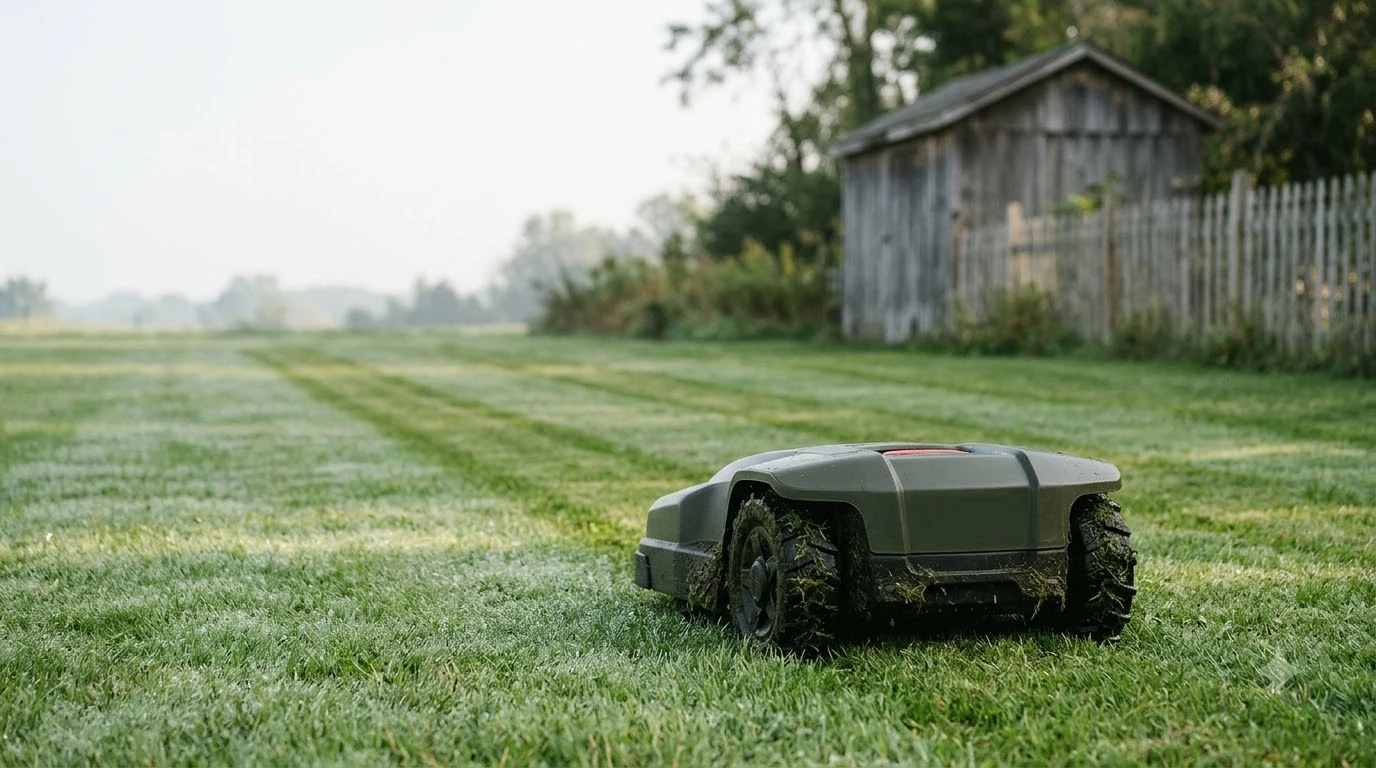

Navimow vs Dreame comes down to two ways of knowing where a mower is on the lawn. Segway Navimow models combine RTK satellite positioning with a camera, while the Dreame A3 line relies on 3D LiDAR. The published specs also differ on slope rating, cutting width and runtime, and listing sites do not agree on several figures, so the comparison below sticks to what each source states.
The short answer
- Navigation: Navimow uses network RTK plus a vision camera. Dreame uses LiDAR and an AI camera, with no RTK antenna needed.
- Slope: Dreame’s A3 listing states 80% (about 38.7 degrees). A comparison listing gives Navimow’s i210 AWD and X430 as 45% (about 24 degrees), but Navimow’s own spec page shows 84% for the X420 and X450 and no figure for the X430. The sources conflict, so compare carefully.
- Cutting width: Navimow X430 is listed at 17 inches (one source says 16). Dreame A3 AWD Pro 3500 is listed at 15.8 inches, and one source gives 12 inches for the A3 AWD Pro.
- Wire and warranty: Both families are listed as wire-free with a 3-year warranty.
- Not settled: No independent test data was found for either family, and runtime figures conflict between sources.
What the two brands are actually comparing
A Navimow vs Dreame comparison is not one comparison. Navimow sells several lines, including the i210 AWD and the X430. Dreame sells the A3 AWD 1000, the A3 AWD Pro 3500 and other sizes. Specs change a lot between these variants, so a single line such as “Dreame is better on slopes” does not hold across the whole range.
The model names also vary between sites. One comparison page lists the Dreame A3 AWD 1000 as the rival to the Navimow i210 AWD. Another pairs the A3 AWD Pro 3500 with the X430. Before you decide, match the exact model number on the manufacturer’s page to the one you are reading about.
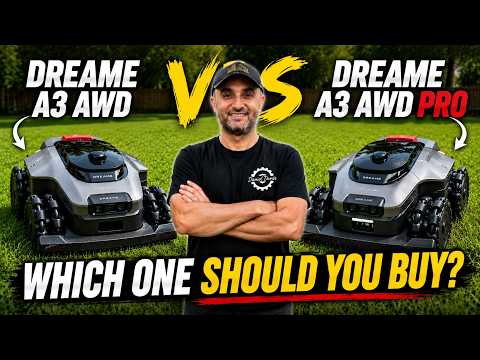
Navimow vs Dreame navigation: RTK with vision versus 3D LiDAR
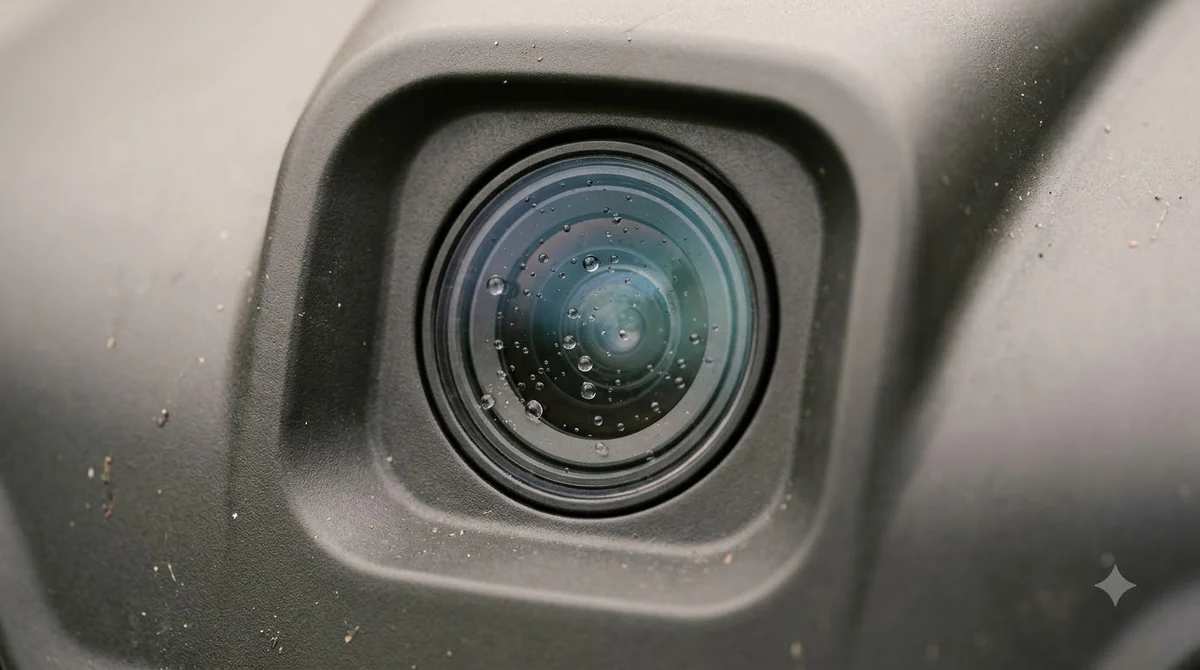
This is the biggest design difference. Navimow’s i210 AWD is listed with network RTK fused with a 140-degree VisionFence camera. The X430 is listed with RTK positioning and AI vision for obstacle avoidance. RTK positioning needs a clear view of the sky to stay accurate, so the usual concern is trees, tall walls or a garage that blocks satellite signals. Vision helps with obstacles but does not replace positioning. Our roundup of RTK and vision robot lawn mowers covers that design in more depth.
Dreame’s A3 line is listed with 360-degree 3D LiDAR plus an AI camera. LiDAR measures distance with lasers rather than satellites, so it is not affected by a shaded yard in the same way (our reading; see RTK versus LiDAR and the best LiDAR robot lawn mowers). Neither source tested how each system behaves under a dense canopy, so the difference should be treated as a design trade-off rather than a verified result in your yard.
Spec comparison at a glance
The Navimow vs Dreame table lists only values that a source states, and it flags conflicts. “Not listed” means the source did not give that figure.
| Spec | Navimow i210 AWD | Navimow X430 | Dreame A3 AWD 1000 | Dreame A3 AWD Pro 3500 |
|---|---|---|---|---|
| Navigation | Network RTK plus vision camera | RTK plus AI vision | 3D LiDAR plus AI camera | LiDAR plus AI vision |
| Max slope | 45% (per listing) | Conflicting: 45% on one listing, no figure on Navimow’s own page | 80% (not given in degrees) | 80% (38.7 degrees) on one listing for the A3 AWD Pro |
| Cutting width | 7.1 in (18 cm) | 17 in (43.2 cm) | 7.9 in (20.1 cm) | 15.8 in (40.1 cm) |
| Cutting height | 2 to 3.6 in | 0.75 to 4 in | 1.2 to 3.9 in | 1.2 to 3.9 in |
| Runtime per charge | About 120 min | Up to 240 min (one listing; not confirmed) | Not listed | Up to 240 min on one listing for the A3 AWD Pro (not confirmed) |
| Perimeter wire | Not required | Not required | Not required | Not required |
| Warranty | 3 years | 3 years | 3 years | 3 years |
Two rows need extra care. The Dreame A3 AWD Pro is listed at 15.8 inches on one comparison page and at 12 inches on another, so the cutting width of that model is not settled. Runtime for the X430 is a similar case: one listing gives up to 240 minutes, and no second source was found to confirm it. Check the manufacturer’s current sheet before relying on either figure.
Slope ratings and why the navimow vs dreame numbers do not line up
On paper, Dreame’s 80% rating is higher than the 45% a comparison listing gives for the Navimow i210 AWD and X430. But percent and degrees measure the same slope differently. A 45% grade is about 24 degrees, and an 80% grade is about 38.7 degrees. Slope figures are not consistent across sources: Navimow’s own spec page lists 45% (24 degrees) for the i205 and i208 AWD, 55% (29 degrees) for the i210 LiDAR Pro, and 84% (40 degrees) for the X420 and X450. It shows no figure for the X430 and no model called i210 AWD. See our guide to how to choose a robot mower for slopes for what to measure.
For a sloped yard, check the manufacturer’s slope figure for your exact model and the unit it uses. Our reading is that a steep yard should be measured with an inclinometer or a phone app before comparing these numbers.
Heads up
The 80% Dreame figure and the 45% Navimow figure come from comparison pages, not from the brands’ own sheets, and the sources disagree on the X430. Treat the gap as unconfirmed until you check each brand’s current page.
Cutting width, cutting height and lawn size
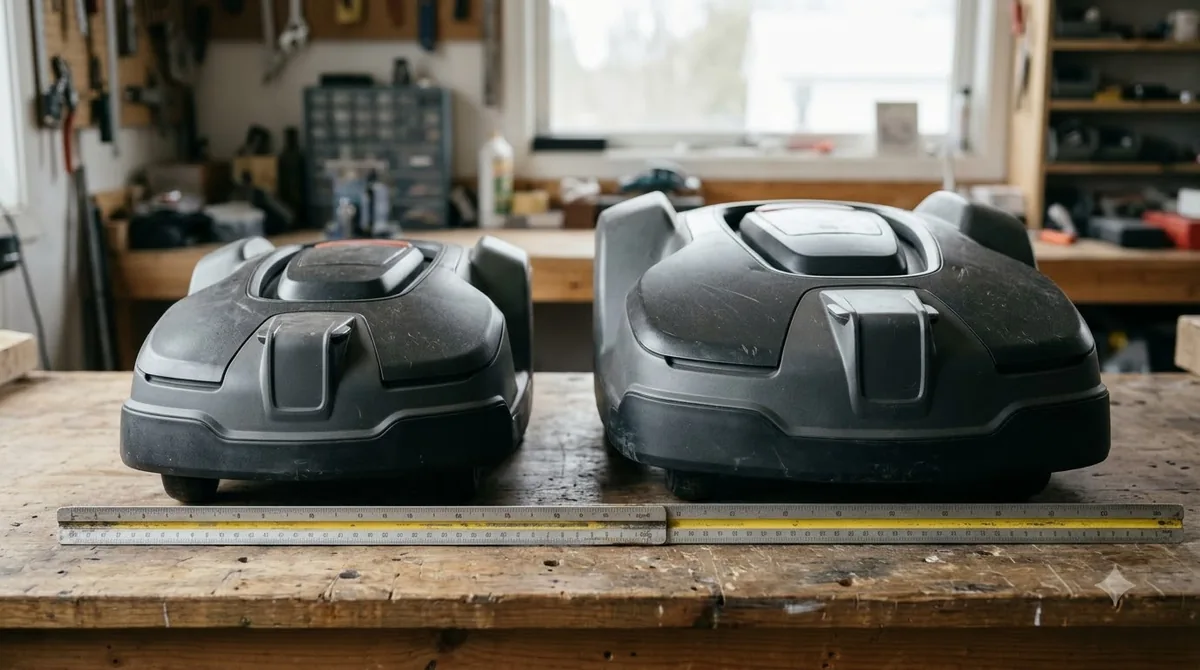
Cutting width sets how many passes a yard needs. A 17-inch deck (Navimow X430) covers more ground per pass than a 7.1-inch or 7.9-inch deck (i210 AWD and A3 AWD 1000). Dreame’s A3 AWD Pro is listed at 15.8 inches on one page and 12 inches on another, so its cutting width is not settled.
Lawn size is also listed differently. The X430 is described as suitable for about one acre by one source. The A3 AWD Pro is described as suitable for about half an acre by another. The pages read for this article did not give a rated coverage for the A3 AWD 1000. Our reading is that these ratings should be treated as recommended lawn sizes, not as guaranteed coverage. Measure your lawn before you narrow the list.
Runtime and charging
The i210 AWD is listed at about 120 minutes per charge, with about 120 minutes to recharge. The X430 and the A3 AWD Pro are each listed at up to 240 minutes on one comparison page, but no second source was found to confirm either figure. The A3 AWD 1000 page does not give a runtime, and it lists a charge time of about 65 minutes.
Our reading is that a listed runtime may not match a real lawn, since thick grass, slopes or many obstacles can shorten a charge. Plan your charging area and schedule with a margin, and see how robot mower docking works in daily use.
Warranty, weight and boundary wire
Both families are listed as wire-free, which means neither needs a buried perimeter wire. Our reading is that the charging station still has to sit where the mower’s positioning works, so check the placement advice in the manufacturer’s manual. Both brands are listed with a 3-year warranty in every listing read for this article.
Weight is listed for the i210 AWD (12.3 kg) and the A3 AWD 1000 (16.1 kg). The difference is small, but it matters when you need to lift the mower out of a bed or over an edge. Weigh that against where the mower will need to go.
Navimow vs Dreame: who each option suits (our reading)
Based on the listed figures, the Navimow line fits a yard with a clear view of the sky, a need for a wider cut and a preference for RTK positioning. The X430’s 17-inch deck makes it a natural fit for a lawn near one acre if the satellite view is open.
The Dreame A3 line may suit a yard with trees or other spots where satellite signals are weak, since its listed navigation does not depend on satellites. The A3 AWD 1000’s narrow 7.9-inch deck means more passes on the same lawn. The A3 AWD Pro suits a mid-sized lawn if the cutting width is confirmed for your version.
Neither family has independent test data in these sources, so this navimow vs dreame section is a reading of specs and design, not a ranking.
What to check before you buy: Navimow vs Dreame
- Model number. Match the exact model on the manufacturer’s site, because listings use different names for the same family.
- Slope unit. Confirm whether the figure is in percent or degrees, and whether it is a grip rating or a safe-operation rating.
- Sky view. Check where satellites can reach your yard. Trees and tall walls matter for RTK units.
- Cutting width. Divide your lawn area by the deck width to estimate the number of passes.
- Runtime. Use the manufacturer’s figure for your model and plan with a margin.
- Warranty terms. Confirm the 3-year term and what it covers, such as the battery.
Frequently asked questions
Is Navimow better than Dreame?
In a Navimow vs Dreame match-up, the sources do not show one brand as better across the board. Navimow lists RTK positioning and wider cutting decks, while Dreame lists LiDAR and a higher slope figure. The right choice depends on sky view, lawn size and slope.
Do Navimow or Dreame robot mowers need a boundary wire?
The listings for the models compared here state that no perimeter wire is required. Positioning comes from RTK or LiDAR, not from a buried wire.
Which one handles trees better?
No independent test data was found for either family under a dense canopy. RTK depends on sky view, and LiDAR is not affected by satellite blockage. Test your own yard before relying on either.
Why do the slope numbers disagree?
The sources use different units (percent and degrees) and different models. A 45% grade is about 24 degrees, and an 80% grade is about 38.7 degrees. Check the manufacturer’s sheet for the exact model.
Sources
- Smart Home Compared: Dreame A3 AWD 1000 vs Navimow i210 AWD (comparison site): cutting width, cutting height, slope, navigation, weight and warranty for both models.
- Smart Home Compared: Dreame A3 AWD Pro 3500 vs Navimow X430 (comparison site): cutting width, navigation, perimeter wire and warranty.
- Navimow i-series and X-series specs (Segway Navimow, read 2026-11-12): slope figures for the i205/i208 AWD, i210 LiDAR Pro, X420 and X450, and the absence of an X430 slope figure.
- Mow Autonomous: Dreame A3 vs Navimow X430 (comparison site): recommended lawn size, slope, runtime and navigation, with opinion claims noted as opinion.
 Up next9 min readReviews & CompareEcovacs vs Dreame Robot Mower: LiDAR Specs ComparedUpdated Nov 12, 2026
 8 min readReviews & CompareMammotion LUBA 3 AWD 1500H vs Segway Navimow i215 LiDAR: Specs ComparedUpdated Nov 12, 2026
 11 min readReviews & CompareEcovacs GOAT O1000 LiDAR PRO vs Navimow i110N: Specs ComparedUpdated Nov 16, 2026
 9 min readReviews & CompareDreame A3 AWD Pro vs Navimow X430: Specs ComparedUpdated Nov 12, 2026
 9 min readReviews & CompareNavimow i210 vs Dreame A3: Yard Size, Navigation and Slope ComparedUpdated Nov 12, 2026
 6 min readReviews & CompareIs the Dreame A1 Pro Worth It? Budget LiDAR Mower CheckUpdated Nov 17, 2026