
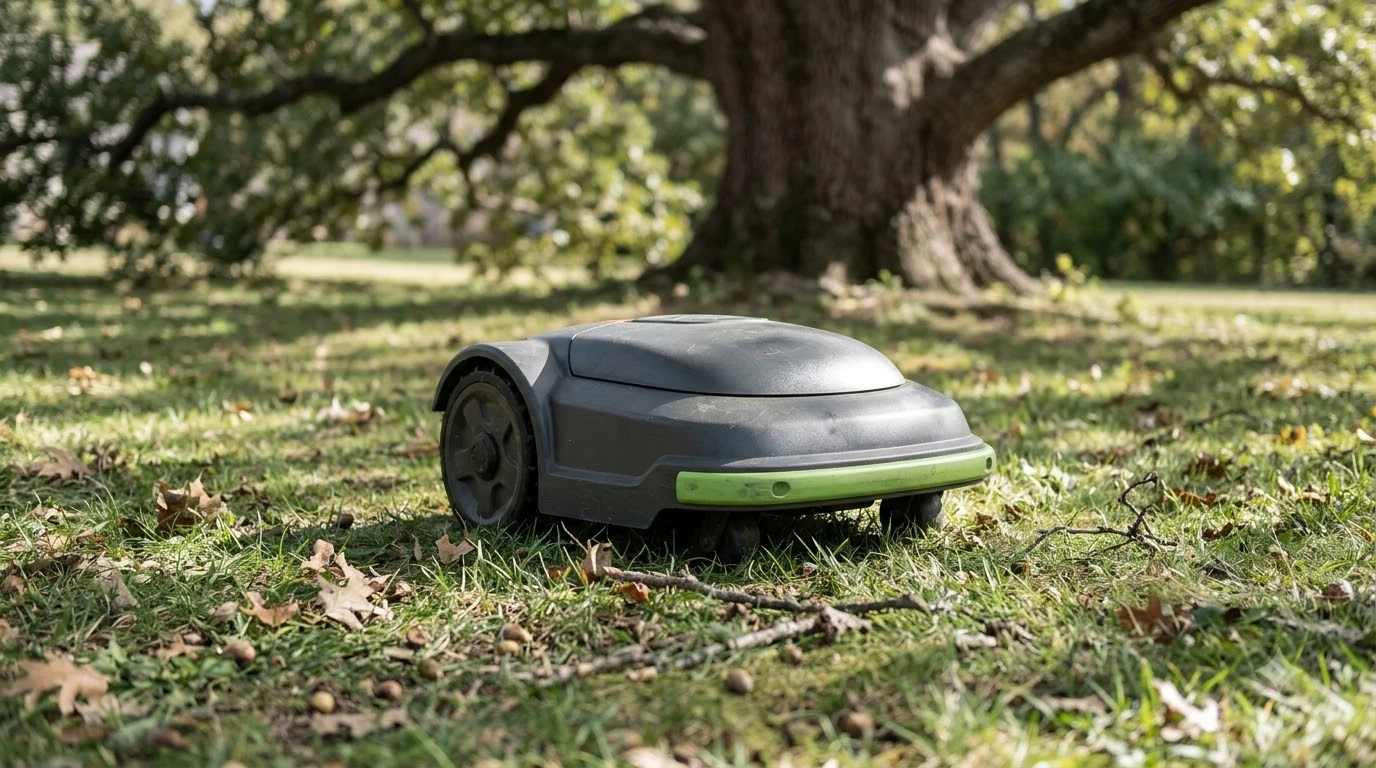

A robot mower vs no-mow lawn alternatives choice is less about which tool wins and more about how much grass you actually need. Extension sources agree that “no-mow” is often an overstatement: most lawn alternatives still need some cutting, and a few need none. A robot mower suits a lawn you want kept neat, while a low-maintenance planting suits a yard where less cutting is the goal.
The short answer
- Robot mower: keeps a traditional lawn neat with frequent short cuts, on your schedule.
- Low-maintenance grass: fine fescues can be left unmown or cut only a few times a year, but they tolerate little foot traffic.
- Groundcovers and beds: need little cutting, but most cannot handle repeated mowing or heavy wear.
- Stopping mowing entirely: not recommended by Iowa State Extension, and some towns enforce height limits.
- Mulch, gravel, and patios: remove mowing completely, but they change how the yard looks and works.
Why “no-mow” usually means “mow less”
Extension guidance on lawn alternatives is consistent on one point: few plantings need no cutting at all. Iowa State Extension says stopping mowing entirely is not recommended, because unmowed lawns can be overtaken by woody and weedy plants. It suggests mowing every 10 to 14 days instead of every week, and setting the mower high, around 3.5 to 4 inches. Whatever you replace, cost comparison with gas mowing is a sensible baseline for the decision. Indoor automation is often cited as a model, and how robot vacuum technology carries over to lawns explains the limits.
Fine fescues are the most often cited low-maintenance grass. The sources describe them as suited to low-traffic and shady sites, and UConn notes they can be left unmown or mown at 2 to 4 inches. Iowa State adds that most fine fescue plantings benefit from being mowed at least once or twice a year.
Heads up
Some towns set maximum grass heights. Iowa State warns that you may need at least limited mowing to meet local rules, so check your municipality before letting a lawn grow.
Robot mower vs no-mow lawn alternatives on the same yard
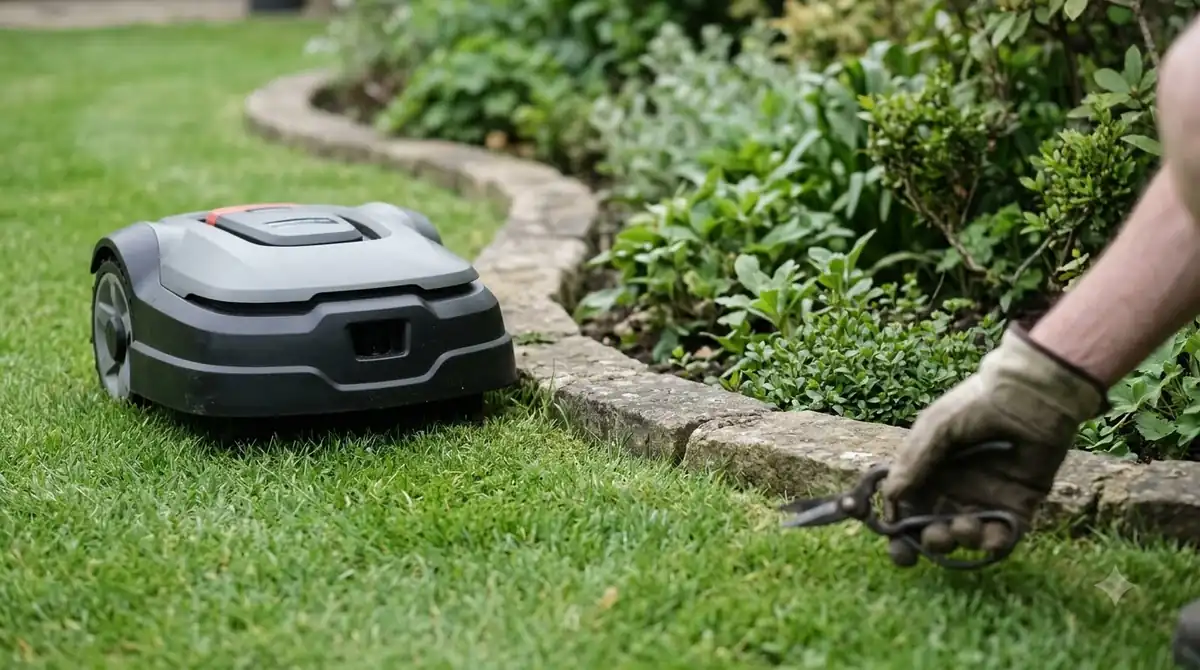
A robot mower and a low-maintenance planting are not always rivals. A robot mower can keep a fine fescue or mixed lawn at a steady height, so you get the look of a lawn with less effort. It also fits a meadow edge or pollinator strip that needs a regular trim, since the mower can work around a border. If the goal is just less noise and effort, a reel mower for small lawns may be enough.
Our reading is that a robot mower matches a traditional or mixed lawn best. A groundcover or prairie planting usually needs little cutting, so a robot mower adds little value there and may struggle with the edges, tall clumps, or uneven ground around plantings.
Clover, sedges, and other grass alternatives
Several alternatives reduce the need to mow, but each has trade-offs. The table below summarizes the options covered by the two extension sources.
| Option | Mowing need | Main limit |
|---|---|---|
| Fine fescues | Unmown, or 2 to 4 inches a few times a year | Low tolerance for foot traffic |
| Pennsylvania sedge | Unmown, or 2 to 3 mowings a year at about 2 inches | Best grown from plugs, suits heavy shade |
| White clover | Little mowing; no fertilizer | Goes dormant in cold months; flowers attract bees |
| Common bugle | Tolerates mowing | Not tolerant of foot traffic; can be invasive |
| Groundcovers (general) | Little or none | Most cannot handle repeated mowing or wear |
White clover is a useful example of the trade-off. It needs little water, mowing, or fertilizer, and it fixes nitrogen, but it is not as wear tolerant as cool-season turfgrass. Its flowers attract bees, which UConn notes makes it a poor fit for play areas where bees are a concern.
Traffic, shade, and drought decide the choice
The main factors are how much people walk on the grass and how much light reaches it. Shade-tolerant sedges and some fescues suit the dark corners of a yard, while sun-loving groundcovers suit open beds. Drought is a separate question: Iowa State notes that taller grass builds a larger, more drought-tolerant root system, which favors a higher mowing height rather than none at all.
- Play and entertaining areas: keep a traditional or mixed lawn that tolerates traffic, and mow it on a regular schedule.
- Shady corners: consider sedges or moss, which suit low light and need less cutting.
- Hot, dry spots: gravel, patios, or drought-tolerant groundcover need little or no mowing.
- Pollinator areas: a mown-every-two-weeks strip can help bees while keeping the yard tidy.
Mulch, gravel, and hardscape: zero mowing
Mulch, gravel, and patios remove mowing completely. Iowa State suggests mulch for shady, dry areas and high-traffic zones, applied two to four inches thick and refreshed every few years. Gravel and patios suit high-traffic or hot, dry spots, but they need weed control and do not support most pollinators. Hardscape and turf both remove mowing, and synthetic turf compared with a robot looks at upkeep and heat.
These options are the closest to a true “no-mow” yard, though they change the look and feel of the space. If you want a greener yard but less work, a mix may suit better than a single choice.
Who should keep a robot mower
A robot mower is the better fit when you want a traditional lawn look, a level and reasonably simple yard, and a schedule that keeps the grass short without weekly effort. It is also the easier option when you use the lawn for play or entertaining. Keeping a lawn means choosing a mower, and electric mowers versus robot mowing narrows the options.
Before buying, check the mower’s height range against your planned grass height, the boundary setup, and whether the yard has beds or edges that need careful navigation.
Who should choose a no-mow alternative
A low-maintenance planting suits someone who wants less cutting, can accept a less uniform look, and does not need heavy foot traffic. Extension sources also point out that alternatives take time to establish, often with irrigation for the first season or two, so plan for that before expecting lower work.
Related reads: Owners who want a hands-on tool can read self-propelled mowers for seniors for a low-effort option.
Frequently asked questions
Can a lawn really be no-mow?
Not really, according to Iowa State Extension. Stopping mowing entirely is not recommended because unmowed lawns can be overtaken by woody and weedy plants. Most alternatives still need some cutting, usually a few times a year, and some towns require limited mowing.
How often should fine fescue be mowed?
UConn says fine fescues can be left unmown or mown at 2 to 4 inches. Iowa State notes most plantings benefit from mowing at least once or twice a year. The right schedule depends on the look you want and local height rules.
Is clover a good lawn alternative?
It can be, since clover needs little water, mowing, or fertilizer. It is not as wear tolerant as cool-season turf, goes dormant in winter, and its flowers attract bees, so it is a poor fit for play areas where bees are a concern.
Should I stop mowing to save time?
Iowa State Extension does not recommend stopping entirely. A gentler option is extending the time between mowings, for example every 10 to 14 days instead of weekly, and setting the mower higher to support root growth and shade out weeds.
Sources
- Lawn Alternatives to Turfgrass (Iowa State University Extension): stopping mowing, mowing intervals, fine fescue, mulch and gravel.
- Alternative Lawn Options for New England Landscapes (University of Connecticut IPM): fine fescue, sedges, white clover, groundcover maintenance.
 Up next7 min readReviews & CompareRobot Mower Subscription vs No Subscription: Which Brands ChargeUpdated Nov 14, 2026
 8 min readReviews & CompareHusqvarna Automower Alternatives: Navimow, Mammotion and ECOVACS GOAT ComparedUpdated Nov 16, 2026
 8 min readReviews & CompareSunseeker X7 Alternatives: Robot Mowers to CompareUpdated Nov 16, 2026
 8 min readReviews & Compareeufy E18 Alternatives: Compare the Listed SpecsUpdated Nov 16, 2026
 7 min readReviews & CompareAnthbot Genie Alternatives: What the Specs ShowUpdated Nov 15, 2026
 7 min readReviews & CompareEufy E15 Alternatives: How the Main Options Compare on SpecsUpdated Nov 12, 2026