
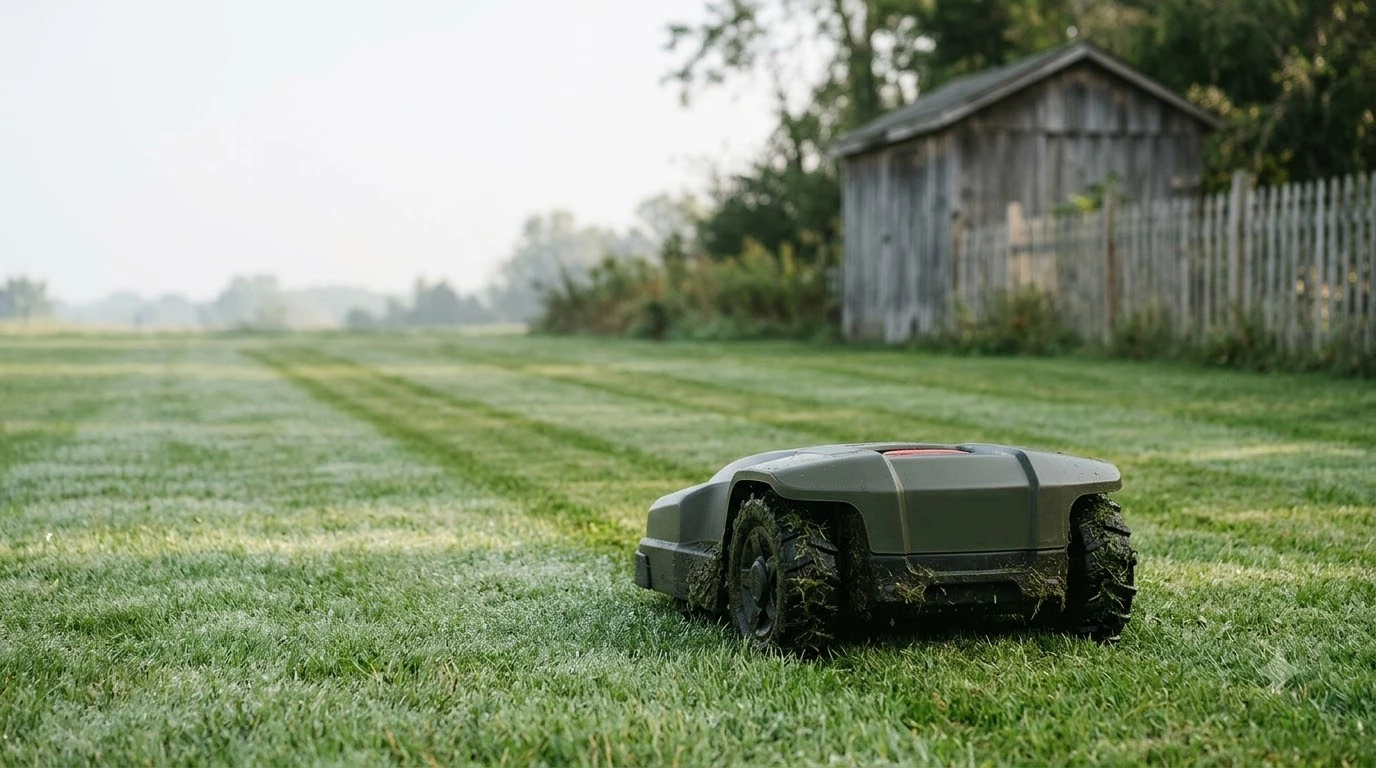

Robot mower vs artificial turf is less a contest than a choice of which problem you want to solve. The two solve the same problem from opposite ends. A robot mower keeps real grass at a set height without you pushing anything. Artificial turf removes the need to cut anything at all. For most yards, the choice comes down to heat, upkeep, and what you want the surface to do, not which option is “better” in general.
The short answer
- Choose a robot mower if you want a living lawn that stays green, cools the ground, and supports soil life, and you can accept a few hours a month of checking and seasonal care.
- Choose artificial turf if the area is shady, unusable for grass, or you want zero watering and mowing, and you can accept a hotter surface in direct sun.
- Heat matters most. Synthetic surfaces run noticeably hotter than natural grass in direct sun, so think about where kids and pets play.
- Turf does not need a mower. A robot mower cannot maintain artificial turf, so do not buy one for a turf area.
Robot mower vs artificial turf: what each one replaces
A robot mower is a battery-powered machine that cuts grass on a schedule, returns to a charging dock, and works inside a boundary you set with a wire, GPS, or camera system. The overview of robotic lawn mowers on Wikipedia describes the same basic setup: the machine handles the cutting, but the lawn still has to be grass that grows and needs regular trimming.
Artificial turf is a fixed surface of synthetic fibers over a base, usually with infill. Nothing grows on it, so there is nothing to cut. That is the entire trade. You give up the living lawn and get a surface that looks green all year without water, fertilizer, or mowing.
Because the two are not competing for the same job on the same ground, the comparison works best when you ask what you want the yard to do.
Heat and comfort on each surface
Heat is the main difference people notice in real use. A 2024 review of studies in the International Journal of Biometeorology (Singh et al.) reports that surface temperatures on synthetic grass were consistently higher than on natural grass, by “9.4°C to 33.7°C in direct sunlight.” The air just above the surface was also warmer, but by a smaller margin of 0.5°C to 1.2°C. The review adds that it is still unclear whether these gaps raise the heat-stress risk for a person playing on the surface. The ACT Global summary of that review lays out the same findings.
Real grass cools the surface through evaporation, so a well-kept lawn stays noticeably cooler on a hot afternoon. That is one reason a living lawn is easier on bare feet and pets in summer. The review does not say how large the difference is for a backyard in your climate, so measure with a simple thermometer on a sunny day if this matters to you.
Heads up
Turf in full sun is the hardest case. Shade, a lighter infill, or a tree line reduces the gap, but it does not close it. If the main use is a play area on a hot afternoon, test the surface before you commit.
Upkeep: what you actually do each month
The real cost of a lawn is time. A robot mower takes most of the mowing off your hands, but it still needs a few regular jobs. Expect to check the blades, clear the dock path, watch for bare patches, and keep an eye on edges and weeds. Watering and feeding are separate and depend on your climate. If a living surface is preferred, turning a lawn into a meadow reduces mowing without synthetic material. Recurring plans are another way to handle a lawn, as lawn care subscriptions for grass explains.
Artificial turf takes away mowing and watering, but it does not take away cleaning. Leaves, pet waste, and debris sit on top of the fibers and need to be raked or rinsed. Infill can compact or shift and may need topping up over the years. Plan on brushing the surface a few times a year to keep the fibers upright.
Our reading is simple: a robot mower cuts your time spent mowing to almost nothing, while turf cuts your time spent on the lawn to a few cleaning sessions a year.
Cost and lifespan
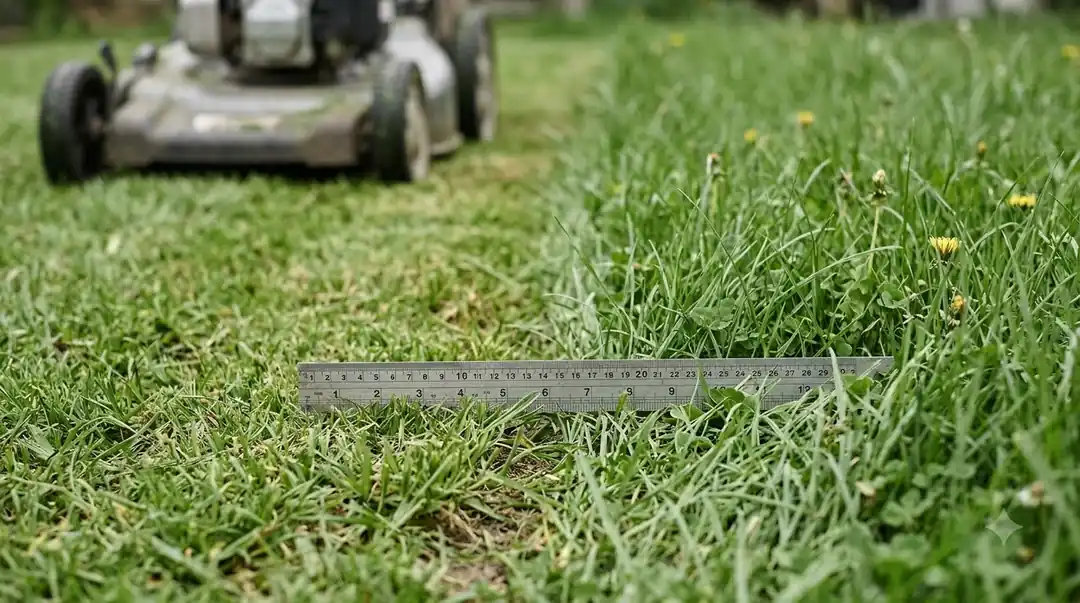
Turf has a higher upfront cost than seed or sod, and that cost depends on the quality of the fiber, the infill, and the installation. A robot mower is a separate purchase, and its battery is the part most likely to need replacing. Neither figure is fixed, and prices change often, so compare quotes from local installers and current retailers rather than relying on a single number. Maintenance of turf or grass can be outsourced, and what a landscaping contract costs shows the alternative.
Turf is usually described as lasting many years before the fibers wear thin or the backing degrades. A lawn lasts as long as you keep it healthy. A robot mower’s useful life depends on its battery, the terrain, and how often it runs. Check the warranty terms for both before you decide.
Where each option fits
Turf makes the most sense where grass will not grow: deep shade under a large tree, a narrow side passage, a pet run that gets constant wear, or a rooftop. A robot mower makes the most sense on open, sunny lawns with real grass that you want to keep green. In between, many yards use both, with turf for the hard-to-grow zone and a robot mower for the rest. Artificial turf is not the only way to avoid mowing, and no-mow options beyond turf covers clover and hardscape. If you settle on a robot mower rather than artificial turf, Dreame A3 AWD Pro vs LUBA 3 compares two candidates.
Keep in mind that a robot mower needs a route to its dock and a clear boundary. Do not plan one around a turf patch, because the mower will not work there. When you compare robot mower vs artificial turf for a specific yard, draw the grass and turf zones on paper first.
What to check before you buy
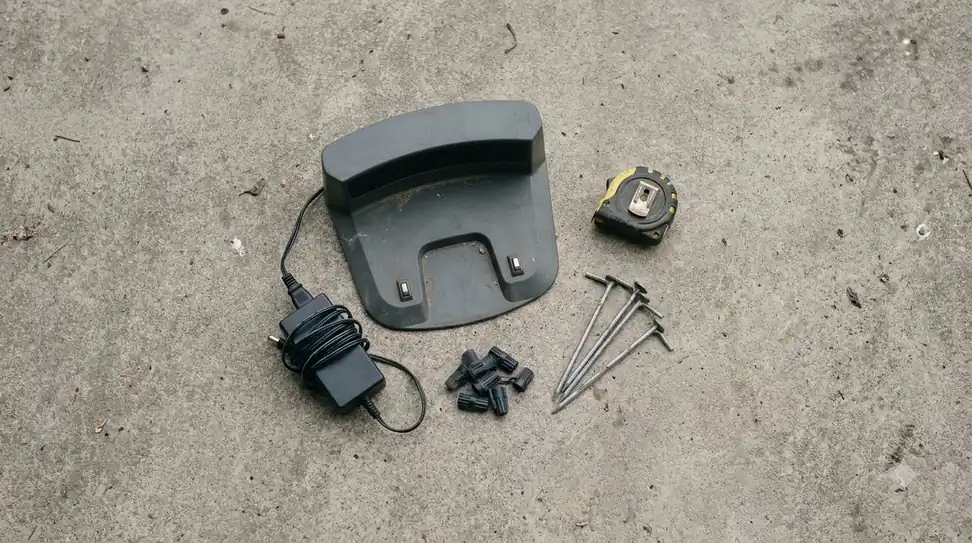
Before you choose, walk the yard at the hottest time of the day and note where the sun sits. Then decide which areas must stay usable for play or pets. Next, check how much grass actually grows in each zone. Turf is best where grass struggles. A robot mower is best where grass thrives.
Get written quotes for turf that list infill type, backing, drainage, and warranty. For a robot mower, confirm the boundary method, the dock location, and what the warranty covers for the battery.
Related reads: Beyond lawn-surface choices, owner forums are a common source of opinions, summarised in models Reddit owners favor.
Frequently asked questions
Can a robot mower cut artificial turf?
No. Artificial turf has no grass to cut, so a robot mower has nothing to do on it. Keep the mower on the real grass and keep the turf as a fixed surface.
Is artificial turf hotter than real grass?
In direct sun, yes. A 2024 review reports synthetic surfaces were consistently hotter, by 9.4°C to 33.7°C in direct sunlight. The effect is smaller in shade.
Does a robot mower save more time than turf?
It depends on what you count. A robot mower removes most of the mowing, while turf removes mowing and watering but adds regular brushing and cleaning.
Can I combine both in one yard?
Yes. Many yards use turf for a shaded or heavily used zone and keep real grass elsewhere for a robot mower to maintain. Plan the boundary so the mower does not try to enter the turf.
Sources
- ACT Global (summary): summary of Singh et al. (2024), surface temperature differences in direct sunlight.
- Robotic lawn mower (Wikipedia): how robotic mowers work, boundary methods, and app control.
 Up next6 min readReviews & CompareSingle Blade Disc vs Multi Blade Robot Mower: Cut, Upkeep and CostUpdated Nov 14, 2026
 9 min readReviews & CompareIs the Toro Turf Pro 200 Robot Mower Worth It?Updated Nov 12, 2026
 8 min readReviews & CompareToro Turf Pro 500S vs Husqvarna Automower 435X AWD: Specs ComparedUpdated Nov 12, 2026
 8 min readReviews & CompareRobot Mower vs Battery Push Mower: Cost, Time and Lawn SizeUpdated Nov 17, 2026
 7 min readReviews & CompareRobot Mower Blade Replacement Cost Per Year: Brand FiguresUpdated Nov 17, 2026
 7 min readReviews & CompareIs the Lymow One Worth It? Coverage, Slope and Blade CostsUpdated Nov 16, 2026