
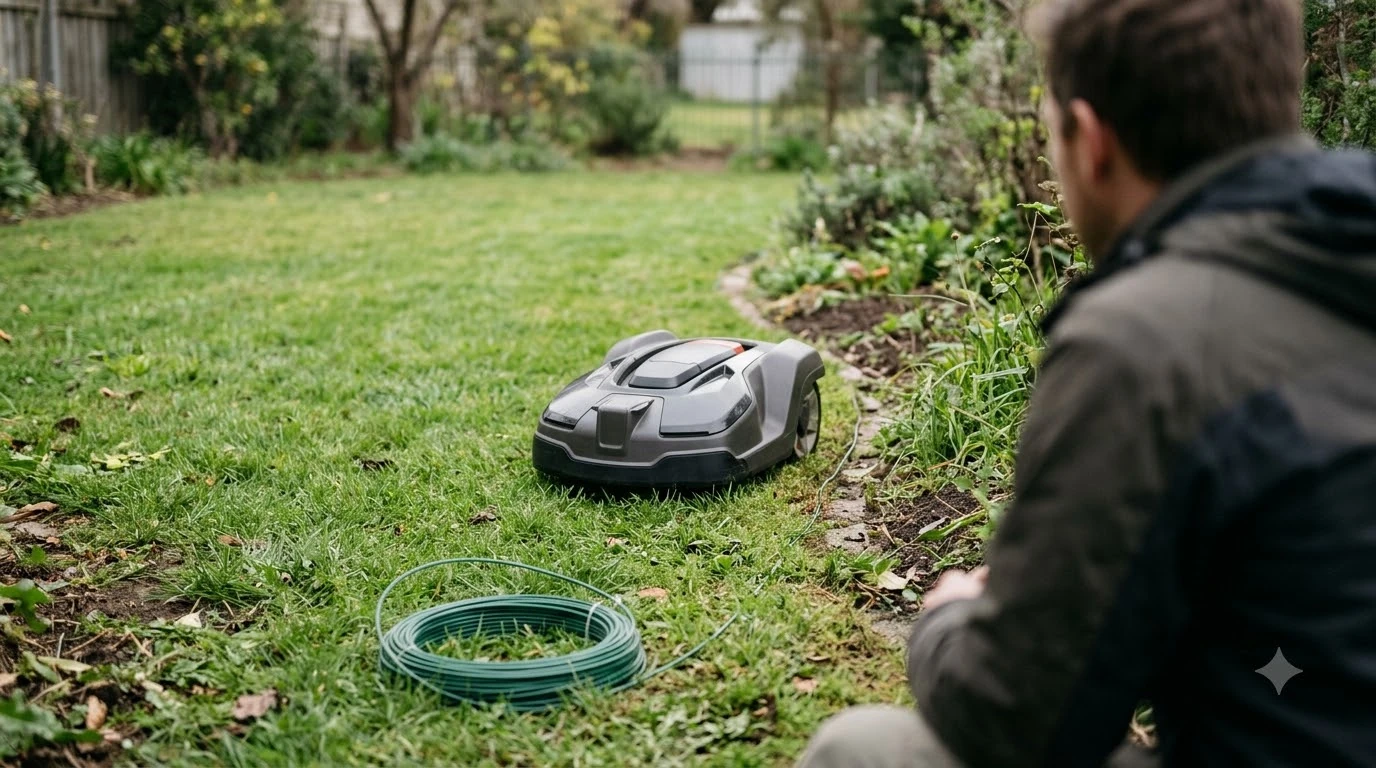

A robot mower vs landscaping company contract comparison usually favors the mower over several seasons, but only if the job is mostly mowing and you are willing to handle setup. A contract buys labor, edging, cleanup, and scheduling. A robot mower is a one-time purchase with small running costs, plus your own time for boundaries and upkeep. Which one wins depends on yard size, how often a crew would visit, and what the contract actually includes.
The short answer
- Price shape: a robot mower is a large upfront purchase. A contract is a recurring bill that repeats every season.
- Scope: a contract often covers edging, blowing, leaf removal, and trimming. A robot mower cuts grass and nothing else.
- Your time: a robot mower needs boundary setup, blade checks, and winter storage. A contract needs scheduling and a site visit or two.
- Fair comparison: add up both options over the same number of years, and include the jobs the mower will not do.
What a landscaping contract usually covers
A mowing contract is rarely just mowing. Most quotes bundle a set number of visits with edge trimming, blowing off hard surfaces, and sometimes fertilizer or weed control as separate line items. Read the quote line by line before comparing it with a robot mower, because the base mowing price can look low once the extras are added. Contract prices are easier to judge next to robot against gas mower ownership cost over several seasons.
A robot mower changes only one part of that bill. It can keep the turf short between visits, and many owners run it every few days. It will not clean up leaves, trim along fences, or clear debris from a gutter. If your current contract is mostly mowing, the comparison is simple. If it includes many extras, you will still need to pay for some of them.
How the costs compare over several seasons
Costs are easiest to judge over five years, because that is when the purchase price, blade replacement, and battery wear start to matter. The published numbers from robot mower brands show a wide range, and they are not neutral. TerraMow’s comparison, for example, uses a robot purchase price of $700 to $5,000 and a lawn service price of $3,000 to $5,000 per year, but the page also lists conflicting time figures and does not cite its sources. Treat such numbers as a starting point, not a verdict. The first season is where the numbers differ most, as year-one lawn service cost comparison shows.
The useful part of that comparison is the structure. A robot mower’s running costs are mostly electricity, blades, and an occasional battery, which are small compared with a per-visit fee. A contract has no large upfront cost, but its total keeps growing each year. The break-even point is where your total contract payments pass the mower price plus its running costs, and it moves earlier when the contract is expensive or the yard is large.
| Factor | Robot mower | Landscaping contract |
|---|---|---|
| Upfront cost | Higher, paid once | Low or none |
| Recurring cost | Electricity, blades, occasional battery | Per visit or per season, every year |
| Scope | Mowing only | Mowing plus extras, depending on the quote |
| Your time | Setup, boundary checks, blade swaps | Scheduling and approvals |
| Flexibility | Runs on your schedule | Runs on the company’s schedule |
Where a robot mower falls short of a crew
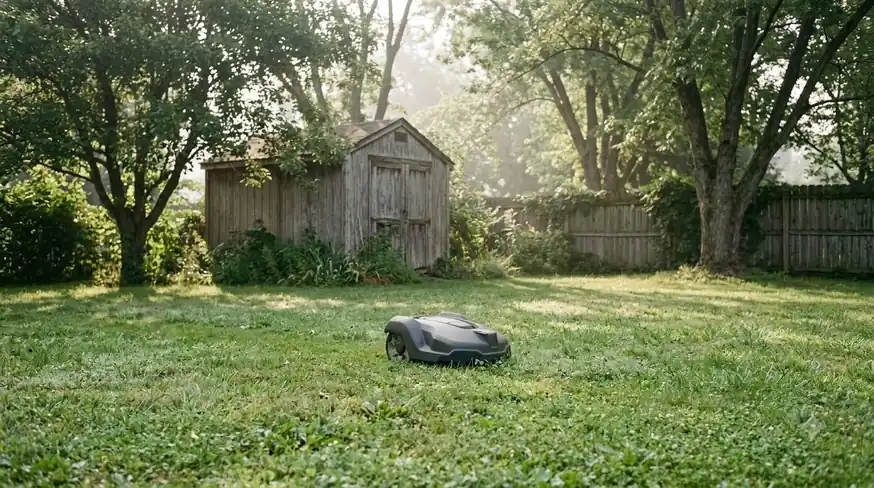
A robot mower has real limits in a contract setting. It needs a reasonably open lawn, a flat or moderate slope, and a charging dock with a clear approach. Steep banks, tight corners, and large areas of mulch or stone are better handled by people. Many yards also have trees, beds, and hoses that reduce the usable area. Dreame’s sizing guide recommends measuring only the mowable lawn, and notes that trees and garden beds can cut the usable area by 20 to 30 percent in some yards, so plan around that loss rather than the total property size. For small jobs a cheaper option can be a neighborhood teen as the cheaper option, though reliability varies.
Weather is the other factor. A robot mower can pause during rain and often runs less when the grass is wet. A crew can work in a wider range of conditions, and a contract may include a fixed schedule that you can count on. If you need a lawn that is always cut on a specific day, a contract gives you that certainty.
Questions to ask before you cancel a contract
Before you switch, check what the contract includes and what it costs to end. Some contracts require notice before cancellation, and some bundle seasonal fees that continue even if you stop using the service. Ask whether the company offers mowing only, and whether the price drops if you remove the extras. That answer often changes the comparison. A homeowner who mows personally may price owning a riding mower for five years before cancelling a contract. Once you decide on a robot mower over a crew, STIHL iMOW vs Husqvarna Automower compares two established brands.
It also helps to check the lawn itself. A robot mower works best with regular, even grass and a boundary you can map cleanly. If the yard has many obstacles, a slope near the limit of the mower, or a lot of debris, you may still need a crew for part of the year. Some owners keep a contract for seasonal cleanup while the mower handles the regular cuts.
Robot mower vs landscaping company contract: who each suits
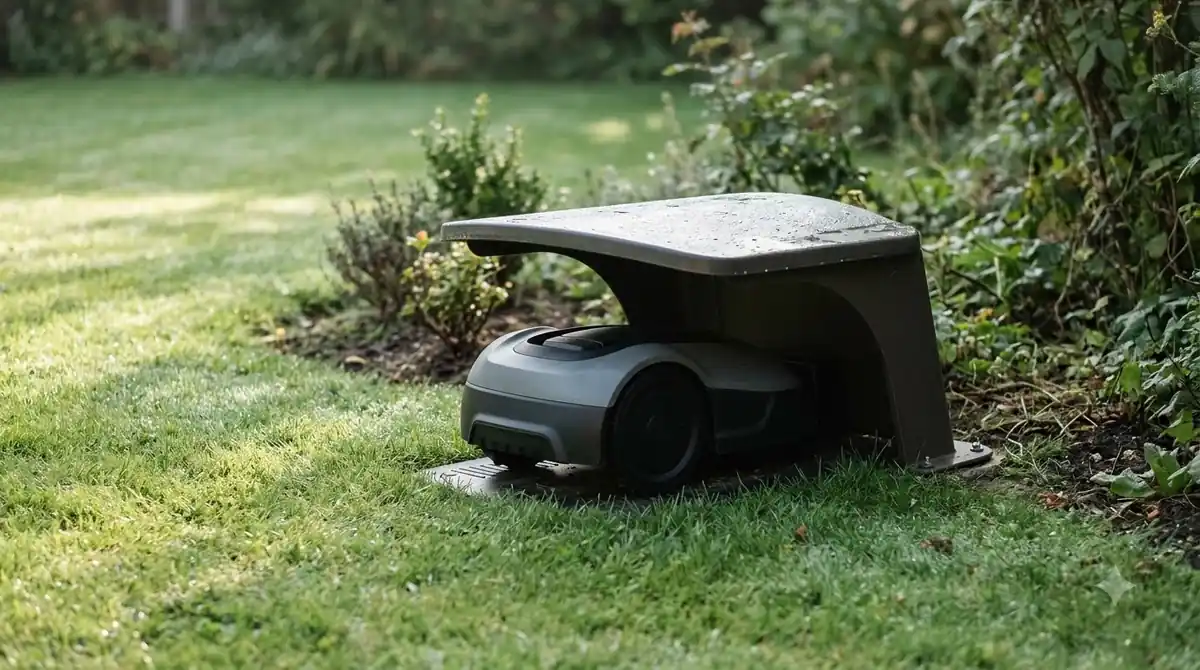
A robot mower suits a homeowner with a moderate, mostly open lawn who does not mind a one-time purchase and a few hours of setup. It also suits someone who wants the grass cut often, on their own schedule, with low running costs. A landscaping contract suits a yard with many extras, steep or complicated areas, or an owner who wants one company to handle all outdoor work. Many homeowners find that a mixed approach works best: the mower handles routine mowing, and a contract covers the jobs a mower cannot do.
Related reads: Another option for owners who want to keep mowing is self-propelled mowers for older owners.
Frequently asked questions
Is a robot mower cheaper than a lawn service?
Often over several years, if the service is mowing only and the yard is open and manageable. If the contract includes edging, cleanup, and other extras, the gap narrows. Compare both totals over the same number of years.
Does a robot mower replace edging and cleanup?
No. A robot mower cuts grass within its boundary. It does not trim edges, blow clippings, or remove leaves, so those jobs still need a tool or a service.
What ongoing costs should I expect with a robot mower?
Usually electricity, replacement blades, and an occasional battery. Some brands also charge for cellular or positioning services, so check the plan before you buy.
Can I keep a contract and still use a robot mower?
Yes. Many owners use a mower for routine cuts and keep a contract for seasonal work. Ask the company whether it will reduce the mowing visits if the mower is already keeping the grass short.
Sources
- TerraMow, “Is a Robotic Lawn Mower Worth It?” (vendor): cost and time assumptions. Its figures conflict across sections, so only the structure was used here.
- Dreame, Best Robot Mowers for Large Lawns (vendor): measuring the mowable area and the effect of trees and beds on usable coverage.
 Up next8 min readReviews & CompareWired vs Wireless Robot Mower Reliability: Which Fails LessUpdated Nov 17, 2026
 7 min readReviews & CompareRobot Mower Self Install vs Dealer Install: Costs and SetupUpdated Nov 18, 2026
 6 min readReviews & CompareRobot Mower 1 Year Cost vs Lawn Service 1 YearUpdated Nov 13, 2026
 6 min readReviews & CompareSingle Blade Disc vs Multi Blade Robot Mower: Cut, Upkeep and CostUpdated Nov 14, 2026
 8 min readReviews & CompareRobot Mower vs Battery Push Mower: Cost, Time and Lawn SizeUpdated Nov 17, 2026
 7 min readReviews & CompareRobot Mower vs Artificial Turf: Heat, Upkeep, and CostUpdated Nov 14, 2026