
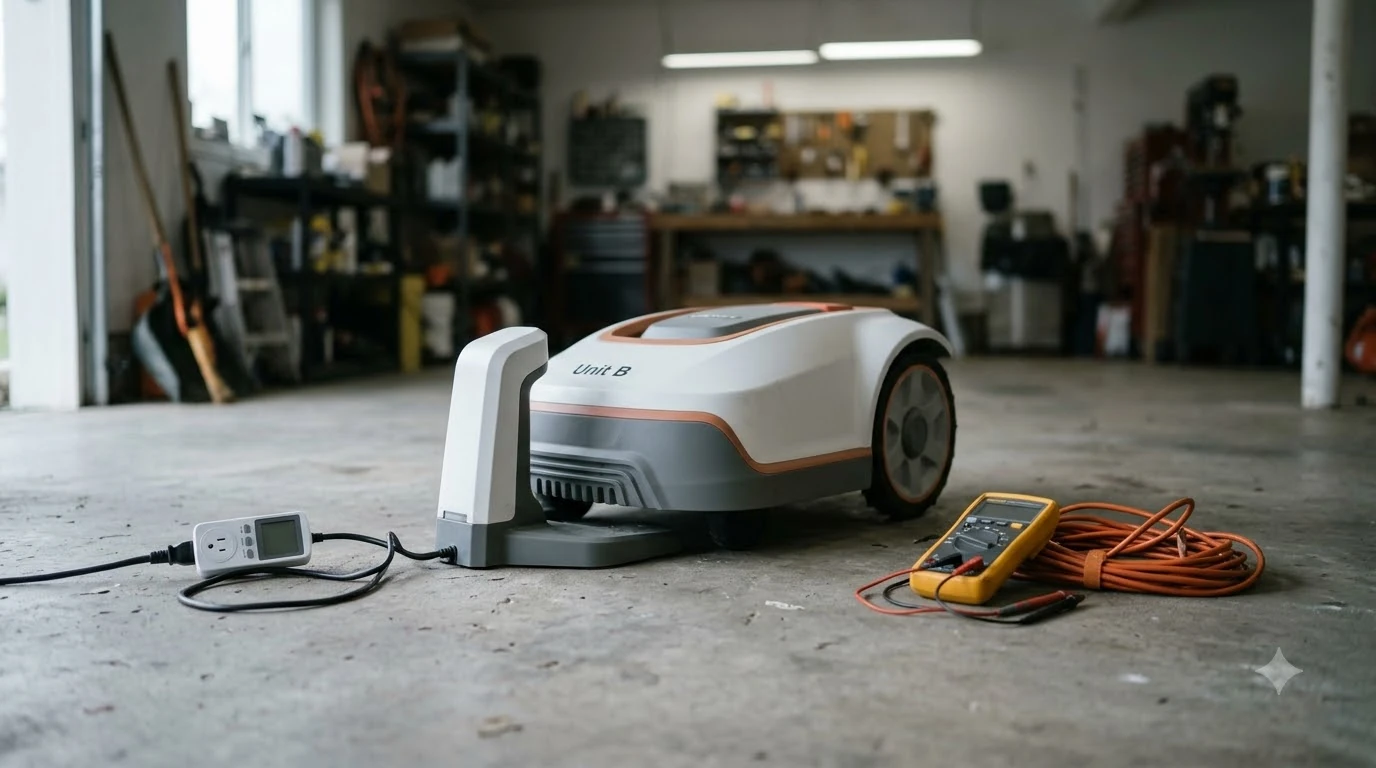

The best waterproof junction box for outdoor mower power bricks is a ventilated, UV-stabilized polycarbonate or polypropylene enclosure rated at least IP55 to IP66 (or NEMA 3R to NEMA 4X) with bottom-facing cable seals and enough internal clearance for airflow. Robot lawn mower power supplies are weather-resistant, yet their plug connections, low-voltage couplers, and power bricks often suffer from standing water, sprinkler spray, and trapped summer heat. Choosing the right enclosure keeps moisture away from live connections while letting the transformer shed heat safely.
The short answer
- Moisture protection: Look for at least IP55 or NEMA 3R for rain and sprinkler deflection, or IP66 / NEMA 4X if the box sits near hose washdowns.
- Heat safety: Never seal a high-wattage charging transformer inside a tiny, airtight plastic box without airflow or thermal headroom, because trapped heat triggers thermal shutdowns.
- Cable entry design: Pick boxes with rubber gaskets, foam cord seals, or compression cable glands that face downward so rainwater drips away from the opening.
- Wall outlet alternative: If your power brick plugs directly into an exterior wall outlet, an extra-duty while-in-use outlet cover (aligned with NEC 406.9) often beats a freestanding yard box.
- Storm readiness: Even with a weatherproof enclosure, unplug the power brick and disconnect boundary or guide wires during nearby lightning storms.
Why robot mower power bricks need the right enclosure
Most robot lawn mower transformers handle outdoor rain on their own, but the AC plug joint and excess low-voltage cable remain vulnerable to ground moisture and irrigation spray.
According to the Worx Landroid WR140M Operator’s Manual, owners should place the charging setup in a shaded spot away from irrigation sprinklers because chargers and batteries dislike overheating and direct water spray. When a power brick lies flat in grass or mulch, morning dew, puddle runoff, and lawn-trimmer strikes can damage the jacket or corrode the low-voltage connector.
However, stuffing a warm transformer into a tight, sealed box creates the opposite problem. According to the Husqvarna Automower Charging Station and Mower House Guide, owners must maintain good ventilation and avoid putting the power supply in a closed box that traps heat. A good outdoor junction box shields connections from rain and sprinklers while giving the brick room to breathe or mount vertically off the ground.

Types of waterproof enclosures for mower power supplies
Outdoor electrical enclosures fall into four practical styles depending on whether your power brick sits at the wall outlet, mounts to a post, or rests near the charging station.
| Enclosure type | Typical rating | Best placement | Main trade-off |
|---|---|---|---|
| Large cord connection box | IP54 to IP55 | Shaded patio edge or behind shrubs | Easy tool-free latches, but not built for submersion or heavy heat loads |
| Gasketed NEMA / IP electrical box | IP65 to IP66 / NEMA 4X | Mounted vertically on a wall, fence post, or shed | Strongest seal against hose spray and dust, but requires drilled glands or vents |
| Extra-duty while-in-use outlet cover | NEMA 3R | Directly over a GFCI exterior wall receptacle | Protects the AC plug at the wall, though the brick still needs a dry mount if separate |
| Inline waterproof cable coupler | IP67 to IP68 | Low-voltage splice points along the yard | Compact and submersible for wire joints, but far too small to hold a power brick |
Cord connection boxes use foam or silicone bumpers around multiple cord channels, making them easy to open when you need to unplug the mower before a storm. Gasketed polycarbonate boxes cost less than metal housings, resist UV yellowing, and let you install proper cable glands on the bottom edge.
Heads up
Do not seal a continuously running charging transformer inside a small, unvented IP67 or IP68 box in direct summer sun. Internal temperatures can climb fast enough to trip the power supply’s thermal protection and leave your robot stranded on the dock.
What to look for in an outdoor mower junction box
Evaluating ingress ratings, interior volume, UV stability, and cord seals helps you avoid boxes that warp in sunlight or leak around thick power cords.
- Ingress rating (IP or NEMA): Under IEC 60529 standards, an IP55 rating blocks dust and low-pressure water jets, while IP65 and IP66 block all dust and stronger water spray. In North America, NEMA 3R covers rain and sleet, while NEMA 4X adds hose-directed water protection and corrosion resistance.
- Generous interior dimensions: Measure your power brick’s length, width, and height, then add clearance on every side for stiff AC plugs and airflow. Many outdoor cord boxes measure roughly 12 to 13 inches long, which fits both the transformer and coiled slack without bending cables sharply.
- Downward-facing cable ports: Water follows gravity along power cords. Choose a box with bottom-entry glands or side channels that allow a drip loop below the entry seal.
- UV-stabilized housing material: Polycarbonate and UV-stabilized polypropylene resist cracking and brittleness after years of summer sun, whereas standard indoor ABS plastic turns chalky and brittle outdoors.
- Stainless or non-corrosive hardware: Look for plastic latches or stainless steel screws so fertilizer, damp grass, and rain do not rust the lid shut.
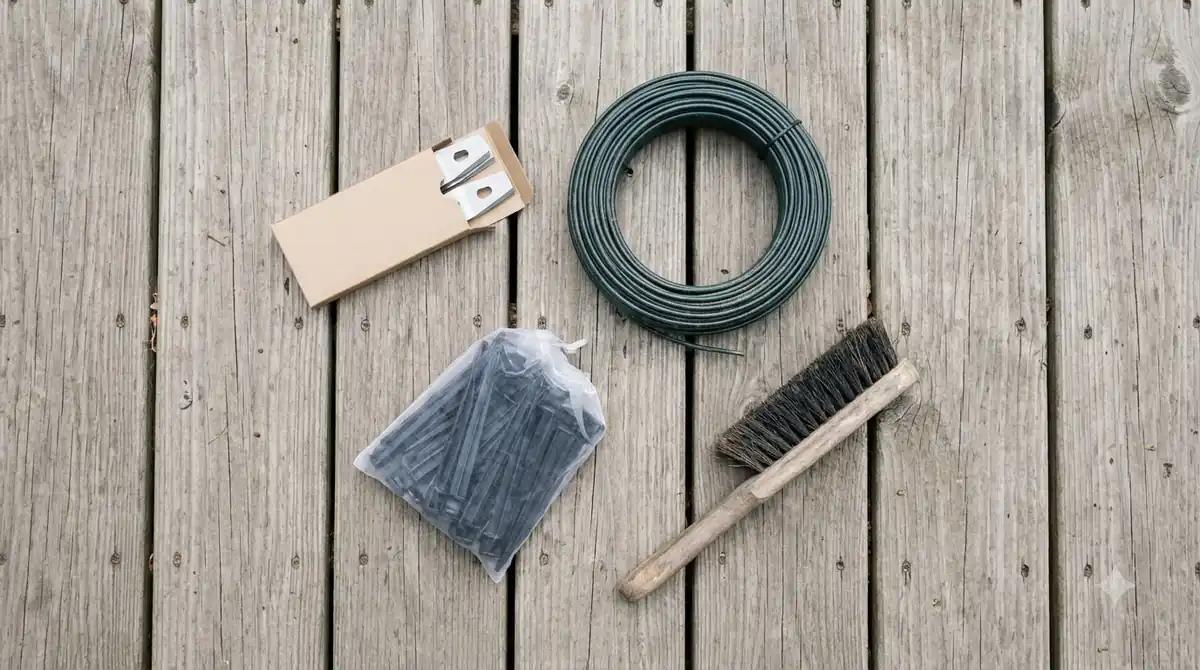
How to fit and mount your mower power brick box
Installing the enclosure takes only a few minutes, and proper orientation matters just as much as the box’s waterproof rating.
- Pick a shaded, elevated location. Mount the box on a shaded wall, fence post, or deck rim at least a foot above soil level so splashback and pooling rainwater never reach the lid gasket.
- Confirm outlet distance and GFCI protection. Keep the setup within the manufacturer’s recommended distance from a GFCI-protected outdoor outlet—for example, Worx specifies keeping the charging base within 32 feet of an AC mains outlet without daisy-chaining unapproved extension cords.
- Route cables through the bottom edge. Feed the AC cord and low-voltage mower cable through bottom-facing rubber gaskets or compression glands so moisture cannot pool on top of the seals.
- Form a drip loop under the box. Leave a gentle U-shaped slack loop in each cord below the entry point so rainwater drips off the bottom of the loop instead of running into the gasket.
- Mount the brick for airflow. Set the transformer on its narrow edge or against a mounting backplate rather than wrapping it in foam or burying it under coiled wire, then check the housing temperature on a warm afternoon.
Routine maintenance and seasonal care
A quick seasonal inspection keeps gaskets supple, prevents insect nests, and protects your mower’s electronics during severe weather.
Every spring and mid-summer, open the lid and wipe dust, spider webs, and grass clippings off the silicone perimeter seal. Check that the cable glands or foam cord bumpers still grip the jacket tightly without pinching the insulation.
During severe lightning storms, follow manufacturer safety instructions by unplugging the power brick from the wall outlet and disconnecting the low-voltage and boundary cables until the storm passes. In freezing winter climates where you store the robot mower indoors, bring the power supply and low-voltage cable inside as well, or leave the empty outdoor box latched shut so ice does not deform the gasket.
Frequently asked questions
What IP rating do I need for a robot mower junction box?
An IP55 or NEMA 3R enclosure is sufficient for rain and light sprinkler deflection when mounted under eaves or in shade. If the box sits in an open yard exposed to hose spray or heavy wind-driven rain, choose an IP65 or IP66 (or NEMA 4X) enclosure with bottom cable glands.
Can a robot mower power supply overheat inside a waterproof box?
Yes. Charging transformers generate steady heat while recharging the mower battery, and Husqvarna’s charging station guide warns against placing the power supply in a closed box without proper ventilation. Use a roomy, shaded enclosure and avoid sealing a high-output brick inside a tiny, airtight housing.
Should I bury my robot mower power brick in an underground valve box?
No. Underground irrigation valve boxes collect groundwater, condensation, and mud, and they trap heat during summer charging cycles. Mount the enclosure vertically above ground on a post or wall, or place it on a raised paver in a shaded, well-drained spot.
Do I still need a junction box if my outlet has a weatherproof cover?
If your power brick plugs straight into a wall outlet fitted with an extra-duty while-in-use cover and the low-voltage cable runs cleanly to the dock, you may not need a separate yard box. You only need an extra enclosure when an AC plug connection or transformer sits exposed away from the wall outlet.
Sources
- Automower charging station and mower house guide (Husqvarna): charging station placement rules and warning against putting the power supply in an unventilated closed box.
- Worx Landroid WR140M Operator’s Manual (Worx): outlet distance limits, shade recommendations to prevent charger overheating, sprinkler avoidance, and storm unplugging procedures.
- Outdoor Outlet In-Use Weatherproof Cover Requirements (Mister Sparky): NEC 406.9 while-in-use cover and NEC 210.8 GFCI requirements for outdoor receptacles.
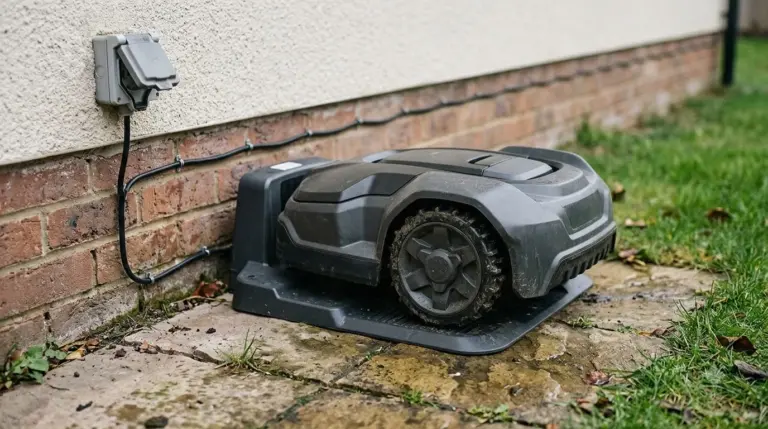 Up next7 min readGearBest Outdoor Power Strip for RTK Base Station: 5 ChecksUpdated Nov 16, 2026
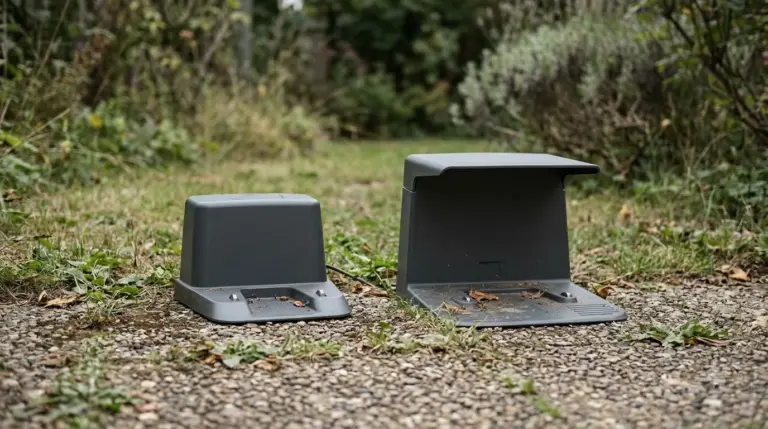 10 min readGearRTK Base Station Power Cable Outdoor: What to Check FirstUpdated Nov 19, 2026
 10 min readGearBest Replacement Rubber Bumper Strip for Brick Walls: Materials, Fit, and CareUpdated Nov 19, 2026
 7 min readGearBest Weatherproof Outlet Box for Robot Mower: What to CheckUpdated Nov 11, 2026
 10 min readGearBest Waterproof GPS Tracker Tag for Non-Cellular Robot Mowers: Buyer’s GuideUpdated Nov 19, 2026
 8 min readGearBest Waterproof Cable Conduit for Robot Mower: What to CheckUpdated Nov 11, 2026