
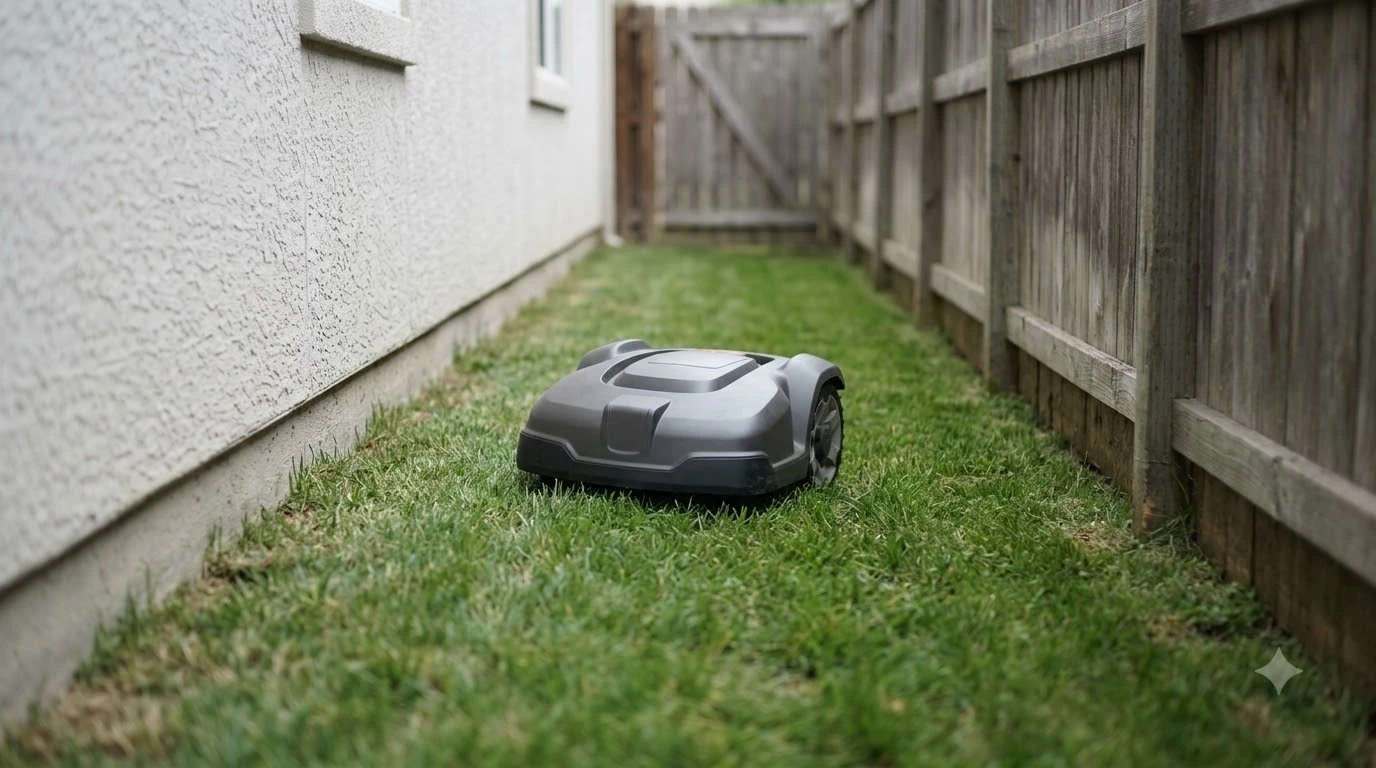

Yes, you can run a robot mower for a lawn with red imported fire ant beds, but only if you actively manage the mounds and choose a machine designed to cope with firm soil domes and electrical pests. Untreated mounds pose two distinct threats to autonomous mowers: physical scalping or high-centering on raised dirt domes, and colony invasions inside warm charging stations and electronic housings. Pairing targeted ant control with proper mower hardware and setup keeps your lawn trimmed without putting you or your equipment at risk.
The short answer
- Mound clearance matters: Undisturbed red imported fire ant mounds reach 8 to 12 inches high and roughly 18 inches across, which will stop low-clearance robotic decks or trigger bump sensors.
- Electrical attraction is a documented hazard: Extension entomologists warn that red imported fire ants actively invade outdoor electrical housings, chewing wire insulation and short-circuiting switches.
- Bumpers do not always detect loose soil: Soft, newly pushed-up dirt mounds may fail to trigger mechanical collision sensors, causing the mower to drive straight through and scatter angry workers.
- Treatment comes first: Knocking down active colonies with university-recommended baiting or mound drenches before launching the mower prevents deck damage and eliminates painful sting encounters during maintenance.
How red imported fire ant beds affect robotic mowers
Red imported fire ant colonies alter both the physical surface of your turf and the safety of low-voltage outdoor electronics.
According to the University of California Statewide Integrated Pest Management Program, undisturbed red imported fire ant mounds typically form dome-shaped structures measuring about 18 inches across and 8 to 12 inches high. On regularly mowed irrigated turf, the tops get shaved down into wider, flatter circles of loose soil, yet even a 3-to-4-inch dome exceeds the cutting height of most residential robot mowers. When a lightweight autonomous chassis climbs a firm, sun-baked clay mound, the front caster wheels can lift enough to trigger tilt sensors or leave the drive wheels spinning in midair.
Beyond mechanical hang-ups, cutting directly through an active mound dulls small pivoting razor blades rapidly as they slice through grit and pebbles pushed up from the subsoil. Worse, disturbed workers swarm onto the mower deck within seconds. If you walk over to clear a stuck error code without realizing the chassis is parked atop an active nest, ants can climb onto your shoes and hands before you reach the stop button.

There is also a well-documented electrical risk. Research from Texas Cooperative Extension and Oklahoma State University Extension notes that red imported fire ants are drawn to electrical fields, relays, and warm housings. Colonies frequently move soil into outdoor equipment boxes, chew through wire insulation, and bridge open contacts—causing short circuits and hardware failure. A robot mower charging base, power supply brick, and boundary wire splices offer the exact warm, sheltered microclimate these colonies seek out, especially after heavy rain saturates the surrounding soil.
Hardware features that help a robot mower cope
Selecting a robot mower for a lawn with red imported fire ant beds requires looking closely at chassis geometry, navigation sensors, and dock sealing rather than raw cutting width.
| Mower feature | Why it matters around fire ant mounds | What to look for |
|---|---|---|
| Deck and chassis clearance | Low skirts plow into flattened soil domes, packing dirt around the cutting disc and stalling blades. | Higher maximum cut settings and floating or articulated decks that ride over minor humps. |
| Drive traction | Loose, sandy mound soil causes smooth plastic wheels to dig in and spin out. | Aggressive tread patterns, high-torque rear motors, or all-wheel-drive models built for rough turf. |
| Obstacle detection | Mechanical bump shells require solid resistance; soft dirt mounds often yield without triggering a reverse. | Vision cameras, ultrasonic sensors, or LiDAR paired with physical bumpers to spot raised domes early. |
| Charging dock sealing | Foraging workers enter unsealed base stations through cable ports and drainage slots. | Enclosed dock electronics, wall-mounted power supplies, and gasketed access panels. |
| Navigation style | In-ground boundary wires give ants buried cable runs to follow straight into the base station. | Wire-free RTK-GPS or vision-guided units, or properly buried and sealed perimeter loops. |
Operator manuals from manufacturers like Husqvarna specify that robotic mowers are built for open, reasonably level ground and rely on bump sensors reversing the unit when the body strikes a solid object. Because fresh fire ant mounds consist of crumbly, aerated soil, a standard bump-and-turn mower will often plow straight through a new mound rather than bouncing off it. Models equipped with optical cameras or ultrasonic sensors have a better chance of recognizing a tall dome as an obstacle, though low, broad mounds blended into thick Bermuda or St. Augustine grass still slip past visual filters.
Blade style also plays a practical role. Pivoting razor blades mounted on a spinning disc fold inward when they strike hard clods or pebbles, which protects the motor shaft from bent-blade vibration—a common headache on traditional rotary walk-behinds hitting baked clay mounds. However, soil grit still wears those thin edges down quickly, meaning you will swap blades more often during peak spring and fall mound-building months.
Preparing your yard and charging station before mowing
Controlling active colonies and hardening your dock installation dramatically reduces mower stoppages and equipment damage.
University extension entomologists advise addressing active mounds before running mowing equipment over infested turf. As Oklahoma State University Extension outlines in its turfgrass management guidelines, the “Two-Step Method” combines a broadcast bait application across the lawn with targeted individual mound treatments for persistent or high-traffic nests. Always read and follow pesticide label directions, and consult your county Cooperative Extension office if you are unsure about local regulations or safe waiting periods after application.

- Treat active mounds ahead of schedule. Apply an approved fire ant bait around—not directly on top of—active mounds during dry weather when ants are actively foraging, typically in late afternoon or early evening. Wait the label-recommended period for workers to carry the bait back to the queen before disturbing the soil.
- Knock down and level inactive domes. Once colony activity stops, use a stiff rake or flat shovel to spread the empty soil dome flush with the surrounding turf so the mower deck will not scalp the dirt or high-center.
- Mount the power supply off the ground. Follow manufacturer installation guidelines by securing the low-voltage power supply brick onto a wall or post, and keep the charging base on a level, non-conductive pad away from known nesting edges.
- Inspect wire splices and dock vents. Ensure every boundary or guide wire connector is packed with dielectric grease or sealed in waterproof gel-filled couplers so ants cannot reach bare copper or nest inside dock cavities.
- Set temporary no-go zones for fresh outbreaks. If new mounds pop up after summer rains, use your mower’s app to draw a virtual keep-out zone around the spot until your mound treatment finishes working.
Heads up
Never grab, lift, or flip a stopped robot mower without looking closely at the ground underneath it first. Manufacturer safety manuals require pressing the main STOP button and disabling power before lifting the machine, and checking for swarming ants first prevents accidental stings while your hands are near the chassis.
Ongoing maintenance habits for fire ant country
Consistent mowing actually helps discourage surface mounding over time, provided you keep up with routine inspections.
Frequent, daily clipping keeps turf dense and healthy while repeatedly shearing off the very top of nascent soil domes before they harden into 10-inch obstacles. Extension specialists note that mowed turf forces colonies to build lower, wider profiles rather than tall cones. Still, after heavy rainstorms—when red imported fire ants rapidly rebuild flooded tunnels above ground—it pays to walk your yard or pause the mower schedule for a quick visual scan before sending the robot out.
During your weekly blade and underside cleaning, check inside the charging station hood and wheel wells for loose soil granules or scouting workers. Manufacturer manuals warn against spraying robotic mowers with high-pressure washers or running water; instead, brush away dried mound dirt with a stiff dry brush while the main power switch is turned off. Keeping the underside free of packed clay preserves proper cooling airflow and prevents moisture buildup around battery seals.
Frequently asked questions
Will a robot mower trigger its bump sensor on a fire ant mound?
Usually not on fresh mounds. Mechanical bump sensors need firm resistance to trip, so a robot mower will typically drive right through soft, newly pushed-up dirt, though a tall, sun-baked clay dome can stop the chassis or trigger a tilt error.
Can red imported fire ants ruin a robot mower charging station?
Yes. Extension research shows red imported fire ants are attracted to electrical switching mechanisms and warm enclosures, where they pack in soil, chew wire insulation, and cause short circuits if the housing is not well sealed.
Does frequent robotic mowing get rid of fire ant colonies?
No. Daily mowing flattens the visible dirt dome and makes nests less obvious, but the queen and main brood chambers remain deep underground; eliminating the colony requires targeted baiting or mound treatments.
What should I do if my robot mower gets stuck on an active mound?
Pause the mower remotely through its app if possible, wait for agitated workers to calm down, and put on closed-toe shoes and gloves before pressing the STOP button, disabling the power switch, and brushing the chassis clean away from the nest.
Sources
- Red Imported Fire Ant Management Guidelines (University of California Statewide IPM Program): used for mound dimensions, behavior on mowed turf, and identification details.
- Red Imported Fire Ants (Oklahoma State University Extension): used for the Two-Step Method and turfgrass baiting guidelines.
- Managing Red Imported Fire Ants in Electrical Equipment and Utility Housings (Texas Cooperative Extension): used for fire ant attraction to electrical switches, wire insulation damage, and short-circuit risks.
- Husqvarna Automower 310/315 Operator’s Manual (Husqvarna): used for obstacle bump behavior, ground requirements, and safe lifting/cleaning procedures.
 Up next6 min readBy YardWill a Robot Mower Hit Fire Ant Mounds in the Lawn?Updated Nov 12, 2026
 8 min readBy YardBest Robot Mower for a Yard With a Fire PitUpdated Nov 12, 2026
 8 min readBy YardHow Does a Robot Mower Handle a Fire Pit?Updated Nov 11, 2026
 8 min readBy YardCan You Use a Robot Mower for a Lawn With Pecan Trees and Fallen Shells?Updated Nov 19, 2026
 6 min readBy YardWhat Cutting Height Should a Robot Mower Use on a Slope?Updated Nov 14, 2026
 8 min readBy YardWhat Cutting Height Should a Robot Mower Use for St Augustine Grass?Updated Nov 10, 2026