
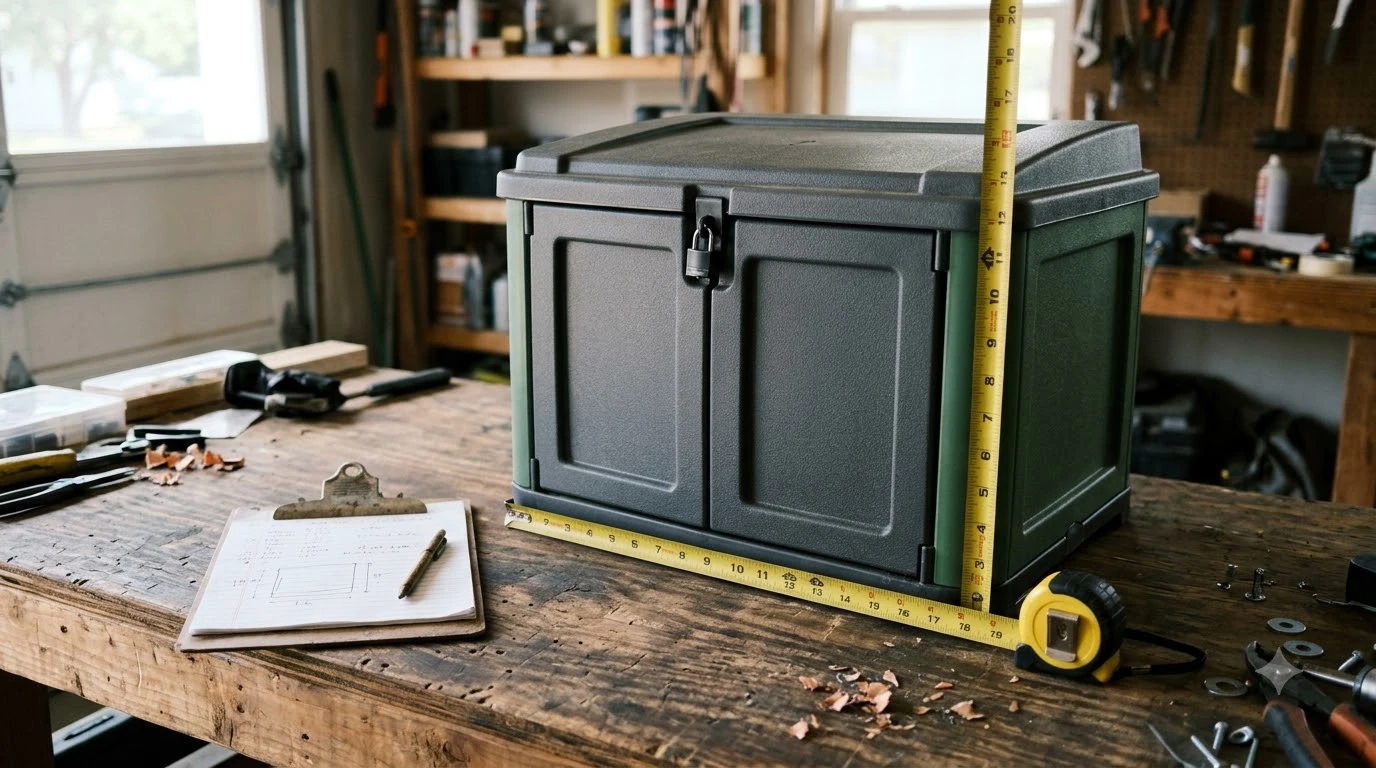

The best weatherproof enclosure for RTK base station use is the one that keeps rain and splashes off the power and cable joints while leaving the antenna’s sky view and the power supply’s airflow clear. No single brand wins on that basis. Our reading is that a short checklist of rating, sky view, airflow, power path and clearance settles most buying decisions, and that a fully sealed box can create its own problems.
The short answer
- Rating: read the enclosure’s rating as written. NEMA 3R covers falling liquids and light splashing, not flooding or hose-down use.
- Sky view: the antenna needs a wide open sky. Husqvarna’s EPOS guidance asks for at least 135 degrees of clear view.
- Airflow: do not seal a power supply inside a closed box. Husqvarna’s charging-station guidance says so directly.
- Power path: use an outdoor-rated cord and a GFCI-protected outlet, and skip power strips.
- Clearance: keep the station about 10 feet (3 m) from trees and walls, per Mammotion’s install guide, and mount it on a post or wall.
Read the rating literally
Most enclosures are sold with a single word such as “weatherproof” or “outdoor rated.” That word means little until you read the standard behind it. NEMA 3R and IP codes test different things, so a box that meets one does not automatically meet the other.
McMaster-Carr describes NEMA 3R while-in-use covers as protecting against falling liquids and light splashing, with a gasket against dust and moisture. Leviton lists its 5982-UCL outlet cover as NEMA 3R and cULus listed, and notes that it needs a standard two-gang wallbox sold separately. Those are outlet covers, but they show what NEMA 3R means in practice: shedding rain, not sealing against water pressure. For the outlet side, compare a weatherproof outlet box for a robot mower.
IP codes are defined in IEC 60529. The IPX5 test uses a 6.3 mm nozzle, IPX6 uses a 12.5 mm nozzle, and IPX7 covers temporary immersion at 1 m for 30 minutes. The IEC summary also notes that each test is separate, so passing a lower test does not show that a higher one is passed.
| Rating | What the source describes | What it means for a base station box |
|---|---|---|
| NEMA 3R | Protection from falling liquids and light splashing (McMaster-Carr, Leviton) | Rain shedding. Not a claim for flooding or pressure washing. |
| IPX5 / IPX6 | Water jets through a 6.3 mm or 12.5 mm nozzle (IEC 60529 summary) | Jet-spray tests. Check whether the maker states which one it meets. |
| IPX7 | Immersion at 1 m for 30 minutes (IEC 60529 summary) | Short immersion only. Not a rating for a box sitting in standing water all day. |
Our reading is that a buyer comparing the best weatherproof enclosure for RTK base station options should look for a rating that names the whole enclosure, not just a cover or a gasket. If the seller shows only “weatherproof” with no test standard, treat the claim as unverified.
Keep the antenna’s sky view clear
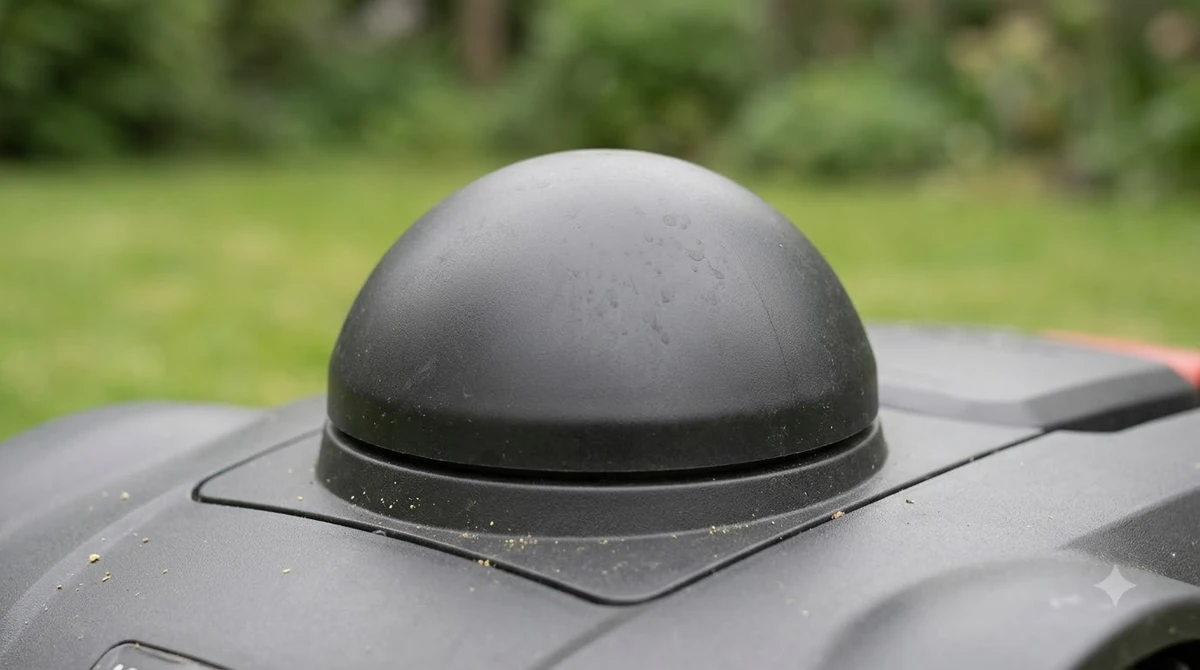
An RTK base station depends on satellite signals, and the enclosure is the first thing that can block them. Husqvarna’s EPOS support page asks for a clear view of the sky of at least 135 degrees, an antenna about 2 m high, and distance from metal fences. Mammotion’s RTK station guidance asks for an open area that receives satellite signals, whether the unit sits on a post or a wall. For antenna choices, see RTK antenna for a robot mower.
Our reading is that a solid lid or a deep hood placed over the antenna can cut that view. The safer design keeps the antenna above the box or on an external mount, which is why the best weatherproof enclosure for RTK base station use protects the electronics without sitting in the sky path.
Leave the power supply room to breathe
Sealing everything is the instinct many buyers have, and it can backfire. Husqvarna’s charging-station guidance states: “Do not put the power supply in an enclosed box.” That guidance concerns a mower charging station, but the same heat logic applies to a base station power adapter, and we would check the maker’s manual before sealing one.
Our reading is that the best weatherproof enclosure for RTK base station electronics should seal the connection points, the cable entry and the cover seams, while leaving the power supply in an open or vented space. A sealed box works well for junctions. It works poorly for a warm adapter.
Build a power path that stays dry
An enclosure only protects what is inside it. The power path outside the box matters just as much. Toro’s installation manual for a charging station says not to plug it into a power strip or an extension cord. The Consumer Product Safety Commission advises using only extension cords labeled for outdoor use, and its GFCI fact sheet notes that a GFCI detects a current difference as small as 0.006 A.
The IGS guidelines for continuous GNSS reference stations say each station needs a continuous and reliable power source. The University of Illinois Extension recommends GFCIs on outdoor outlets and portable GFCIs where an outlet has none. Our reading is that the enclosure cannot make a wet or undersized connection safe, so the outlet and cord should be checked before the box goes on. See outdoor power cable for an RTK base station for the cabling side.
Heads up
The Toro and Husqvarna statements apply to mower charging stations. Use them as caution signs for a base station, then confirm the rules in your own product manual.
Mount it with clearance
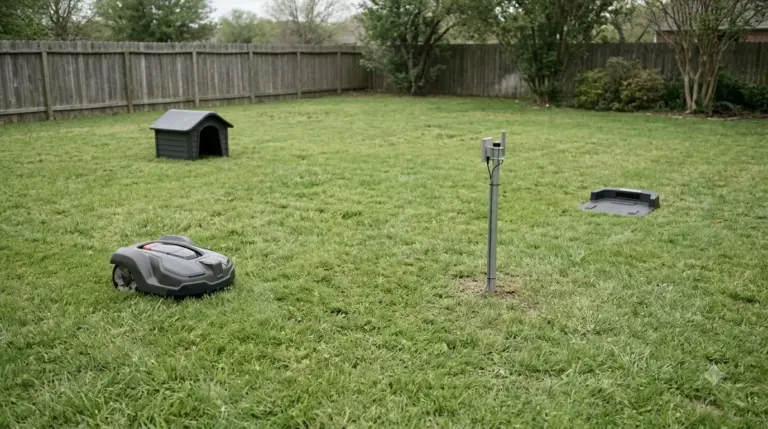
Placement is the last piece. Mammotion’s support article for its RTK reference station asks for an open area and at least 10 feet (3 m) from trees and walls. It describes mounting on a post or a wall, and says a wall-mounted station’s power supply plugs into a wall socket. Its check step is to confirm the signal in the app after installation. Our guide to where to mount an RTK base station goes deeper on placement, and setting up an RTK robot mower covers the rest of the install.
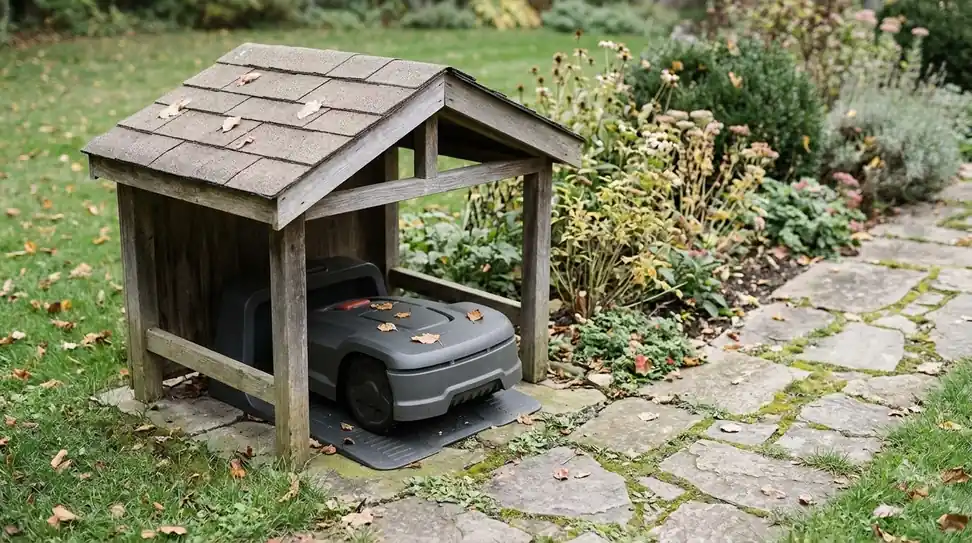
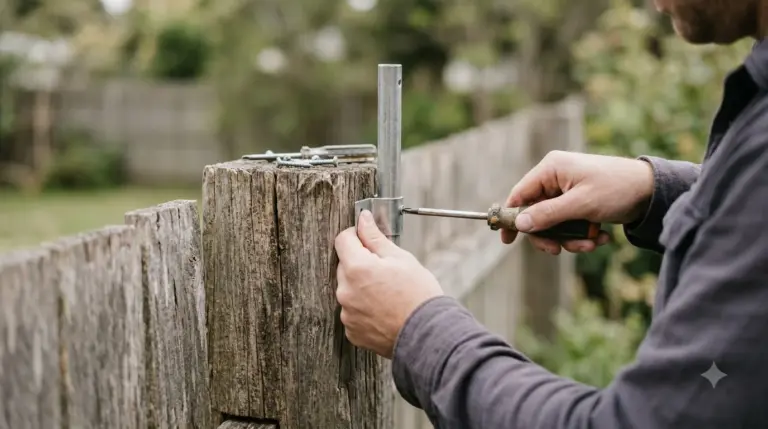
Our reading is that a post mount gives more distance from the house than a wall mount, which helps with the clearance rule when you look for the best weatherproof enclosure for RTK base station fit. Whichever you choose, ask the seller for the mounting hole size and the bolt length, so the enclosure and the mount match before you order.
A checklist for the best weatherproof enclosure for RTK base station
Use this order when you compare enclosures. Each step narrows the list before you look at the brand.
- Rating. Find the standard the whole enclosure meets, NEMA 3R or an IPX number. Discard listings that say only “weatherproof.”
- Sky view. Confirm the antenna sits above the box or on an external mount, with a clear view of the sky.
- Airflow. Check that the power supply has an open or vented space, and that the maker permits enclosing it.
- Cable entry. Look for sealed or gasketed cable glands at the bottom or sides, so water does not run into the cable.
- Power path. Plan an outdoor-rated cord, a GFCI outlet and no power strip.
- Mounting. Measure the clearance from trees and walls, then match the mount’s holes and bolts to the enclosure.
As of November 2026, these checks rely on the manufacturer and standards pages listed below. Specifications change by model and year, so confirm them on the seller’s current product page before buying.
Frequently asked questions
Is a NEMA 3R cover enough for an RTK base station?
Not on its own. NEMA 3R is described for falling liquids and light splashing. Check whether the whole enclosure carries a rating that matches how the station will be exposed.
Can I put the base station in a garage?
The sources here do not address garages directly. Our reading is that a garage usually blocks the sky view the antenna needs, so check the clear-sky requirement first.
Does an enclosure need airflow?
Husqvarna advises against enclosing a charging station’s power supply in a closed box. Seal the connection points, leave the power supply vented, and follow the maker’s manual.
Do I need a GFCI for an outdoor base station?
The CPSC notes GFCIs detect small current differences, and the University of Illinois Extension recommends them on outdoor outlets. A portable GFCI can cover an outlet that has none.
Sources
- McMaster-Carr while-in-use outlet covers (supplier): NEMA 3R description and gasket.
- Leviton 5982-UCL (manufacturer): NEMA 3R listing and wallbox note.
- IP Code (IEC 60529 summary) (reference): IPX5, IPX6 and IPX7 test parameters.
- Husqvarna Automower charging station placement guide (manufacturer): power supply not to be enclosed.
- Husqvarna EPOS satellite troubleshooting (manufacturer): 135 degree sky view and 2 m antenna height.
- Mammotion RTK reference station installation (manufacturer): open area, 10 ft clearance and mounting.
- Toro charging station installation manual (manufacturer): no power strip or extension cord.
- CPSC extension cords and power strips (government): outdoor-rated cords.
- CPSC GFCI fact sheet (government): 0.006 A detection.
- University of Illinois Extension electrical safety (university): GFCIs on outdoor outlets.
- IGS CORS guidelines, power and communications (standards service): continuous power for reference stations.
 Up next10 min readGearRTK Base Station Power Cable Outdoor: What to Check FirstUpdated Nov 11, 2026
 8 min readGearWhere to Mount an RTK Base Station for a Robot MowerUpdated Nov 11, 2026
 9 min readGearRTK Antenna Wall Mount Bracket: What to Check Before You BuyUpdated Nov 11, 2026
 8 min readGearBest Garage for Dreame Robot Mowers: 5 Checks Before You BuyUpdated Nov 11, 2026
 7 min readGearWooden Robot Mower Garage: What to Check Before You BuyUpdated Nov 11, 2026
 8 min readGearBest Metal Robot Mower Shelter: What to Check Before You BuyUpdated Nov 11, 2026