
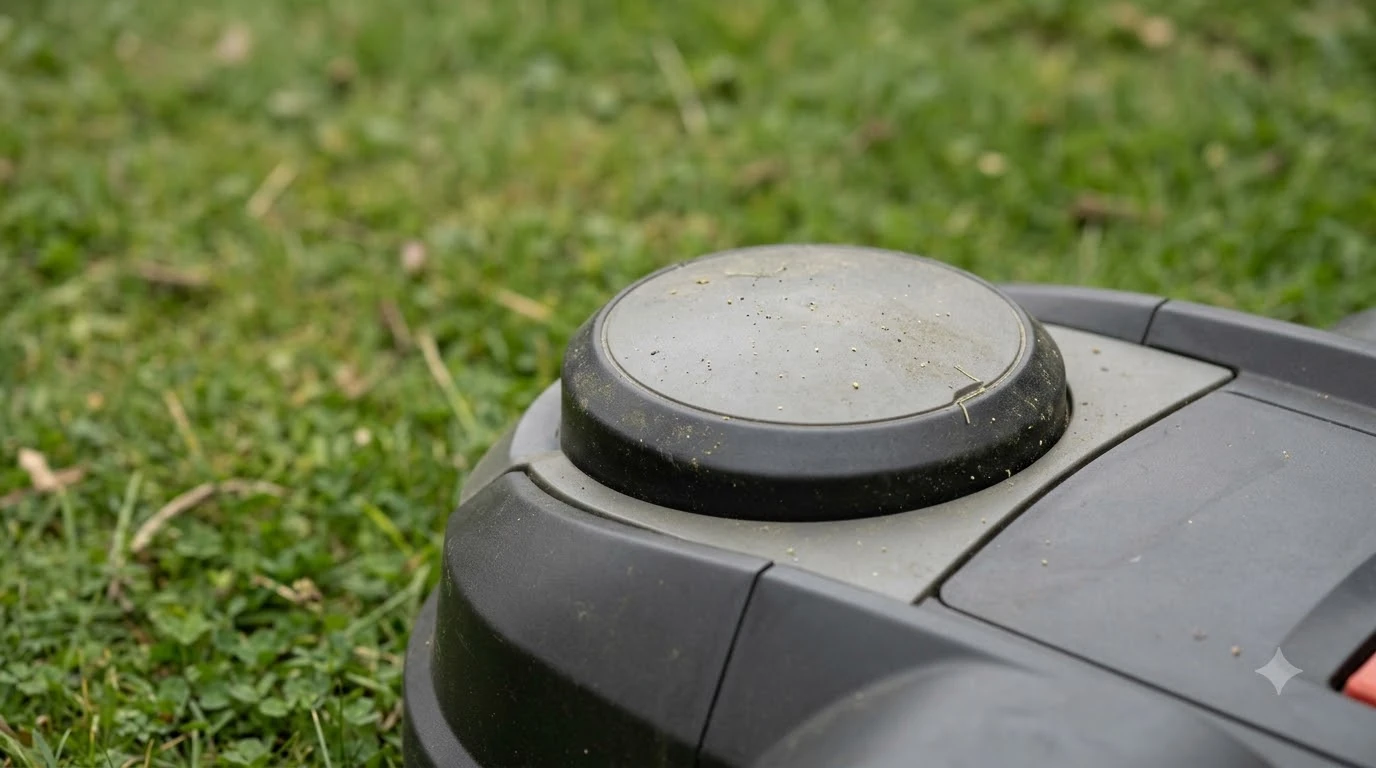

Robot mower trends 2027 point toward satellite-and-sensor hybrid navigation, frequent short cuts, and stricter EU machinery rules that start on 20 January 2027. The evidence we could verify as of November 2026 shows where the technology is heading, but it does not give reliable market size or sales-share numbers for 2027. Treat any forecast that gives a precise figure without a named source with caution.
The short answer
- Navigation is moving past the boundary wire. Many newer models combine satellite positioning (RTK), LiDAR, and cameras, with each approach having known weak spots.
- Local base stations are optional on some brands through network RTK, which depends on where you live.
- Cutting habits are changing. A 2026 university trial ran robot mowers daily at 2.4 inches, below the three to four inches that warm-season guides usually suggest.
- EU machinery rules apply from 20 January 2027. Ask sellers which standards and conformity documents a model carries before you buy.
Robot mower trends 2027: navigation moves past the boundary wire
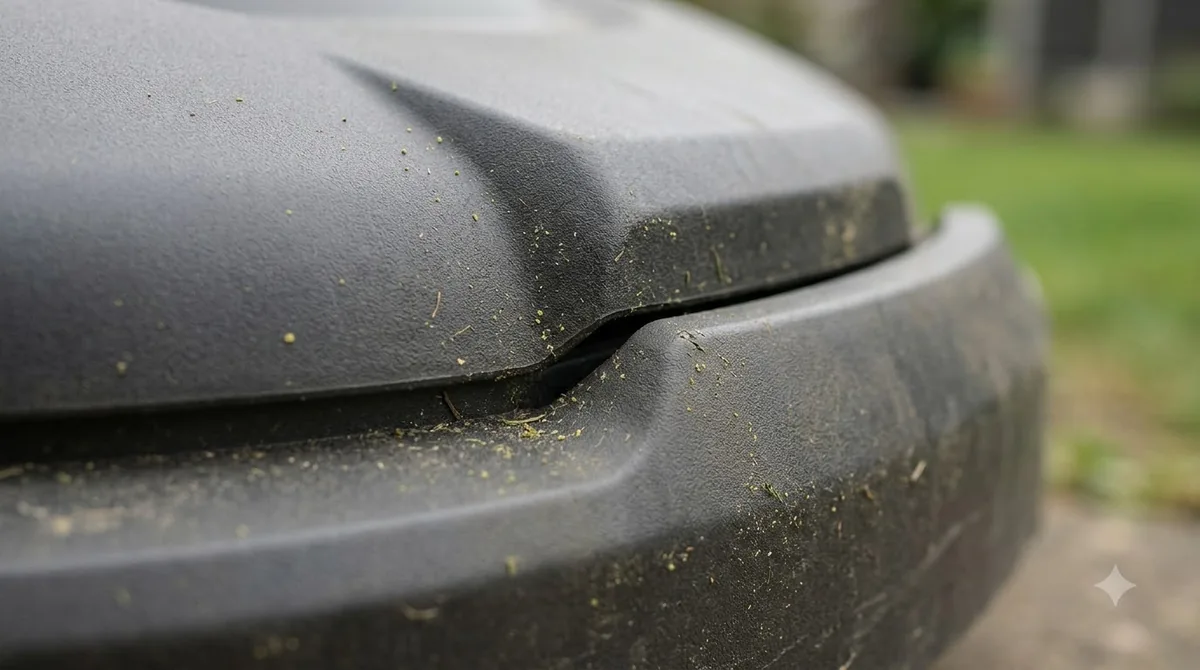
Wire-based mowers follow a buried loop cable, while satellite models use RTK positioning, which relies on a base station that sends correction signals to the mower. LiDAR models build a 3D map of their surroundings with laser pulses, and vision models use cameras to recognize objects. Each method has a trade-off, so newer designs increasingly combine two or more of them. Our explainer on how an RTK robot mower works covers the satellite side in more detail.
| Method | Where it is strong (vendor claims) | Where it is weak (vendor claims) |
|---|---|---|
| RTK satellite | No boundary wire; accurate in open yards | Needs an open base site; tree cover, walls, and roof overhangs weaken signals |
| LiDAR | No base station; claimed to work in shade and under trees | Fog and heavy rain may scatter the laser beams |
| Vision (camera) | Can recognize objects such as toys and pets | Performance depends on the software, not only the camera count (author’s view) |
| Hybrid (RTK plus LiDAR or vision) | Covers gaps in each single method | More components to set up and check |
The table reflects what manufacturers say about their own systems. We did not find an independent test comparing these methods in the same yard, so the strengths and weaknesses are not confirmed by neutral measurements. Our reading is that a hybrid system is the direction most premium lines are taking, but you should judge a specific model by how it behaves on your lawn.
Network RTK may remove the local antenna
Network RTK receives correction data over the internet rather than from a base station in your yard. Segway Navimow states that its Network RTK needs no local antenna and is included at no extra cost, with cellular data provided free of charge, as of the page we read in November 2026. The same page says you must enter your postcode to check whether the service is available where you live, and the checker it displayed reported the service as not available at that moment.
That last point matters. Network RTK is a brand-specific service with regional coverage, so a model that looks simpler to install may still need a base station or a different setup in your area. Ask the seller to confirm coverage for your address in writing before you assume it will work. Among robot mower trends 2027, network RTK is the one most tied to where you live, and our guide to an RTK network service without a base station covers the options.
Cutting height and mowing schedules are changing
Robot mowers cut far more often than people do. Conventional guidance is to mow about every seven days and remove roughly a third of the blade each time. A robot mower runs daily and leaves small clippings, which the University of Florida’s UF/IFAS research team, led by Bryan Unruh, describes as a reason turf can stay denser and healthier.
The same research tested robot mowers at 2.4 inches on St. Augustinegrass. The UF/IFAS article notes that warm-season grasses are usually recommended at three to four inches. The article does not report a sample size, plot layout, or measured numeric results, and its health findings are qualitative descriptions by the researcher. Our reading is that this is a useful signal about frequent light cutting, not a reason to lower your own mowing height without checking your grass species. Daily short cuts are the clearest shift in habits among robot mower trends 2027, and our article on how short a robot mower can cut grass covers the limits.
Heads up
Lower cutting heights are not automatically better. Look up the recommended height for your grass type in your state extension guide before you change the setting on your mower.
Safety rules: what changes on 20 January 2027
The European Commission states that Regulation (EU) 2023/1230, the new Machinery Regulation, applies on a mandatory basis from 20 January 2027. Machinery placed on the market before that date must comply with the current Machinery Directive 2006/42/EC. The Commission page we read covers machinery in general and does not single out lawn mowers, so we could not confirm which robot mower categories are affected in detail. For sellers in Europe, this rule is part of robot mower trends 2027 whether or not the buyer notices it.
Robot mower safety is also governed by standards. IEC 60335-2-107 covers safety of robotic and automatic lawn mowers, with an edition dated 15 December 2017. Anker/eufy names BS EN 50636-2-107 as the UK and European standard for its robot mowers. A standard reduces risk when it is applied properly, but it does not remove it, so keep children and pets away from a running mower.
When you shop, ask the seller for the model’s declaration of conformity and the standards it cites. A clear, specific answer is a better sign than a general claim that a mower is “safe.”
Slopes: check the degree figure, not just the percent
Manufacturers often list slope capability as a percentage, and some also give degrees. The two are different scales, and our guide to robot mower slope ratings explains the conversion: 45 percent equals about 24 degrees, and 100 percent equals 45 degrees. Navimow lists its i2 AWD and i2 LiDAR models at 45 percent (24 degrees), its i2 LiDAR Pro at 55 percent (29 degrees), and its X4 at 84 percent (40 degrees). Anker/eufy’s own article describes common models at 25 to 35 percent and AWD models at 45 to 80 percent.
These figures come from brand pages, and the test conditions are not published on the pages we read. Measure your steepest section with a level app or a simple angle finder, then compare the result with the degree figure, not with a marketing phrase such as “handles any hill.”
Rain, docking stations, and lightning
The UF/IFAS trial found no negative effects from running robot mowers in rainy conditions. That is a single trial, and the article reports no numeric results for it.
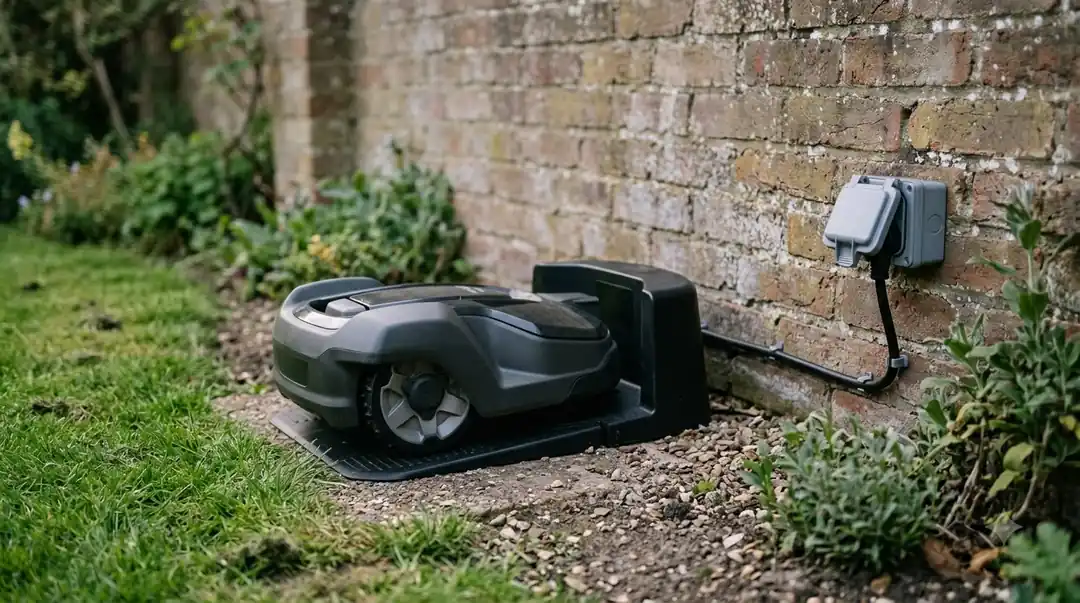
The same article warns about the dock. Fire ants are attracted to the electrical equipment and can build mounds near docking stations, and the researchers recommend a routine insecticide treatment. Lightning is another concern. The article advises grounding the docking station or connecting it to surge protection, and our guide to choosing an outdoor surge protector for a robot mower is a starting point.
What the evidence does not show yet
Several popular claims about 2027 cannot be verified from sources we could read. We did not find a sourced global or US market size for robot mowers, and a commentary site we checked stated that it had no representative sales data. We also did not find an independent test that ranks RTK, LiDAR, vision, and wire-based mowers side by side. A brand’s own claim about a sensor or a feature is useful for understanding the design, but it is not proof of performance in your yard.
Because of these gaps, this article avoids predicting specific market shares or prices for robot mower trends 2027. Our reading is that the direction of travel is clear enough to plan around, while exact numbers should come from a named, dated source.
What to check before you buy a 2027 model
Use this list to test any robot mower trends 2027 claim against your own yard.
- Confirm the navigation type. Ask whether the mower uses a boundary wire, RTK, LiDAR, vision, or a hybrid, and whether it works without a wire.
- Check coverage for your address. For network RTK, get written confirmation for your postcode.
- Measure your slope in degrees. Compare the steepest section with the degree rating.
- Look up your grass height. Match the mowing schedule and height to your grass species, not to the mower’s default.
- Ask for the conformity documents. Request the declaration of conformity and the standards the model cites.
- Plan the dock location. Choose a grounded spot with surge protection and an insect plan.
Frequently asked questions
Will robot mowers still need a base station in 2027?
Not always. LiDAR and vision models do not need a base station, and Segway Navimow says its Network RTK needs no local antenna where the service is available. Check the coverage for your postcode before you buy.
Does the EU rule from 20 January 2027 affect US buyers?
The Commission’s page describes obligations for machinery in the European Union. We did not find a source that explains its effect on US sales, so US buyers should ask the seller how the model complies with the standards it cites.
Is a 2.4 inch cutting height safe for my lawn?
The UF/IFAS trial tested 2.4 inches on St. Augustinegrass, but it reports no sample size or numeric results. Warm-season guidance usually suggests three to four inches, so check the recommendation for your grass before you change the setting.
Are brand slope ratings reliable?
Brand ratings are useful as a starting point, but the test conditions are usually not published. Measure your steepest section and compare it with the degree figure, leaving some margin for wet grass and uneven ground.
Sources
- Machinery (European Commission): the date the Machinery Regulation applies and the rule for machinery placed on the market before it.
- UF/IFAS robot mower study news (University of Florida): the 2.4 inch trial, mowing schedule, rain, and dock hazards.
- Segway Navimow buying guide (manufacturer): Network RTK conditions and slope ratings.
- LiDAR vs RTK robot lawn mowers (ECOVACS): base station placement, installation, and weather limits, as the manufacturer describes them.
- AI vision vs RTK vs LiDAR (Mammotion): the manufacturer’s claims about LiDAR in shade and under trees.
 Up next8 min readLearnDo Robot Lawn Mowers Get Stolen? What the Evidence ShowsUpdated Nov 11, 2026
 8 min readLearnFuture of Robot Lawn Mowers: What to Expect in 2027Updated Nov 11, 2026
 6 min readLearnRobot Mower Carbon Footprint vs Gas Mower: What the Numbers ShowUpdated Nov 14, 2026
 8 min readLearnDoes a Robot Mower Save Money? What the Numbers ShowUpdated Nov 11, 2026
 9 min readLearnCan Someone Hack a Robot Mower? What Published Research ShowsUpdated Nov 11, 2026
 7 min readLearnHow long does the Ecovacs GOAT O1000 battery last?Updated Nov 11, 2026