
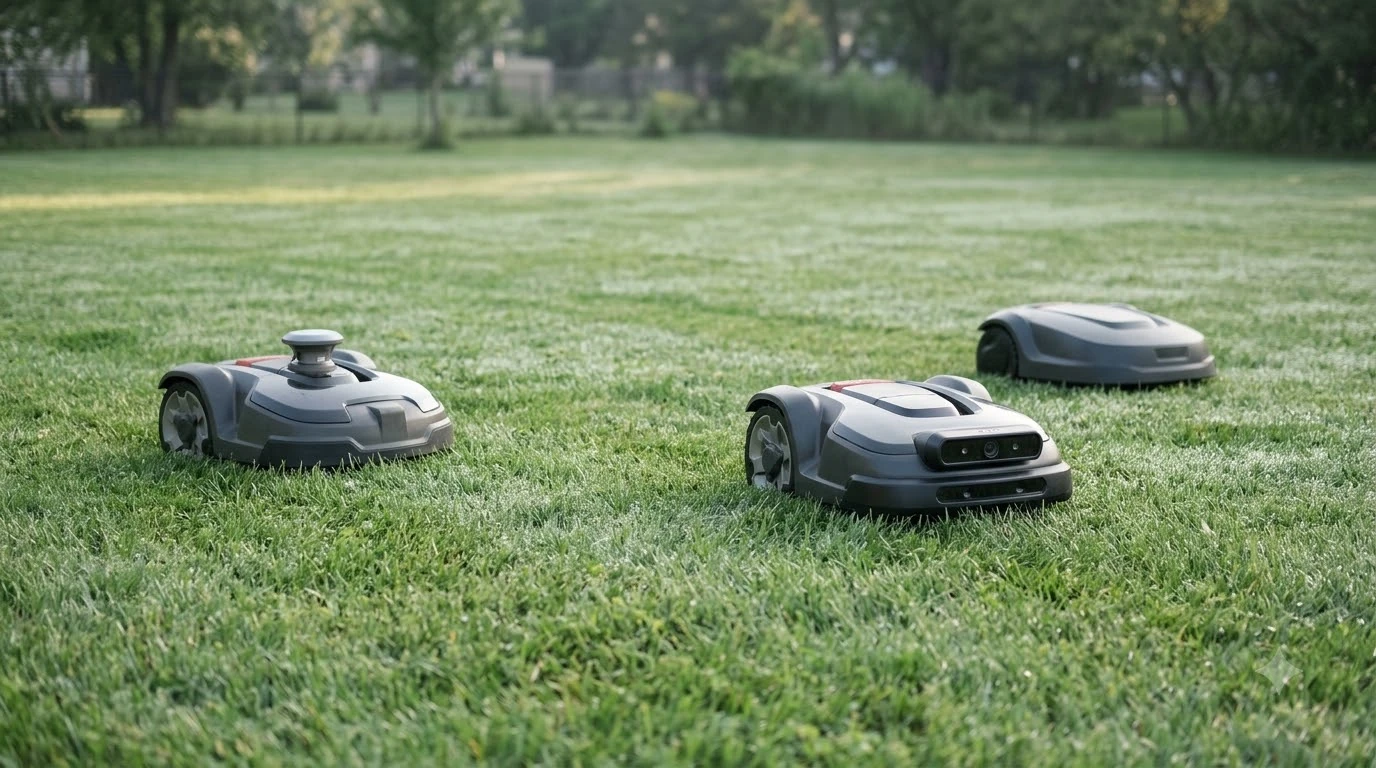

Should a robot mower run after aeration? Usually not right away. After plain core aeration, most sources point to a wait of a few days to about a week before the mower returns. If you also overseed, the wait grows to 2 to 4 weeks, or until the new grass is 3 to 4 inches tall. Soil plugs and the boundary wire matter as much as the calendar.
The short answer
- Plain aeration, no seed: wait about a week before the robot mower runs again, according to Sunseeker. One brand guide says 2 to 3 days.
- Aeration with overseeding: wait 2 to 4 weeks, or until new grass is 3 to 4 inches tall and firmly rooted.
- Boundary wire: mark its path before you aerate, because aerators can cut it.
- Wet turf: wait at least 24 hours after rain, according to Husqvarna.
How aeration changes the lawn before a mower goes back on
Core aeration removes small plugs of soil so air, water and nutrients can reach the roots. Colorado State University Extension says a lawn can be aerated any time the ground is not frozen, but not when it is extremely hot and dry, and that spring and fall are considered the best times. Holes should be two to three inches deep and no more than two to four inches apart.
Aeration leaves the turf disturbed. The holes are open, the soil around them is loose, and the grass has been stressed. For that reason, the first mow after aeration is a recovery decision, not only a scheduling one.
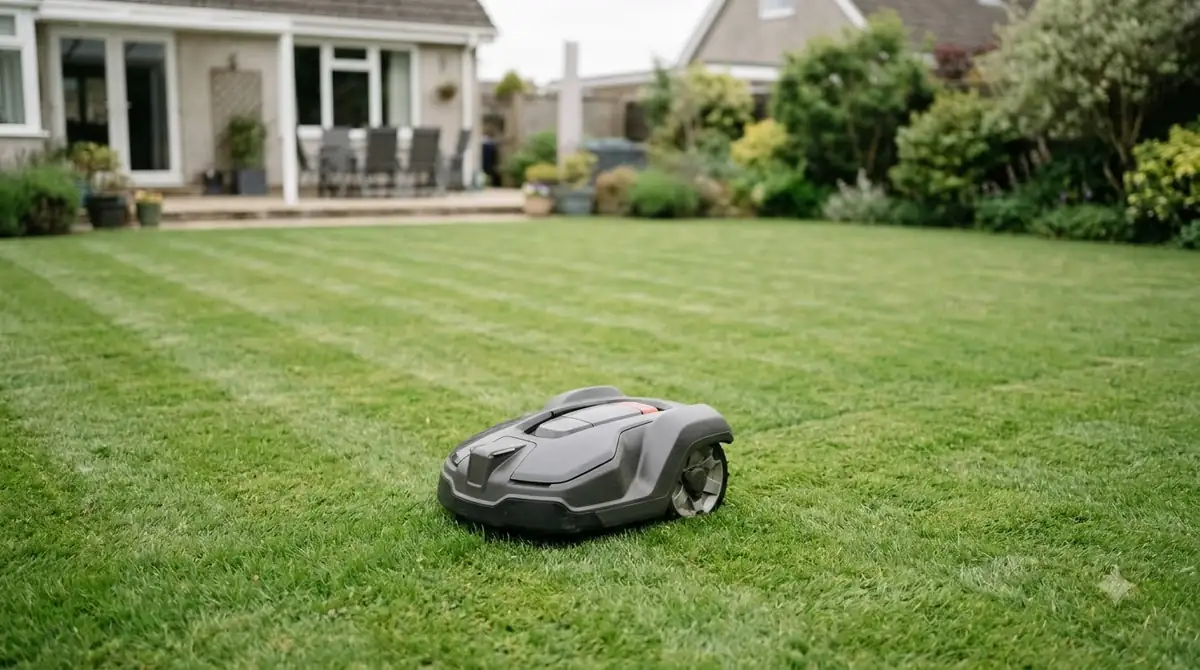
Should a robot mower run after aeration: how long to wait
The answer depends on whether you also planted seed. The table below collects the timing guidance from the sources we read. Most of them come from lawn-care services or robot mower makers, so treat them as practical guidance, not independent tests.
| Situation | Suggested wait | Source |
|---|---|---|
| Plain aeration, no new seed | About 1 week | Sunseeker (manufacturer) |
| Plain aeration, no new seed | 2 to 3 days | Mammotion (manufacturer, EU guide) |
| Aeration with overseeding | Until new grass is 3 to 4 inches tall, usually 2 to 3 weeks | Sunseeker (manufacturer) |
| Aeration and seeding, stay-off period | 2 to 4 weeks | LawnStarter (lawn-care service) |
So should a robot mower run after aeration if you also overseeded? Not until the new grass is firm. Two points stand out. First, the difference between plain aeration and overseeding is large, and most of the advice clusters around that split. Second, the sources agree that height and firmness are better guides than the calendar. LawnStarter advises waiting until new grass matches the height of your established lawn before mowing, and notes that mowing too early can pull up young seedlings. Our guide to when to first mow new grass seed explains the height rule, and a separate note covers whether you can overseed with a robot mower.
Our reading: if you aerated without seed and the grass has bounced back, a robot mower run within a week is consistent with the sources above. If you overseeded, the safer rule is to keep the mower parked until the new grass is firm and close to the height of the rest of the lawn.
What happens to soil plugs under the mower
When a robot mower runs after aeration, soil plugs are the first thing it meets. Plugs are the cores left on the lawn surface after aeration. LawnStarter says they break down within one to two weeks and release nutrients back into the soil. Sunseeker says rain, irrigation and mowing all help break them down over time, and advises leaving them in place unless they form thick piles over the grass crowns.
Colorado State University Extension gives a separate rule. On lawns with more than half an inch of thatch, the cores should be left on the lawn so they can work back into the grass. Where thatch is thinner, the cores can be removed or left.
- Light plugs: a robot mower can run over them, and this breaks them down faster.
- Thick piles: Sunseeker advises removing them when they form thick piles over the grass crowns, and leaving the rest in place.
- Thatch over 1/2 inch: leave the cores in place so they can settle back into the turf.
We did not find a neutral university source that says whether a robot mower wears faster when it runs over plugs. That is a limit of this research, not a finding that plugs are harmless to the mower.
Protecting the boundary wire during aeration
Should a robot mower run after aeration if the wire may have been cut? That is the risk most often missed. Worx notes that soil aerators, shovels and rakes can damage boundary wire. A damaged wire gives a weak signal, and a fully cut wire gives no signal at all, so the mower will not know where the boundary is.
- Mark the wire path first. Before aerating, use landscape paint to mark where the boundary wire runs, as LawnMowers.com recommends.
- Aerate around the wire. Keep the aerator well clear of the marked line, especially at edges and near beds. Our review of the best lawn aerator for robot mower lawns covers what to check in a tool.
- Test the signal. After aerating, run the mower’s loop test or check the app for a weak or missing signal.
- Repair any cut quickly. Grass grows over buried wire within three to four weeks, so a cut can be hard to see later.
Heads up
Worx names soil aerators in general, so the same caution applies to any aerating tool. Our reading: measure the wire path before any tool goes near it.
Wet or damp turf after aeration
Aeration is often done when the soil is moist, which is the easiest time to pull plugs. Husqvarna says wet soil is softer and more vulnerable to compaction from the weight of a mower, and advises waiting at least 24 hours after it rains before mowing. The same logic applies to a robot mower on freshly aerated ground, because the holes make the surface softer for longer.
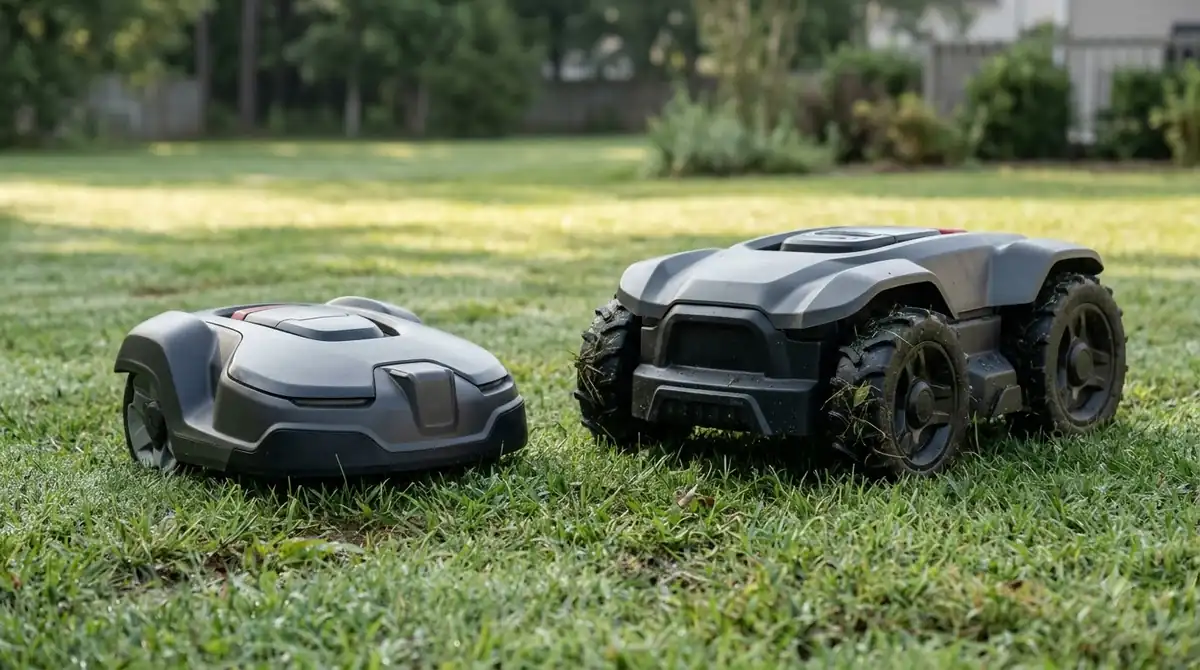
Our reading: when deciding if a robot mower should run after aeration, if the soil stays muddy around the holes, or water pools after watering, hold the mower longer. The same caution appears in our note on robot mower wet grass. Sunseeker gives the same caution about watering, advising to cut back when water pools or holes stay muddy. The sources we read do not give a numeric threshold for mowing soft turf after aeration.
Should you mow before aerating?
The sources agree that mowing before aerating is the better order. One brand guide recommends mowing to about 3 to 5 cm (roughly 1.2 to 2 inches) before aerating so the aerator can reach the soil more easily. Water the lawn thoroughly the day before, as Colorado State University Extension advises, so the plugs pull out more deeply.
What to check before the first robot mower run
Use a short checklist before you let the mower back on. Each item comes from the sources above, and none of them requires a special tool.
- Height: the new grass matches the height of your established lawn.
- Firmness: the surface is firm underfoot and plugs are broken up or left to break down.
- Wire: the boundary wire is intact and the loop test passes.
- Weather: it has been at least 24 hours since rain.
- Cut height: the first cut removes no more than the top third of the blade, as LawnStarter and Sunseeker both advise.
If any item fails, do not let the robot mower run after aeration yet, and check again in a few days. A later first run costs little compared with a damaged seedbed or a boundary that needs repair.
Frequently asked questions
Can a robot mower run the same day as aeration?
Should a robot mower run after aeration on the same day? It is not recommended. Sources advise giving the lawn at least a few days to settle, and longer if you overseeded. Mow before aerating, and keep the mower parked until the surface is firm.
Does overseeding need a longer wait for a robot mower?
Yes. Sunseeker says to wait until new grass reaches about 3 to 4 inches and is firmly rooted, usually two to three weeks. LawnStarter advises staying off the lawn for 2 to 4 weeks after aerating and seeding.
Do soil plugs damage a robot mower?
We did not find a neutral source that reports this. The sources we read say plugs break down within one to two weeks through rain, irrigation and mowing, and that mowing over them can help break them up.
What if it rains after aeration?
Husqvarna advises waiting at least 24 hours after rain before mowing, because wet soil is softer and more prone to compaction. Hold the mower longer if the holes stay muddy or water pools.
Sources
- Lawn Aeration (Colorado State University Extension): aeration timing, hole depth and spacing, watering before aerating, and thatch and core rules.
- What to Do After Aerating Your Lawn (LawnStarter): stay-off period after seeding, height rule, plug breakdown, and the top-third cutting rule.
- When to Mow After Aeration and Seeding (Sunseeker, manufacturer): one week without seed, 3 to 4 inches with seed, and robot mower timing.
- What to Do After Aerating Your Lawn (Sunseeker, manufacturer): plug breakdown and watering after aeration.
- Can You Mow Wet Grass? (Husqvarna): 24-hour wait after rain and soil compaction on wet turf.
- How to aerate your lawn (Mammotion, manufacturer EU guide): mowing height before aerating and a short wait afterward.
- Locate a damaged spot in the boundary wire (Worx): aerators and tools can damage boundary wire, with weak or no signal.
- Robotic mower boundary wire setup guide (LawnMowers.com): mark the wire path with landscape paint before aerating, and grass growth over wire within 3 to 4 weeks.
 Up next7 min readLearnShould a Robot Mower Run After Rain?Updated Nov 13, 2026
 6 min readLearnHow Often Should a Robot Mower Run?Updated Nov 14, 2026
 7 min readLearnHow to Remap a Robot Mower After LandscapingUpdated Nov 14, 2026
 8 min readLearnHow to Adjust Cutting Height After Overseeding With a Robot MowerUpdated Nov 19, 2026
 9 min readLearnHow to dry out a robot mower after heavy dew safelyUpdated Nov 19, 2026
 6 min readLearnShould I Buy a Used Robot Mower? A Practical ChecklistUpdated Nov 13, 2026