
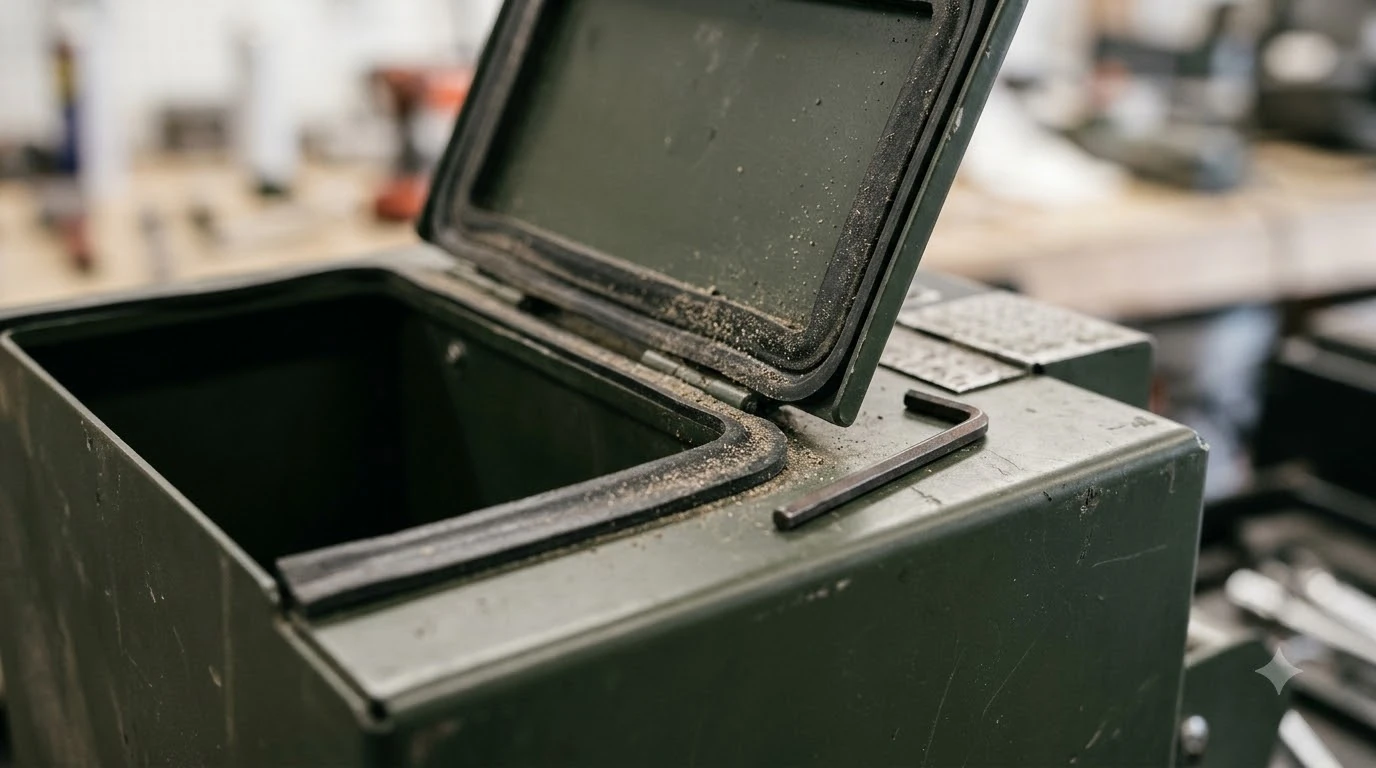

For a lithium vs lead acid robot mower battery, lithium lasts longer and weighs less, but lead-acid is rarely used in new models today. The main reason is cycle life: lithium packs are rated for many more charge cycles, which means fewer replacements over the mower’s life. Lead-acid is heavier and slower to charge. Figures differ by source, so check the rating on the specific pack you are buying.
The short answer
- Lead-acid: heavier, lower energy density, and shorter cycle life. Wikipedia gives a cycle life of “usually less than 500 deep cycles.”
- Lithium (Li-ion and LiFePO4): lighter and more energy-dense. A vendor table lists 500 to 2,000 cycles for standard lithium-ion and 2,000 to 5,000+ for LiFePO4.
- Charging: lithium packs charge faster, which matters for a mower that works in short bursts.
- Where it matters: a battery that is replaced after a few seasons costs more over time, even if the upfront price is lower.
Lithium vs lead acid robot mower battery: the basic difference
Both chemistries store energy in a rechargeable cell, but they handle repeated use very differently. Lead-acid is an older technology. The Wikipedia article on lead–acid batteries describes a “relatively short cycle lifespan (usually less than 500 deep cycles)” and notes that the battery has “relatively low energy density and heavier weight” compared with “more modern rechargeable batteries.” Its infobox lists a cycle durability of under 350 cycles, so the figures vary even within one reference. Battery weight affects traction, so see how robot mowers compared on slope handling in a single ranking before choosing a chemistry.
Lithium is the newer choice. Standard lithium-ion packs are light and compact. LiFePO4, a lithium iron phosphate variant, trades some energy density for stability and longer cycle life. For a robot mower, the practical result is that a lithium pack can often last longer before it needs replacing, while a lead-acid pack will likely need it sooner.
Heads up
Cycle numbers from different vendors do not always use the same definition of a cycle or depth of discharge. Compare packs by the rated cycles and the warranty, not by a headline lifespan in years.

Cycle life and what it means in years
A robot mower charges often, sometimes several times a day in a busy season. A vendor page from Tritek, a lithium battery maker, says a mower “may charge hundreds of times each year.” That makes cycle count more useful than calendar life. The same page gives these ranges: lead-acid at 300 to 500 cycles, standard lithium-ion at 500 to 2,000, and LiFePO4 at 2,000 to 5,000+. Because the page is from a lithium seller, its comparison is likely to favor lithium, so read it as a direction rather than a precise measure. To turn cycle counts into years you need capacity and charge time side by side for the models you are considering.
Our reading is that a lead-acid pack rated near 300 to 500 cycles can wear out far sooner than a LiFePO4 pack rated in the thousands, even if the mower is used the same way. The gap in years depends on how many charges your yard actually needs, which varies with lawn size, slope, and cutting schedule.
Weight, energy density, and the mower body
A lead-acid pack is heavier for the same stored energy. That matters on a robot mower because weight affects traction on slopes and wear on wheels and the chassis. Lithium packs are lighter, and standard lithium-ion gives the most energy per kilogram. LiFePO4 is heavier than standard lithium-ion and has lower energy density, so it needs more room in the housing. Chemistry is only half of the pack story, because how pack voltage changes mower power also affects runtime and charging.
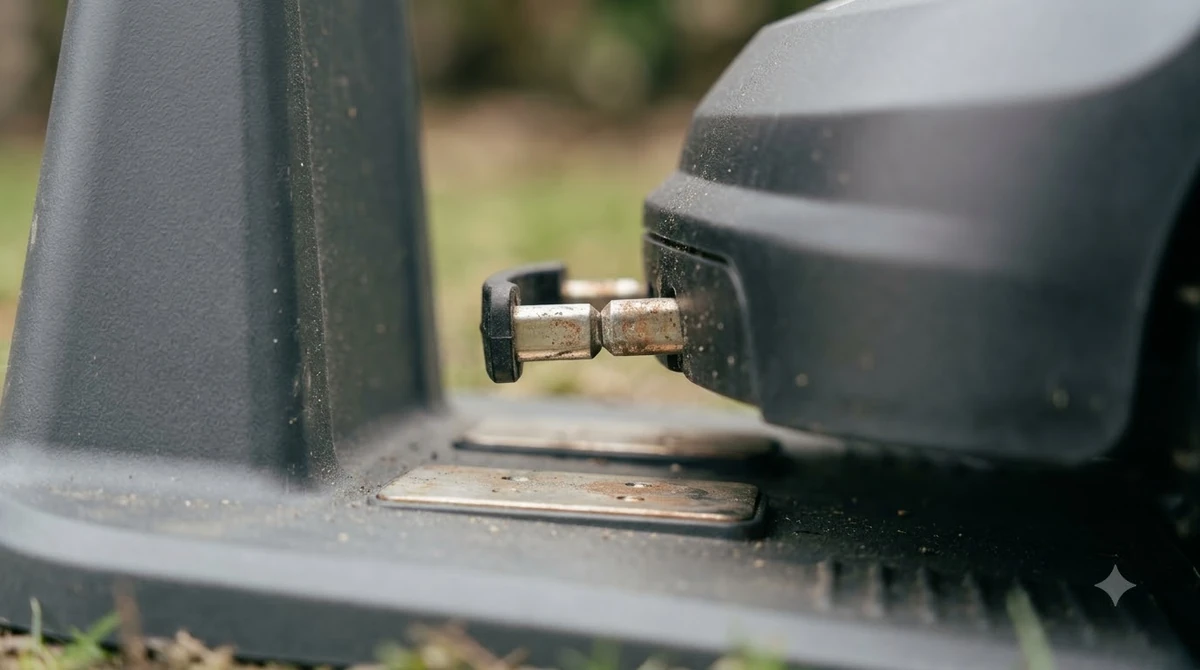
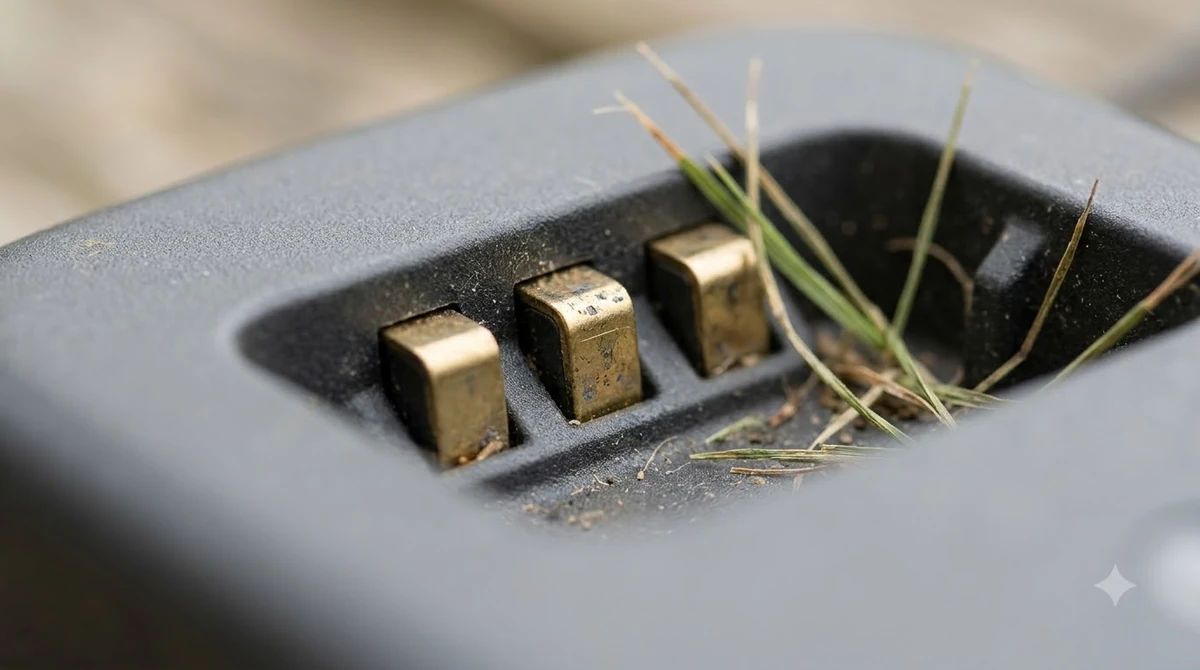
Check the battery bay before you buy. A lithium pack may fit only a specific model, and a lead-acid pack may not match the mower’s power or dock contacts. Do not assume a battery swap is simple.
Charging speed and temperature
Lithium charges faster. The Tritek page describes lead-acid as “slower to charge” and lithium as offering “fast charging,” and it recommends charging algorithms that manage the pack. Faster charging helps a mower that returns to the dock for short top-ups during the day. Cold weather and climbing both drain packs, so check slope limits and battery drain on hills before picking a battery type.
Temperature affects both. Robot mowers sit outdoors, so the battery sees heat in summer and cold in winter. The Tritek page notes that LiFePO4 has “excellent thermal stability,” and it recommends temperature-controlled charging for lithium packs. It does not give operating ranges for any chemistry, so read the manufacturer’s manual for the limits on your model before you leave a mower out in extreme weather.
Cost and total ownership
Lead-acid packs are cheaper at purchase, but the total cost depends on replacements. If a lead-acid pack needs replacing several times over the mower’s life, the savings can disappear. Lithium costs more upfront, and its longer rated life can offset that cost. Prices change often, so compare current quotes for the exact pack and check the warranty length. Ownership cost depends on whether packs can be swapped, and Lymow battery replacement details show how one maker handles it.
Also factor in disposal and whether a replacement pack is available for your model. Some mowers only take the maker’s own battery, which limits your options if a pack fails.
Which battery fits your mower
For most current robot mowers, a lithium pack is the practical choice. Lead-acid still appears in older designs and some budget machines, and it may make sense if you already own a compatible pack and the mower runs only a small lawn. If you are buying new, prefer lithium and read the warranty for cycle limits.
Whatever you pick, do not store the mower with a fully empty battery. Keep it charged within the manufacturer’s range over winter, and store it somewhere that does not get very cold or very hot.
Related reads: For a concrete case of pack replacement on a current model, see a Mammotion YUKA replacement battery pack and what it involves.
Frequently asked questions
Is lithium better than lead acid for a robot mower?
Usually yes, on cycle life, weight, and charging speed. Lead-acid is heavier and rated for fewer cycles, which means more replacements over time.
How many cycles does a lead-acid mower battery last?
Wikipedia describes lead-acid as usually less than 500 deep cycles. A vendor table lists 300 to 500 cycles. Check the rating on your pack.
Is LiFePO4 worth the extra cost?
For a mower that charges often, its rated 2,000 to 5,000+ cycles can make it a good value. It is heavier and less energy-dense than standard lithium-ion, so check it fits your model.
Can I replace a lead-acid pack with lithium?
Only if the lithium pack is designed for your mower’s model and charger. Do not swap chemistries without checking the manufacturer’s manual and warranty.
Sources
- Lead–acid battery (Wikipedia): cycle life, energy density, and weight of lead-acid batteries.
- Tritek, How to Choose a Robotic Lawn Mower Battery (vendor page): cycle ranges by chemistry, weight, and charging comparison.
 Up next7 min readReviews & CompareWhich Robot Mower Brand Lasts the Longest? What the Evidence ShowsUpdated Nov 11, 2026
 7 min readReviews & CompareRefurbished vs New Robot Mower: Warranty, Battery and App ChecksUpdated Nov 17, 2026
 8 min readReviews & CompareRobot Mower vs Battery Push Mower: Cost, Time and Lawn SizeUpdated Nov 17, 2026
 6 min readReviews & CompareRobot Mower Battery Size Comparison: Capacity, Runtime and ChargeUpdated Nov 17, 2026
 7 min readReviews & CompareRobot Mower Open Box vs New: Warranty, Battery and ReturnsUpdated Nov 13, 2026
 7 min readReviews & CompareRobot Mower Battery 18V vs 20V vs 28V: What the Numbers MeanUpdated Nov 13, 2026