
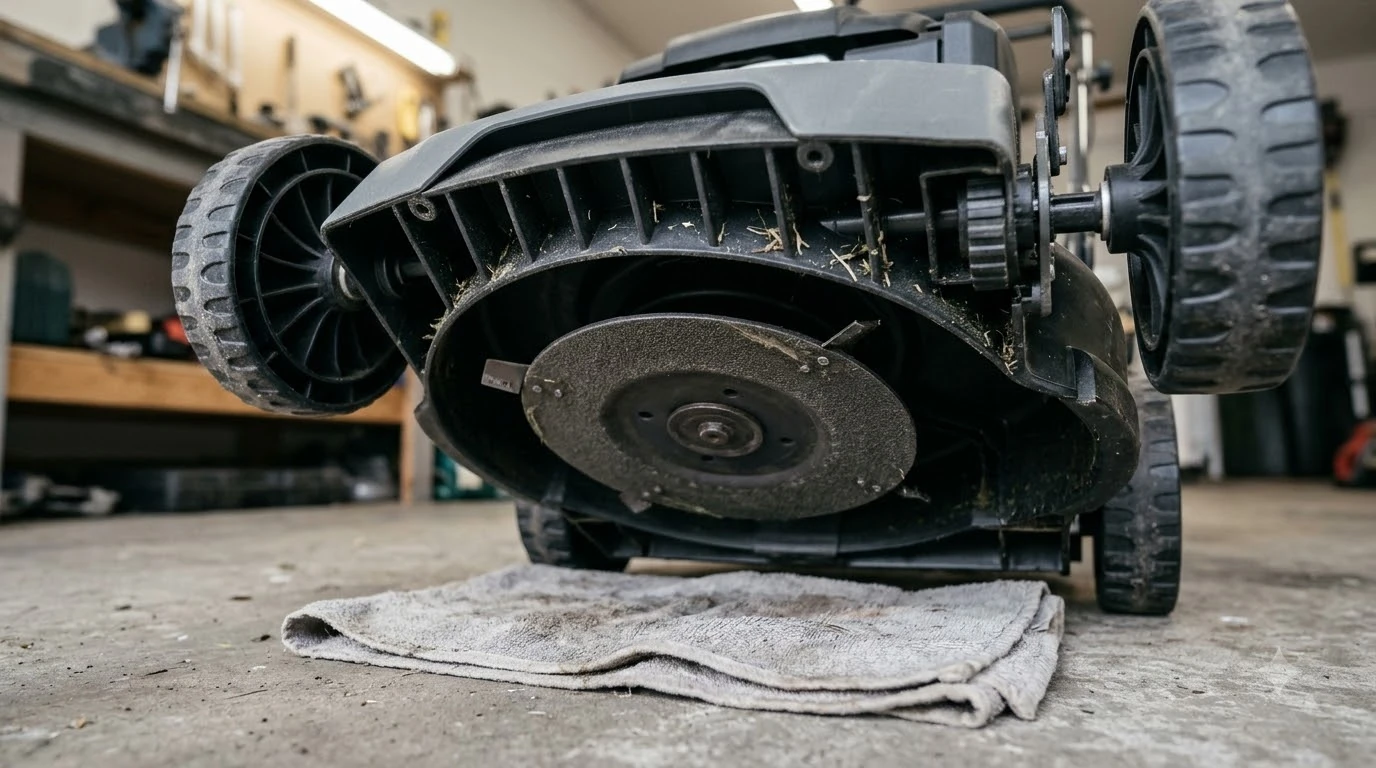

In a robot mower brushless vs brushed motor comparison, brushless is generally the more efficient and longer-lasting choice, while brushed motors cost less to buy. A brushed motor wears out its carbon brushes over time, and a brushless motor has none. Most of the numbers you will see come from manufacturers, so this guide separates what sources agree on from what is marketing.
The short answer
- Brushless: no brushes to replace, generally quieter, and usually more efficient, but more expensive to buy.
- Brushed: lower purchase price and simpler electronics, but the brushes wear and need replacing.
- The percentages and hour ratings: vendor figures exist, but we could not confirm them from an independent test.
- Our reading: if you expect the mower to run for many seasons, brushless is the safer long-term pick. If the budget is tight and the lawn is small, brushed can still do the job.
Robot mower brushless vs brushed motor: how they differ
Both motor types spin the cutting blades, and both are powered by the battery. The difference is how current reaches the rotating part. A brushed motor uses carbon brushes that press against a spinning commutator, which means physical contact that slowly wears away. A brushless motor uses magnets and solid-state electronics, so there is nothing to rub and wear down. The SlashGear explainer on brushed and brushless mowers describes this core difference in plain terms. Motor type matters most when the yard is hilly, so it helps to read how the published slope handling tested across robot mowers actually compares.

Efficiency and runtime
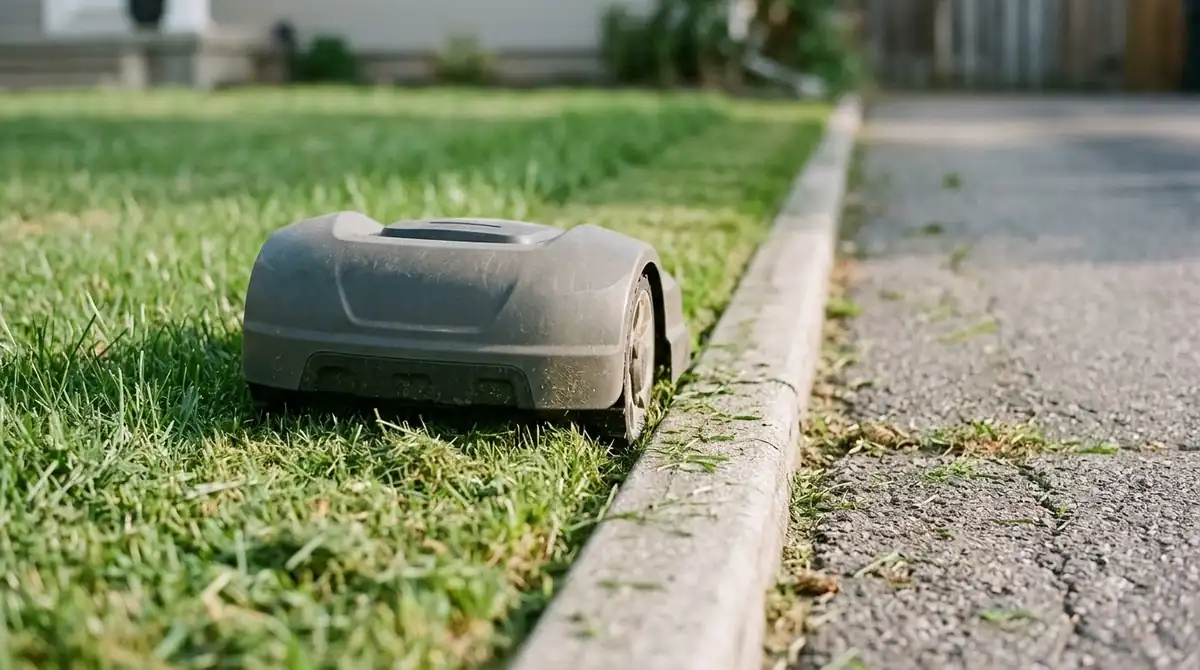
Brushless motors are generally described as more efficient, which means more of the battery’s energy turns into cutting power and less becomes heat. The Sunseeker guide to brushless mowers is a useful example of how manufacturers frame this. It lists brushed motors at 70 to 80 percent efficiency and brushless at 85 to 90 percent or higher, and says brushless mowers run 25 to 50 percent longer on the same battery. Motor efficiency only shows up in runtime when you know how battery capacity compares across models, so check both numbers together.
Those figures come without a named test or outside source. Sunseeker sells brushless robot mowers, so read them as the company’s claims. The direction of the difference is consistent across sources, but the exact size of the gap is not something we could confirm.
Lifespan and maintenance
Brush wear is the main reason brushed motors need attention. Once the brushes wear down, performance drops and the brushes must be replaced. Sunseeker’s page gives a rating of 1,000 to 3,000 hours for a brushed motor and 10,000 hours or more for a brushless one, but it does not say how those hours were measured. Treat the hour ratings as a guide to the direction, not a promise. Wear on a motor is only one part of long-term upkeep, and lithium versus lead acid pack chemistry changes the other part. Motor load also depends on the cutting parts, which is why plastic and metal blade wear differences are worth reading next.
In practice, a brushless motor needs very little routine care beyond keeping the deck clean and the blades sharp. A brushed motor is not hard to maintain, but it adds one more part to check and replace over the life of the mower. That is a small job, yet it is one a brushless owner does not have to plan for.
Noise, power, and cost
Brushless mowers are generally quieter. Sunseeker puts brushed mowers at about 85 to 95 dB and brushless at about 70 to 85 dB, which again is the vendor’s figure. For a robot mower that runs while the household is awake, a quieter motor is a real benefit, and it is one of the few differences buyers notice in daily use. Brushless motors are often marketed on lower upkeep, so compare that claim with yearly upkeep costs for a robot mower.
Brushless models usually cost more. Sunseeker’s price ranges put brushed mowers at roughly $200 to $600 and brushless at roughly $400 to $1,500 or more, and prices change often, so check current listings. Some sources also suggest brushed motors deliver steadier power on demand, though the evidence for that is thin. Our reading is that the higher price of brushless is easiest to justify on a large lawn or a lawn with thick grass, where you want the motor to keep its torque.
Who each motor type suits
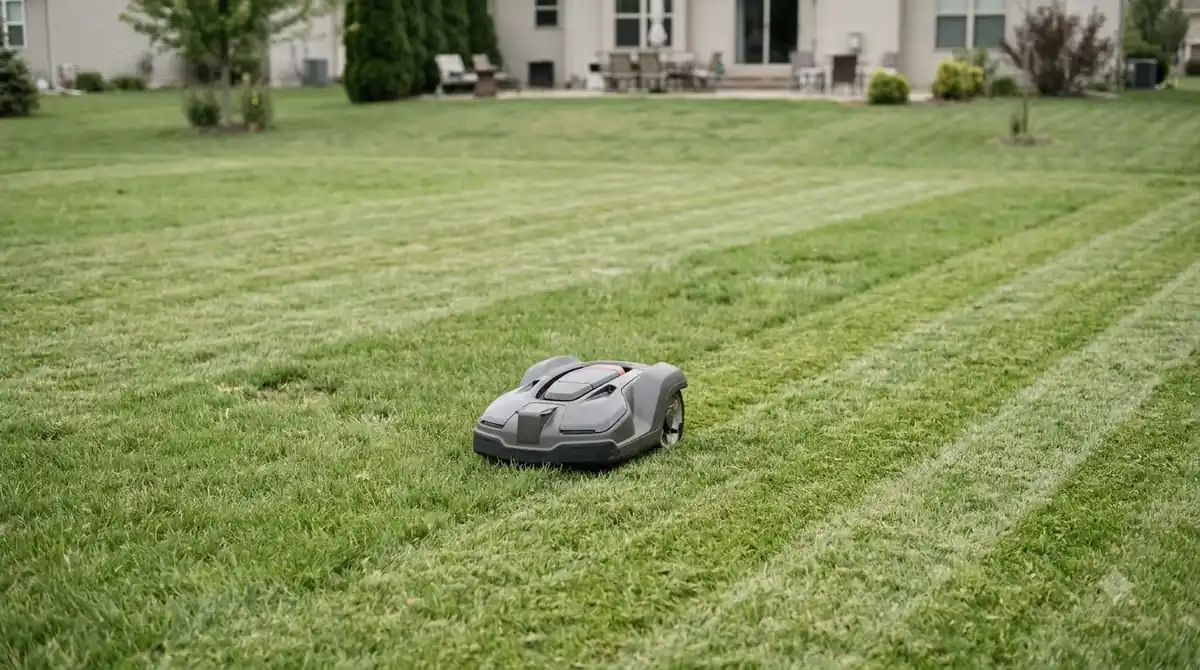
Brushless suits owners who plan to keep the mower for years, want fewer maintenance tasks, or run it often in the evening or early morning when noise matters. It also suits larger lawns and thicker grass, where the extra efficiency and torque help the mower work longer on one charge.
Brushed suits a small, flat lawn, a tight budget, or an owner who expects to replace the mower before the brushes ever need attention. It is a reasonable choice when the price gap is large and the mower will run for short sessions only.
Before you buy, check the specification sheet for the motor type. Some manufacturers name the motor clearly, and others bury it in a longer product description. If the sheet does not say, ask the seller directly.
Related reads: Motor choice interacts with the drivetrain, and front and rear drive wheel layouts change how that power reaches the lawn.
Frequently asked questions
Is a brushless robot mower worth the extra cost?
It depends on lawn size, how long you plan to keep the mower, and how much you value quiet running. Brushless motors are generally more efficient, quieter, and need less maintenance, but they cost more up front. For a small, flat lawn the difference may matter less than the price.
How do I know if a robot mower has a brushless motor?
Look for the motor type on the specification sheet or in the product name. If it is not listed, the seller should be able to tell you. Do not assume: brushed and brushless models are often sold side by side in the same product line.
Do brushes in a brushed motor need replacing?
Yes, brushes wear down over time, and worn brushes reduce performance and efficiency. Sunseeker suggests replacement every one to two seasons for brushed motors, though actual intervals depend on use. Check the manufacturer’s maintenance guide for your model.
Is a brushless motor quieter in use?
Manufacturers generally say so, and the difference is one of the more consistent claims across sources. The exact decibel figures vary by model and source, so compare the spec sheets for the models you are considering rather than relying on one number.
Sources
- What’s the Difference Between Brushed and Brushless Lawn Mowers? (SlashGear): the core difference between brush-based and solid-state motors, and the general direction on lifespan, noise, and cost.
- What is a brushless lawn mower? (Sunseeker, a manufacturer): efficiency, runtime, lifespan, noise, and price ranges. These are vendor figures without a stated test method.
 Up next7 min readReviews & CompareRobot Mower With App vs Without App: Which to BuyUpdated Nov 17, 2026
 10 min readReviews & CompareEcovacs vs Navimow: Which Robot Mower to Buy in 2026Updated Nov 16, 2026
 9 min readReviews & CompareLymow One Alternatives: Specs to Compare Before You BuyUpdated Nov 14, 2026
 8 min readReviews & CompareAnthbot M5 Alternatives: What to Compare Before You BuyUpdated Nov 11, 2026
 7 min readReviews & CompareLymow One Review: What the Sourced Specs Say Before You BuyUpdated Nov 12, 2026
 9 min readReviews & CompareRobot Mower Brands to Avoid: How to Judge a Brand Before You BuyUpdated Nov 11, 2026