
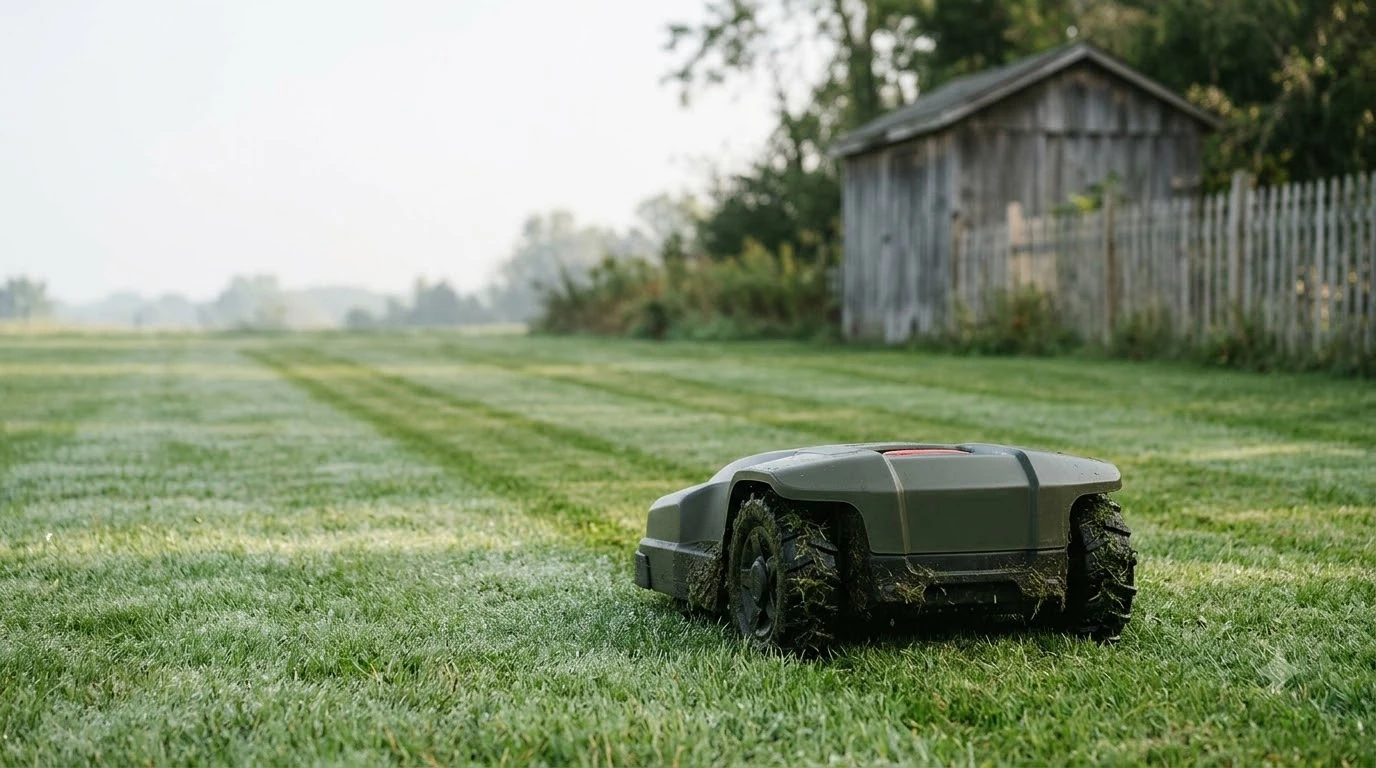

The best robot mower for Oklahoma lawns is the one whose cut-height range reaches your grass type, whose rated area leaves margin for your yard, and whose storm and heat behavior fits a state with hot summers and sudden weather. Oklahoma yards mix warm-season grasses such as bermudagrass with cool-season tall fescue, so the first job is to identify your lawn before comparing models. This guide covers what to check and why, using university extension guidance where it applies.
The short answer
- Identify the grass first: bermudagrass and tall fescue are managed at different heights, so the mower’s height range has to cover the grass you actually have.
- Size by usable lawn: subtract beds, trees, the house footprint and play areas from the total before you trust a rated area.
- Check heat and storm handling: look for a rain or weather routine that parks the mower during storms.
- Plan for drought: a stressed lawn should be cut higher, so favor a height setting you can change quickly.
- Pick the boundary to fit the yard: a physical wire or a virtual boundary, depending on shape and obstacles.
Start with your grass type, not the mower
Oklahoma is a transition zone, and the lawn you inherited may be bermudagrass, tall fescue, or a mix of both. The grass decides the cutting height, and the cutting height decides how much adjustment range you need from the mower. Oklahoma grass types overlap with those in the Southeast, so the guide to robot mowers for the Southeast adds regional context. Next door in Texas, the picks for robot mowers for Texas lawns show how grass type shapes the shortlist.
Cool-season grasses are managed higher. Purdue’s optimum mowing-height table lists tall fescue at 3.0 to 4.0 inches and Kentucky bluegrass at 2.0 to 3.5 inches, and it warns that mowing significantly below the optimum range creates weak turf that needs more inputs. Warm-season bermudagrass is generally kept lower than tall fescue, so a mower with a narrow top-end height setting may not suit a tall fescue lawn, and a mower stuck at a high minimum may not suit a bermuda lawn.
Heads up
Do not guess the grass. Check the sod or seed label, or ask the company that installed the lawn. Many Oklahoma yards have patches of both types, and a single mower setting will not fit both perfectly. Pick the setting for the grass that covers most of the yard.
Size the mower to the usable lawn
A rated area on a spec sheet is a ceiling, not a target. It assumes open ground, and most Oklahoma yards have mature shade trees, flower beds, sprinkler heads and a patio or deck that the mower has to go around. Measure the lawn you actually want cut, then pick a model with a rated area that sits comfortably above that number.
| Factor | What to check | Why it matters in Oklahoma |
|---|---|---|
| Usable lawn area | Measure after subtracting beds, trees and hardscape | Obstacles reduce the area the mower can cover efficiently |
| Height range | Minimum and maximum cut height | Bermuda and tall fescue are managed at different heights |
| Slope rating | Maximum slope inside the cutting area and at the boundary | Older neighborhoods and rolling lots can be steeper than they look |
| Weather rating | Water-resistance rating and rain routine | Spring and summer storms arrive fast and often |
| Boundary method | Physical wire, virtual boundary, or both | Affects install effort around beds, trees and irrigation |
Our reading is that a margin of at least 20 percent above the usable area is a sensible buffer, since mowers rarely cover a yard in a perfect pattern and extra capacity lets the mower finish during a shorter window. Treat the manufacturer’s figure as a starting point and confirm it against your own measurements.
Cut height for bermudagrass and tall fescue
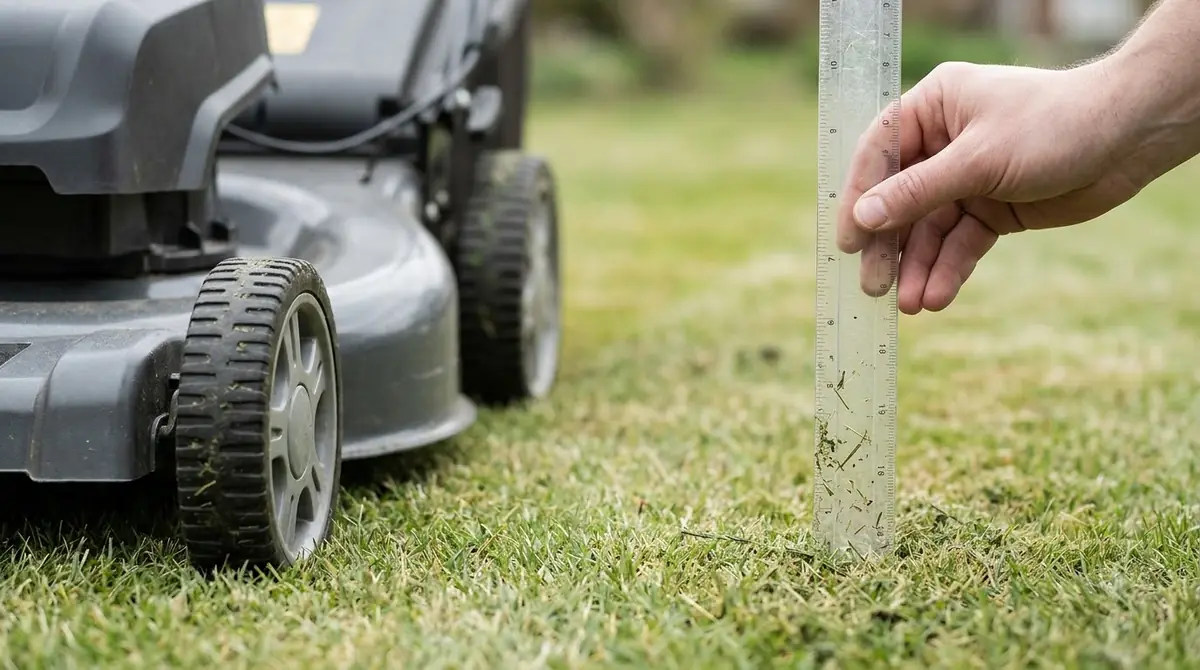
Set the height by grass type and then adjust for season. The cut height should move up as the weather heats, because taller grass shades the crowns and supports deeper roots during stress. Bermudagrass and tall fescue want different heights, so review cutting height settings on robot mowers first.
The steps below give a practical order for setting a robot mower in an Oklahoma yard. They rely on the general rule of thumb that a single cut should never remove more than one-third of the grass leaf, a principle that the University of Wisconsin extension states clearly and that applies to any lawn.
- Confirm the grass. Check the label or ask the installer before you set anything.
- Set the height from the grass table. Use the range that matches bermuda or tall fescue, not the mower’s default.
- Raise the setting in summer. When heat and drought stress the lawn, move the height up rather than cutting it short.
- Respect the one-third rule. If the grass has grown long between runs, lower the height gradually over a few mowings instead of in one step.
- Leave the clippings. Short clippings filter back into the lawn and return nutrients, so a robot mower’s mulching action is a plus.
For tall fescue in the northern part of the state, Iowa State Extension advises higher summer heights for cool-season turf, noting that taller leaf area shades the crowns and cools the plants. That same reasoning applies to Oklahoma heat even where the grass is bermudagrass, although the actual height numbers should follow the grass type.
Heat, drought and summer storms
Oklahoma summers combine high temperatures, dry spells and sudden storms. A robot mower works through this weather differently from a push mower, so the questions to ask are about scheduling and protection rather than about how hard the machine can work. Summer storms can disrupt a schedule, and the frequent-thunderstorm mowing routine explains how to plan around them. For the hottest weeks, read how robot mowers for Texas heat handle high temperatures and charging. Heat, drought and summer storms shape the setup across the South, and this guide to a robot mower for Florida summers applies similar logic to a humid climate.
Look for a mower with a weather-aware routine that can park itself when rain is forecast or when a storm front arrives. Avoid running a mower on wet grass if the manufacturer advises against it, because wet clippings clump and wet soil can rut. Keep the docking station on level, well-drained ground, and check that the charging contacts stay clear of debris after a storm.
During a drought, the lawn may stop growing and go dormant. Mowing a dormant lawn low can stress it further. Our reading is to raise the cut and reduce the mowing frequency until the grass resumes growth, rather than trying to keep a brown lawn at a tidy height.
Slopes, boundary wire and yard shape
Many Oklahoma lots are flat, but older neighborhoods and rolling properties can have banks, drainage swales and slopes near the edge of the lot. The slope rating on a spec sheet usually has two numbers: one for the inside of the cutting area and one for the boundary. Read both. Uneven yard shapes can trap a mower, so see robot mowers that avoid getting stuck for what to look for.
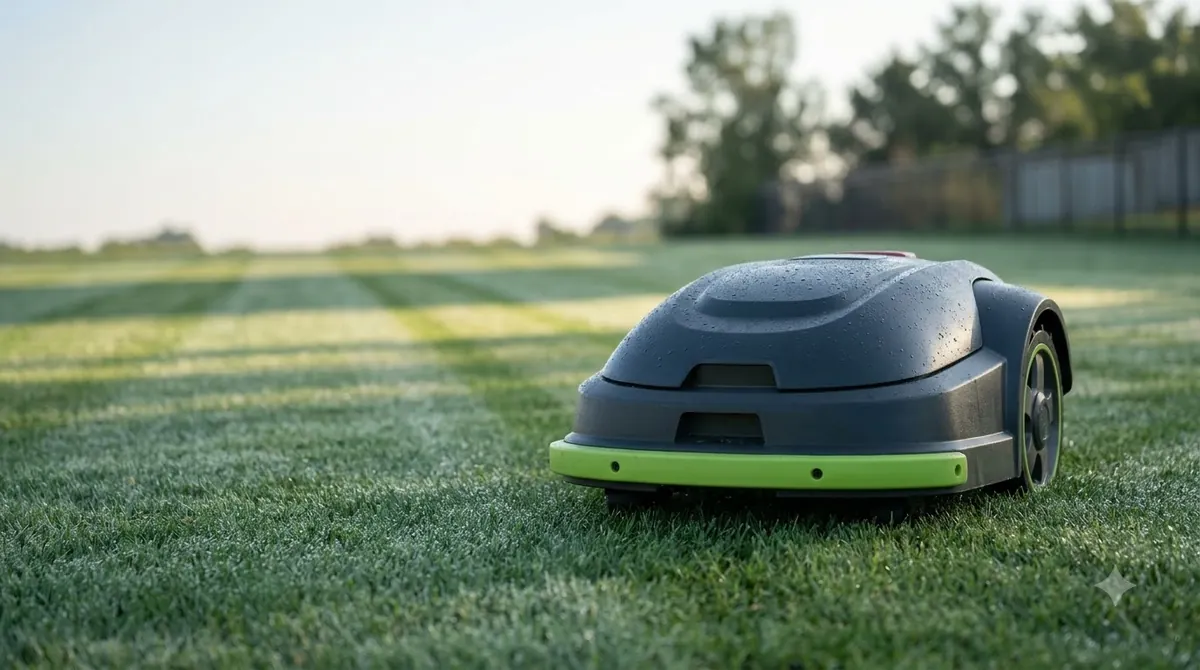
A physical perimeter wire gives a clear edge and works well around beds and tree rings. A virtual boundary can be quicker to set up, but it depends on the mower’s positioning system and may need more care in yards with many trees. Our reading is that a yard with many trees, sprinklers and beds benefits from a clear physical edge, while an open lot can use the simpler method.
What to check before you buy
Before you order, confirm the rated area against your measured lawn, check the height range against the grass type, read the slope and weather ratings, and ask how the mower handles storms. Ask whether replacement blades and the docking station are available locally, because a robot mower spends its life in the weather and parts matter.
Finally, compare the boundary method and the installation work. A model that sounds simple on a spec sheet may need more setup time in a yard full of obstacles, so plan the installation before the purchase.
Frequently asked questions
What cut height should I use for bermudagrass in Oklahoma?
Bermudagrass is a warm-season grass managed lower than tall fescue. Check your grass type and use the height range that matches it, then raise the setting during heat and drought.
Is a robot mower enough for a yard with lots of trees?
It can be, but measure the usable lawn after subtracting tree areas and beds. Choose a model with margin above that number and a boundary method that handles obstacles well.
Should a robot mower keep running during a storm?
No. Choose a mower with a weather routine that parks during rain or storm warnings, and keep the docking station on well-drained ground.
Can I leave clippings on the lawn?
Yes. The University of Wisconsin extension notes that clippings filter down, decompose and return nutrients, and they do not cause thatch. A robot mower’s frequent short cuts make this easy.
Sources
- Purdue Turfgrass Science, Turf 101: Optimum mowing heights for turf (university extension): optimum ranges for tall fescue, Kentucky bluegrass and related species, and the warning about cutting too low.
- UW-Madison Extension, Mowing can make or break lawns (university extension): the one-third rule, leaving clippings, and mowing based on growth rate.
- Iowa State University Extension, summer mowing height FAQ (university extension): higher summer cuts for cool-season turf and why taller leaf area helps during heat.
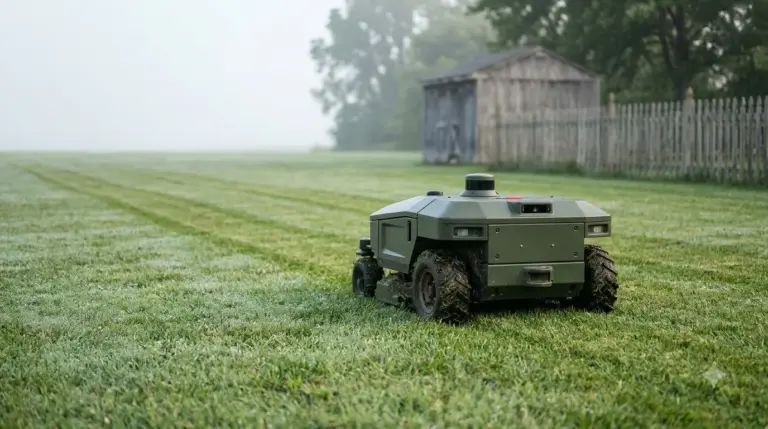 Up next8 min readBest Robot MowersBest Robot Mower for Nevada Lawns: Heat and Water GuideUpdated Nov 18, 2026
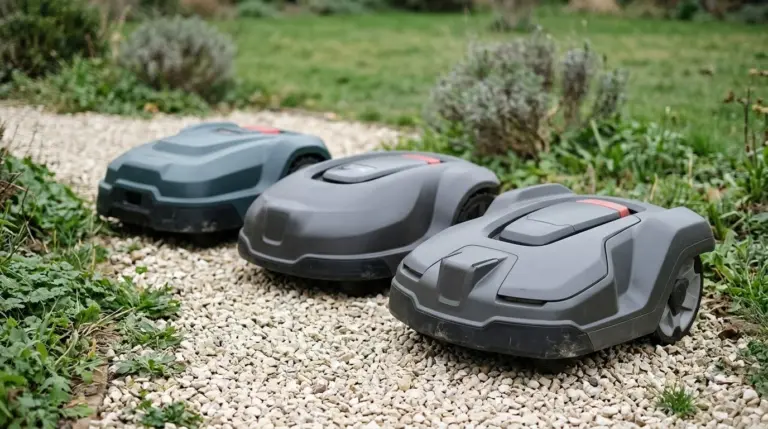 8 min readBest Robot MowersBest Robot Mower for Arizona Desert Lawns: Heat, Dock and HeightUpdated Nov 14, 2026
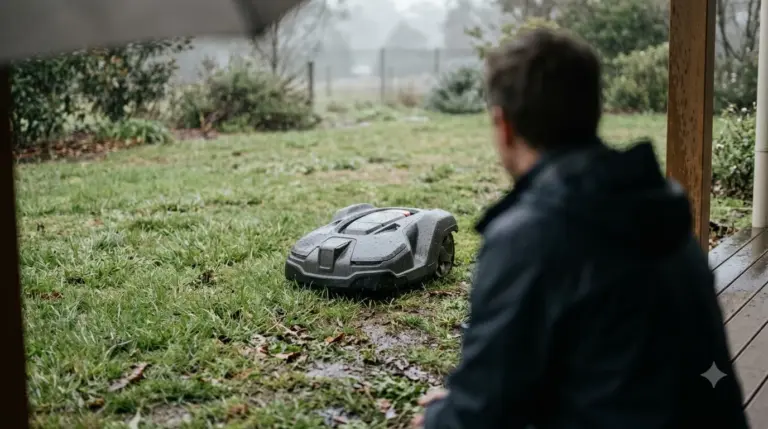 7 min readBest Robot MowersBest Robot Mower for Florida Summers: Rain, Heat and ScheduleUpdated Nov 17, 2026
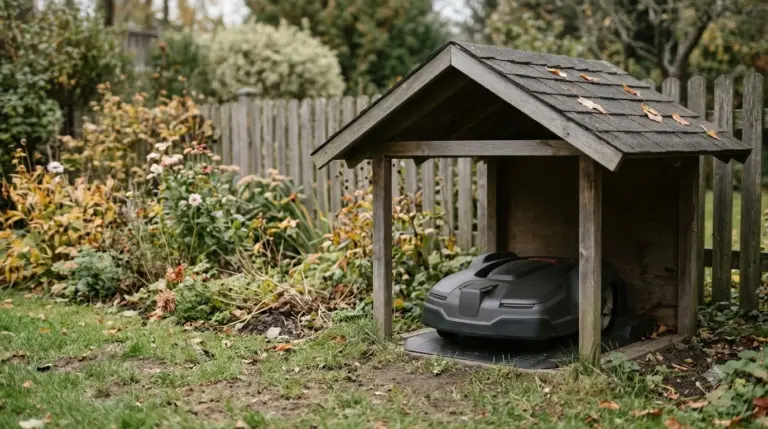 7 min readBest Robot MowersBest Robot Mower for Texas Heat: Charger, Schedule and LimitsUpdated Nov 17, 2026
 6 min readBest Robot MowersBest Robot Mower for the Carolinas: Match the GrassUpdated Nov 14, 2026
 8 min readBest Robot MowersBest Robot Mower for Idaho Lawns: Cool-Season Grass GuideUpdated Nov 18, 2026