

In a robot mower plastic vs metal blades comparison, blade quality and how often you replace the blades matter more than the material. We could not find an independent test that compares robot mower blades made from plastic with those made from metal. The material debate is mostly about mower decks, and the blade advice that does exist is about wear and replacement. This guide separates the two.
The short answer
- No head-to-head data: we found no published test that ranks robot mower blade materials for durability.
- Deck material is different: metal decks are often described as sturdier than plastic or composite decks, but that is about the housing, not the blades.
- Replacement matters most: robot mower blades are usually replaced rather than sharpened, and frayed or brown-tipped blades are the usual sign.
- Quality over material: cheap blades can break, and fragments left on the lawn are a safety risk, whatever the material.
Robot mower plastic vs metal blades: what the debate covers
When people talk about plastic vs metal on a mower, they often mean the deck, the shell that covers the blades and motor. The SlashGear article on avoiding plastic mower decks makes the case for metal decks, and it is a deck argument, not a blade argument. Blades are a separate, consumable part that most owners replace on a schedule. Blade count changes how often parts wear, and single disc versus multi-blade designs compares the options.
What sources say about metal and composite decks
The clearest statement in the deck debate comes from Bryan Clayton, CEO of the landscaping site GreenPal, who told House Digest in 2024: “stay away from mowers with plastic decks; they just don’t hold up. A metal deck is sturdier and lasts much longer.” That is one expert’s view, and it is about durability of the housing, not the blades.
The same article makes the trade-offs clear. A metal deck can weigh about twice as much in some cases and can cost more. Composite decks resist rust, which is a real advantage for steel, and some owners paint the underside of metal decks to protect them. Honda’s polymer NeXite deck is marketed as dent-resistant. Composite decks also raise questions about brittleness after long sun exposure and rock strikes, which the article notes some owners have reported.
Blade wear, replacement, and what to look for
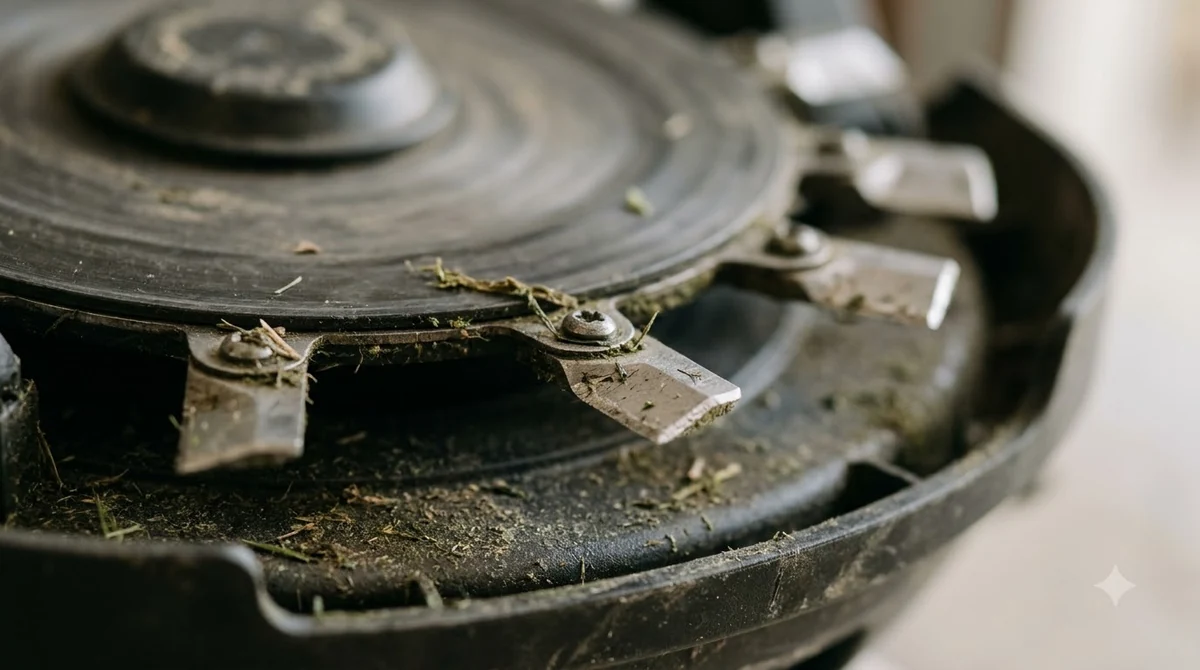
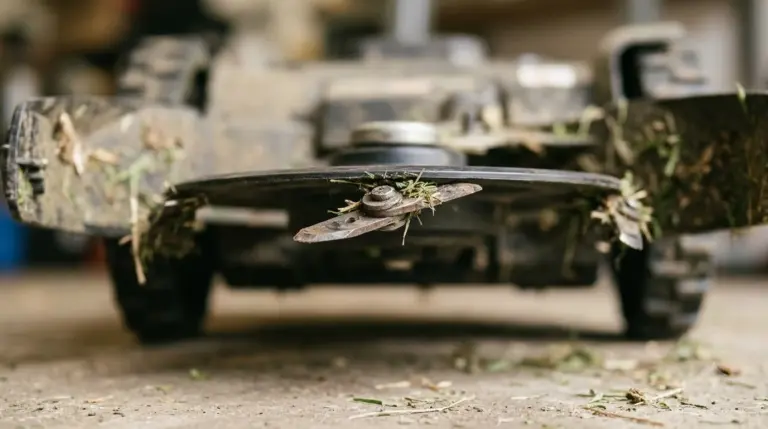
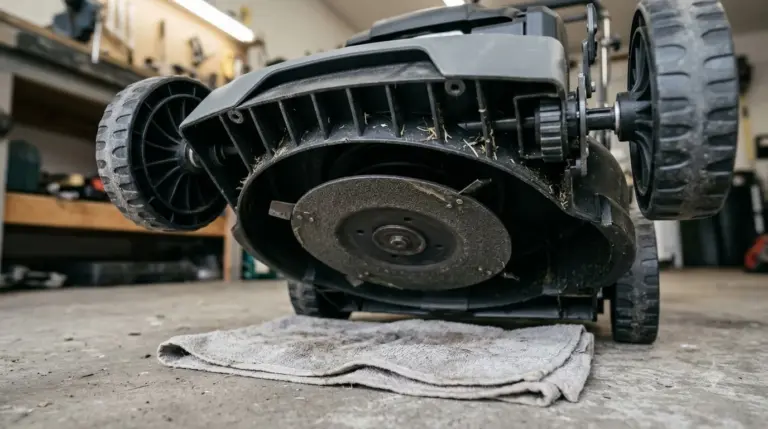
Robot mower blades wear out through use, not through the material alone. The Robomow guide to replacing robot mower blades gives the practical signs. Frayed tips are the clearest sign of dull blades. Brown grass tips make the lawn look unhealthy. Louder running and higher power use, which means more trips to the charging station and shorter runtimes, are also signs of wear. Layouts also affect wear, and single and dual blade layouts are compared in a separate guide. Material influences how often blades are replaced, and blade replacement budget lays out the yearly cost. Blade type is a hidden running cost, and the Segway Navimow X3 value assessment weighs the model’s overall value.
The replacement interval depends on blade design. According to Robomow, three-blade knife plates usually need changing every one to three months because their thinner blades wear faster, while star plates may last only one season and cost more. The guide also says the timing should be judged by cut quality rather than the calendar alone, since heavy use, spring growth, and tough lawns all shorten blade life.

Quality matters more than the material label
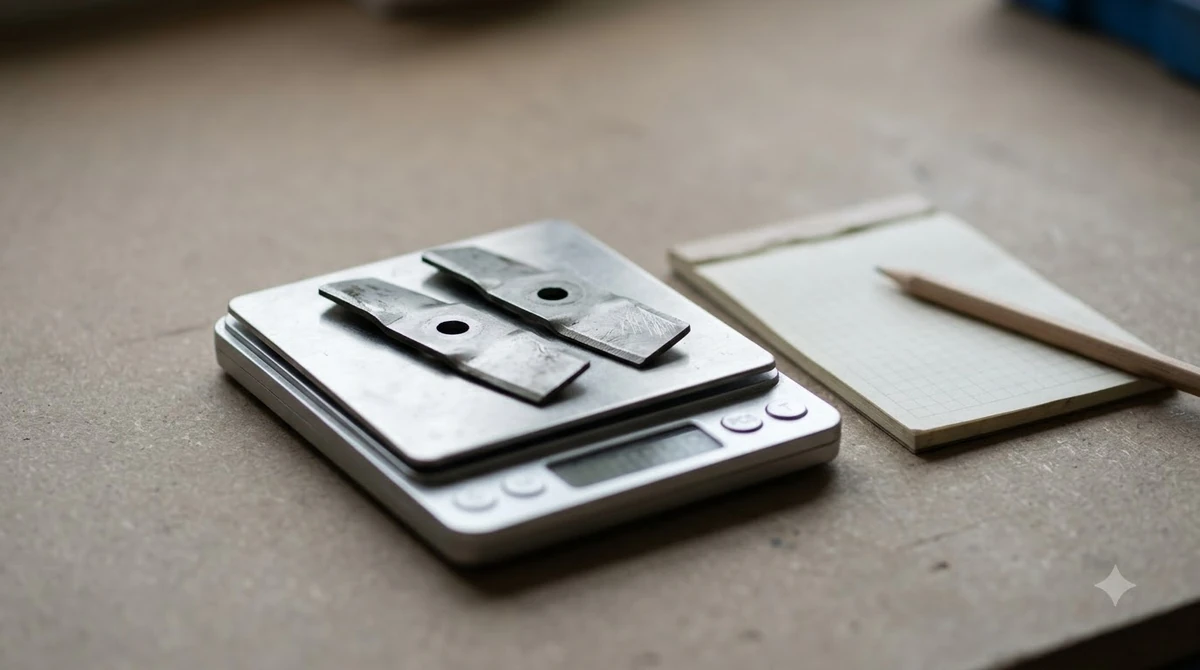
Robomow notes that higher-quality blades generally last longer than cheap imitations, and that cheap blades can break. Broken fragments left on the lawn are a safety hazard for pets, children, and the mower itself. That point holds whatever the blade is made from, so the sensible test is the brand’s blade specification and reviews from owners who have used the same model for a season or more.
Our reading is that a plastic blade and a metal blade are not a meaningful choice on their own. Buy blades that match your mower model, keep them clean and sharp, and replace them before they fray. Sharpening is not the usual approach for robot mower blades, because most manufacturers sell them as replaceable consumables.
Keeping blades in good shape
Robomow suggests clearing fallen fruit, cones, and branches from the lawn, since these strike and damage blades. Shorter mowing sessions reduce wear, and dry, sandy soil tends to keep blades sharper for longer than wet or heavy ground. Check the blades every time you clean the mowing deck, which is the easiest habit to keep.
Who each approach suits
A metal deck suits a buyer who expects rough use, rocky ground, or a long ownership period, and who accepts extra weight and cost. A composite or plastic deck suits a smaller, simpler lawn with a tight budget, and its rust resistance is a real benefit in wet climates. Neither choice removes the need to replace blades on schedule.
For blades specifically, the most useful choice is a replacement set that fits your model and comes from a brand with clear specifications. Compare the blade style, the replacement schedule the maker recommends, and what owners report after a full season.
Related reads: For broader hardware comparisons, robot mowers compared on slopes cover drive, battery and cutting systems together.
Frequently asked questions
Are plastic robot mower blades worse than metal ones?
We could not find an independent test that compares robot mower blade materials. Blade quality, sharpness, and replacement timing matter more than the material label. Check the maker’s specifications and buy blades that match your mower model.
Is a metal mower deck better than a plastic one?
Many sources describe metal decks as sturdier and longer-lasting, though they are heavier and can cost more. Composite decks resist rust and dents well. The best choice depends on your lawn, budget, and how hard you use the mower.
How often should robot mower blades be replaced?
Robomow says three-blade knife plates usually last one to three months, while star plates may last a season. Replace blades when the tips fray, grass tips turn brown, or the mower runs louder and draws more power. Heavy use shortens these intervals.
Can robot mower blades be sharpened instead of replaced?
Most robot mower blades are sold as replaceable parts rather than blades to sharpen, and the manufacturer’s guidance is the best guide. Frayed or bent blades should be replaced, because they cut poorly and can break.
Sources
- Why You Might Want To Avoid A Lawn Mower That Has A Plastic Deck (SlashGear): the deck durability, weight, and corrosion arguments, including the GreenPal CEO quote.
- How often do you have to replace the blades of a robotic lawnmower? (Robomow, a manufacturer): replacement intervals, wear signs, and blade quality notes. This is vendor guidance.
 Up next6 min readReviews & CompareSingle Blade Disc vs Multi Blade Robot Mower: Cut, Upkeep and CostUpdated Nov 14, 2026
 7 min readReviews & CompareRobot Mower Blade Replacement Cost Per Year: Brand FiguresUpdated Nov 17, 2026
 7 min readReviews & CompareIs the Lymow One Worth It? Coverage, Slope and Blade CostsUpdated Nov 16, 2026
 9 min readReviews & CompareSingle Blade vs Dual Blade Robot Mower: What the Sources ShowUpdated Nov 11, 2026
 7 min readReviews & CompareRobot Mower vs Sheep Grazing: Which Suits Your LandUpdated Nov 17, 2026
 6 min readReviews & CompareBrushless vs Brushed Robot Mower Motors: Which to BuyUpdated Nov 17, 2026