
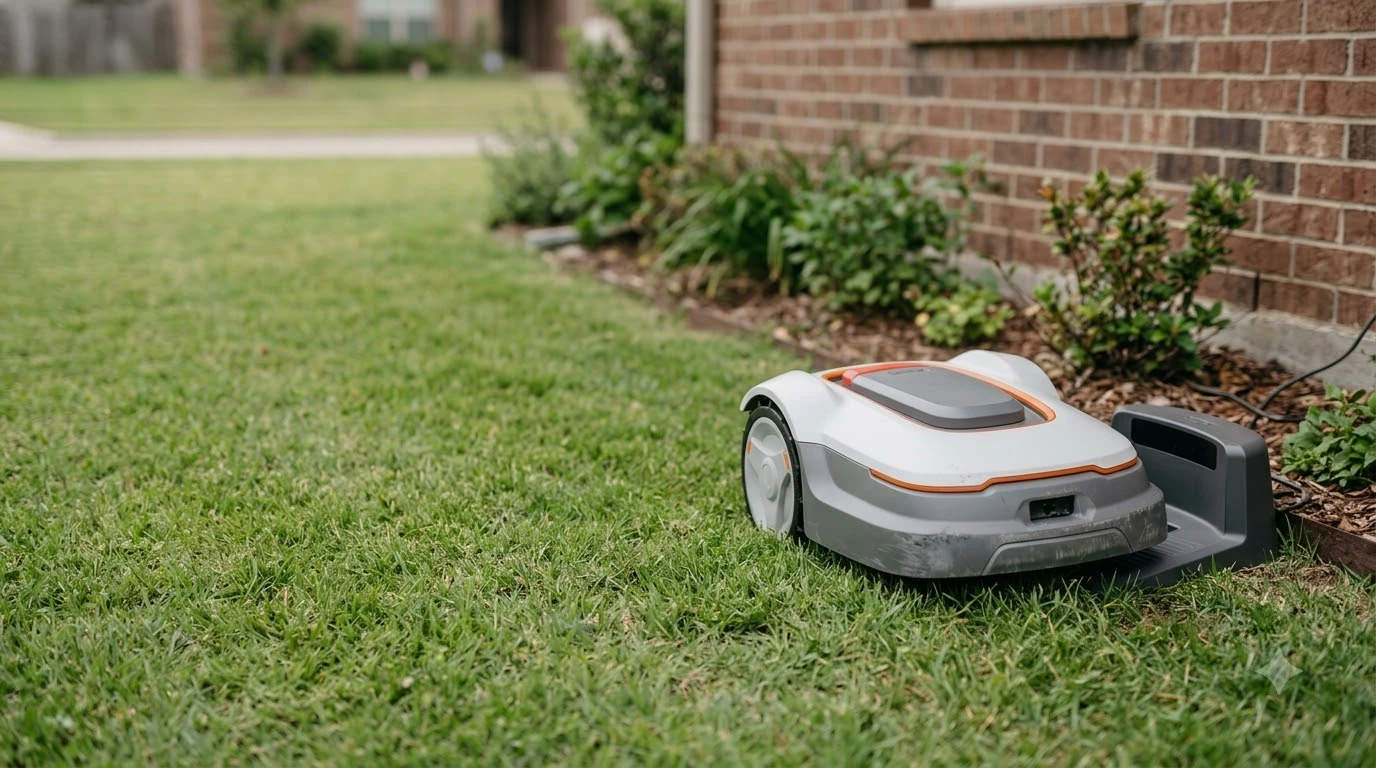

The most popular robot lawn mower in the US cannot be confirmed from public data. No source we could read publishes US unit sales for robot mowers, so brand roundups and best-seller pages are the only signals, and they do not agree. As of November 2026, Mammotion LUBA and Husqvarna Automower are among the names that show up in those roundups.
The short answer
- No verified sales ranking. We did not find a public source that counts robot mower sales by model.
- Brands that come up. Mammotion LUBA and Husqvarna Automower are among the names in the roundups we reviewed.
- Popularity is not fit. Lawn size, slope and navigation type decide which popular model suits your yard.
Why no source can name the most popular robot lawn mower in the US
No public source we could read publishes US unit sales for robot mowers, so no single model can be confirmed as the most popular. The best-seller and “top picks” pages we found do not show sales counts or the time window behind their order. Treat them as marketing lists, not market data.
Brand sites add another layer. Manufacturers publish their own claims and rankings, which are useful for specs but do not measure market share. In our reading, a list on one retailer or brand site often reflects what that seller stocks or promotes.
Which brands come up in roundups, and what that does and does not mean
Mammotion’s LUBA line and Husqvarna’s Automower line are among the names that appear in the US roundups we reviewed. Husqvarna’s US lineup page calls Automower “the world’s leading robotic lawn mower” and says more than three million homeowners and professionals trust the mowers. Those are the company’s own claims, not an independent count.
Our reading is that presence in roundups reflects marketing reach as much as sales, so the most popular robot lawn mower in the US label needs care. Use these names as a starting point for a shortlist, then check the specs that match your yard. Our Mammotion vs Husqvarna robot mower comparison sets the two brands side by side.
Start with lawn size, measured in acres
Lawn size is the first filter. Mammotion’s 2026 buyer guide advises thinking in acres and choosing a mower rated slightly above your lawn size. It sorts buyers into small (under 0.25 acre), medium (0.25 to 0.75 acre) and large (0.75 acre to 2 acres or more) groups.
Husqvarna’s US page states its sizes with a tolerance of plus or minus 20 percent. The table lists the models that state a size, as of November 2026.
| Model | Lawn size (plus or minus 20%) | Boundary types listed |
|---|---|---|
| Automower 410 iQ | 0.5 acre | Physical wire, virtual wire |
| Automower 420 iQ | 1 acre | Physical wire, virtual wire |
| Automower 435X AWD | 0.9 acre | Physical wire |
| Automower 435 iQ AWD | 1.3 acres | Virtual wire, physical wire |
| Automower 440 iQ | 2 acres | Virtual wire, physical wire |
| Automower 560 EPOS (commercial line) | 1.5 acres | Virtual wire |
| Automower 580 EPOS (commercial line) | 2 acres | Virtual wire |
Our reading is that a mower sized exactly to your lawn has no margin for odd shapes, narrow strips or grass that grows fast in spring. A rating one size up gives room for those cases. If you are still sizing up, read how to choose a robot mower for your lawn size.
Check slope ratings and terrain before you buy
Slope is the second filter, and the claims are not uniform. Husqvarna’s US page says the Automower 435 iQ AWD “navigates slopes up to 70%,” and it gives no slope figure for the other models it lists. Mammotion warns that “manufacturer slope ratings don’t always tell the full story,” and advises prioritizing traction on uneven lawns. Its guide groups slopes as moderate at 15 to 45 percent and steep or uneven at 45 percent and above.
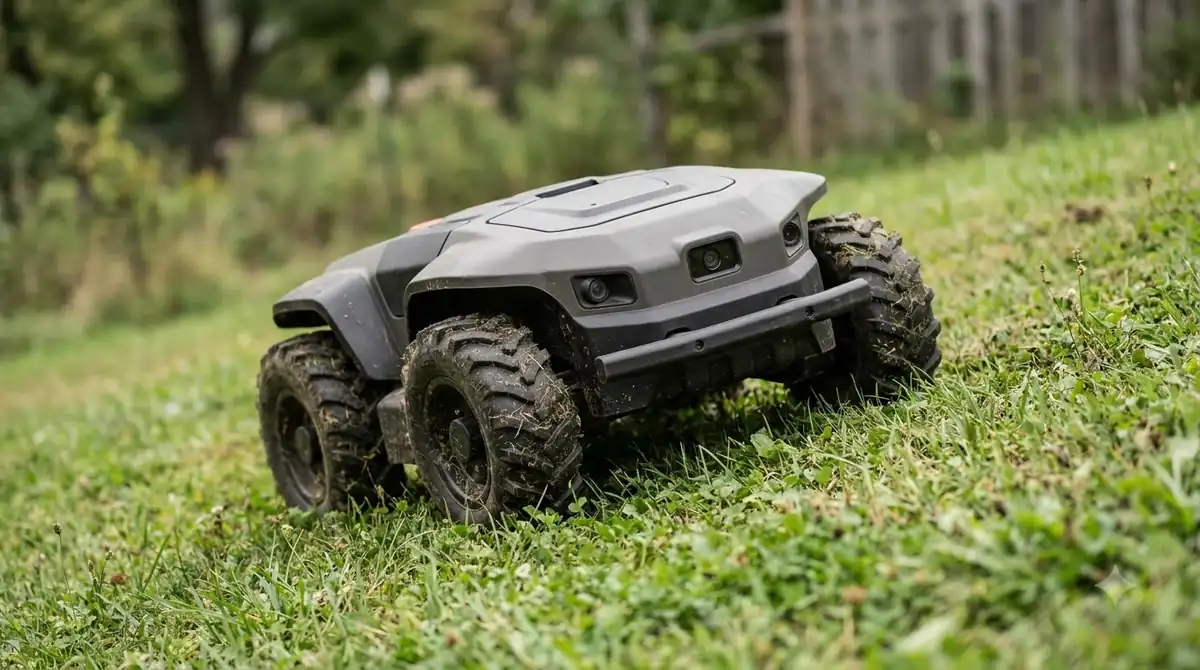
Our reading is that a slope figure is a ceiling set under the maker’s test conditions. Wet grass, a sharp edge or a long run can lower the real limit, so leave a margin. Mammotion also says lower-powered models may struggle with grass types such as Bermuda, St. Augustine and Zoysia, so match motor power to your turf.
Navigation: boundary wire, RTK GPS or camera vision
Navigation type decides the installation work and where a mower can struggle (see whether robot mowers need a boundary wire). A boundary wire must form a complete loop around the lawn, including flower beds, and the return run must keep a gap of no more than 10 cm, according to Robomow’s boundary wire guide. A vendor explainer also notes that one wire fault can stop a wired mower completely.
RTK GPS needs a reference station in an open area with a clear view of the sky. Standard phone-style GPS is typically accurate within 5 to 10 meters, while RTK vendors claim centimeter-level accuracy. We found no independent test data for that claim, and trees and walls can weaken the signal for short periods.
Camera vision mowers, such as Husqvarna’s AI vision models, process images on the mower. Husqvarna’s support page says those images are not stored, transmitted or shared. When satellite signal drops, the camera checks for grass and keeps mowing a limited distance, though the page gives no figure for that distance.
Mammotion’s buyer guide matches RTK GPS to large open lawns and LiDAR to yards with many obstacles, and it calls hybrid systems the most reliable overall. That is the vendor’s view, not an independent ranking. For a wider look at what to weigh, see our robot mower buying guide.
Obstacles and safety around people, pets and hoses
Obstacle handling separates mowers in busy yards more than the brand name does. Husqvarna’s support page on object detection sorts objects into high-risk and low-risk classes. High-risk items include humans, animals and water hoses, and the mower keeps a larger safety distance from them.
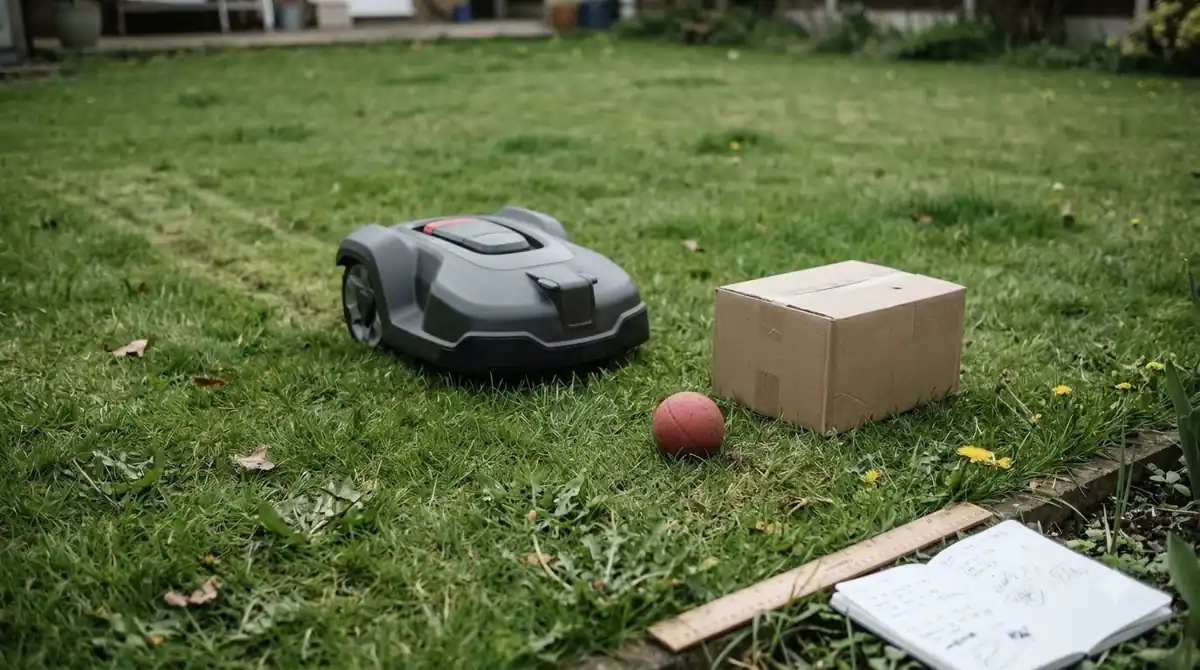
Our reading is that cameras and sensors help with toys, boxes and hoses, but none of them is a guarantee. We recommend keeping children and pets out of the work area while the mower runs, picking up loose toys, and cleaning the lens or sensors as the maker describes.
What to check before you buy
Use this checklist against your own yard before you accept any label for the most popular robot lawn mower in the US. Each point comes from a source named in this guide.
- Lawn size in acres. Choose a rating slightly above your lawn area.
- Slope rating and traction. Look for a stated slope figure and treat it as a ceiling, not a guarantee.
- Navigation type. Compare boundary wire, RTK GPS and vision, and the installation or sky-view work each one needs.
- Grass type and motor power. Warm-season grasses such as Bermuda may need more power, according to Mammotion’s guide.
- Blade replacement. Mammotion’s guide says blades may need changing every 1 to 3 months, so check that parts are easy to buy.
The most popular robot lawn mower in the US is the wrong pick if it fails on lawn size or slope. Decide on fit first, then use popularity only to narrow the list.
Frequently asked questions
Is there an official list of the most popular robot lawn mower in the US?
No public source we could read publishes US unit sales for robot mowers, so no official ranking of the most popular robot lawn mower in the US can be confirmed. Retailer best-seller pages exist, but they do not show the sales counts or time window behind their order.
Which brand is the most popular robot mower in the US?
Mammotion LUBA and Husqvarna Automower are among the names in the roundups we reviewed, which reflects coverage rather than verified sales, so neither can be called the most popular robot mower in the US. Husqvarna’s claim of more than three million users is a company statement, not an independent count.
Does a popular robot mower handle a steep yard?
Not necessarily. Among the Husqvarna models listed on its US page, only the Automower 435 iQ AWD states a slope figure, up to 70 percent. Slope ratings are set under the maker’s conditions, so compare the figure with your actual slope and leave a margin.
Do I need a boundary wire for a robot lawn mower?
Not always. Wire-free mowers use GPS or camera vision instead. RTK GPS can lose precision for short periods under trees, according to brand blogs, so check your sky view and obstacles before you decide.
Sources
- Husqvarna Automower US lineup (manufacturer): lawn sizes, boundary types and the slope claim for the 435 iQ AWD.
- Husqvarna support: how Automower AI vision works (manufacturer): on-mower processing and grass checks when satellite signal is lost.
- Husqvarna support: object detection and avoidance (manufacturer): high-risk object classes.
- Mammotion: best robot lawn mower 2026 buyer guide (manufacturer, dated March 31, 2026): size bands, slope bands and maintenance advice.
- Robomow: boundary wire vs grass sensors (manufacturer): loop layout, return gap and burial depth.
- Sunseeker Elite: what is RTK technology (manufacturer): GPS and RTK accuracy as the vendor describes it.
 Up next8 min readBest Robot MowersBest Robot Mower With US-Based Service CentersUpdated Nov 11, 2026
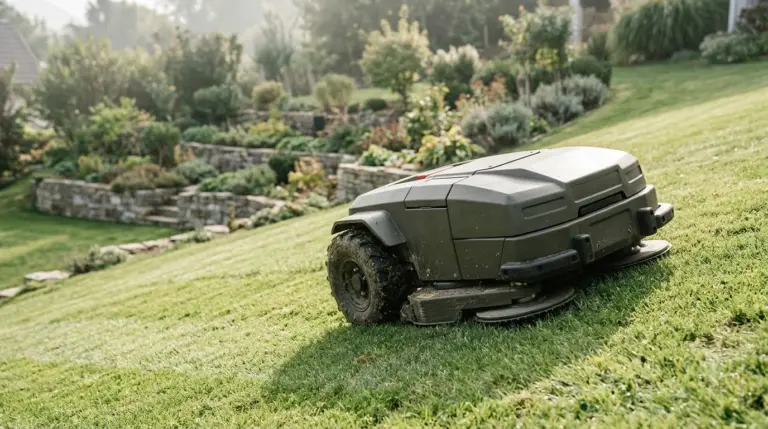 8 min readBest Robot MowersMost Powerful Robot Lawn Mower: What the Specs Really MeasureUpdated Nov 11, 2026
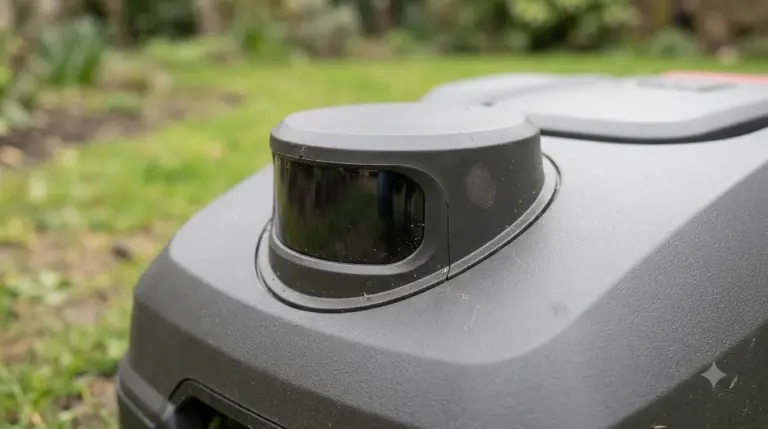 8 min readBest Robot MowersMost Accurate Robot Lawn Mower Navigation for Your YardUpdated Nov 11, 2026
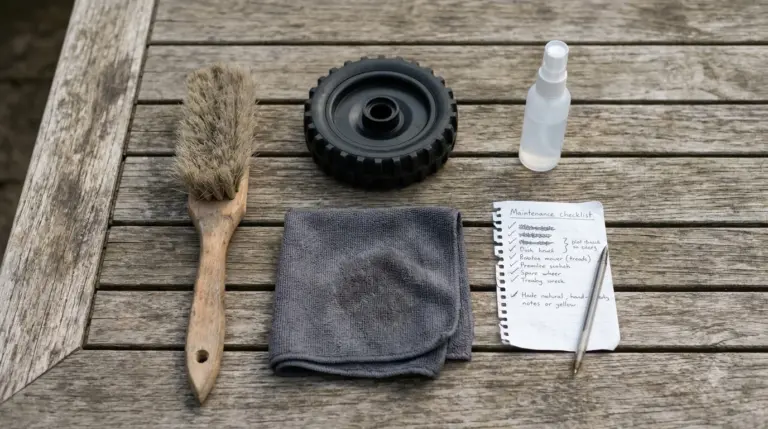 8 min readBest Robot MowersWhich Wireless Robot Mower Is the Most Reliable? How to Judge ItUpdated Nov 11, 2026
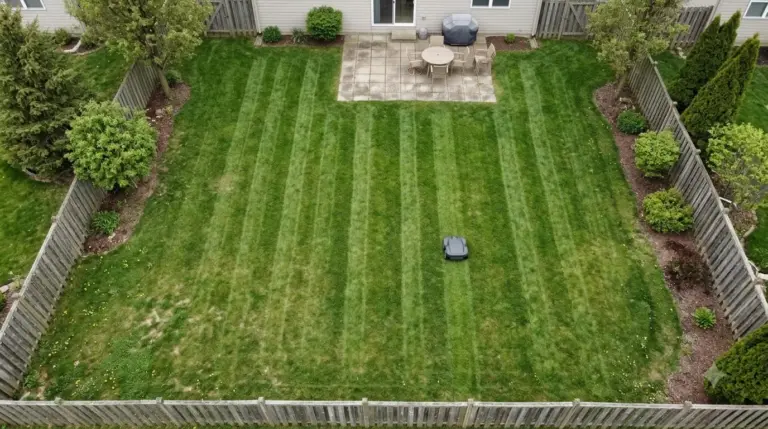 8 min readBest Robot MowersBest Robot Mower for Straight Stripe Patterns: What to CheckUpdated Nov 11, 2026
 9 min readBest Robot MowersSmartest Robot Lawn Mower: How to Judge Smart FeaturesUpdated Nov 11, 2026