
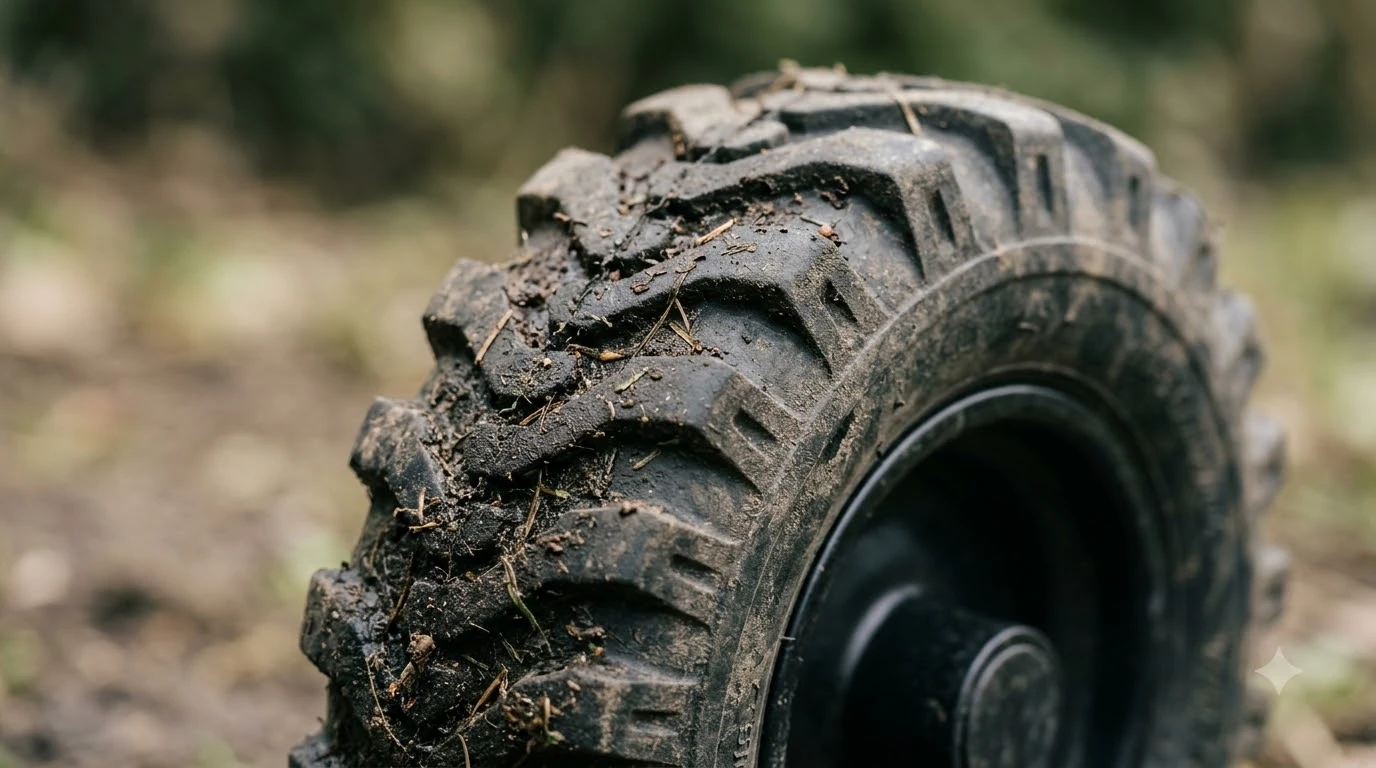

Robot mower rubber wheel covers are aftermarket sleeves that fit over a drive wheel to add grip or reduce wear, but they change the wheel’s shape and should be checked against your model before you buy. Their benefit is most likely on damp or slippery grass, while the risks are a poor fit, a changed ground clearance, and a possible warranty question. This guide explains what covers do, how to check the fit, and when replacing the original wheel makes more sense.
The short answer
- What they do: a rubber cover adds a textured outer layer to the drive wheel, which may help grip on wet grass.
- What they change: the wheel profile, which can affect ground clearance and how the mower handles slopes.
- Fit matters most: measure the drive wheel’s diameter and width and match them to the cover, not just the brand name.
- No independent tests found: the traction and lifespan claims on sellers’ listings are unverified.
- Check the warranty: fitting third-party parts may affect coverage, so read the manual first.
What a robot mower rubber wheel cover actually does
A rubber wheel cover is a sleeve or ring that fits over the outer surface of a drive wheel. Most aftermarket covers are made for the front drive wheels of popular robot mowers, and some are sold as full tread rings rather than sleeves. Sellers describe them as protection against wear and as a way to add traction, but the listings we reviewed did not include independent testing.
The main job a cover can do is add a textured surface between the wheel and the lawn. On damp grass, slipping wheels can dig into the turf, so grip matters. Eufy’s slope guide notes that wet grass reduces tyre grip, and that slipping drive wheels in rain or mud can dig holes and leave uncut patches. A cover may help with that, but it does not change the mower’s slope rating or its drive system.
How a robot mower rubber wheel cover changes the wheel
Any added layer changes the wheel’s diameter, width, or tread pattern. A thicker cover can raise the wheel and lift the body slightly, which changes ground clearance. That matters on uneven lawns, near edges, and on slopes, because the mower’s sensors and drive behaviour were set for the original wheel. If this point matters for your setup, read our wheel spikes for wet grass for more detail on it. For a closely related angle, see our wheel brush options for robot mowers as well.
Our reading is that a robot mower rubber wheel cover should be treated as a change to the wheel, not an accessory. If it alters the profile even slightly, the mower may behave differently on the same slope it handled before. Eufy’s guide also recommends measuring the slope before you buy a mower and staying well below its rated limit, which applies whether or not you add a cover.
Check the fit before you buy
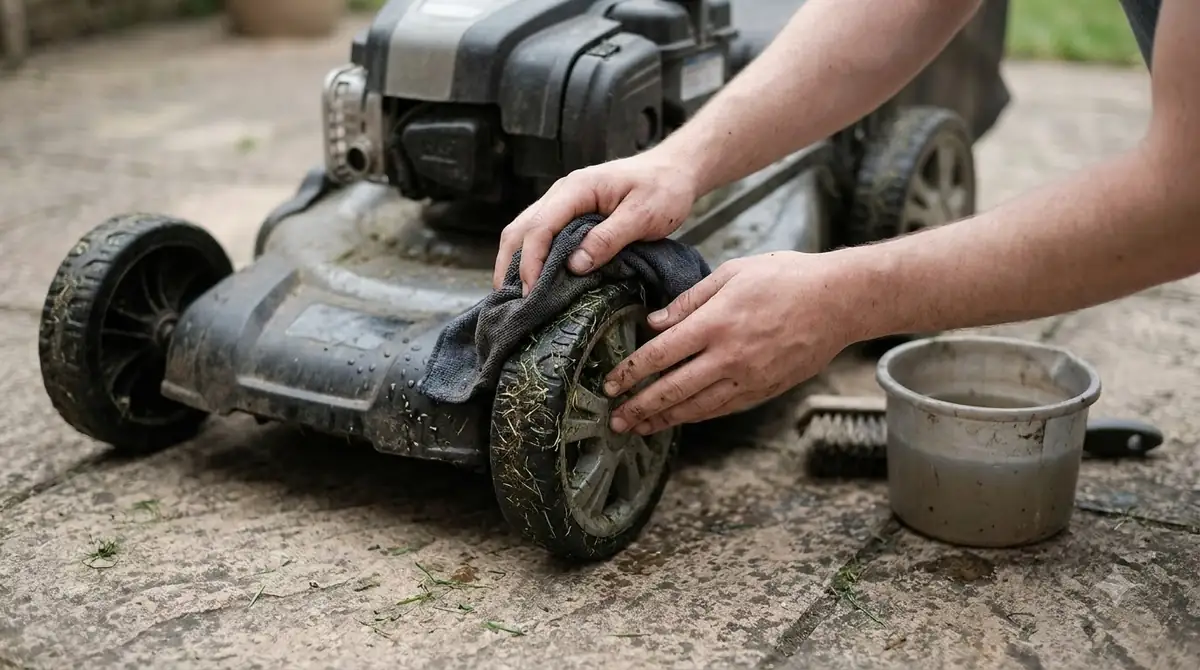
Fit is the first thing to check. Listings usually give the cover’s size as a wheel diameter and width, and some models need two covers rather than one. Measure the existing drive wheel with a ruler or caliper, including the tread, and compare the numbers with the listing rather than trusting the model name.
- Diameter: compare the outer diameter of the wheel with the cover’s inner and outer dimensions.
- Width: a wider cover can rub the body or the lawn edge and change turning.
- Position: confirm whether the model uses front, rear, or both drive wheels.
- Quantity: some larger models need two covers, so check the count before ordering.
When a cover is worth considering
A cover is most worth trying when the lawn is often damp and the mower struggles to get grip, especially on a slope the manual says it can handle. It is less useful on dry, level ground where the wheel already grips well. It also does not fix the wheel-rut problem by itself. Husqvarna’s wet grass guide advises waiting at least 24 hours after rain before mowing and notes that mowing soft ground can create ruts that are hard to fix later. A cover does not replace that advice.
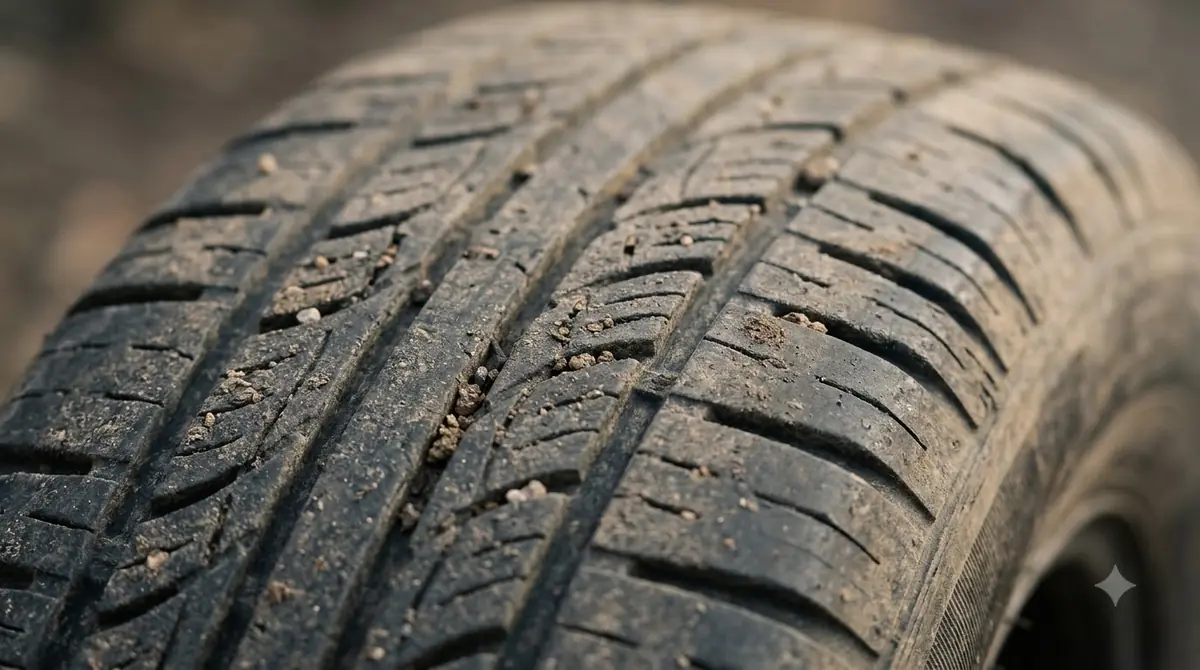
If the wheel tread is worn or cracked, replacement is a better fix than a cover. A worn wheel loses grip regardless of what is fitted over it, and a damaged wheel can make the mower miss its route.

Robot mower rubber wheel covers or a replacement wheel
Work through the options in order. Start by cleaning the wheels and checking the tread for damage. If the tread is intact and the mower slips only on damp grass, a cover is a low-cost test. If the tread is worn, or the mower shows traction faults on dry ground too, a replacement wheel from the maker is the safer route. See our front caster replacement steps for further detail on a connected question. If this point matters for your setup, read our wheel bearing noise causes for more detail on it.
| Situation | Better choice | Main risk |
|---|---|---|
| Slips on damp grass, tread intact | Try a cover that matches the measured size | Changes profile and clearance |
| Tread worn or cracked | Replace the wheel | Cover will not restore grip |
| Slips on dry ground too | Check slope rating and wheel condition first | Cover may hide a larger problem |
| Under warranty | Keep original parts until the warranty ends | Third-party part may void cover |
Cleaning matters as much as the wheel itself. Wipe mud and grass from the tread after each wet cut, since packed debris reduces grip on any wheel. This is cheap and does not change the mower’s geometry.
Related reads: Related to this guide, you may also want to read our Luba replacement wheel guide for a connected topic.
Frequently asked questions
Do rubber wheel covers improve traction?
Sellers say they do, but we found no independent testing. A cover may help on damp grass, while a worn tread is better replaced.
Will a wheel cover change my mower’s slope rating?
It can change the wheel profile and ground clearance, which affects how the mower behaves on slopes. Check the manual and treat the rating as unchanged only if the manufacturer says so.
How do I measure a wheel for a cover?
Measure the outer diameter and width of the drive wheel, including the tread, and compare those numbers with the cover’s listed size.
Does a cover void the warranty?
It may. Fitting third-party parts can affect coverage, so read the warranty terms before you fit anything.
Sources
- Husqvarna, “Can you mow wet grass?” (manufacturer guide): used for the 24-hour wait after rain and the warning about ruts.
- Eufy, robot lawn mower slope limits guide (manufacturer guide): used for wheel grip on wet grass, wheel slip, and the advice to stay below the rated slope.
 Up next8 min readGearBest Rubber Threshold Ramp for Sliding Glass Door Tracks: Buyer and Fit GuideUpdated Nov 19, 2026
 10 min readGearBest Replacement Rubber Bumper Strip for Brick Walls: Materials, Fit, and CareUpdated Nov 19, 2026
 6 min readGearSunseeker Replacement Wheels: What Fits and What to CheckUpdated Nov 20, 2026
 8 min readGearRobot mower traction spikes for slopes: what actually helps gripUpdated Nov 19, 2026
 7 min readGearRobot Mower Charging Station Cover: Fit, Signal and DockingUpdated Nov 13, 2026
 7 min readGearMammotion Cover: Model Match, Fit and What to CheckUpdated Nov 20, 2026